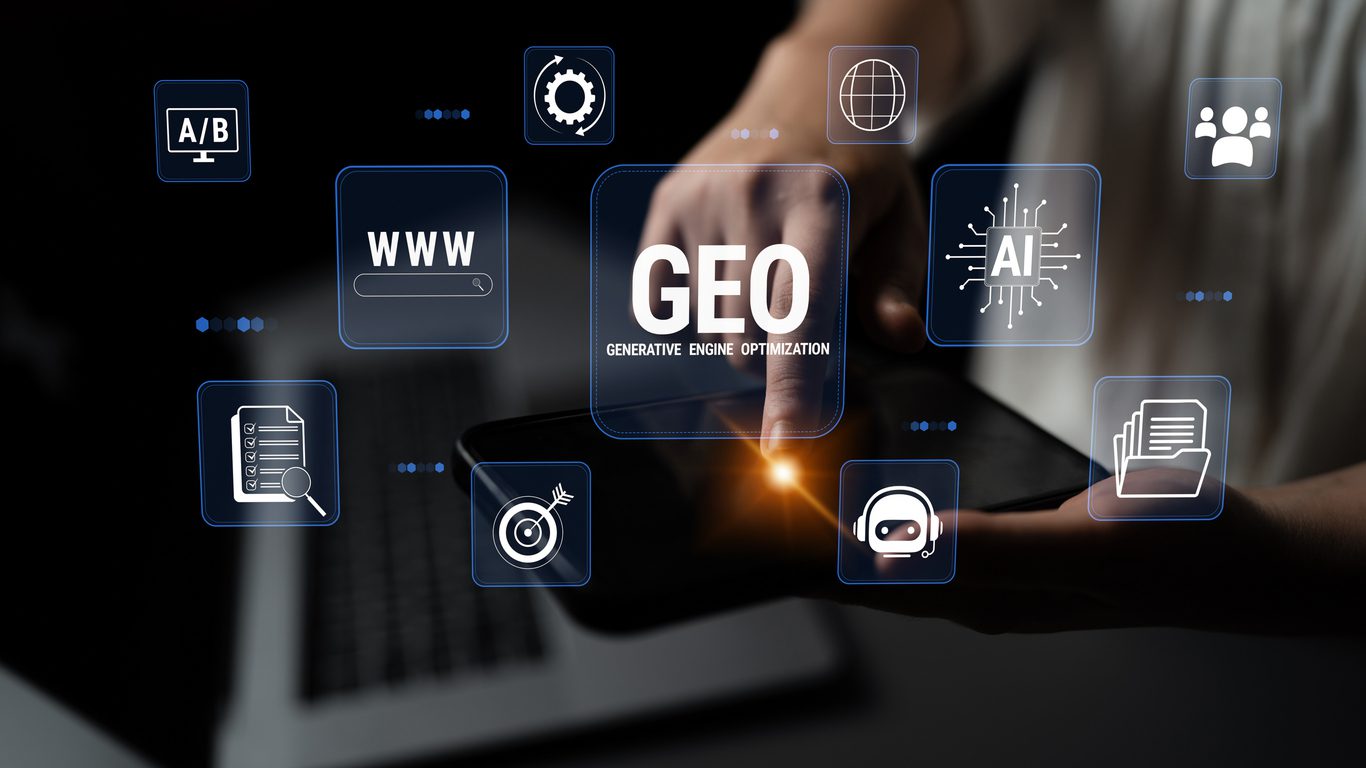
Search behavior is evolving rapidly. Instead of browsing through multiple websites, people increasingly rely on AI-generated summaries that deliver quick answers. These responses are often created by generative AI, which scans multiple sources, interprets context, and produces concise explanations.
For businesses and marketers, this shift changes how visibility works. Ranking on page one is no longer the only goal. The new challenge is ensuring your brand or content becomes part of the AI-generated answer. This is where
generative engine optimization plays a crucial role.
When implemented correctly, GEO helps businesses structure their content so that AI search engines recognize it as credible, useful, and worthy of citation.
Understanding Generative Engine Optimization
Generative engine optimization focuses on preparing digital content for
AI-powered search experiences. Unlike traditional SEO, which prioritizes keywords and backlinks, GEO emphasizes clarity, context, and structured information.
AI systems analyze content differently from traditional algorithms. They prioritize:
- Direct answers to questions
- Clear structure and logical formatting
- High-authority sources
- Content that demonstrates expertise
By aligning content with these criteria, businesses increase the likelihood that their insights will be referenced in AI-generated search results.
Why AI Search Engines Prefer Structured Content
Generative AI systems extract information quickly. They look for content that is easy to interpret and summarize.
To improve the chances of being cited, your content should follow a structured format:
Use Clear Questions as Headings
Many searches are phrased as questions. Structuring your content around those queries helps AI understand your topic.
Examples include:
- What is generative engine optimization?
- How can businesses appear in AI search results?
This approach aligns with natural user behavior.
Start With Concise Answers
Place a short, direct explanation at the beginning of each section. After that, expand with deeper insights.
Organize Information with Bullet Points
Lists help AI systems quickly identify key concepts. They also improve readability for human audiences.
Structured content is easier for AI tools to interpret and summarize accurately.
Creating Content That AI Systems Trust
AI search engines rely heavily on credibility signals. If your website demonstrates authority, it becomes more likely to
appear in AI-generated answers.
Strong authority signals include:
- Citations from reputable publications
- Positive user engagement metrics
- Consistent brand mentions across platforms
- Well-researched content backed by reliable sources
Businesses that focus on high-quality information rather than mass-producing articles often achieve stronger results.
Depth and originality matter more than volume.
Using Data Insights to Guide Content Strategy
AI tools can also help marketers understand emerging trends. Instead of guessing which topics to cover, businesses can analyze data to identify opportunities.
Common AI-supported insights include:
- Trending questions within a specific industry
- Content gaps compared with competitors
- Seasonal changes in search demand
- Audience engagement patterns
By leveraging these insights, digital marketing teams can produce relevant content before competitors react.
This proactive approach strengthens long-term visibility.
Balancing AI Tools and Human Expertise
While generative AI tools are powerful, they should support—not replace—human creativity.
Effective workflows often include:
- Using AI tools for research and topic discovery
- Generating outlines or summaries
- Refining content through human editing
Human editors ensure that information is accurate, unique, and aligned with the brand voice.
AI systems sometimes introduce inaccuracies or generic language. Careful review preserves credibility and trust.
Building Brand Recognition Across Digital Channels
AI search engines evaluate the broader digital environment when deciding which sources to cite.
That means businesses must focus on building strong brand signals beyond their websites.
Strategies include:
- Publishing guest articles or thought leadership pieces
- Engaging with audiences on social media platforms
- Encouraging authentic customer reviews
- Participating in industry discussions and forums
Consistent brand visibility increases the likelihood that generative AI systems recognize your content as authoritative.
How Nloop AI Helps Businesses Strengthen AI Search Visibility
Adapting to the evolving search landscape requires strategic insight and the right tools.
Nloop AI helps businesses analyze digital performance, refine content strategies, and align marketing efforts with modern search technologies.
Through advanced analytics and optimization frameworks, companies can better understand how their content performs within AI-driven search environments. This allows organizations to improve visibility and stay competitive as generative AI continues to
reshape digital marketing.
Frequently Asked Questions
What is generative engine optimization?
Generative engine optimization is the practice of structuring and refining digital content so that AI-powered search systems can interpret and cite it in generated answers.
How does generative AI influence search results?
Generative AI analyzes information from multiple sources and produces summarized responses rather than only listing website links.
Why is structured content important for AI search?
Structured content allows AI systems to extract information quickly and accurately, increasing the chances of citation.
Can small businesses benefit from GEO strategies?
Yes. Clear, well-researched content helps smaller brands compete effectively with larger organizations in AI-generated search responses.
Should companies rely completely on AI-generated content?
No. AI should assist with research and analysis, while human editors ensure quality, originality, and accuracy.
Search is entering a new era where AI-generated answers shape how users discover information. Businesses that adapt their strategies today will gain a significant advantage tomorrow.
By focusing on generative engine optimization, companies can ensure their content remains visible, credible, and valuable in AI-powered search experiences.
When digital marketing strategies combine structured content, authoritative insights, and thoughtful human editing, they become powerful tools for reaching audiences in a rapidly evolving search landscape.






 Search behavior is evolving rapidly. Instead of browsing through multiple websites, people increasingly rely on AI-generated summaries that deliver quick answers. These responses are often created by generative AI, which scans multiple sources, interprets context, and produces concise explanations.
For businesses and marketers, this shift changes how visibility works. Ranking on page one is no longer the only goal. The new challenge is ensuring your brand or content becomes part of the AI-generated answer. This is where generative engine optimization plays a crucial role.
When implemented correctly, GEO helps businesses structure their content so that AI search engines recognize it as credible, useful, and worthy of citation.
Search behavior is evolving rapidly. Instead of browsing through multiple websites, people increasingly rely on AI-generated summaries that deliver quick answers. These responses are often created by generative AI, which scans multiple sources, interprets context, and produces concise explanations.
For businesses and marketers, this shift changes how visibility works. Ranking on page one is no longer the only goal. The new challenge is ensuring your brand or content becomes part of the AI-generated answer. This is where generative engine optimization plays a crucial role.
When implemented correctly, GEO helps businesses structure their content so that AI search engines recognize it as credible, useful, and worthy of citation.