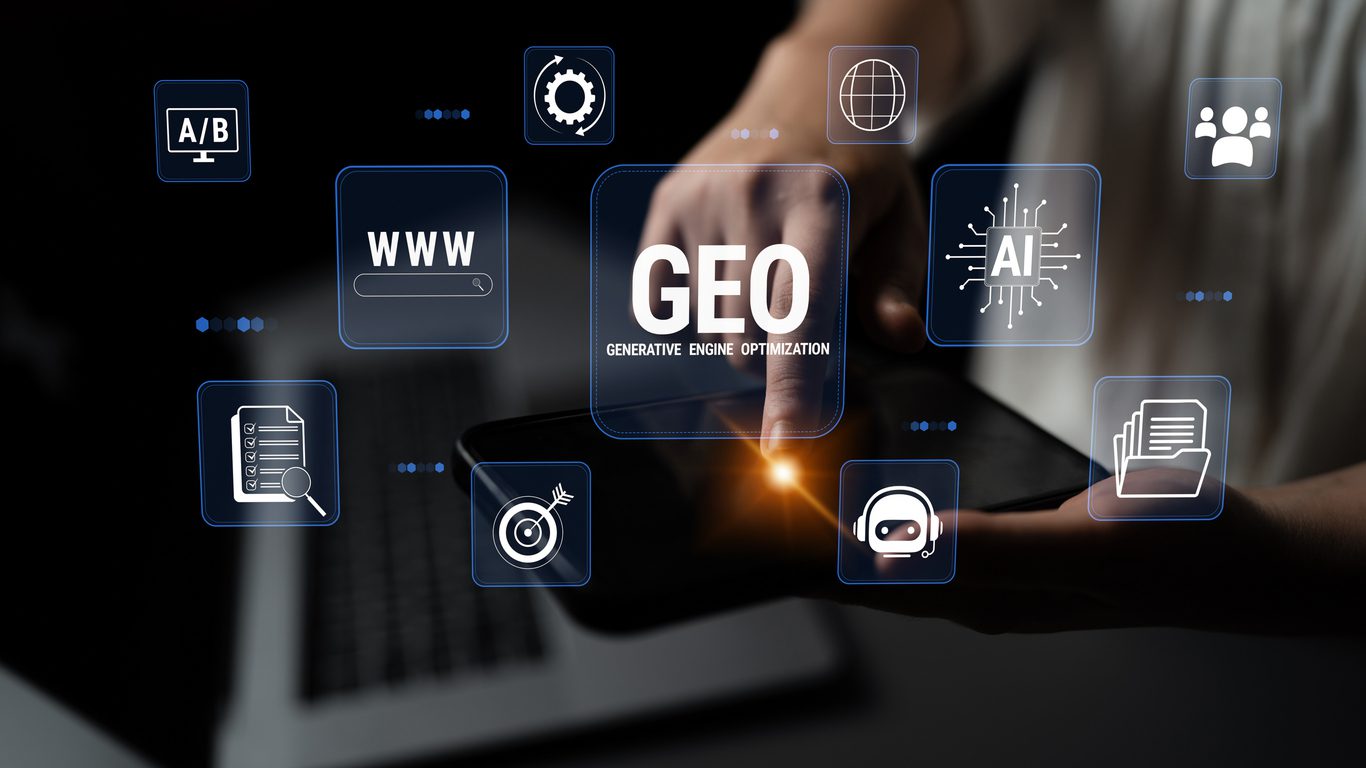





There’s a gap opening in digital marketing that most brands haven’t named yet. Buyers are asking AI tools questions that should be answered by your brand. Competitors who’ve invested in building AI visibility are showing up in those answers. Brands that haven’t aren’t visible in that conversation — and they often don’t know it’s happening.
Generative engine optimization is what closes that gap. But the way most teams approach it — as a content problem, a one-time optimization pass, or a vague “AI readiness” initiative — leaves the hardest parts unaddressed. Visibility in AI-generated search requires more than good content. It requires data infrastructure, cross-channel consistency, and measurement frameworks that most marketing programs don’t have in place.
Elevating Brand Visibility in the AI Search Era
Elevating brand visibility in the AI search environment requires understanding a fundamental difference between traditional visibility and AI citation: traditional visibility is positional; AI citation is reputational.
A search ranking tells a user that your page appears at position three. An AI citation tells a user that your brand is the answer. These are different signals with different causes. Rankings are built through link authority and keyword alignment. AI citations are built through the accumulated weight of what AI models have learned about your brand — from every editorial mention, community discussion, expert citation, and structured content signal they’ve absorbed.
This distinction matters for strategy. You can’t rank your way into AI citation. You have to build your way there — through content that earns trust, authority that extends across platforms, and the kind of consistent brand presence that AI models interpret as credibility.
What’s the Best Generative Engine Optimization Strategy for AI?
What’s the best generative engine optimization strategy for AI right now depends on where your brand starts, but the programs that produce consistent AI citation share across all starting points have the same underlying logic.
Depth over breadth: A single piece of content that fully answers a specific question your buyers are asking AI tools outperforms ten pieces of general content that touch on the topic. AI models cite sources that resolve queries completely. If your content answers part of the question, it won’t be selected as the answer.
Distribution over creation: The brands most consistently cited in AI-generated answers often don’t have the most content on their own domain. They have the most presence across external, credible sources — industry publications, community platforms, expert directories, review ecosystems. Creating more content on your own site without building external authority is the most common generative engine optimization mistake.
Continuous over episodic: AI citation isn’t a campaign outcome — it’s an ongoing state. The brands maintaining consistent AI visibility are publishing, earning placements, and monitoring their representation continuously. Episodic investments produce episodic results that don’t compound.
Measuring Success and ROI in Generative Engine Optimization
Measuring success and ROI in generative engine optimization is where most programs stall. The attribution chain from AI recommendation to conversion doesn’t have a clean UTM parameter. Buyers who discover brands through AI recommendations don’t announce it in a form field.
What you can measure — and what produces a reliable directional picture — is a set of correlated signals:
AI citation share: the percentage of your standard query set in which your brand appears across ChatGPT, Gemini, Perplexity, and Copilot each quarter. This is the primary GEO performance metric.
Branded search volume trends: when buyers encounter your brand in an AI answer and subsequently search for you by name, branded search volume rises. The correlation between GEO investment periods and branded search growth is one of the clearest indirect attribution signals available.
Direct traffic patterns: AI-influenced discovery frequently converts to direct navigation — typing the URL, searching the exact brand name — rather than clicking a tracked link. Rising direct traffic correlated with AI citation growth tells a coherent story.
Inbound lead quality shifts: buyers who arrive via AI citation tend to be more informed and more qualified at first contact. If average lead quality improves alongside AI visibility growth, that’s a meaningful ROI signal even without direct attribution.
None of these signals is definitive in isolation. Together, they build a case that a CFO can read.
How Agencies Offering Centralized Data and Channel Activation Change the GEO Equation
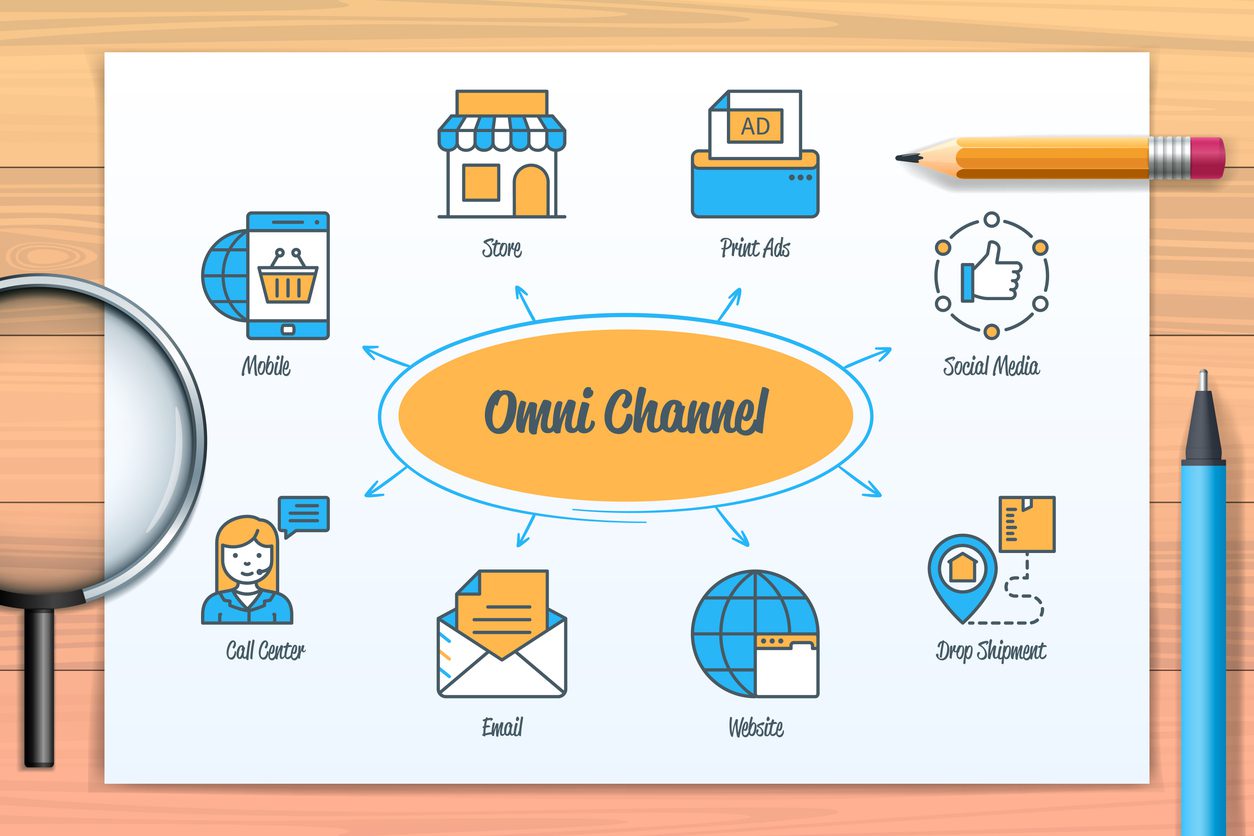
Agencies offering centralized data and channel activation have a structural advantage in generative engine optimization execution that’s easy to understate. GEO isn’t a channel — it’s an outcome that depends on what happens across many channels simultaneously.
Content quality feeds it. Distribution breadth feeds it. Review platform presence feeds it. Social authority feeds it. Earned media placements feed it. When these inputs are managed in separate silos by separate teams with separate tools, the feedback loop between investment and citation growth closes slowly — too slowly to optimize.
When they’re centralized, the feedback loop compresses. You know within weeks whether a content investment is generating the right kind of external engagement. You can redirect budget from what isn’t moving the needle to what is. You can identify exactly which authority signals are missing and fill them deliberately.
This operational advantage is the difference between a GEO program that accumulates results over time and one that plateaus after initial gains because nobody can identify what to do next.
Where Nloop AI Changes the Outcome
The gap between knowing that generative engine optimization requires centralized data and actually having that infrastructure in place is where most brands stall. Nloop AI was designed specifically to close it — bringing together the content performance data, distribution analytics, cross-channel authority tracking, and AI citation monitoring that GEO execution requires into a single operational environment. For brands that have invested in content and channels without seeing corresponding AI visibility gains, Nloop AI provides the visibility into what’s working and the activation infrastructure to do more of it faster. The result is a GEO program that learns and compounds rather than one that runs at a fixed rate until the budget runs out.
See how Nloop AI builds AI visibility into your marketing operation — talk to the team →
Frequently Asked Questions
1. What is generative engine optimization and why does it matter?
Generative engine optimization is the practice of building brand content, authority, and presence so AI tools cite and recommend your brand in generated answers. It matters because AI-generated answers are becoming a primary research touchpoint for buyers — brands not appearing in those answers are invisible to a growing segment of their market.
2. What’s the best strategy for elevating brand visibility in AI search?
Prioritize content depth over breadth, external authority over on-site volume, and continuous investment over episodic campaigns. A single expert piece that fully resolves a query earns more AI citations than multiple surface-level pieces that partially address it.
3. How do you measure ROI in generative engine optimization?
Use a combination of: AI citation share (tracked quarterly across major platforms), branded search volume trends, direct traffic growth correlated with GEO investment periods, and inbound lead quality shifts. Direct attribution is difficult; the correlated signal picture builds a defensible ROI case.
4. Why do agencies with centralized data perform better at GEO?
Because the feedback loop between investment and citation growth closes faster, when content, distribution, authority, and citation monitoring data are unified, teams can identify what’s driving results and optimize toward it — rather than managing disconnected inputs with no visibility into which is producing outcomes.
5. How long does it take to see AI visibility improvements?
Brands with existing authority and content typically see measurable improvements in citations within 60–90 days of targeted investment. The more important dynamic is compounding — brands that invest consistently build AI citation authority that becomes harder for competitors to match over time.