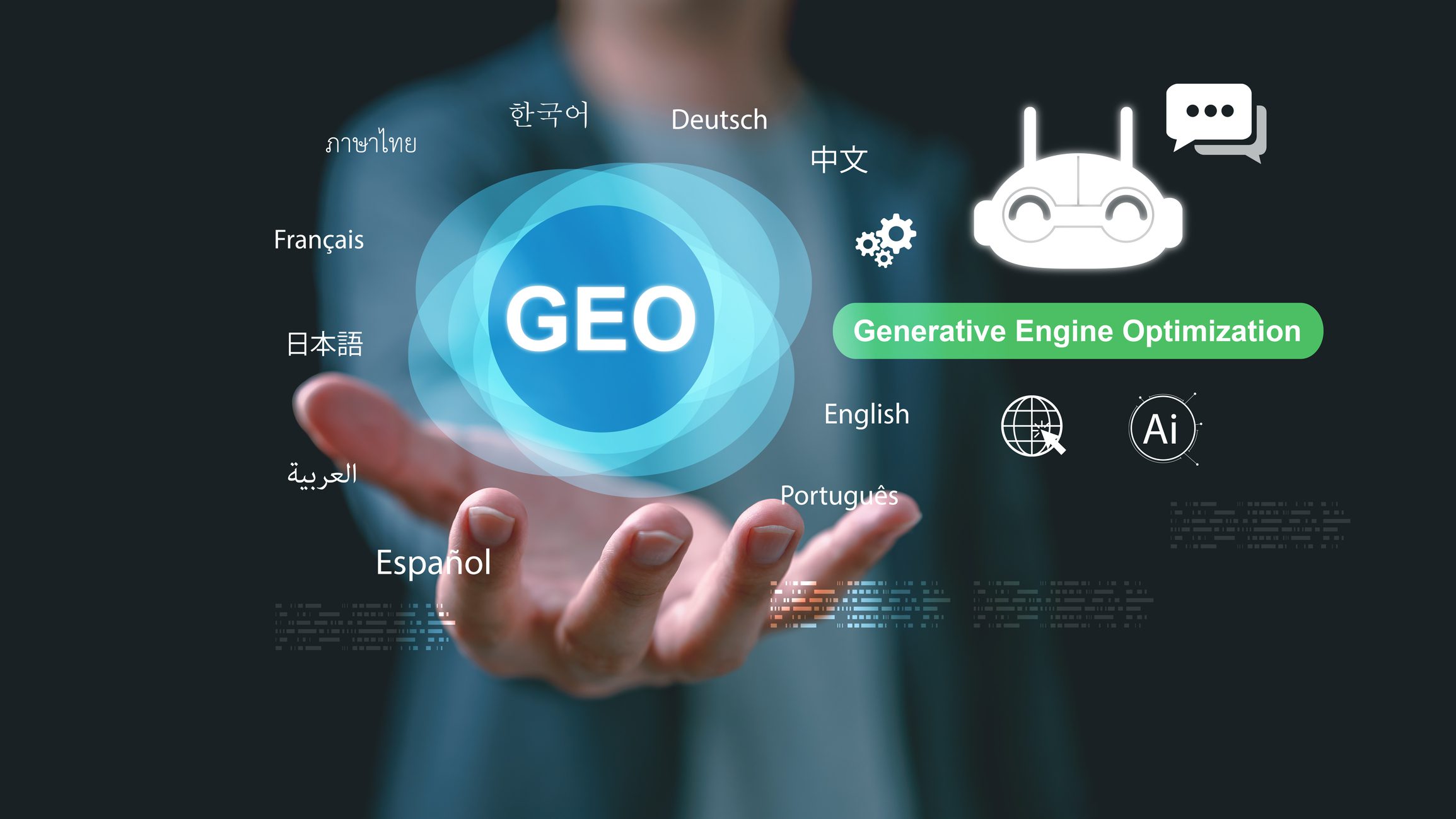
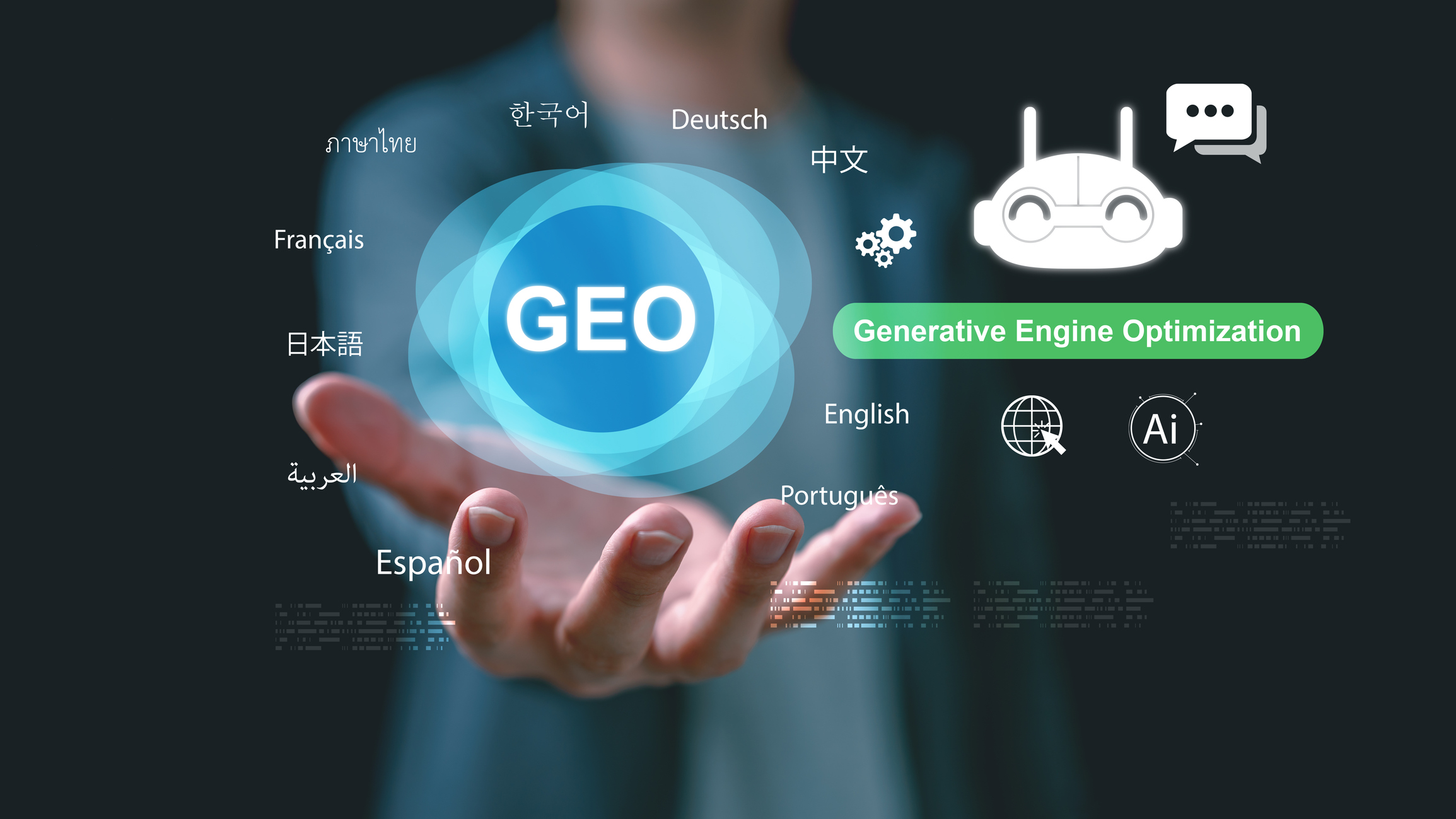
The way people find information online is shifting from browsing links to receiving direct answers. Instead of scrolling through multiple pages, users now rely on AI-powered tools to summarize content and recommend solutions instantly.
This transformation is reshaping digital marketing, pushing businesses to rethink how they approach visibility. Traditional SEO is still relevant, but it’s no longer enough. The focus is moving toward generative engine optimization, where the goal is not just to rank but to be included in AI-generated responses.
What Changed: From Keywords to Context with Generative AI
Logical content structure with headings and sections
Consistent messaging across all digital platforms
Strong brand authority and credibility
Instead of competing for clicks, businesses are now competing to become part of the answer itself.
GEO for Enterprise: Scaling Visibility Across Complex Systems
Large organizations face unique challenges when adapting to AI-driven discovery. With multiple products, services, and regions, maintaining consistency becomes critical.
GEO for enterprise provides a scalable framework that aligns content, data, and branding across the entire organization.
Benefits for enterprise businesses:
Unified content strategies across departments
Improved recognition by AI systems
Better control over brand messaging
Enhanced ability to target diverse audiences
This approach ensures that enterprise brands remain visible and relevant in a rapidly evolving search landscape.
How AI Is Rewriting Digital Marketing Strategies
AI is not just changing search—it’s transforming the entire digital marketing ecosystem. From content creation to campaign optimization, every aspect is becoming more data-driven and automated.
Key changes marketers are experiencing:
Increased reliance on data insights for decision-making
Greater emphasis on personalization and user intent
Faster campaign adjustments based on real-time performance
Integration of AI tools for efficiency and scalability
Businesses that adapt to these changes can create more effective and responsive marketing strategies.
Creating Content That AI Systems Prefer
To succeed in AI-driven search, content must be designed for both humans and machines. It should be easy to understand, informative, and structured.
Best practices for AI-friendly content:
Use natural language that mirrors how people ask questions
Start sections with clear, direct answers
Break information into smaller, digestible parts
Add depth with examples and actionable insights
This type of content not only improves visibility but also enhances user experience.
Why Authority and Trust Matter More Than Ever
AI systems prioritize sources they consider reliable. This means that brand authority is becoming a key factor in visibility.
How to build authority:
Publish original insights and research
Maintain consistent branding across platforms
Earn positive reviews and engagement
Build strong internal and external links
When your brand is seen as trustworthy, it is more likely to be referenced in AI-generated responses.
How Nloop AI Helps Businesses Adapt Faster
For businesses navigating this shift, Nloop AI provides a smarter way to manage marketing operations. Instead of relying on disconnected tools and manual processes, it brings automation, insights, and execution into a single system.
This allows teams to streamline workflows, analyze performance data, and make faster, more informed decisions. By reducing complexity and improving efficiency, Nloop AI helps businesses adapt to AI-driven discovery while maintaining consistency and quality.
Balancing Automation with Human Expertise
While AI tools offer powerful capabilities, they are not a complete replacement for human insight. Successful strategies combine automation with creativity and critical thinking.
Why is this balance important:
Ensures content remains authentic and engaging
Prevents errors or misleading information
Adds strategic direction and innovation
Maintains alignment with brand values
Human input ensures that AI-driven strategies remain effective and trustworthy.
Preparing for the Future of Online Discovery
The transition from SEO to GEO is not a temporary trend—it’s a fundamental shift in how information is accessed and consumed.
Steps businesses can take now:
Audit existing content for clarity and structure
Focus on answering real user questions
Invest in tools and systems that support AI-driven strategies
Continuously refine content based on performance data
By taking these steps, businesses can stay ahead of the curve and remain competitive.
Frequently Asked Questions
What is generative engine optimization?
It is a strategy that helps content become easily understandable and usable by AI systems, improving visibility in AI-generated responses.
How is GEO different from traditional SEO?
GEO focuses on being included in AI-generated answers, while SEO focuses on ranking in search engine results.
What role does generative AI play in digital marketing?
Generative AI helps analyze data, create content, and optimize campaigns, making marketing more efficient and targeted.
Why is GEO for enterprise important?
It provides a scalable way for large organizations to maintain consistency and improve visibility across multiple channels.
Can small businesses benefit from this shift?
Yes, businesses of all sizes can improve visibility by creating structured, high-quality content that aligns with user intent.
Embrace the Next Era of Digital Discovery
The evolution from SEO to GEO marks a significant turning point in digital marketing. Businesses that adapt to AI-driven discovery will gain a clear advantage in visibility and engagement.
By focusing on generative engine optimization, leveraging generative AI, and building strong, structured content, brands can position themselves at the forefront of this transformation. With solutions like Nloop AI, adapting to this new landscape becomes more manageable and effective.
Now is the time to rethink your strategy and embrace the future of online discovery with confidence.
The Battle for Attention Has Moved Inside AI Answers
Brand visibility used to depend on rankings, impressions, and clicks. Now, the real competition happens inside AI-generated responses. When users ask a question, they often receive a summarized answer—sometimes without ever seeing a list of websites.
This shift is redefining digital marketing. Instead of competing for page position, brands are competing for inclusion in AI answers. That’s where generative engine optimization becomes essential. It helps businesses earn presence where decisions are being shaped—inside AI-driven conversations.
How Generative AI Is Changing Discovery Behavior
Generative AI has changed how people search, compare, and decide. Users are no longer typing fragmented keywords; they are asking complete questions and expecting clear, actionable answers.
What this means for brands:
Discovery happens through conversations, not just queries
Trust is built through clarity and authority
Content must be easy to summarize and interpret
This creates a new challenge: your brand must be structured in a way that AI systems can understand and confidently recommend.
Generative Engine Optimization: The New Mindshare Strategy
Generative engine optimization focuses on making your brand part of AI-generated answers. It is less about visibility alone and more about influence.
What makes this approach effective:
Content that answers questions directly and clearly
Logical structure that AI can easily process
Consistent messaging across all platforms
Strong brand signals that reinforce credibility
Winning mindshare means being present at the exact moment users are forming opinions—and AI plays a major role in that moment.
GEO for Enterprise: Scaling Influence Across Channels
For large organizations, maintaining consistency across multiple teams and regions can be challenging. GEO for enterprise provides a structured approach to scaling visibility and influence.
Key benefits for enterprise brands:
Unified content strategies across departments
Better alignment between marketing, content, and data teams
Increased likelihood of being referenced by AI systems
Stronger brand recognition across markets
This approach ensures that every piece of content contributes to a cohesive and authoritative brand presence.
How AI Decides Which Brands to Recommend
Understanding how AI systems evaluate content is critical for success.
Key factors influencing AI recommendations:
Relevance: Does the content match the user’s intent?
Clarity: Is the information easy to understand and summarize?
Authority: Does the brand demonstrate expertise and trustworthiness?
Consistency: Is the messaging aligned across platforms?
Brands that meet these criteria are more likely to be included in AI-generated responses.
Building Content That Captures Mindshare
To succeed in this new environment, content must go beyond surface-level information. It needs to be structured, insightful, and genuinely helpful.
Practical content strategies:
Use conversational language that mirrors user questions
Provide clear answers at the beginning of each section
Add depth with examples, data, and actionable insights
Organize content into easy-to-scan formats
This makes it easier for AI systems to extract and present your content while improving the user experience.
Why Brand Authority Is More Important Than Ever
In an AI-driven landscape, authority is a key differentiator. AI systems prioritize sources they consider reliable and trustworthy.
Ways to strengthen authority:
Publish original insights and thought leadership
Maintain consistent branding across all channels
Build strong internal and external links
Encourage engagement and positive feedback
When your brand is recognized as a trusted source, it becomes more likely to influence AI-generated answers.
How Nloop AI Helps Brands Scale Smarter
For businesses navigating this shift, Nloop AI offers a more intelligent way to manage marketing operations. Instead of relying on disconnected tools, it integrates data, automation, and execution into a unified system.
This enables teams to streamline workflows, analyze performance, and adapt strategies quickly. By reducing complexity and improving efficiency, Nloop AI helps brands maintain consistency and scale their efforts effectively in an AI-driven environment.
Balancing AI Efficiency with Human Insight
While AI provides speed and scalability, human expertise remains essential. Successful brands combine data-driven insights with creativity and strategic thinking.
Why this balance matters:
Ensures content remains authentic and engaging
Prevents errors and maintains accuracy
Adds emotional intelligence to communication
Drives innovation and differentiation
This combination creates a more effective and sustainable strategy.
Preparing for the Future of Digital Marketing
The transition from SEO to GEO represents a fundamental change in how brands compete online. Businesses that adapt early will have a significant advantage.
Steps to stay ahead:
Audit and restructure existing content for clarity
Focus on answering real user questions
Invest in tools that support AI-driven strategies
Continuously refine content based on data insights
By taking these steps, brands can position themselves for long-term success.
Frequently Asked Questions
What is generative engine optimization?
It is a strategy that helps content become easily understandable and usable by AI systems, improving visibility in AI-generated responses.
How is GEO different from traditional SEO?
GEO focuses on being included in AI-generated answers, while SEO focuses on ranking in search results.
What role does generative AI play in digital marketing?
Generative AI helps analyze data, create content, and optimize strategies, making marketing more efficient and targeted.
Why is GEO for enterprise important?
It provides a scalable framework for maintaining consistency and improving visibility across large organizations.
How can brands capture mindshare in AI search?
By creating structured, high-quality content and building strong authority signals that AI systems trust.
Own the Conversation, Not Just the Click
The future of digital marketing is not just about being found—it’s about being trusted and recommended. By embracing generative engine optimization, leveraging generative AI, and implementing scalable strategies like GEO for enterprise, brands can capture mindshare in AI-driven environments.
With the right tools and approach, including platforms like Nloop AI, businesses can stay ahead of the curve and turn visibility into influence.
Ready to lead in the age of AI search? Start building a strategy that puts your brand at the center of every conversation.
Here’s something most marketing teams haven’t fully reckoned with yet: when someone asks ChatGPT, Perplexity, or Google’s AI Overview a question you should be answering, your brand may never appear — not because your content is bad, but because it isn’t structured in the way generative AI decides what to trust and quote.
That structural gap is exactly what generative engine optimization exists to close. And unlike a lot of digital marketing trends that require waiting six months to see results, the content decisions you make right now are already shaping whether AI models cite you or skip you.
This article breaks down what GEO actually is, which factors determine whether your content earns AI visibility, and how to build it into your strategy — not as an add-on, but as a foundation.
Generative Engine Optimization: A Plain-English Definition
Generative engine optimization is the practice of structuring content so that large language models (LLMs) — the AI systems powering tools like ChatGPT Search, Google Gemini, and Perplexity — are likely to include your content as a cited source in their generated responses.
The working logic is simple, even if the execution requires precision: generative AI doesn’t rank pages, it synthesizes answers. In doing so, it draws from sources it finds credible, clear, and directly responsive to the question being asked. GEO is the discipline of being that source.
Three terms worth distinguishing before going further:
Traditional SEO: Optimize pages so search engines rank them higher in index-based results.
Generative AI SEO: Structure content so AI models recognize it as authoritative and include it in generated answers.
GEO: The combined strategic practice of both — building content that ranks and gets cited by AI.
Why Digital Marketing Teams Can’t Afford to Ignore This
The share of searches that resolve in a generated AI response — without a click — is growing fast. For digital marketing professionals, this isn’t a philosophical concern; it’s a traffic and attribution problem with a real dollar value attached.
~60% of Google searches in 2024 ended without a click to any website (SparkToro / Datos research)
AI-generated answers accelerate that pattern dramatically. If your content earns a citation inside an AI response, you gain visibility, brand recall, and qualified referral traffic from users who arrive already trusting you. If you don’t, that search interaction ends without you existing in the user’s awareness at all.
For GEO for enterprise organizations specifically, the stakes compound quickly. Enterprise brands operate across dozens of keyword clusters, product categories, and audience segments simultaneously. Getting GEO architecture right means building content systems — not just individual pages — that signal comprehensive authority to AI models across all of them.
The Five Factors That Determine AI Citability
These aren’t theoretical — they reflect the observable patterns in which content consistently earns AI citations versus which content gets synthesized around but never attributed.
✔ Direct answer density: Every page should contain at least one sentence that fully answers the core question without requiring surrounding context. AI models pull these sentences into responses. If your clearest answer is buried under four paragraphs of framing, it may never be extracted.
✔ Factual specificity: Vague claims get paraphrased or ignored. Specific figures, named methodologies, and concrete examples are what AI cites. Replace ‘many businesses benefit from this approach’ with a specific claim that can be attributed to your brand.
✔ Structural clarity Logical hierarchy — clear H2s, H3s, short paragraphs, defined lists — isn’t just a UX choice. It’s how AI models parse the relationship between ideas on your page. Poorly structured pages produce poorly extracted citations.
✔ Topical authority depth: A single optimized page is rarely enough. AI models assess whether a domain comprehensively covers a topic area. Brands with interconnected content clusters — core pillar pages supported by related articles — consistently earn more citations than brands with isolated high-performing pages.
✔ Trustworthiness signals: Author credentials, cited external sources, consistent brand voice, and absence of factual errors all contribute to how generative AI evaluates source reliability. The same quality bar that earns editorial trust from human readers earns AI trust from language models.
How to Actually Build a GEO Strategy — Step by Step
Knowing what GEO is and being able to execute it are two different things. Here’s a practical starting sequence for teams moving from awareness to implementation.
Start by auditing your existing content against a question map, not a keyword list. Pull the actual questions your target audience is asking — in ChatGPT, in Google’s ‘People Also Ask,’ in forums and community sites — and evaluate whether your current pages contain direct, extractable answers to those questions. Most don’t.
Next, restructure your highest-traffic pages to front-load answers. The inverse pyramid is not a writing style choice in GEO — it’s a technical requirement. Your most valuable information needs to live in the first paragraph of each section, not the last.
Then build a content cluster architecture around your core topics. For each major subject area your business owns, create a central pillar page supported by satellite content that covers related questions, sub-topics, and specific use cases. This is the pattern that signals topical authority to generative AI systems.
Finally, add FAQ sections to every key page. FAQ blocks are structurally ideal for AI citation because they mirror the question-answer format that AI search is built to process. A well-constructed FAQ at the bottom of a service page or article dramatically increases that page’s citability in AI-generated responses.
Where Nloop AI Fits Into This Picture
Executing a full GEO strategy alongside existing SEO, content, and paid channel responsibilities is genuinely demanding — especially for teams that don’t yet have internal workflows built around AI-first content architecture. This is precisely the space where Nloop AI operates.
Rather than treating generative AI as a content production shortcut, Nloop AI approaches it as a strategic infrastructure layer — helping businesses design content systems that earn AI citations, build topical authority at scale, and maintain the brand consistency and factual precision that large language models reward. For teams at the intersection of digital marketing and AI-driven discovery, Nloop AI offers the kind of methodical, results-oriented partnership that turns GEO from a concept into a measurable channel.
Not at all. GEO for enterprise environments involves more scale and complexity, but the core principles apply equally to small and mid-sized businesses. In fact, niche expertise — a strength of smaller organizations — is one of the most reliable paths to consistent AI citation. A focused, authoritative small business can out-cite a bloated enterprise website for specific topics.
Does generative engine optimization replace SEO?
No — it extends it. Traditional SEO remains foundational for organic traffic, and GEO builds on the same content quality principles. The key addition is structural: GEO requires content formatted for AI extraction, not just keyword alignment. The best approach runs both strategies in parallel, using the same content investments to serve both goals.
How does generative AI decide which sources to cite?
Large language models evaluate content based on several combined signals: directness of the answer, factual specificity, source authority (inferred from domain signals and content quality), and structural clarity. There is no single citation formula, which is why building broadly across all these dimensions outperforms gaming any one of them.
How quickly can a GEO strategy show results?
AI citation patterns update faster than traditional search rankings. Well-structured content targeting specific question formats has been observed earning AI citations within weeks. That said, building consistent, broad AI visibility across a topic area is a sustained effort measured in months — not a single-page optimization.
What’s the single most common GEO mistake?
Writing for impressiveness rather than extractability. Content that reads beautifully as a narrative but buries its core answers in flowing prose is consistently outperformed by content that feels slightly less elegant but delivers direct, quotable answers immediately. In GEO, clarity beats craft.
The Brands That Start Now Will Be Hard to Catch Later
Generative engine optimization is not a distant horizon. It is the current state of search for a growing share of your audience, and the citation patterns being established today — which brands AI models trust, which answers they return to, which voices they treat as authoritative — will compound into durable advantages that late movers will struggle to overcome.
The good news is that the path is clear. The content principles, structural requirements, and strategic frameworks that make a brand citable by generative AI are knowable and buildable. What most organizations lack isn’t awareness — it’s the execution partner who can translate the strategy into a content system that actually performs.
That’s the conversation Nloop AI is built for. If your digital marketing strategy hasn’t been stress-tested against what happens when your potential customers get answers from AI instead of search results, now is exactly the right time to start. Reach out and build something that AI chooses to recommend.
The New Battleground: AI Answers, Not Just Rankings
Search behavior has shifted from clicking links to trusting AI-generated responses. When users ask a question, they often get a summarized answer that highlights a few trusted sources. If your brand isn’t included, you’re invisible—no matter how strong your rankings are.
This is why generative engine optimization is becoming a core part of modern digital marketing. It helps businesses move beyond rankings and position themselves inside AI answers where decisions are actually made.
How Generative AI Selects Winning Content
To outrank competitors in AI search, you need to understand how generative AI evaluates content.
AI systems prioritize:
Clarity: Can the content be easily summarized?
Relevance: Does it directly answer the user’s question?
Authority: Is the source credible and consistent?
Structure: Is the content well-organized and scannable?
Unlike traditional search engines, AI doesn’t just index pages—it interprets them. That means your content must be both informative and easy to process.
Generative Engine Optimization: The Core of GEO Success
Generative engine optimization focuses on making your content AI-ready. It ensures your information is structured in a way that AI systems can understand and confidently reference.
What this looks like in practice:
Clear headings that reflect real user questions
Concise answers followed by deeper explanations
Consistent terminology and messaging
Strong internal linking to reinforce topic authority
This approach increases the likelihood of your content being selected over competitors.
GEO for Enterprise: Scaling Competitive Advantage
Large organizations face a unique challenge—managing consistency across multiple teams, products, and markets. GEO for enterprise provides a framework to scale visibility without losing control.
Key benefits:
Unified content strategy across departments
Improved brand recognition in AI systems
Better alignment between data, content, and messaging
Increased efficiency in managing large content ecosystems
For enterprise brands, this is essential to maintain a competitive edge.
AI Brand Mentions: The New Ranking Signal
In AI-driven search, AI brand mentions are becoming a powerful indicator of authority. When AI systems repeatedly reference your brand, it signals trust and relevance.
How to increase brand mentions:
Publish original insights and thought leadership
Maintain consistent branding across all platforms
Encourage engagement through reviews and discussions
Build relationships with authoritative sources
The more your brand is recognized, the more likely it is to be included in AI responses.
Creating Content That AI Prefers Over Competitors
Outranking competitors requires more than just good content—it requires content that AI systems prefer.
Key content principles:
Start with a direct answer to the main question
Use simple, conversational language
Break information into bullet points and short sections
Add depth with examples and actionable insights
This structure makes it easier for AI to extract and present your content.
Data-Driven GEO Strategies That Work
Effective GEO strategies rely on data, not assumptions. Businesses can use AI tools to identify opportunities and refine their approach.
Practical steps:
Analyze common user queries and intent patterns
Identify gaps in competitor content
Track performance and adjust strategies
Focus on topics that provide real value
By continuously optimizing, you can stay ahead of competitors.
How Nloop AI Helps Businesses Stay Competitive
For businesses navigating the complexity of AI-driven search, Nloop AI offers a smarter way to manage marketing operations. Instead of relying on disconnected tools, it integrates data analysis, automation, and execution into a single system.
This allows teams to streamline workflows, identify opportunities faster, and maintain consistency across campaigns. By simplifying processes and improving decision-making, Nloop AI helps businesses strengthen their presence in AI-driven environments and stay ahead of the competition.
Balancing Automation with Strategic Thinking
While AI tools provide valuable insights, strategy still requires human expertise. Businesses that rely solely on automation risk losing creativity and authenticity.
Why human input matters:
Ensures content aligns with brand voice
Adds depth and originality to messaging
Prevents errors and maintains accuracy
Drives innovation and differentiation
The best results come from combining AI efficiency with human creativity.
Preparing for Long-Term Success in AI Search
The shift toward AI-driven discovery is not temporary. Businesses that adapt now will have a significant advantage in the future.
Steps to stay ahead:
Audit existing content for clarity and structure
Focus on answering real user questions
Invest in tools that support AI-driven strategies
Continuously update and improve content
This proactive approach ensures sustainable growth.
Frequently Asked Questions
What is generative engine optimization?
It is a strategy that helps content become easily understandable and usable by AI systems, improving visibility in AI-generated responses.
How does generative AI impact search rankings?
Generative AI prioritizes content that is clear, relevant, and trustworthy, rather than just keyword-optimized.
What are AI brand mentions?
They refer to how often your brand is referenced in AI-generated responses, indicating authority and trust.
Why is GEO for enterprise important?
It provides a scalable way for large organizations to maintain consistency and improve visibility across multiple channels.
How can businesses outrank competitors in AI search?
By creating structured, high-quality content, building authority, and continuously optimizing based on data insights.
Win the AI Search Race with Smarter Strategies
Outranking competitors today requires more than traditional SEO tactics. It requires a shift toward generative engine optimization, stronger AI brand mentions, and smarter digital marketing strategies.
By embracing these changes and leveraging tools like Nloop AI, businesses can position themselves at the forefront of AI-driven discovery. The brands that adapt now will not just compete—they will lead.
Ready to outperform your competitors in AI search? Start building your GEO strategy today and secure your place in the future of search.
Many businesses are still focused on traditional SEO tactics—rankings, backlinks, and keywords. But there’s a bigger shift happening beneath the surface. Customers are no longer just clicking links; they’re relying on AI-generated answers to guide their decisions.
So the real question is: Is your company focusing on generative engine optimization—or falling behind competitors who are?
This shift is redefining how brands appear, how they are trusted, and how they are chosen.
What Generative Engine Optimization Means for Your Business
Generative engine optimization is about making your content easy for AI systems to understand, summarize, and recommend. It moves beyond rankings and focuses on becoming part of the answer itself.
Why it matters:
AI tools are shaping buying decisions before users visit websites
Content must be structured for interpretation, not just indexing
Visibility now depends on clarity, authority, and consistency
If your content isn’t optimized for AI, you may not even appear in the conversation.
Signs Your Company Is Not Optimized for AI Search
Many companies assume they are keeping up, but a few key gaps can limit performance.
Common signs include:
Content that focuses only on keywords, not user intent
Lack of structured formatting (headings, summaries, FAQs)
Minimal brand presence across platforms
Weak or inconsistent AI brand mentions
Limited depth in content
These issues make it harder for AI systems to recognize and recommend your business.
How to Do Generative Engine Optimization the Right Way
Think about how your customers ask questions. Structure your content to provide direct, easy-to-understand answers.
2. Build Content Depth
Go beyond surface-level information. Include insights, examples, and practical advice that add real value.
3. Use Structured Formatting
Break content into sections, bullet points, and summaries so AI systems can extract key information easily.
4. Strengthen Brand Signals
Ensure your brand messaging is consistent across your website, social media, and other platforms.
5. Focus on Quality Over Volume
Avoid mass-producing content. Instead, create fewer but more meaningful pieces that provide depth and clarity.
This approach improves both human engagement and AI interpretation.
The Role of Generative AI in Modern Digital Marketing
Generative AI is not just a tool—it’s a shift in how information is created and consumed. Digital marketing allows businesses to analyze trends, identify opportunities, and refine strategies.
How businesses can use generative AI:
Discover common customer questions
Identify gaps in existing content
Analyze competitor strategies
Generate ideas for high-value topics
However, AI should support your strategy—not replace human creativity. Human editing ensures accuracy, originality, and brand alignment.
AI Brand Mentions: The New Competitive Advantage
In AI-driven search, AI brand mentions are becoming a key indicator of authority. When AI systems frequently reference your brand, it signals trust and relevance.
How to increase brand mentions:
Publish original insights and thought leadership
Maintain consistent branding across platforms
Encourage customer engagement and reviews
Build relationships with authoritative sources
The more your brand is recognized, the more likely it is to be recommended.
Choosing the Right Generative Engine Optimization Companies
Choosing the right partner can make a significant difference in your results.
How Nloop AI Helps Businesses Stay Ahead
For companies looking to scale their efforts, Nloop AI offers a smarter way to manage marketing operations. Instead of relying on disconnected tools, it integrates automation, data insights, and execution into a single platform.
This allows teams to streamline workflows, identify opportunities faster, and maintain consistency across campaigns. By simplifying complex processes and improving decision-making, Nloop AI helps businesses adapt to AI-driven search and stay competitive in a rapidly changing environment.
Why Waiting Is the Biggest Risk
The shift toward AI-driven discovery is happening quickly. Businesses that delay adapting may find themselves losing visibility to competitors who embrace these strategies early.
Risks of not adapting:
Reduced visibility in AI-generated results
Lower engagement from high-intent users
Missed opportunities for brand growth
Falling behind competitors
Taking action now can help secure your position in the future of search.
Frequently Asked Questions
What is generative engine optimization?
It is a strategy that helps content become easily understandable and usable by AI systems, improving visibility in AI-generated responses.
How do I know if my company needs it?
If your content is not appearing in AI-driven search results or lacks structured, high-quality information, it’s time to optimize.
How to do generative engine optimization effectively?
Focus on clear answers, structured content, strong branding, and consistent messaging across platforms.
What are AI brand mentions?
They refer to how often your brand is referenced in AI-generated responses, indicating authority and trust.
Are generative engine optimization companies worth it?
Yes, the right partner can help you implement strategies effectively and achieve better results.
Start Building Your AI-Ready Strategy Today
The way customers discover businesses is evolving, and companies must adapt to stay relevant. By focusing on generative engine optimization, improving AI brand mentions, and aligning with modern digital marketing strategies, businesses can position themselves for long-term success.
With the right approach—and tools like Nloop AI—you can stay ahead of the competition and ensure your brand is part of the answers customers rely on.
Ready to take the next step? Start optimizing for AI today and make your business impossible to ignore.
Why Businesses Need a Smarter Approach to AI Search
Search is no longer just about ranking pages—it’s about being part of the answers people receive. With AI tools reshaping how users find information, businesses need to rethink how they create and structure content.
Below are eight practical best practices that can help you build a stronger strategy.
1. Write Content That Directly Answers Questions
AI systems prioritize content that clearly addresses user intent. Instead of vague explanations, focus on giving precise answers.
What this looks like:
Use question-based headings
Start sections with clear answers
Expand with useful context
This approach makes your content easier for AI to extract and present.
2. Focus on Clarity Over Complexity
Many businesses try to sound overly technical, but generative AI prefers content that is easy to understand.
Tips for clarity:
Use simple, conversational language
Avoid unnecessary jargon
Break complex ideas into smaller parts
Clear content performs better for both users and AI systems.
3. Build Strong AI Brand Mentions
AI brand mentions are becoming a key signal of authority. The more your brand is referenced across platforms, the more likely it is to be trusted.
How to improve brand mentions:
Publish valuable insights regularly
Maintain consistent messaging
Encourage reviews and engagement
Collaborate with authoritative sources
This helps position your brand as a reliable source of information.
4. Structure Content for Easy Interpretation
AI systems rely on structure to understand content. Poorly organized pages are harder to interpret and less likely to be referenced.
Best practices:
Use clear headings and subheadings
Include bullet points for key ideas
Keep paragraphs short and focused
Organize information logically
Structured content improves both readability and AI visibility.
5. Create Depth, Not Just Volume
Publishing more content doesn’t always lead to better results. What matters is the quality and depth of information.
Focus on:
Detailed explanations
Real-world examples
Actionable insights
Unique perspectives
This approach helps your content stand out from competitors.
6. Use Data and Insights to Guide Strategy
Data plays a critical role in refining your approach. Businesses can use AI tools to analyze trends and identify opportunities.
How to use data effectively:
Identify common user questions
Analyze competitor content
Track engagement and performance
Update content based on insights
This ensures your strategy remains relevant and effective.
7. Align Content with Digital Marketing Goals
Your GEO efforts should support your overall digital marketing strategy. Content should not exist in isolation—it should contribute to business objectives.
Ways to align your strategy:
Connect content with lead generation goals
Link pages to conversion paths
Integrate with social and email campaigns
Maintain consistent branding
This creates a more cohesive and impactful approach.
8. Choose the Right Generative Engine Optimization Companies
Not all agencies understand the complexities of AI-driven search. Selecting the right generative engine optimization companies can make a significant difference.
What to look for:
Expertise in AI-driven strategies
Focus on content quality and structure
Data-driven decision-making
Ability to align with your business goals
A strong partner can help you implement these best practices effectively.
How Nloop AI Helps Businesses Scale Their GEO Strategy
For businesses looking to streamline their efforts, Nloop AI offers a smarter way to manage marketing operations. Instead of relying on disconnected tools, it integrates data analysis, automation, and execution into a single system.
This allows teams to identify opportunities faster, optimize content more effectively, and maintain consistency across campaigns. By simplifying complex processes, Nloop AI helps businesses build stronger strategies and stay competitive in AI-driven search environments.
Common Mistakes to Avoid
Even with the right approach, certain mistakes can limit success.
Watch out for:
Overloading content with keywords
Ignoring user intent
Publishing low-quality or repetitive content
Failing to update outdated information
Avoiding these pitfalls ensures your strategy remains effective.
Frequently Asked Questions
What is generative engine optimization?
It is a strategy that helps content become easily understandable and usable by AI systems, improving visibility in AI-generated responses.
How to do generative engine optimization effectively?
Focus on clear answers, structured content, strong branding, and consistent messaging across platforms.
Why are AI brand mentions important?
They signal authority and trust, increasing the likelihood of your content being referenced.
How does generative AI impact digital marketing?
It changes how content is created, discovered, and consumed, making clarity and relevance more important.
Are generative engine optimization companies necessary?
They can help implement strategies effectively and improve results, especially for complex campaigns.
Build a Strategy That Works for the Future
AI-driven search is changing how businesses compete for attention. By following these eight best practices, you can create a strategy that improves visibility, builds authority, and drives meaningful results.
Focusing on generative engine optimization, strengthening AI brand mentions, and aligning with your digital marketing goals will help you stay ahead of the competition.
Ready to take your strategy to the next level? Start applying these best practices today and position your brand for long-term success.
Why Measuring GEO Performance Is More Complex Than Traditional SEO
Tracking performance used to be straightforward. You measured rankings, clicks, and traffic, and you had a clear picture of what was working. But with AI-driven search, things have changed. Users now get answers directly from AI tools, often without clicking through to a website.
This shift makes generative engine optimization harder to measure—but also more important. Businesses must look beyond traditional metrics and focus on how their brand appears, influences, and converts within AI-generated responses.
Understanding Measuring Success and ROI in Generative Engine Optimization
ROI is no longer tied only to direct conversions—it includes brand exposure and authority.
How AI Engines Decide Which Sources to Cite
To measure performance effectively, you need to understand how AI engines decide which sources to cite. These systems evaluate content differently from traditional search engines.
Key factors include:
Clarity and structure of information
Relevance to the user’s query
Authority and trustworthiness of the source
Consistency of brand messaging
If your content aligns with these factors, it’s more likely to be referenced, which directly impacts your visibility.
Key Metrics for Generative Engine Optimization Success
Measuring GEO requires tracking a mix of traditional and new metrics.
1. AI Brand Mentions
AI brand mentions are one of the most important indicators of success.
Track:
Frequency of mentions across AI platforms
Context in which your brand is referenced
Comparison with competitors
More mentions typically mean higher authority.
2. Assisted Traffic and Engagement
Even if users don’t click immediately, AI visibility often leads to indirect traffic.
Measure:
Branded search growth
Direct traffic increases
Engagement metrics on key pages
These signals show how AI exposure influences user behavior.
3. Content Performance in AI Context
Evaluate how well your content performs when interpreted by AI systems.
Look for:
Pages with strong engagement
Content that answers specific questions
High retention rates
This helps identify which topics and formats work best.
4. Conversion Quality
Focus on the quality of leads rather than just volume.
Track:
Conversion rates from AI-influenced traffic
Customer intent and readiness
Revenue generated from high-intent users
Better visibility often leads to better-qualified leads.
Generative Engine Optimization Brands Integration: Building Consistency
Choosing the right partner can accelerate your success.
How Nloop AI Helps Track and Improve GEO Performance
For businesses looking to simplify measurement and optimization, Nloop AI offers a smarter approach. Instead of relying on scattered data sources, it integrates insights, automation, and execution into one system.
This allows teams to monitor performance more effectively, identify opportunities faster, and refine strategies with greater precision. By turning complex data into actionable insights, Nloop AI helps businesses improve visibility, strengthen authority, and achieve better ROI.
Common Challenges in Measuring GEO Success
Measuring GEO performance comes with unique challenges.
Common issues:
Lack of direct attribution from AI platforms
Difficulty tracking AI-generated mentions
Over-reliance on traditional metrics
Limited visibility into user journeys
How to overcome them:
Combine multiple data sources
Focus on trends rather than single metrics
Use qualitative insights alongside quantitative data
Continuously refine measurement methods
This balanced approach provides a clearer picture of success.
Frequently Asked Questions
What is generative engine optimization?
It is a strategy that helps content become easily understandable and usable by AI systems, improving visibility in AI-generated responses.
How do you measure success in GEO?
By tracking AI brand mentions, engagement, traffic trends, and conversion quality.
Why are AI brand mentions important?
They indicate how often your brand is recognized and recommended by AI systems.
How do AI engines decide which sources to cite?
They prioritize content that is clear, relevant, authoritative, and consistent.
Are generative engine optimization companies necessary?
They can help implement strategies effectively and provide valuable insights.
Rethinking ROI for the AI Era
Measuring success in generative engine optimization requires a shift in mindset. It’s not just about clicks—it’s about influence, visibility, and trust. By focusing on AI brand mentions, understanding how AI engines decide which sources to cite, and improving generative engine optimization brands integration, businesses can build a stronger presence in AI-driven search.
With the right tools and strategies—such as those offered by Nloop AI—you can turn visibility into measurable growth and stay ahead in a rapidly evolving landscape.
Ready to improve your ROI in AI search? Start optimizing your strategy today and unlock the full potential of generative engine optimization.
There’s a quiet revolution happening in how people find information online. Instead of scanning a page of blue links, more users are asking AI assistants direct questions and trusting the synthesized answers they get back. For businesses, this creates an urgent question: when an AI responds to a query in your industry, is your brand part of that answer?
That’s the territory where generative engine optimization lives — and getting your strategy right from the start makes the difference between being cited and being invisible.
How AI Engines Decide Which Sources to Cite
Before you can optimize for AI, you need to understand what AI is actually looking for. Unlike traditional search engines that score pages on backlinks and keyword relevance, large language models make citation decisions based on a different set of signals — ones rooted in how AI engines decide which sources to cite.
Trustworthiness
Consistent, accurate content across your site and third-party platforms signals that you’re a reliable source worth referencing.
Topical Depth
AI favors sources that cover a subject comprehensively — not just one article, but a connected body of knowledge.
Structural Clarity
Well-organized content with clear headers, concise answers, and logical flow is easier for AI to extract and summarize.
Entity Recognition
Brands with consistent name, category, and attribute signals across the web are more likely to be understood and cited correctly.
Understanding these signals isn’t just academic — it’s the foundation of every content and technical decision you make in a serious generative engine optimization strategy.
One mistake businesses make is treating GEO as purely a content play. In reality, generative engine optimization brands integration — the process of aligning your brand’s digital footprint so AI systems recognize and represent it accurately — is both a content and technical challenge.
On the content side, this means producing original research, detailed guides, and proprietary insights that AI simply can’t replicate from other sources. Generic content gets absorbed into the noise. Unique, citable content earns a seat at the table.
On the technical side, it means:
Implementing structured data and schema markup so AI can categorize your content correctly
Ensuring your brand name, products, and core value proposition are described consistently across every digital touchpoint
Using conversational, question-based headings that match how users actually phrase queries to AI tools
Building interconnected content clusters that signal deep topical expertise rather than isolated articles
“The brands winning in AI search aren’t gaming the system — they’re building genuine authority that AI models are trained to recognize.”
AI Brand Mentions: Why Reputation Travels Further Than Rankings
In traditional SEO, a backlink from an authoritative site boosted your ranking. In the GEO era, something similar — but more nuanced — is at play. AI brand mentions across forums, review platforms, news articles, and third-party content collectively shape how AI models perceive and represent your brand.
This shifts the conversation from pure on-site optimization to reputation management at scale. Ask yourself: when people write about your industry without being prompted, does your brand come up? Are customer reviews describing your business in terms that match how you want AI to categorize you?
Proactively managing how your brand is discussed online — through PR, thought leadership, community engagement, and review cultivation — is now a core component of any complete generative engine optimization strategy.
Measuring Success and ROI in Generative Engine Optimization
ROI in GEO doesn’t fit neatly into a standard analytics dashboard — at least not yet. But measuring success and ROI in generative engine optimization is entirely possible with the right approach. The key is expanding what you count as a signal of success.
Metrics worth tracking
AI citation appearances: Manually or through emerging tools, monitor how often your brand surfaces in AI-generated responses to relevant queries
Branded search volume trends: A lift in branded searches often follows increased AI mentions, as users seek out brands they’ve encountered in AI answers
Content engagement quality: Time on page, scroll depth, and return visits indicate whether your content is delivering the depth AI and human readers both value
Lead source attribution: Track whether new leads mention discovering you through AI tools — a qualitative but telling signal
Share of voice in AI responses: Compare how often you versus competitors appear when AI answers queries in your category
None of these metrics lives in isolation. Together, they paint a picture of whether your brand is building the kind of presence that compounds over time.
What Separates Good Generative Engine Optimization Companies from Great Ones
Not all generative engine optimization companies approach this space with equal sophistication. The difference between average and exceptional often comes down to one thing: whether the agency treats GEO as a standalone tactic or as a discipline that sits at the intersection of content strategy, brand building, technical SEO, and data analysis.
The best partners in this space bring human editorial expertise alongside AI-powered research tools — using AI for ideation and analysis, while relying on experienced strategists to ensure every piece of content is accurate, on-brand, and genuinely useful. AI can generate ideas. It takes human judgment to make them worth citing.
If your business is ready to move from basic SEO to a future-proof AI visibility strategy, Nloop AI is worth a serious look. Rather than offering cookie-cutter packages, Nloop AI builds bespoke strategies that align your content, brand signals, and technical architecture with the way AI models actually evaluate and cite sources. Their team combines deep SEO expertise with a forward-thinking understanding of generative search — making them a genuine growth catalyst for brands that want to be ahead of the curve, not catching up to it. From brand integration to citation tracking, Nloop AI handles the complexity so your team can focus on what you do best.
Frequently Asked Questions
What is generative engine optimization, and how is it different from SEO?
Generative engine optimization is the practice of making your content and brand more likely to be cited or referenced by AI-powered search tools. Unlike traditional SEO — which focuses on ranking in a list of links — GEO focuses on being included in AI-generated answers, which requires different signals: topical authority, structural clarity, and consistent brand representation across the web.
How do AI engines decide which sources to cite?
AI models favor trustworthy sources, topically authoritative, clearly structured, and consistently represented across the internet. They look for content that directly and accurately answers questions — particularly when that content contains unique data or insights not available elsewhere.
How can small or mid-sized businesses compete with large brands in AI search?
Niche depth beats broad reach in AI search. A smaller brand that comprehensively covers a specific topic — with original research, detailed answers, and a strong community reputation — can outperform larger competitors that produce generic content at scale.
What role do AI brand mentions play in GEO?
AI brand mentions across review sites, news articles, forums, and third-party platforms contribute to how AI models perceive and describe your brand. The more your brand is discussed accurately and positively in diverse sources, the more likely AI is to cite and recommend you.
How long does it take to see results from a GEO strategy?
Most businesses begin to see measurable shifts in branded search volume and AI citation frequency within three to six months of a focused GEO strategy, though this depends heavily on how competitive your niche is and the baseline authority of your content.
Something shifted quietly over the last two years. Search didn’t disappear — it transformed. The users who once scanned ten blue links now read a single synthesized paragraph and move on. That paragraph was written by an AI, and it cited sources that AI deemed credible. Your brand was either in it, or it wasn’t.
For businesses, this creates a new kind of competitive challenge. It’s no longer enough to rank on page one if an AI assistant answers the user’s question without ever showing your link. The emerging discipline built to address this is generative engine optimization, and understanding it is quickly becoming non-negotiable for any brand serious about digital visibility.
How AI Engines Decide Which Sources to Cite
Before you can optimize for AI search, you need to understand the selection process. How AI engines decide which sources to cite isn’t random, and it isn’t simply a mirror of Google rankings. Large language models and AI search tools evaluate sources against a combination of signals that reward clarity, consistency, and genuine authority.
Content Clarity
Direct, well-structured answers that address a question completely — without burying the lead in paragraphs of preamble.
Entity Consistency
Your brand name, category, and key attributes are described identically across your site and third-party platforms.
Topical Depth
Comprehensive coverage of a subject area — not one optimized article, but an interconnected body of knowledge.
Original Value
Data, research, or expert perspective that AI models can’t find anywhere else — making your source genuinely worth citing.
Understanding these signals reframes the entire content strategy conversation. It’s no longer about what keywords appear on a page — it’s about whether that page is the kind of source an intelligent system would stake its credibility on recommending.
AI Brand Mentions: The New Currency of Visibility
In traditional SEO, a backlink was the unit of authority. In AI search, the equivalent is the AI brand mention — a reference to your brand in an AI-generated response, recommendation, or comparison. These mentions compound over time. The more an AI tool associates your brand with a category or problem, the more frequently it reaches for your name when that category comes up in user queries.
Building AI brand mentions isn’t accidental. It requires deliberate management of how your brand appears across the web — not just on your own site, but in review platforms, industry publications, community forums, and third-party comparisons. When diverse, authoritative sources consistently describe your brand in the same terms, AI models learn to recognize and reference it with confidence.
This is why PR, thought leadership, and community presence — historically treated as “soft” marketing activities — are becoming hard technical inputs into AI visibility strategy.
Generative Engine Optimization Brands Integration: Aligning Every Channel
Generative engine optimization brands integration is the practice of ensuring every digital touchpoint your brand occupies works together to reinforce a coherent, AI-readable identity. Most companies have brand consistency problems they don’t know about — slightly different category descriptions on different pages, mismatched product names across directories, or conflicting expertise signals that leave AI models uncertain about what the brand actually does.
Effective integration covers:
Unified brand description language across website, social profiles, and directory listings
Structured data markup that gives AI systems explicit, machine-readable facts about your organization
A consistent knowledge footprint — the collection of facts AI can reliably associate with your brand name
Cross-channel content reinforcement where each piece deepens AI’s understanding of your expertise
Think of it as brand architecture for the age of AI. The brands getting cited are the ones whose digital identity is unambiguous — AI knows exactly what they do, who they serve, and why they’re credible.
Measuring Success and ROI in Generative Engine Optimization
How often does your brand appear in AI-generated answers for target queries
Direct measure of AI visibility presence
Branded search lift
Increase in direct brand-name queries over time
Signals that AI mentions are driving awareness
AI-referred traffic
Sessions originating from AI platforms like Perplexity or ChatGPT
Quantifies direct traffic from AI citation
Engagement quality
Time on page, scroll depth, return visits on GEO content
Validates content depth that earns citations
Lead source attribution
Contacts who report discovering you via AI tools
Connects AI visibility to pipeline outcomes
None of these metrics live in isolation — but tracked together over 90-day cycles, they give a clear picture of whether your generative engine optimization program is building the kind of durable visibility that translates into business results.
What Separates Leading Generative Engine Optimization Companies
As GEO has grown in relevance, so has the number of agencies claiming expertise in it. What actually separates credible generative engine optimization companies from those retrofitting old tactics with new terminology comes down to two things: genuine technical depth and editorial integrity.
The best firms in this space understand that AI citation authority is built through quality signals, not volume plays. They use AI tools for research acceleration and data analysis — not to mass-produce thin content that AI systems will immediately discount. And they employ human editors who can catch the hallucinations, inaccuracies, and brand inconsistencies that AI-generated drafts regularly produce.
GROWTH PARTNER
If your business is serious about building a real presence in AI-driven search, Nloop AI is the kind of partner that changes the trajectory. Rather than recycling generic SEO playbooks, Nloop AI combines deep technical GEO expertise with a content strategy built specifically for how AI models evaluate and cite sources. Their approach covers everything from entity optimization and structured data to content architecture and AI citation tracking — giving your brand the infrastructure it needs to show up consistently in the answers your customers are already reading. For companies looking to move from invisible to indispensable in AI search, Nloop AI is where serious growth starts.
Frequently Asked Questions
What is generative engine optimization, and how does it work?
Generative engine optimization is the practice of structuring your content, brand signals, and digital presence so that AI-powered search tools are more likely to reference or recommend your brand in their synthesized responses. It works by improving the signals AI models use to evaluate source credibility: content clarity, entity consistency, topical authority, and original value.
How do AI engines decide which sources to cite in their answers?
AI engines evaluate sources based on content clarity, consistent entity signals, topical depth, and the originality of the information provided. Sources that directly answer questions, maintain consistent brand descriptions across platforms, and offer insights unavailable elsewhere are systematically more likely to be cited than well-optimized but generic content.
Why do AI brand mentions matter more than traditional backlinks?
Backlinks influence ranking algorithms. AI brand mentions directly influence whether an AI tool recommends your brand when answering user queries — a fundamentally different and increasingly important visibility outcome. As more discovery happens inside AI platforms rather than on search results pages, brand mentions in AI responses become a primary driver of awareness and intent.
How is ROI measured in generative engine optimization?
GEO ROI is measured through a combination of AI citation frequency, branded search volume lift, AI-referred traffic, engagement quality on optimized content, and lead source attribution from contacts who discovered your brand via AI tools. These metrics are tracked over 60-90 day cycles to surface trends that connect AI visibility to actual pipeline and revenue outcomes.
What should I look for when evaluating generative engine optimization companies?
Look for firms that combine technical SEO infrastructure knowledge with genuine content strategy expertise. Red flags include agencies that rely entirely on AI-generated content, lack clear measurement frameworks, or treat GEO as a simple keyword overlay. The best generative engine optimization companies invest in human editorial oversight, demonstrate category-specific experience, and can show you how they track citation performance — not just traffic.
Your customers are already getting answers from AI. The question is whether your brand is in those answers. Nloop AI can help you get there — with a strategy built for how AI search actually works.
Every day, millions of users skip the search results page entirely and get their answers straight from an AI. That shift is quiet but consequential — and for brands that haven’t adjusted their visibility strategy yet, the effect is already showing up as unexplained traffic declines, reduced lead quality, and competitors appearing in conversations where your brand used to lead.
The question businesses should be asking isn’t “how do I rank higher?” It’s “how do I get cited?” That’s the domain of generative engine optimization — and the difference between a brand that shows up in AI answers and one that doesn’t is almost entirely a function of deliberate strategy, not luck or budget size.
How AI Engines Decide Which Sources to Cite
This is the question that sits at the foundation of every generative engine optimization strategy. Understanding it changes how you think about content, brand management, and digital authority entirely.
AI language models don’t retrieve pages the way search engines do. They were trained on large bodies of content and developed internal representations of which sources are reliable, which brands are credible in which domains, and which explanations are clear enough to synthesize into an answer. When a user asks a question, the model draws on those representations — not a live index.
QueryReceived
User asks an AI tool a question
SourceScan
AI evaluates known, indexed sources
CredibilityCheck
Signals of trust & authority assessed
Synthesis& Citation
Named sources woven into the answer
The practical implication: brands that are consistently described accurately and positively across diverse, trustworthy sources become the default references AI models reach for. Brands that aren’t consistently represented — or are described differently in different places — create ambiguity that AI systems resolve by looking elsewhere.
AI Brand Mentions: The New Metric That Matters More Than Clicks
Traffic metrics tell you what happened after a user reached your site. AI brand mentions tell you what’s happening in the conversation before the user ever decides where to go.
An AI brand mention occurs when an AI-generated response includes your brand name — as a recommendation, a reference, a comparison, or an explanation. These mentions influence perception and purchase intent at a stage of the customer journey that no traditional analytics tool was built to capture.
Why AI brand mentions matter as a strategic signal:
They shape first impressions before users ever visit your website
They carry implicit AI endorsement — the AI picked you over the alternatives
They accumulate: the more often you’re mentioned, the more confidently AI cites you in the future
They’re a leading indicator of branded search lift — users who see you cited go looking for you directly
They represent organic discovery in a channel where you can’t buy placement
Monitoring AI brand mentions — through manual testing across tools like Perplexity, ChatGPT Search, and Google AI Overviews — is now a foundational activity for any brand investing in generative engine optimization.
Generative Engine Optimization Brands Integration: Getting Every Signal Aligned
Most brands discover their GEO problems the same way: they ask an AI assistant about their company and get a description that’s partially wrong, outdated, or embarrassingly generic. This is the signal that generative engine optimization brands integration work is needed — the process of aligning every digital touchpoint so AI systems consistently understand and accurately represent your brand.
Think of it as a brand integration audit. Here’s what alignment across channels looks like in practice:
✓
Business name, category, and location are described identically on the website, Google Business Profile, and major directories
✓
Schema markup implemented correctly — including Organization, Local Business, and Product types as relevant
✓
Core value proposition stated consistently in About pages, LinkedIn bio, press releases, and industry listings
○
Third-party mentions (reviews, publications, forums) accurately reflect current brand positioning
○
Content across the site addresses the specific questions your target customers ask AI assistants
○
FAQ sections on key pages are structured to give AI clear, extractable answers to high-intent queries
The checkmarks represent the signals most brands have in place. The circles represent the signals most brands are missing — and exactly where the gap between being indexed and being cited tends to live.
Measuring Success and ROI in Generative Engine Optimization
One of the most common objections to GEO investment is measurement: how do you prove it’s working? Measuring success and ROI in generative engine optimization is genuinely different from measuring paid search or organic rankings — because you’re tracking influence over AI systems rather than positions on a results page. But it’s entirely measurable with the right framework.
Metric
What to Track
Why It Signals GEO Success
AI citation frequency
Brand appears in AI answers
Most direct measure of GEO visibility
AI brand mention quality
The accuracy of how AI describes you
Reflects entity clarity & trust signals
Branded search lift
Increase in brand-name queries
AI mentions drive direct brand discovery
Engagement on GEO pages
Time on page, scroll depth, returns
Indicates content that AI and humans both value
Lead source: AI platforms
Contacts from Perplexity, ChatGPT, etc
Proves AI visibility converts to pipeline
These metrics don’t exist in isolation. Tracked together over 90-day cycles, they build a coherent picture of whether your generative engine optimization program is translating into real business outcomes — not just improved AI presence for its own sake.
Generative Engine Optimization Companies: What Separates Genuine Expertise
As GEO has grown in visibility, so has the number of Generative Engine Optimization companies claiming expertise in it. Many are repackaging traditional SEO services under new terminology. A few are genuinely building the discipline from the ground up. The difference matters enormously — because misaligned GEO work can create inconsistent brand signals that actively harm your AI visibility.
What marks a genuinely capable GEO partner:
They start with an audit of your current AI representation — not a proposal
They treat entity optimization and content architecture as inseparable
They measure AI citation frequency as a primary KPI, not a vanity metric
They use human editorial oversight on all AI-assisted content production
They can explain, in plain language, why specific changes will improve AI citation rates
They build programs designed for 12-month+ compounding returns, not 30-day quick fixes
NLOOP AI — GROWTH PERSPECTIVE
What sets Nloop AI apart isn’t breadth of services — it’s the depth of understanding brought to a discipline most agencies are still learning. Rather than applying generic optimization checklists, Nloop AI builds generative engine optimization programs around a detailed analysis of how AI currently perceives each client’s brand — identifying the specific gaps in entity signals, content structure, and citation authority that explain why competitors are being cited and they aren’t. The team then executes systematically, with human editors ensuring every content output meets the quality standard that AI models actually reward. For businesses ready to move from invisible to indispensable in AI search, Nloop AI provides the strategic clarity and executional discipline to get there faster.
Frequently Asked Questions
What are AI visibility solutions, and how do they relate to generative engine optimization?
AI visibility solutions are the strategies and tactics used to ensure a brand appears accurately and frequently in AI-generated search responses. Generative engine optimization is the primary discipline within this space — covering content structure, entity consistency, technical optimization, and authority-building signals that influence whether AI systems choose to cite your brand.
How do AI engines decide which sources to cite in their answers?
AI language models evaluate sources based on signals developed during training: content clarity, source consistency, topical authority, and cross-platform corroboration. Brands that are described accurately and consistently across multiple independent sources, produce well-structured content that directly answers questions, and demonstrate genuine expertise in a subject area are systematically more likely to be cited.
What are AI brand mentions, and how do I track them?
AI brand mentions occur when your brand name appears in an AI-generated response. Tracking them requires manual testing across tools like ChatGPT, Perplexity, and Google AI Overviews, or using emerging monitoring platforms designed specifically for GEO visibility. The frequency, accuracy, and context of these mentions are the primary output metrics of a generative engine optimization program.
How is ROI measured in generative engine optimization?
GEO ROI is measured through a combination of AI citation frequency, AI brand mention quality, branded search volume trends, engagement quality on GEO-optimized content, and lead attribution from users who discovered your brand via AI platforms. These metrics are tracked over 60-90 day cycles to surface the compound effect of sustained GEO investment.
Can generative engine optimization help smaller brands compete with large ones?
Yes — often more effectively than traditional SEO. AI models prioritize clarity and authority in a specific domain over general brand size. A smaller brand with deep expertise, consistent entity signals, and well-structured content can outperform a larger competitor that hasn’t done the entity and content work. Niche authority is the most reliable path to AI citation for brands without enterprise marketing budgets.
AI search is already deciding which brands get recommended.
Nloop AI builds the generative engine optimization strategy that puts your brand in those recommendations — and the measurement framework to prove it’s working. Take the first step today.




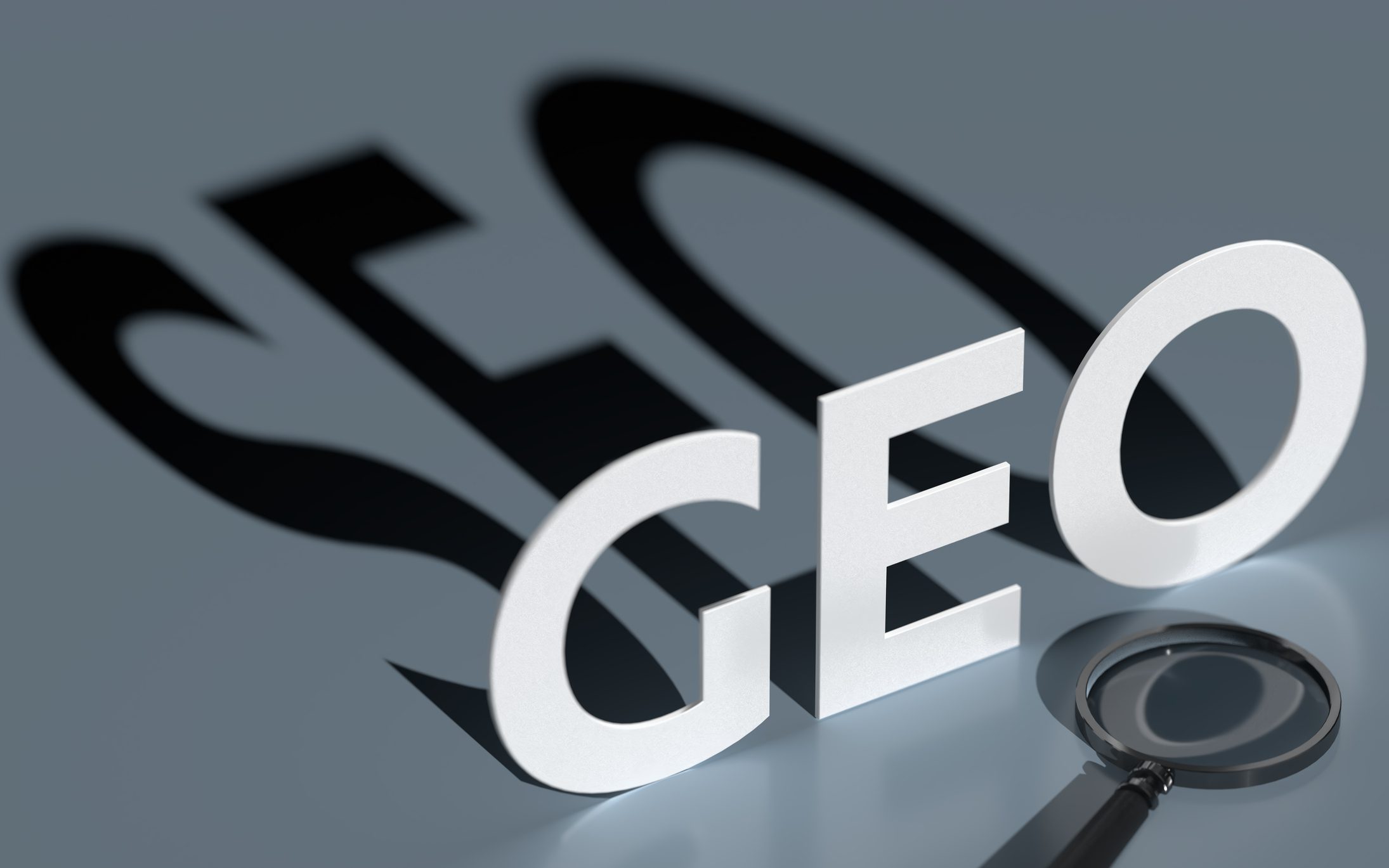
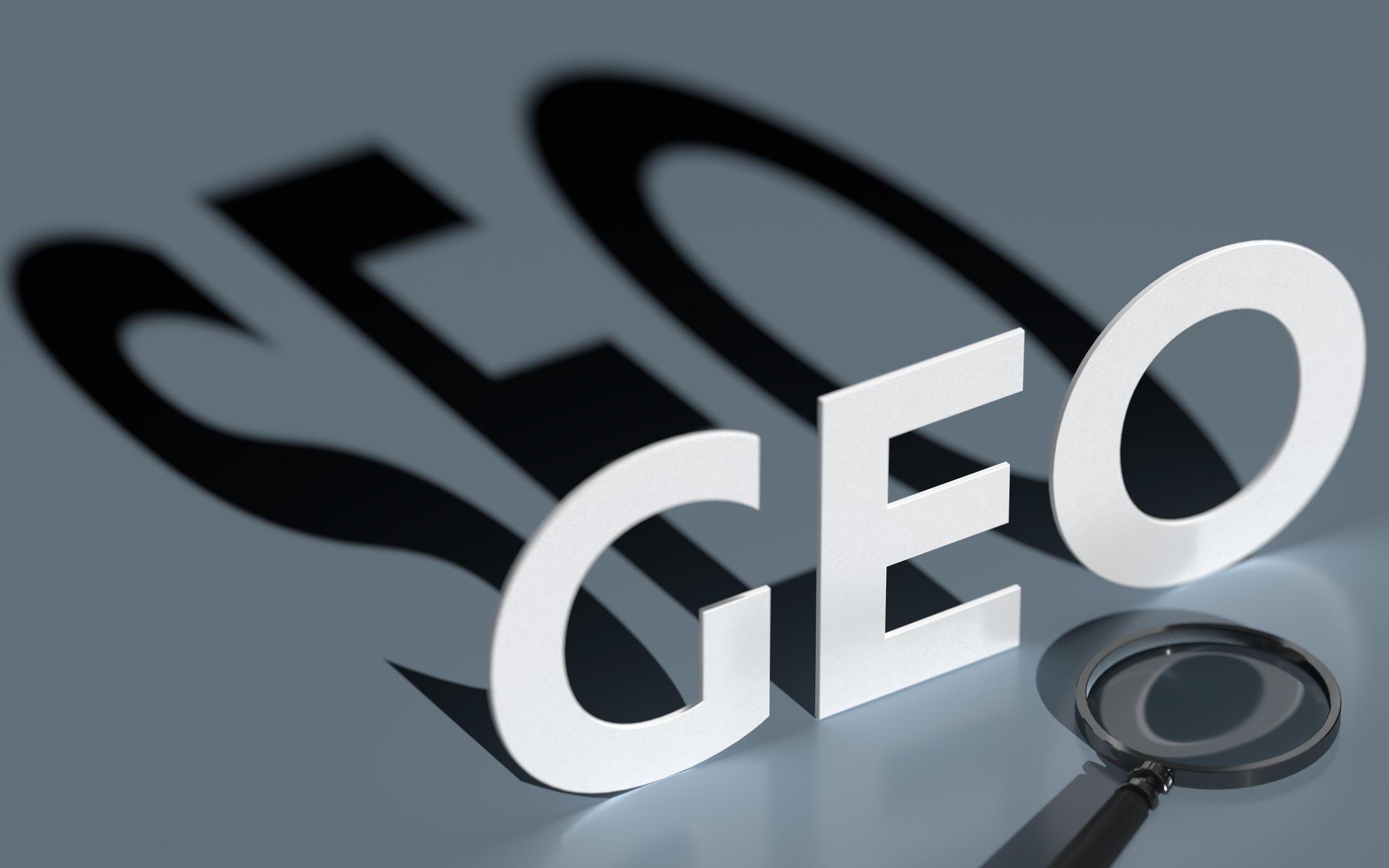



 Here’s something most marketing teams haven’t fully reckoned with yet: when someone asks ChatGPT, Perplexity, or Google’s AI Overview a question you should be answering, your brand may never appear — not because your content is bad, but because it isn’t structured in the way generative AI decides what to trust and quote.
That structural gap is exactly what generative engine optimization exists to close. And unlike a lot of digital marketing trends that require waiting six months to see results, the content decisions you make right now are already shaping whether AI models cite you or skip you.
This article breaks down what GEO actually is, which factors determine whether your content earns AI visibility, and how to build it into your strategy — not as an add-on, but as a foundation.
Here’s something most marketing teams haven’t fully reckoned with yet: when someone asks ChatGPT, Perplexity, or Google’s AI Overview a question you should be answering, your brand may never appear — not because your content is bad, but because it isn’t structured in the way generative AI decides what to trust and quote.
That structural gap is exactly what generative engine optimization exists to close. And unlike a lot of digital marketing trends that require waiting six months to see results, the content decisions you make right now are already shaping whether AI models cite you or skip you.
This article breaks down what GEO actually is, which factors determine whether your content earns AI visibility, and how to build it into your strategy — not as an add-on, but as a foundation.