




Most brands have spent years optimizing for search engines that rank pages by relevance and authority. A different kind of search is now shaping how buyers discover and decide. When someone asks an AI assistant a question in your market, the answer is a synthesized response, and the brands named in it were recognized by a language model trained to identify credible, consistently present sources. Generative engine optimization is the discipline of becoming one of those sources.
The Mechanics Behind AI-Generated Answers
Language models do not crawl the web in real time and rank results. They generate answers by drawing on patterns learned from large bodies of text — identifying sources that appear frequently, demonstrate clear expertise, and are referenced alongside credible information.
The question an LLM effectively asks is not “which page ranks highest?” but “which sources have I repeatedly seen associated with authority on this topic?” A brand can dominate page one of Google and still be invisible in AI-generated answers if its content has never given a language model reason to trust it. Generative engine optimization addresses exactly that gap.
What Generative Engine Optimization Means in Practice
Generative engine optimization is the practice of structuring your brand’s content, authority, and digital presence so that AI language models recognize, trust, and cite you when answering relevant questions.
Unlike traditional SEO — which focuses on keywords, links, and crawlability — GEO focuses on whether your content directly answers questions AI users ask, whether your brand appears credibly across the sources AI models draw from, and whether your expertise is structured in a way models can accurately extract and represent.
Three Content Strategies That Drive AI Citations
Lead with direct expertise, not keyword coverage: AI models surface brands that demonstrate specific, genuine knowledge. A single piece of content that goes deep on one well-defined question is more valuable for GEO than ten pieces that skim the surface. Publish original analysis, named expert perspectives, and content with a clear position.
Build citation-worthy assets: Original research, data studies, and proprietary frameworks give AI models something worth quoting. When your brand publishes data that other sources pick up or a framework that practitioners cite, you build a cross-source signal that tells a language model your brand is an authority in your topic area.
Structured content for AI extraction: Question-and-answer formats, clear heading hierarchies, and FAQ sections are the content structures language models parse most cleanly. Every page that answers a specific question directly is a GEO asset worth investing in.
The Brand Footprint Problem
AI models build a richer picture of brands that appear across many credible sources, not just one or two excellent ones. A single well-cited article creates a narrow signal. A brand appearing in expert roundups, industry publications, podcast transcripts, and partner sites builds a wide signal — and wide signals are what language models treat as genuine authority.
This is why digital PR and earned media are structural requirements for GEO, not nice-to-haves. Every credible mention expands your AI footprint and increases the probability that a language model will include you when a relevant question is asked.
How Nloop AI Accelerates Your GEO Strategy
Building an AI-optimized presence across content, authority, and footprint is a significant undertaking — and one that benefits from the right platform. Nloop AI combines AI-powered content intelligence with GEO-focused optimization tools that surface where you stand in AI-generated answers, what gaps exist, and how to close them systematically.
Whether you are starting your GEO journey from scratch or scaling what is working, Nloop AI makes AI visibility a measurable part of your marketing strategy. Start with Nloop AI today.
Frequently Asked Questions About Generative Engine Optimization
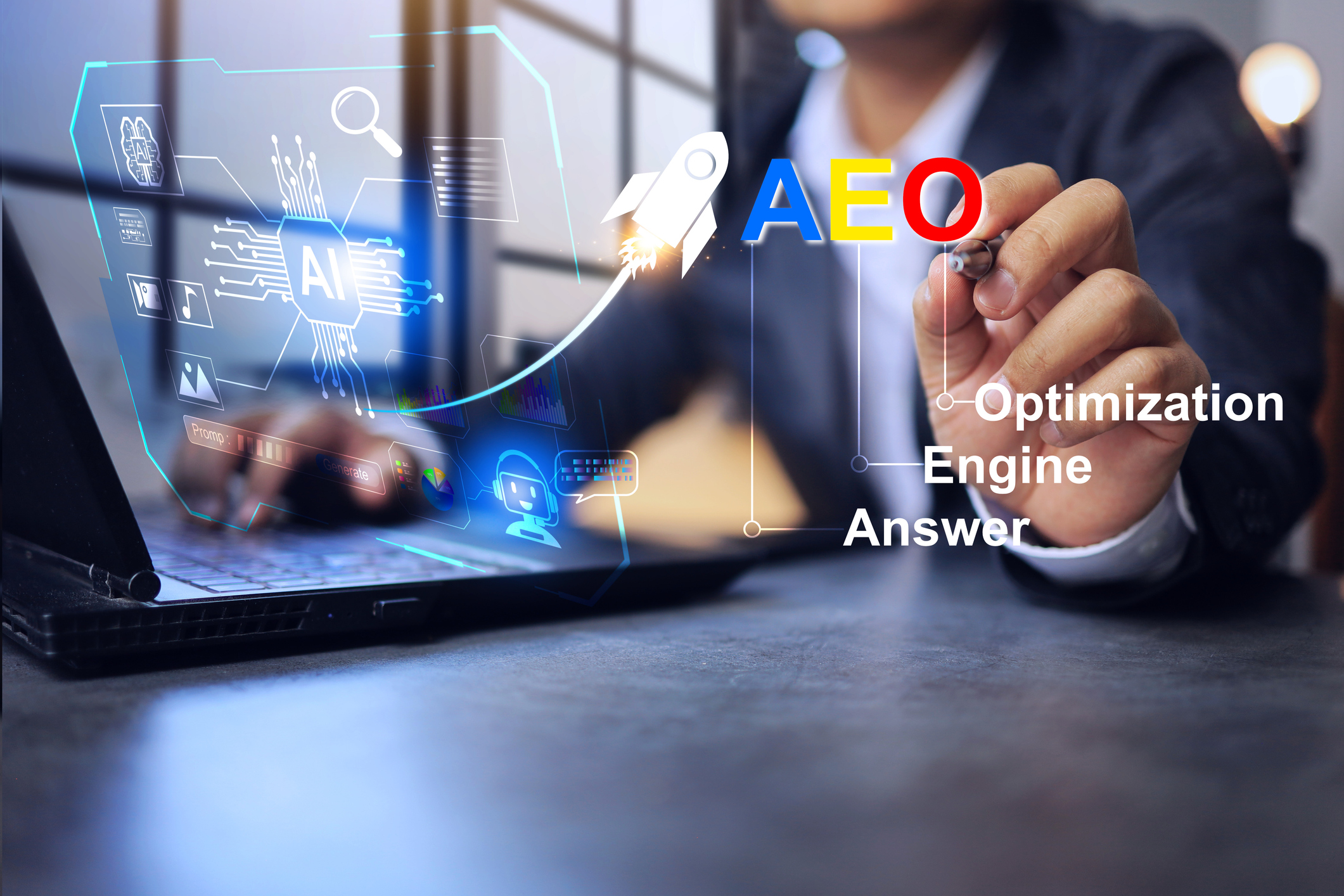
Q: How is GEO different from answer engine optimization (AEO)?
AEO targets featured snippets in traditional search engines. GEO targets AI tools like ChatGPT and Perplexity that synthesize full answers rather than returning ranked pages.
Q: Can small brands compete at GEO?
Yes. GEO rewards depth over volume, so a brand that owns a specific topic area with direct, clear content regularly outperforms larger competitors with broader but unfocused coverage.
Q: What content formats perform best for GEO?
FAQ content, original research, expert guides, and outcome-specific case studies perform well because they answer questions directly and are easy for language models to accurately extract.
Q: Does GEO apply to all AI tools, or just Google?
GEO targets all major AI surfaces — ChatGPT, Perplexity, Microsoft Copilot, and Google’s AI Overviews — with topical authority and source credibility working consistently across all of them.
Q: How do I measure whether my GEO efforts are working?
Track how often your brand appears when AI tools answer questions in your topic area, starting with manual audits and scaling with a dedicated GEO monitoring platform like Nloop AI.
 Search is no longer limited to ten blue links and a scrolling results page. Today, people are asking conversational questions and expecting immediate, synthesized answers. AI systems are deciding what information to surface, summarize, and recommend. This shift has created a new priority for brands that want to stay visible:
 Marketing leaders today face a tougher challenge than ever. Budgets are under scrutiny, channels are multiplying, and performance expectations keep rising. At the same time, AI is transforming how campaigns are planned, executed, and measured. Knowing
 Search is evolving fast, and digital marketing strategies must evolve with it. People are no longer just typing keywords into search engines. They are asking questions, comparing options, and relying on AI-generated answers to guide decisions. This shift is where
 Search is no longer just about ranking on a results page. By 2026, visibility will increasingly depend on how well your brand is understood by AI systems that generate answers, summaries, and recommendations. Businesses that want to stay competitive must move beyond traditional tactics and embrace
 Search is evolving from a list of links to a stream of answers. As generative AI systems interpret intent and deliver synthesized responses, brands must rethink how they earn visibility.
 Search is changing from a ranking game to a recognition game. When users ask questions in AI-powered interfaces, they often receive summarized answers instead of scrolling through pages of links. That shift has introduced a new visibility factor: brand mentions. Data across digital ecosystems increasingly shows that strong, consistent brand signals improve how often companies appear in AI-generated responses.
This is where
Search is changing from a ranking game to a recognition game. When users ask questions in AI-powered interfaces, they often receive summarized answers instead of scrolling through pages of links. That shift has introduced a new visibility factor: brand mentions. Data across digital ecosystems increasingly shows that strong, consistent brand signals improve how often companies appear in AI-generated responses.
This is where 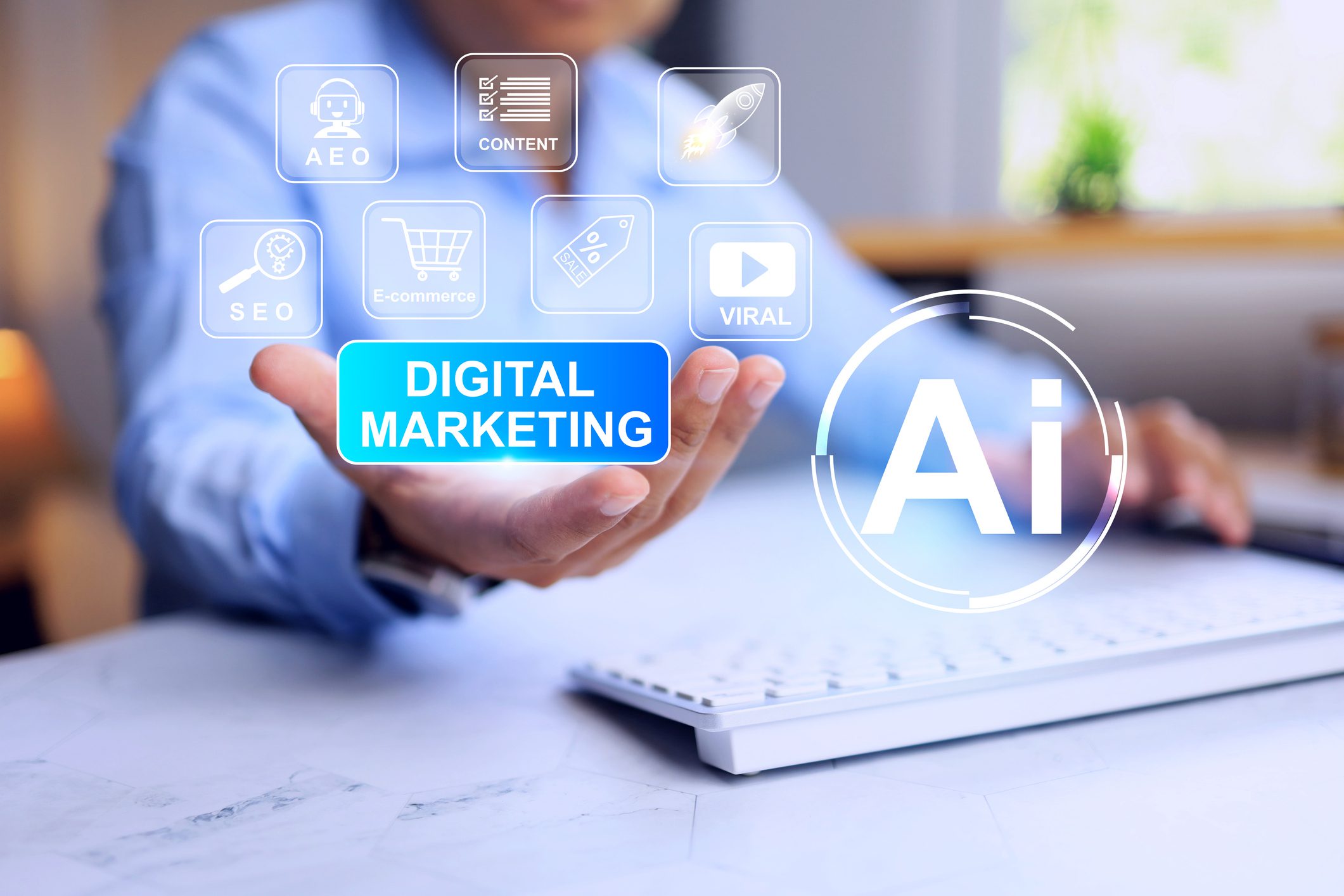
 Local marketing has always been about proximity, reputation, and trust. Now, with generative AI shaping how answers appear in search, local visibility depends on more than traditional rankings. When someone asks, “Who is the best roofer near me?” or “What’s the most reliable dentist in my area?” AI systems increasingly provide summarized responses instead of long lists of links.
To stay visible in those moments, businesses need a focused approach to
Local marketing has always been about proximity, reputation, and trust. Now, with generative AI shaping how answers appear in search, local visibility depends on more than traditional rankings. When someone asks, “Who is the best roofer near me?” or “What’s the most reliable dentist in my area?” AI systems increasingly provide summarized responses instead of long lists of links.
To stay visible in those moments, businesses need a focused approach to 
 Search is no longer just about ranking on page one. Today, many users receive summarized answers powered by generative AI before they ever click a link. That shift changes the definition of website success. Instead of asking, “How do I rank higher?” businesses must now ask, “How do I become the source AI trusts enough to cite?”
The answer lies in
Search is no longer just about ranking on page one. Today, many users receive summarized answers powered by generative AI before they ever click a link. That shift changes the definition of website success. Instead of asking, “How do I rank higher?” businesses must now ask, “How do I become the source AI trusts enough to cite?”
The answer lies in 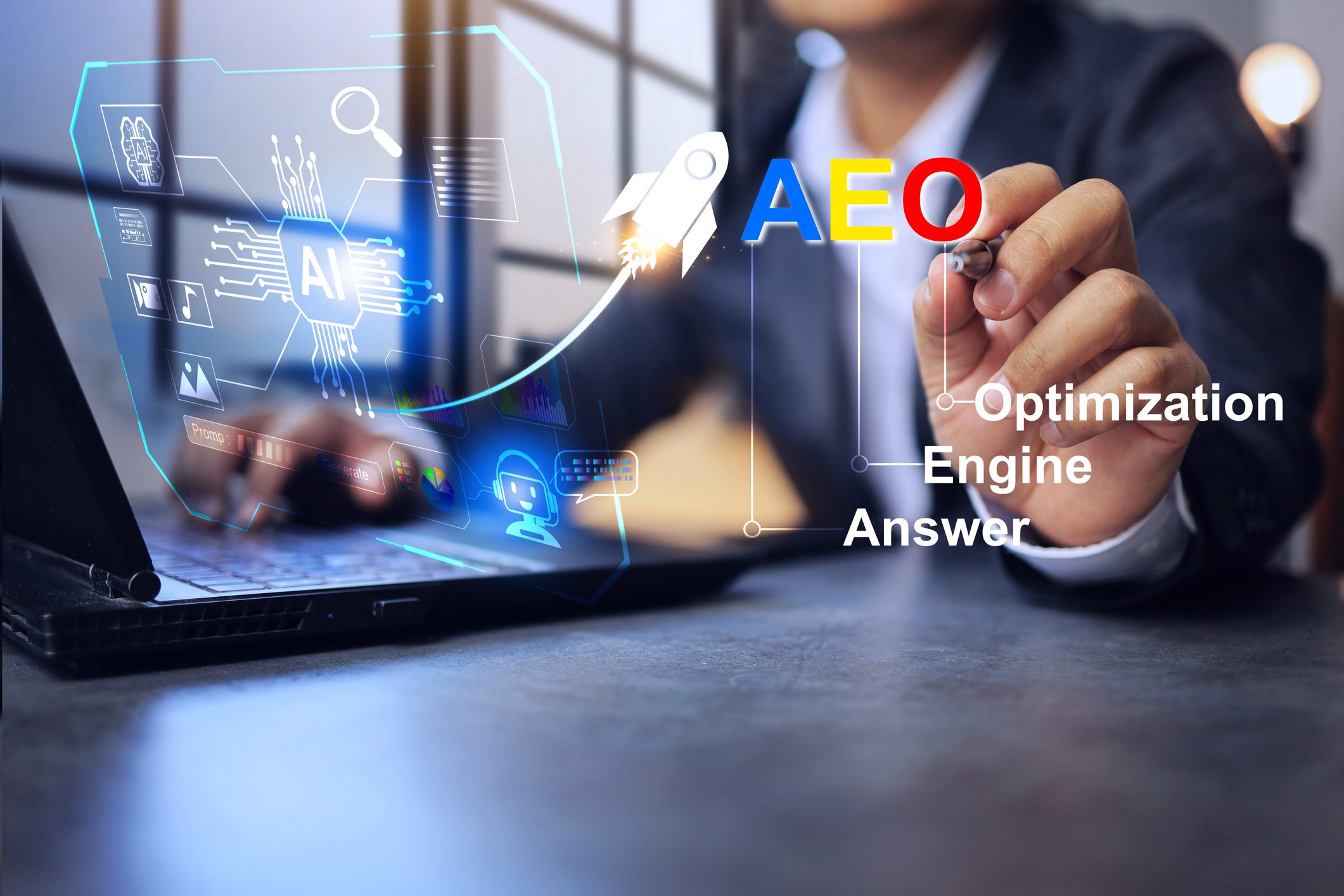
 Marketing has always evolved alongside technology. What feels different today is the speed and scale of change. Search engines are no longer just ranking pages. They are generating answers. Digital platforms are not simply indexing content. They are interpreting intent. As generative AI becomes the interface between users and information, a new priority has emerged: AI visibility.
For brands, this means that
Marketing has always evolved alongside technology. What feels different today is the speed and scale of change. Search engines are no longer just ranking pages. They are generating answers. Digital platforms are not simply indexing content. They are interpreting intent. As generative AI becomes the interface between users and information, a new priority has emerged: AI visibility.
For brands, this means that