



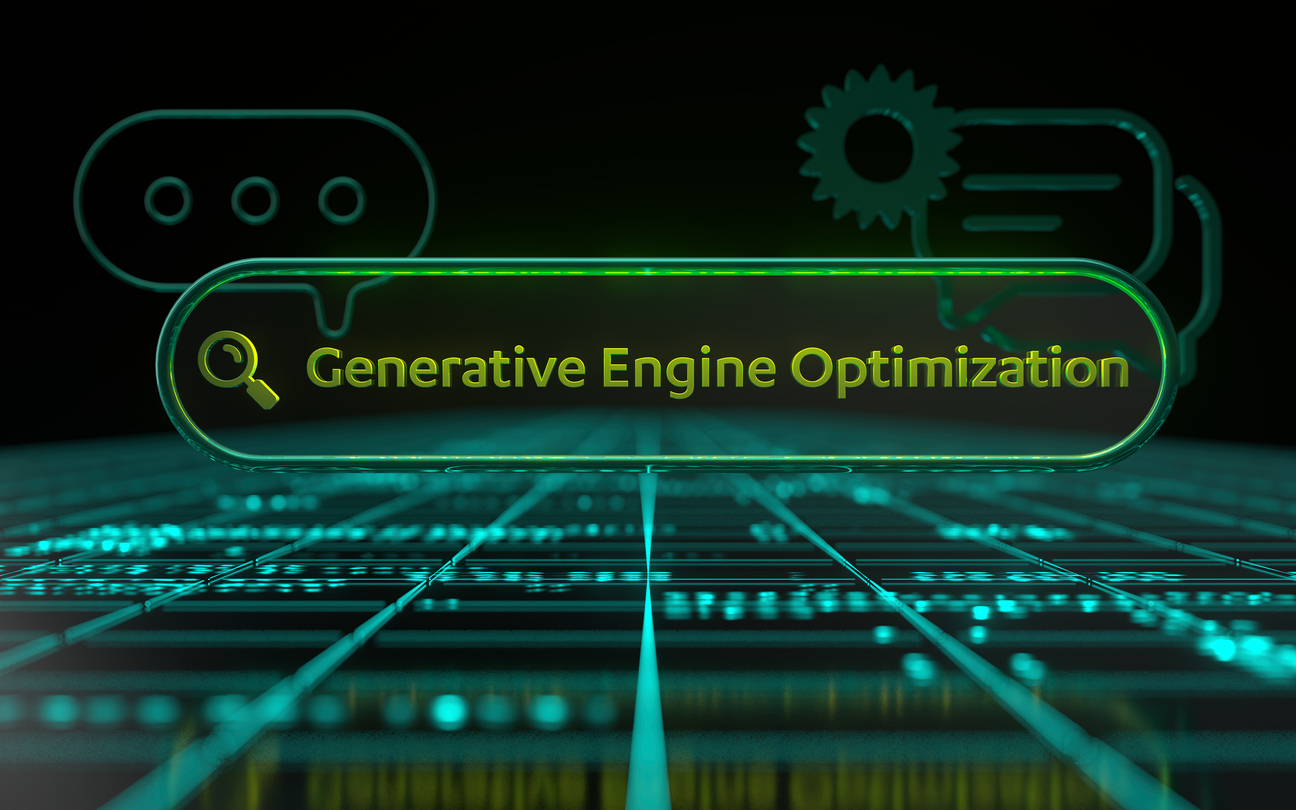
Search behavior is shifting faster than most businesses expected. As AI-powered answer engines like ChatGPT, Perplexity, Gemini, and Claude reshape how people find information online, a new search environment is emerging-one that prioritizes answers over links and context over ranking tricks. This transition is giving birth to a new discipline: Generative Engine Optimization, a strategic approach designed for a world where conversational AI guides user discovery.
Rather than optimizing solely for traditional search engines, brands now need to understand how AI models read, interpret, and synthesize information. The companies adapting early are gaining a competitive advantage because visibility within AI responses is quickly becoming as crucial as visibility on Google.
Understanding the Shift From Traditional Search Engine Optimization
For decades, Search engine optimization revolved around keywords, backlinks, crawlability, and ranking signals. While these fundamentals still matter, AI-driven platforms are bypassing the step-by-step journey from query to SERP to click. Instead, they digest massive amounts of data and generate direct answers.
This shift means the user no longer needs to click through multiple websites to find what they want. The model does the heavy lifting-analyzing content, summarizing insights, and presenting tailored responses.
That doesn’t make conventional SEO obsolete, but it does change its role. Google, Bing, and other search platforms still influence visibility, yet AI engines now depend on understanding, not just indexing. Your content must be interpretable by machines, not just optimized for algorithms.
Why AI Search Optimization Matters More Than Ever
AI Search Optimization focuses on making content understandable and valuable to generative models. These systems prioritize clarity, authority, structured information, and semantic relevance.
Here’s why businesses can’t afford to ignore it:
1. Answer Engines Are Becoming Primary Gatekeepers
Users increasingly ask AI systems everyday questions they once asked Google. If your brand isn’t represented in these responses, you lose visibility at the source.
2. AI Models Favor Deep, Contextual Content
Thin or repetitive content no longer stands a chance. Models reward comprehensive, factual, well-structured information that can be used in summaries, insights, or recommendations.
3. Conversational Queries Are Rising
People are beginning to search in natural language:
“Which software will help me automate my marketing workflow?” “How do you compare solar installation prices in my area?”
AI engines excel at interpreting natural language, making conversational query optimization essential.
4. Search Is Becoming Multi-Modal
AI systems process text, images, videos, PDFs, and structured data simultaneously. Brands with varied, rich content libraries perform better because they feed the model multiple points of understanding.
How Generative Engine Optimization Changes Content Strategy
Unlike traditional SEO, which is centered on ranking, Generative Engine Optimization is about information presence, clarity, and influence. Here’s how it shifts your content approach:
Semantic Depth Over Keyword Stuffing
AI models detect meaning, intent, and relational context. Content that thoroughly explains concepts, includes examples, reflects real expertise, and answers follow-up questions is far more valuable.
Structured Information Wins
Clear headers, bullet points, FAQs, step-by-step guides, comparison tables, and source signals help systems more easily extract meaning.
Brand Authority Matters
Answer engines weigh credibility. Brands that produce expert-level content, cite reputable sources, and maintain consistent domain themes are more likely to appear in responses.
Freshness Signals Influence AI Responses
Models trained or updated with real-time data prioritize timely insights. Consistent publishing, updating old content, and addressing trending topics increase your presence.
The Role of Digital Marketing in the New Search Landscape
As AI transforms how people discover information, digital marketing strategies must evolve. Brands can no longer rely on ranking alone-they must actively shape how AI understands their identity, offerings, and expertise.
1. Multi-Channel Presence Strengthens AI Understanding
AI models take signals from websites, social platforms, articles, videos, podcasts, and public data. A strong digital footprint increases your likelihood of being recommended.
2. Reputation Influences Generated Answers
User reviews, community discussions, and third-party mentions help AI engines determine trustworthiness.
3. Storytelling Still Matters
While machines analyze data, humans respond to emotion. Good digital marketing blends facts and narrative, helping AI engines interpret context while keeping content appealing to readers.
How a Digital Marketing Agency Can Support AI-Driven Search Growth
A forward-thinking digital marketing agency can play a pivotal role in navigating this new AI-first landscape. Agencies are now expected to understand both traditional search dynamics and emerging generative search behaviors.
They can help businesses:
- Identify content gaps that AI engines may misinterpret or ignore
- Create semantic-rich, multi-layered content
- Build topical authority clusters
- Implement structured data that AI depends on
- Improve brand signals across digital ecosystems
- Strengthen E-E-A-T attributes (experience, expertise, authority, trust)
An agency embracing machine-readable content strategies will give businesses a massive competitive edge as answer engines continue reshaping search behaviors.
Building a Stronger Presence With AI Search Optimization Techniques
To succeed in the era of generative answers, businesses should integrate several tactical approaches.
1. Optimize for Conversational and Intent-Driven Queries
Anticipate follow-up questions. Include clarifications, examples, and deeper explanations within your content.
2. Strengthen Topical Authority
Cluster content around key expertise themes. AI engines reward subject-matter depth rather than scattered topics.
3. Use Structured Data Everywhere
Schema markup, FAQ formats, bullet lists, and glossary elements help engines identify and reuse your content more accurately.
4. Create Content That AI Models Want to Reference
Well-researched articles, guides, insights, and original data stand out. Thin content disappears.
5. Publish Multi-Format Assets
Video explanations, infographics, transcripts, and downloadables give AI more signals to learn from.
6. Demonstrate Real-World Experience
Models prefer actionable advice backed by practice, evidence, or professional expertise.
Why Generative Engine Optimization Requires Continuous Adaptation
AI engines evolve rapidly. New models, updated training datasets, and changing behavior patterns mean your content environment is always in flux. That’s why businesses must treat this as an ongoing practice-not a one-time strategy.
You must monitor:
- How your brand appears in AI-generated responses
- Shifts in traffic from chat-based tools
- Opportunities to increase expertise signals
- New content formats are being favored
- Emerging user search patterns
The businesses that track, test, and adapt regularly will maintain a strong presence as the ecosystem evolves.
How Nloop AI Can Accelerate Growth in the AI-Driven Search Era
Modern businesses need more than traditional SEO-they need intelligent systems that evolve as search transforms. That’s where Nloop AI becomes a powerful ally. Using advanced automation, data-driven insights, and AI-optimized content strategies, Nloop AI helps brands strengthen their presence across both conventional search engines and AI-powered answer engines.
Its adaptive approach enables companies to build authority faster, refine semantic content quality, deploy multi-format assets, and ensure their expertise is easily recognized by generative models. Whether you’re scaling a growing brand or redefining your digital identity, Nloop AI offers the precision, speed, and intelligence needed to thrive in a rapidly changing search world.
Prepare for the New Search Ecosystem Now
The rise of AI-powered answer engines is fundamentally reshaping how people discover information, evaluate brands, and make buying decisions. Businesses that embrace Generative Engine Optimization early will lead the next era of visibility, influence, and digital growth.
If you’re ready to strengthen your presence across AI-driven search platforms and ensure your brand is recognized by the systems shaping tomorrow’s discovery patterns, now is the time to act.
Start your transformation with Nloop AI today and unlock your brand’s next wave of intelligent growth.
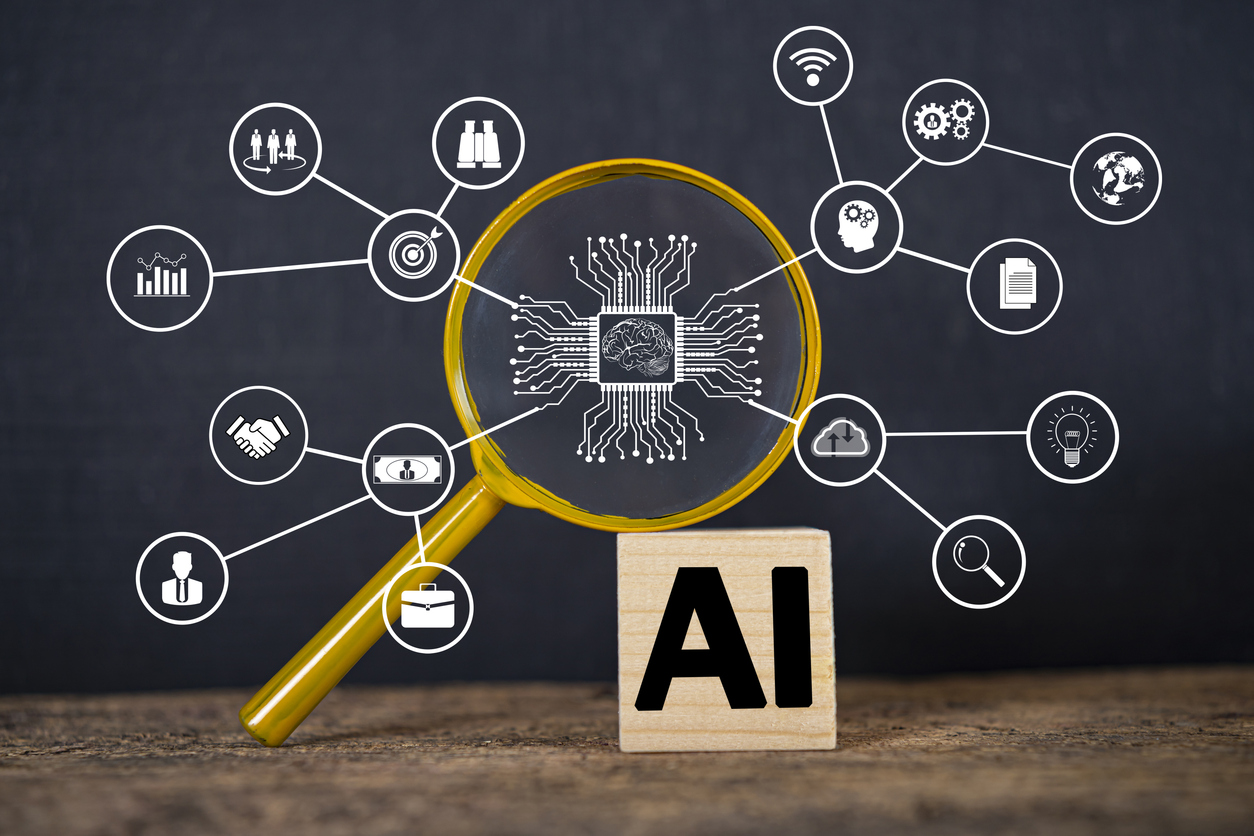
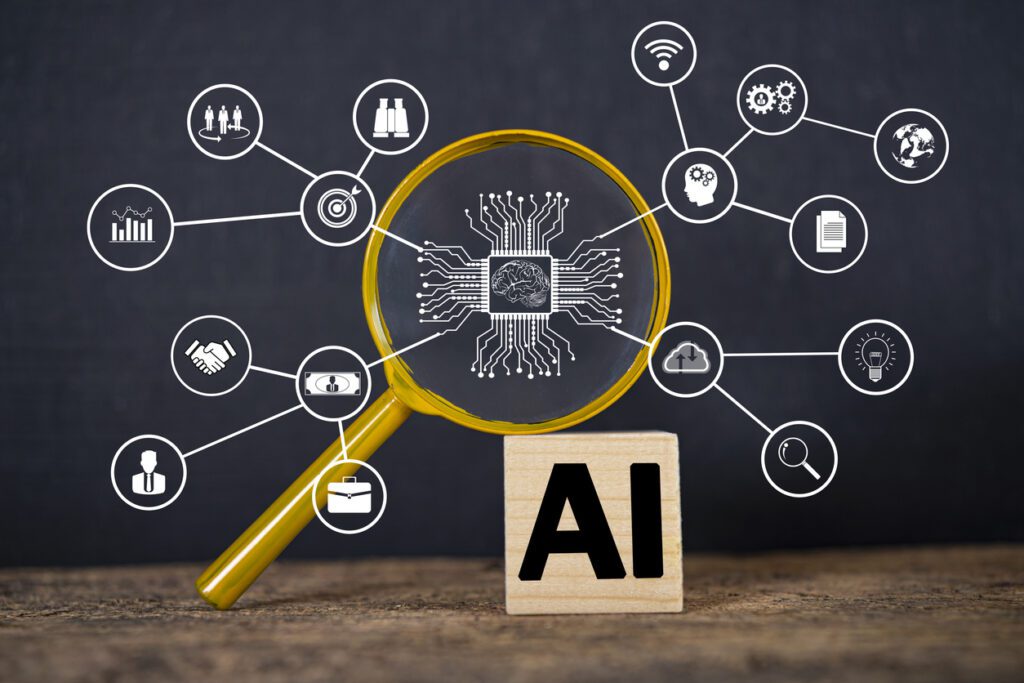 Artificial intelligence has completely rewritten the rules of search. Consumers no longer rely solely on traditional search engines—they ask AI assistants, chat interfaces, voice devices, and visual search tools for answers. Digital brands face a new challenge: staying visible in a world where AI chooses what to surface.
This shift has given rise to a powerful new toolkit inside every competitive digital marketing agency: Retrieval-Augmented Generation (RAG), autonomous AI agents, and a new discipline known as
Artificial intelligence has completely rewritten the rules of search. Consumers no longer rely solely on traditional search engines—they ask AI assistants, chat interfaces, voice devices, and visual search tools for answers. Digital brands face a new challenge: staying visible in a world where AI chooses what to surface.
This shift has given rise to a powerful new toolkit inside every competitive digital marketing agency: Retrieval-Augmented Generation (RAG), autonomous AI agents, and a new discipline known as