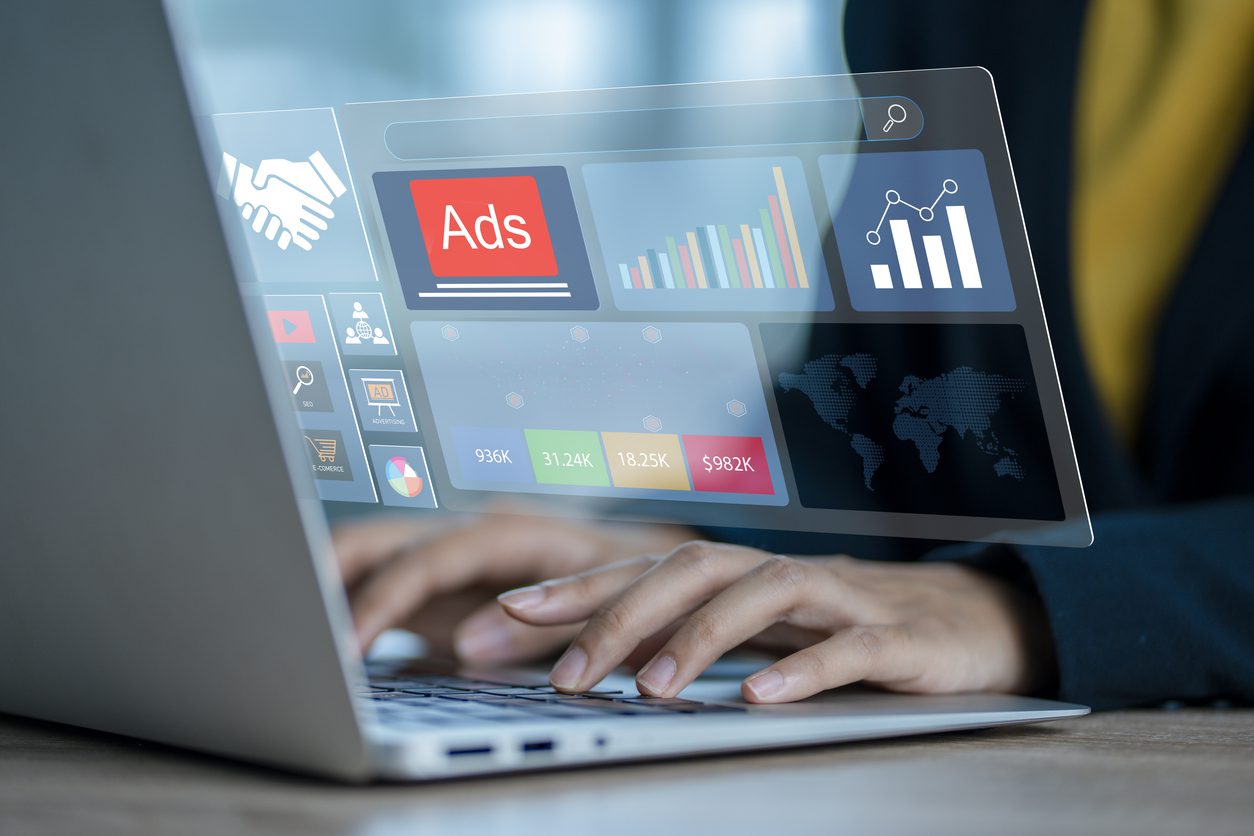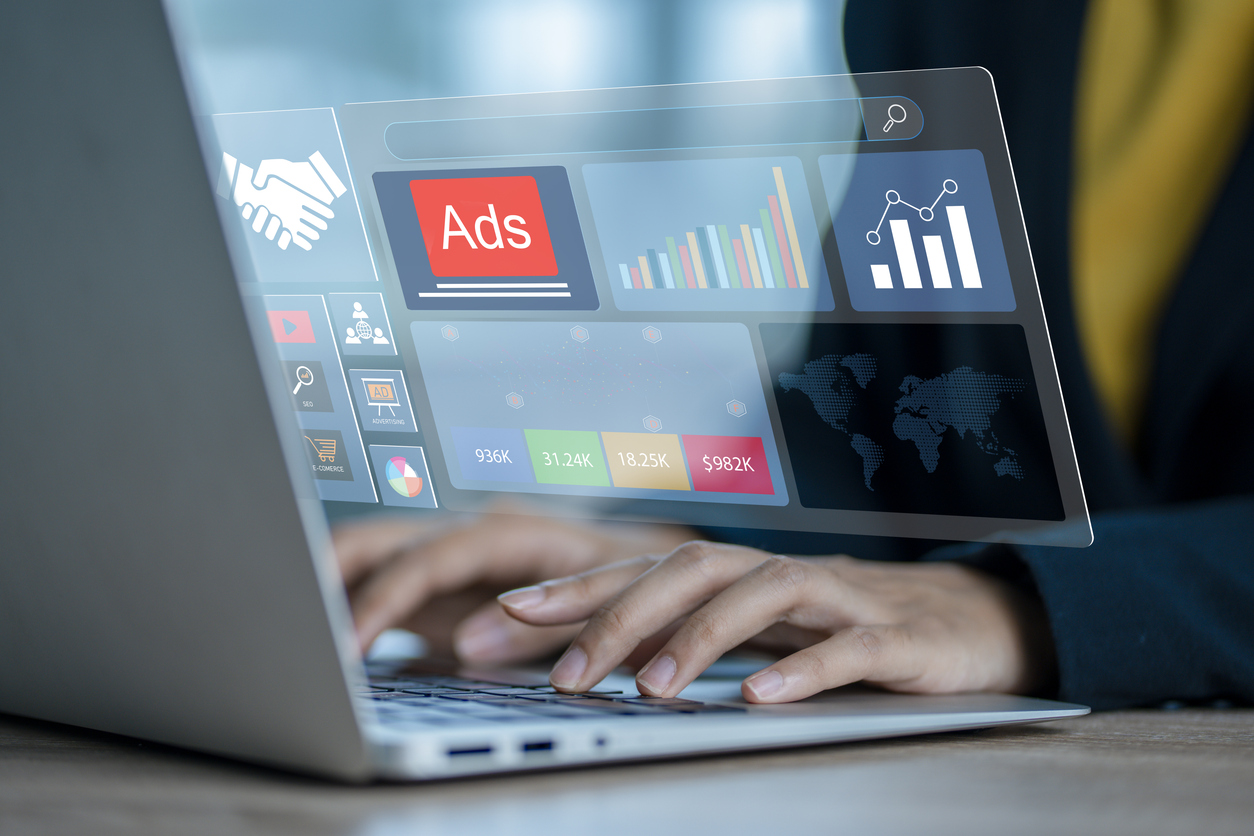




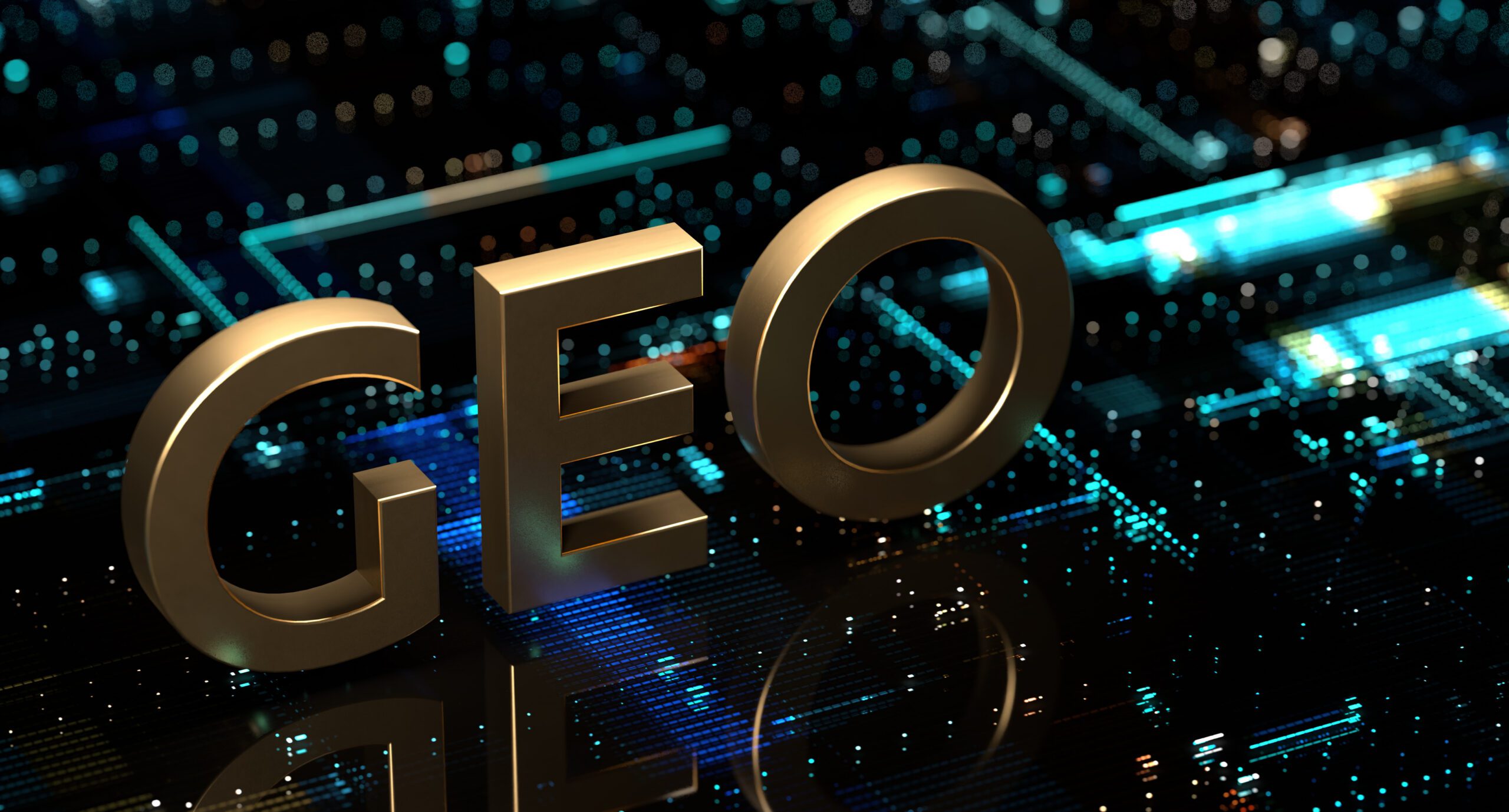
 Search is no longer just about ranking on a results page. By 2026, visibility will increasingly depend on how well your brand is understood by AI systems that generate answers, summaries, and recommendations. Businesses that want to stay competitive must move beyond traditional tactics and embrace generative engine optimization as a core part of their digital marketing strategy.
This is not a trend. It is a structural shift in how information is discovered, processed, and delivered.
Search is no longer just about ranking on a results page. By 2026, visibility will increasingly depend on how well your brand is understood by AI systems that generate answers, summaries, and recommendations. Businesses that want to stay competitive must move beyond traditional tactics and embrace generative engine optimization as a core part of their digital marketing strategy.
This is not a trend. It is a structural shift in how information is discovered, processed, and delivered.
Tag: digital marketing agency
-

Future Ready GEO Strategies to Increase AI Visibility in 2026
Search is no longer just about ranking on a results page. By 2026, visibility will increasingly depend on how well your brand is understood by AI systems that generate answers, summaries, and recommendations. Businesses that want to stay competitive must move beyond traditional tactics and embrace generative engine optimization as a core part of their digital marketing strategy.
This is not a trend. It is a structural shift in how information is discovered, processed, and delivered.
-
A Practical Introduction to Generative Engine Optimization for Business Owners
Business owners have always relied on visibility to grow. If customers can’t find your business online, they can’t buy from you. For years, traditional search engine optimization focused on ranking web pages in search results. But search behavior is evolving. Instead of browsing through lists of links, many users now rely on answers generated by generative AI.
This change means businesses need a new approach to visibility. That approach is generative engine optimization. GEO helps companies ensure that their information appears in AI-generated responses and summaries. Understanding how it works can help business owners stay competitive in a rapidly changing digital marketing environment.
What Generative Engine Optimization Means for Businesses
Generative engine optimization is the practice of structuring content so that AI-powered search systems can understand, summarize, and reference it. Unlike traditional SEO, GEO focuses on making information easy for AI models to interpret. When someone asks a question through an AI search interface, the system looks for reliable, clearly structured answers. Businesses that adopt GEO strategies can benefit in several ways:- Greater visibility in AI-generated responses
- Increased brand authority through credible content
- Improved engagement with customers seeking quick answers
How Generative AI Changes Search Behavior
Generative AI tools analyze user questions and create responses based on trusted information sources. Instead of clicking multiple links, users often read a summary generated by the AI. For example, if someone searches for “How do I start a small online business?” the AI may produce a step-by-step explanation drawn from several sources. This means that businesses must focus not only on ranking but also on being referenced. A well-structured explanation or guide may appear in the AI response even if the user never visits the website directly. For business owners, this highlights the importance of thoughtful digital marketing strategies that adapt to AI-driven search.Creating Content That AI Systems Understand
Content structure plays a major role in generative engine optimization. AI systems look for information that is easy to extract and summarize. To improve visibility, businesses should:Use Clear Question-Based Headings
Structure content around real customer questions, such as:- What services does this business provide?
- How does this product solve a problem?
Provide Direct Answers First
Start each section with a concise explanation, followed by deeper insights and examples.Organize Information With Bullet Points
Bullet points help both readers and AI systems quickly identify key information. This structured approach increases the likelihood that your content will appear in AI-generated summaries.Why Quality Content Matters More Than Ever
Generative AI systems prioritize reliable and informative sources. Content that demonstrates expertise is more likely to be cited. Business owners can strengthen their authority by:- Sharing practical insights based on real experience
- Publishing detailed guides or tutorials
- Providing industry data or research findings
- Updating content regularly to maintain accuracy
The Role of Brand Authority in GEO
Authority signals influence whether AI systems consider your content trustworthy. Important signals include:- Positive reviews and testimonials
- Mentions in reputable publications
- Consistent business information across directories
- Thought leadership articles and expert commentary
Using AI Tools to Improve Strategy
Generative AI can also help businesses understand their audiences and identify new opportunities. AI-driven insights can reveal:- Popular search questions in your industry
- Emerging topics customers care about
- Competitor content gaps
- Patterns in customer engagement
How Nloop AI Can Support Your Growth
Adapting to AI-driven search requires the right tools and insights. Nloop AI helps businesses analyze trends, optimize content structures, and align their strategies with modern search technologies. By combining advanced analytics with practical guidance, companies can improve their visibility and build stronger connections with their audiences. This approach allows business owners to stay competitive while focusing on what they do best—running and growing their businesses.Frequently Asked Questions
What is generative engine optimization?
Generative engine optimization is the process of structuring content so that generative AI systems can interpret and reference it in search responses.How does generative AI affect search results?
Generative AI creates summarized answers based on multiple sources rather than displaying only a list of links.Why should business owners care about GEO?
Because AI-powered search tools are becoming a primary way customers find information online.Can small businesses benefit from GEO strategies?
Yes. Even smaller businesses can gain visibility if they provide clear, well-structured information.Should businesses rely completely on AI-generated content?
No. AI should assist with research and analysis, but human editors should refine and personalize final content. Search technology is entering a new era where AI-generated answers influence how customers discover businesses. By learning the basics of generative engine optimization, business owners can adapt their digital marketing strategies and remain visible in this evolving landscape. The key is simple: provide clear, helpful information that demonstrates real expertise. When your content answers the questions people ask, both search engines and AI systems will recognize your value. -
How to Scale a Digital Media Business Profitably with Smarter Systems
Why Growth Alone Isn’t Enough in Digital Marketing
Expanding a digital media business sounds exciting—more clients, bigger budgets, wider reach. But growth without control often leads to inefficiencies, rising costs, and inconsistent results. Many agencies reach a point where scaling becomes harder than starting. To move forward sustainably, businesses need structured agency marketing solutions that balance performance with profitability. This means refining operations, improving visibility, and aligning strategies with how modern platforms—especially AI-driven ones—evaluate content and brands.The New Role of AI in Digital Media Management
Digital marketing has entered a phase where artificial intelligence influences not only campaign performance but also brand discovery. Understanding how AI engines decide which sources to cite is now critical for agencies managing multiple clients. AI systems prioritize:- Clear, structured, and reliable information
- Consistent brand signals across platforms
- Content that directly answers user intent
- Sources with strong credibility and engagement
Building Strong Agency Marketing Solutions for Scalable Growth
Scaling profitably starts with a solid operational foundation. Effective agency marketing solutions are designed to reduce inefficiencies while improving output quality.Key elements of a scalable system:
- Standardized workflows: Ensure consistency across campaigns
- Centralized data management: Keep insights accessible and actionable
- Automated reporting: Save time while maintaining transparency
- Performance-driven decision-making: Focus on what actually delivers results
Real-Time Information for Advertisers: A Competitive Advantage
Speed matters in digital marketing. Access to real-time information for advertisers allows agencies to respond quickly to changes in user behavior, platform algorithms, and market trends.Benefits of real-time data:
- Immediate campaign optimization
- Faster identification of high-performing channels
- Better budget allocation
- Improved client reporting and transparency
AI Brand Mentions: The New Measure of Visibility
Traditional metrics like impressions and clicks are still important, but AI brand mentions are becoming a new indicator of success. When AI platforms reference your brand in responses, it signals authority and trust.How to increase AI brand mentions:
- Publish high-quality, informative content regularly
- Maintain consistent branding across all channels
- Build authority through thought leadership and insights
- Encourage engagement and positive user interactions
Optimizing Content for AI and Human Audiences
One of the biggest challenges in scaling a digital media business is creating content that works for both people and machines. The goal is to make information easy to understand, valuable, and structured.Practical content strategies:
- Use conversational language that matches how users ask questions
- Provide clear, concise answers at the beginning of sections
- Organize information with headings and bullet points
- Add depth with examples, insights, and actionable tips
Streamlining Operations Without Losing Creativity
Efficiency is essential for scaling, but creativity is what drives results. Agencies must find a balance between automation and human input.How to maintain this balance:
- Automate repetitive tasks like reporting and data collection
- Use AI for research and trend analysis
- Keep creative strategy and messaging human-led
- Regularly review and refine processes
How Nloop AI Helps Agencies Scale Smarter
For agencies aiming to grow without increasing complexity, Nloop AI offers a more intelligent way to manage operations. Instead of juggling multiple tools and manual workflows, it brings together automation, data analysis, and execution into a unified system. This allows teams to streamline processes, gain deeper insights, and focus on high-impact strategies. By reducing inefficiencies and improving decision-making, Nloop AI enables agencies to scale their digital media business while maintaining profitability and performance.Turning Data Into Actionable Growth Strategies
Data is only valuable if it leads to action. Agencies must move beyond collecting metrics and focus on using insights to drive decisions.Steps to make data actionable:
- Identify patterns in campaign performance
- Test and refine strategies based on results
- Align data insights with client goals
- Continuously optimize for better outcomes
Preparing for the Future of Digital Marketing
The digital marketing landscape is evolving rapidly, with AI playing a larger role in how content is discovered and consumed. Agencies that adapt to these changes will have a significant advantage.Future-focused priorities:
- Invest in AI-friendly content strategies
- Strengthen brand authority and trust signals
- Use data to anticipate trends and opportunities
- Build flexible systems that can adapt to change
Frequently Asked Questions
What are agency marketing solutions?
They are structured systems and strategies designed to improve efficiency, performance, and scalability in digital marketing operations.Why are AI brand mentions important?
They indicate that your brand is recognized as a reliable source by AI platforms, increasing visibility and credibility.How does real-time information benefit advertisers?
It allows for faster decision-making, better optimization, and improved campaign performance.How do AI engines decide which sources to cite?
They prioritize content that is clear, structured, credible, and aligned with user intent.Can agencies scale without automation?
It is possible, but automation significantly improves efficiency and makes scaling more sustainable.Build a Smarter Path to Profitable Growth
Scaling a digital media business requires more than increasing output—it demands smarter systems, better insights, and a focus on long-term value. By implementing effective agency marketing solutions, leveraging real-time information for advertisers, and optimizing for AI brand mentions, agencies can achieve sustainable growth. Tools like Nloop AI make it easier to streamline operations and unlock new opportunities. If you’re ready to improve efficiency, enhance visibility, and scale profitably, now is the time to take action. Start transforming your digital media business today with smarter strategies and the right technology to support your growth. -
Media Investments: Made Easy with Nloop AI
Picture a marketing world where every dollar spent on ads tells you exactly what it’s doing—right now. That’s the promise of smart media investments, where technology cuts through complexity to deliver clarity. For businesses wrestling with fragmented ad platforms and endless data streams, tools like Nloop AI simplify the chaos. Through innovative agency marketing solutions, companies gain real-time information for advertisers, turning guesswork into growth. This approach doesn’t just optimize spending; it redefines how brands connect in the digital marketing landscape.
Why Media Investments Feel Overwhelming (And How to Fix It)
Business owners often face a barrage of choices: social media ads, display networks, streaming platforms, and search campaigns. Each channel demands different strategies, budgets, and metrics. Traditional planning relies on historical data, but today’s media investments evolve hourly as audience behaviors shift. The fix lies in platforms bridging this gap. Agency marketing solutions provide unified dashboards consolidating performance across channels. Instead of juggling ten spreadsheets, marketers see one source of truth. AI brand mentions tracking reveals how campaigns influence conversations, while real-time information for advertisers enables mid-flight adjustments. Suddenly, a $10,000 TV buy competes fairly against $1,000 TikTok experiments.Streamlining Agency Marketing Solutions for Smarter Spending
Agency marketing solutions traditionally meant hefty retainers and quarterly reports. Modern iterations flip this script, offering self-service platforms with enterprise-grade analytics. Marketers access predictive modeling showing ROI before launch, not after. Consider cross-platform allocation. A fashion brand might split media investments 40% social, 30% search, 20% streaming, 10% display. Digital marketing tools recalibrate daily based on conversion signals. When Instagram engagement spikes among 25-34 females, budgets shift automatically. Real-time information for advertisers prevents overspending on underperforming channels, boosting efficiency 25-40%.Decoding AI Brand Mentions for Authentic Impact
AI brand mentions move beyond vanity metrics. Traditional sentiment analysis counts likes; AI parses context, identifying purchase intent within casual conversations. A skincare campaign might track “glowy skin” mentions correlating to sales spikes. This intelligence fuels media investments. Platforms analyze competitor mentions, revealing white space opportunities. If Brand A dominates “summer wedding makeup” but ignores “mature skin foundation,” smart advertisers pivot. Agency marketing solutions integrate these insights, ensuring digital marketing dollars chase genuine demand, not manufactured buzz.Real-Time Information for Advertisers: The Game-Changing Edge
Speed defines modern digital marketing. Real-time information for advertisers delivers campaign performance within minutes, not days. Platforms show granular metrics: click quality, bounce rates, time-on-site, and even cart abandonment patterns. Budget optimization becomes dynamic. When cost-per-acquisition drops 18% on YouTube Shorts, systems shift funds from static banner ads. Media investments gain agility, responding to trends like viral audio or emerging influencers. Advertisers sleep better knowing algorithms guard against fraud, blocking 30% of suspicious traffic automatically.Building Smarter Media Investments Through Data Layers
Effective media investments stack multiple data streams:- Audience Signals: Demographics, interests, purchase history
- Performance Metrics: CTR, CVR, ROAS across touchpoints
- Competitive Intelligence: Share of voice, ad positioning
- Economic Factors: Seasonality, CPI fluctuations
Navigating Digital Marketing Complexity with Confidence
Digital marketing spans programmatic, social commerce, connected TV, and zero-party data platforms. Media investments succeed through specialization within unification. Platforms handle 500+ DSP integrations while surfacing simple recommendations: “Increase YouTube budget 15%, pause LinkedIn carousel ads.” AI brand mentions enhance creative testing. A/B variations launch across platforms; real-time information for advertisers identifies winners within hours. High-performing ad copy scales automatically, while underperforming ad copy pauses. This Darwinian approach maximizes lifetime value per impression.The Cost of Inaction: What Poor Media Investments Really Cost
Businesses losing 20-30% efficiency on suboptimal media investments face hidden expenses:- Wasted Ad Spend: $30,000 annual leakage on mistimed campaigns
- Opportunity Losses: Missing seasonal peaks, competitor gaps
- Brand Dilution: Poor creative damages reputation
- Talent Drain: Marketers quitting complex platforms
How Nloop AI Transforms Business Trajectories
Nloop AI redefines growth acceleration by merging predictive analytics with intuitive interfaces, making sophisticated media investments approachable for any size business. Its seamless integration surfaces real-time information for advertisers through visual dashboards that highlight opportunities invisible to traditional tools. Companies leveraging this technology report 35% faster campaign scaling and 28% improved customer acquisition costs, proving that strategic tech partnerships amplify market presence exponentially.Media Investments FAQ: Quick Answers for Busy Marketers
What makes modern agency marketing solutions different from traditional approaches?
Agency marketing solutions now offer self-service platforms with AI-driven insights, replacing manual planning with predictive optimization and real-time information for advertisers.How do AI brand mentions improve media investments?
AI brand mentions track conversational influence, revealing purchase intent and competitive gaps that inform smarter digital marketing budget allocation.Why is real-time information critical for advertisers?
Real-time information for advertisers enables mid-campaign adjustments, preventing overspend and capturing fleeting opportunities in fast-moving media investments.Can small businesses benefit from advanced media investment platforms?
Absolutely. Modern agency marketing solutions scale pricing to revenue, delivering enterprise analytics to startups alongside Fortune 500 tools.How quickly do media investment platforms show ROI?
Most platforms demonstrate 15-25% efficiency gains within the first 90 days through automated optimization and AI brand mentions intelligence.Ready to Simplify Your Media Investments?
Smart media investments separate thriving brands from struggling ones. Agency marketing solutions powered by real-time information for advertisers eliminate guesswork, maximize returns, and scale growth. Whether refining digital marketing strategies or amplifying AI brand mentions, the right platform transforms complexity into a competitive advantage. Start optimizing today. Explore Nloop AI’s intuitive dashboard and unlock media investments that work harder while you focus on growth. Your next campaign breakthrough waits. -
How to Measure Success and ROI in Generative Engine Optimization
Why Measuring GEO Performance Is More Complex Than Traditional SEO
Tracking performance used to be straightforward. You measured rankings, clicks, and traffic, and you had a clear picture of what was working. But with AI-driven search, things have changed. Users now get answers directly from AI tools, often without clicking through to a website.
This shift makes generative engine optimization harder to measure—but also more important. Businesses must look beyond traditional metrics and focus on how their brand appears, influences, and converts within AI-generated responses.
Understanding Measuring Success and ROI in Generative Engine Optimization
Measuring success and ROI in generative engine optimization requires a broader perspective. It’s not just about traffic—it’s about visibility, trust, and influence.
What success looks like in GEO:
- Your brand is mentioned in AI-generated answers
- Users recognize and trust your brand
- Content influences decisions before clicks happen
- Engagement improves across channels
ROI is no longer tied only to direct conversions—it includes brand exposure and authority.
How AI Engines Decide Which Sources to Cite
To measure performance effectively, you need to understand how AI engines decide which sources to cite. These systems evaluate content differently from traditional search engines.
Key factors include:
- Clarity and structure of information
- Relevance to the user’s query
- Authority and trustworthiness of the source
- Consistency of brand messaging
If your content aligns with these factors, it’s more likely to be referenced, which directly impacts your visibility.
Key Metrics for Generative Engine Optimization Success
Measuring GEO requires tracking a mix of traditional and new metrics.
1. AI Brand Mentions
AI brand mentions are one of the most important indicators of success.
Track:
- Frequency of mentions across AI platforms
- Context in which your brand is referenced
- Comparison with competitors
More mentions typically mean higher authority.
2. Assisted Traffic and Engagement
Even if users don’t click immediately, AI visibility often leads to indirect traffic.
Measure:
- Branded search growth
- Direct traffic increases
- Engagement metrics on key pages
These signals show how AI exposure influences user behavior.
3. Content Performance in AI Context
Evaluate how well your content performs when interpreted by AI systems.
Look for:
- Pages with strong engagement
- Content that answers specific questions
- High retention rates
This helps identify which topics and formats work best.
4. Conversion Quality
Focus on the quality of leads rather than just volume.
Track:
- Conversion rates from AI-influenced traffic
- Customer intent and readiness
- Revenue generated from high-intent users
Better visibility often leads to better-qualified leads.
Generative Engine Optimization Brands Integration: Building Consistency
Generative engine optimization brands integration is about ensuring your messaging is consistent across all platforms.
Why it matters:
- AI systems rely on consistent data
- Mixed messaging reduces trust
- Strong integration improves authority
How to improve integration:
- Align website, social, and listings
- Use consistent language and tone
- Maintain accurate business information
Consistency strengthens your overall performance.
Using Data to Improve ROI
Data plays a critical role in optimizing your strategy. Businesses can use insights to refine their approach and improve results.
Practical ways to use data:
- Identify which content drives AI mentions
- Analyze user behavior and engagement
- Compare performance across channels
- Adjust strategies based on findings
This continuous improvement process helps maximize ROI.
Working with Generative Engine Optimization Companies
As GEO becomes more important, many businesses are turning to specialized generative engine optimization companies.
What to expect from the right partner:
- Expertise in AI-driven strategies
- Data-driven insights and reporting
- Focus on content quality and structure
- Alignment with business goals
Choosing the right partner can accelerate your success.
How Nloop AI Helps Track and Improve GEO Performance
For businesses looking to simplify measurement and optimization, Nloop AI offers a smarter approach. Instead of relying on scattered data sources, it integrates insights, automation, and execution into one system.
This allows teams to monitor performance more effectively, identify opportunities faster, and refine strategies with greater precision. By turning complex data into actionable insights, Nloop AI helps businesses improve visibility, strengthen authority, and achieve better ROI.
Common Challenges in Measuring GEO Success
Measuring GEO performance comes with unique challenges.
Common issues:
- Lack of direct attribution from AI platforms
- Difficulty tracking AI-generated mentions
- Over-reliance on traditional metrics
- Limited visibility into user journeys
How to overcome them:
- Combine multiple data sources
- Focus on trends rather than single metrics
- Use qualitative insights alongside quantitative data
- Continuously refine measurement methods
This balanced approach provides a clearer picture of success.
Frequently Asked Questions
What is generative engine optimization?
It is a strategy that helps content become easily understandable and usable by AI systems, improving visibility in AI-generated responses.
How do you measure success in GEO?
By tracking AI brand mentions, engagement, traffic trends, and conversion quality.
Why are AI brand mentions important?
They indicate how often your brand is recognized and recommended by AI systems.
How do AI engines decide which sources to cite?
They prioritize content that is clear, relevant, authoritative, and consistent.
Are generative engine optimization companies necessary?
They can help implement strategies effectively and provide valuable insights.
Rethinking ROI for the AI Era
Measuring success in generative engine optimization requires a shift in mindset. It’s not just about clicks—it’s about influence, visibility, and trust. By focusing on AI brand mentions, understanding how AI engines decide which sources to cite, and improving generative engine optimization brands integration, businesses can build a stronger presence in AI-driven search.
With the right tools and strategies—such as those offered by Nloop AI—you can turn visibility into measurable growth and stay ahead in a rapidly evolving landscape.
Ready to improve your ROI in AI search? Start optimizing your strategy today and unlock the full potential of generative engine optimization.
-
Programmatic Display Marketing and the Next Generation of Digital Advertising
Digital Advertising Is Becoming More Intelligent
Modern advertising is no longer about placing ads everywhere and hoping the right people see them. Brands need smarter targeting, faster optimization, and better control over their budgets. That is why programmatic display marketing has become such an important part of modern digital marketing.
Instead of buying ad placements manually, businesses can use automated technology to reach specific audiences across websites, apps, and connected devices. This makes campaigns more efficient, measurable, and adaptable.
What Is Programmatic Display Marketing?
Programmatic display marketing is the automated buying and placement of digital display ads using data, algorithms, and real-time bidding. It helps advertisers show the right message to the right audience at the right moment.
How it works
Audience data is analyzed
Platforms review signals like behavior, interests, location, and device type.
Ad inventory is purchased automatically
The system bids on available ad space in real time.
Ads are delivered instantly
The most relevant ad is shown to the user within milliseconds.
Performance is optimized continuously
Campaign data helps improve targeting, creative, and budget allocation.
Why Programmatic Display Marketing Matters for Growth
One major benefit of programmatic display marketing is precision. Businesses can reach people based on actual behavior, not broad assumptions.
Key benefits include:
- Better audience targeting
- More efficient media spend
- Real-time campaign adjustments
- Improved brand awareness
- Stronger remarketing opportunities
- Clearer performance reporting
For businesses trying to scale, this creates a smarter path to visibility and conversions.
The Role of AI in Next-Generation Advertising
Artificial intelligence is making display campaigns more predictive and personalized. An AI-powered display marketing agency can use data to identify patterns, optimize bids, and improve creative performance.
AI can help with:
Predictive targeting
AI can identify users who are more likely to engage or convert.
Creative testing
Different messages, visuals, and calls to action can be tested faster.
Budget optimization
Spend can be shifted toward the best-performing audiences and placements.
Fraud reduction
AI can help detect suspicious activity and improve ad quality.
This makes advertising less reactive and more strategic.
How Programmatic Fits Into Digital Marketing
Programmatic campaigns work best when they are connected to a broader digital marketing strategy. Display ads should not operate in isolation. They should support search, social, email, content, and conversion efforts.
Strong integration includes:
- Using display ads to build awareness
- Retargeting website visitors
- Supporting product launches or promotions
- Driving traffic to optimized landing pages
- Reinforcing brand messages across channels
When these pieces work together, campaigns become more consistent and effective.
What Businesses Should Look for in a Digital Marketing Company
Choosing the right digital marketing company matters. Programmatic tools are powerful, but success depends on strategy, data quality, and campaign management.
Look for a partner that provides:
- Clear audience planning
- Transparent reporting
- Strong creative recommendations
- Ongoing campaign optimization
- Brand safety controls
- Cross-channel strategy
A good partner should explain what is working, what needs improvement, and how the campaign supports business goals.
Common Mistakes to Avoid
Even advanced advertising tools can underperform if the strategy is weak.
Avoid these issues:
Targeting too broadly
Broad audiences can waste budget and lower engagement.
Ignoring creative quality
Strong targeting cannot fix weak messaging or poor visuals.
Sending users to weak landing pages
The post-click experience must match the ad promise.
Not reviewing performance often
Programmatic campaigns need regular adjustments.
Measuring only clicks
Brand lift, assisted conversions, and audience quality also matter.
How Nloop AI Helps Businesses Advertise Smarter
Nloop AI can help businesses bring more clarity and control to complex campaign management. Instead of relying on disconnected tools and scattered data, Nloop AI helps centralize insights, monitor performance, and identify opportunities faster. For businesses investing in programmatic campaigns, this can improve decision-making, reduce wasted effort, and support more profitable growth across digital channels.
Frequently Asked Questions
What is programmatic display marketing?
It is the automated buying and placement of digital display ads using audience data, real-time bidding, and performance optimization.
How is programmatic different from traditional display advertising?
Traditional display buying is often manual. Programmatic uses automation and data to target audiences more precisely.
Is programmatic display marketing good for small businesses?
Yes. It can help small businesses reach specific audiences, control budgets, and retarget interested users.
Why work with an AI-powered display marketing agency?
An AI-powered display marketing agency can use advanced data insights to improve targeting, bidding, creative testing, and campaign performance.
How does programmatic support digital marketing?
It builds awareness, supports retargeting, drives traffic, and strengthens multi-channel campaign performance.
Smarter Advertising Starts with Better Systems
The next generation of digital advertising is built on data, automation, and intelligent optimization. Programmatic display marketing gives businesses a better way to reach audiences, manage budgets, and improve results.
With the right strategy, creative, and technology, display campaigns can become a powerful growth engine. If you are ready to improve visibility and make smarter advertising decisions, start building a programmatic strategy supported by Nloop AI today.
-
Generative Engine Optimization and AI Solutions: Redefining How Brands Get Discovered
Search is no longer just about keywords and rankings. People now expect answers, insights, and recommendations delivered instantly by intelligent systems. As AI-driven platforms become a primary source of information, businesses must rethink how they show up in these environments. This shift has led to the rise of generative engine optimization, a strategy designed to help brands remain visible and credible within AI-generated responses while aligning with modern digital behavior.
Understanding Generative Engine Optimization in an AI-First World
Generative engine optimization focuses on how content is interpreted, selected, and surfaced by AI-powered search engines and assistants. Instead of ranking pages alone, these systems generate responses by pulling from multiple trusted sources, summarizing knowledge, and presenting it in conversational formats.
To succeed, brands must structure content in ways that generative AI can clearly understand. This includes strong topical relevance, authoritative signals, and context-rich explanations that match user intent. The goal is to become a trusted reference within AI outputs, not just a clickable result.
The Role of Generative AI in Modern Search Experiences
Generative AI has transformed how information is delivered. Rather than directing users to ten possible links, AI systems analyze intent and present synthesized answers. This makes accuracy, clarity, and expertise more important than ever.
For brands, this means content must go beyond surface-level optimization. It should answer real questions, provide depth, and demonstrate credibility. When generative AI recognizes a source as reliable, it is more likely to incorporate that brand into its responses, increasing visibility without relying solely on traditional rankings.
Generative Engine Optimization vs Search Engine Optimization
Search engine optimization remains a critical foundation, but it is no longer enough on its own. Traditional SEO focuses on technical structure, backlinks, and keyword placement. Generative engine optimization builds on this by prioritizing semantic clarity, structured data, and authoritative content clusters.
While SEO helps search engines find and index content, generative-focused strategies help AI systems understand meaning and context. Together, they create a stronger presence across both classic search results and AI-generated answers.
Digital Marketing Strategies in a Generative Search Era
Modern digital marketing must account for how AI influences discovery and decision-making. Content marketing, brand messaging, and audience targeting all play a role in how AI systems evaluate relevance.
Brands that align their digital marketing efforts with generative search principles create consistent signals across platforms. This consistency helps AI engines identify expertise and trustworthiness, improving the likelihood of being referenced when users seek answers or recommendations.
Real-Time Forecasting and Smarter Decision Making
AI-driven platforms increasingly rely on real-time forecasting to predict trends, user behavior, and demand shifts. For businesses, this creates new opportunities to adapt content and strategy dynamically.
By using AI insights to anticipate what audiences are searching for, brands can create timely, relevant content that aligns with emerging intent. When paired with generative optimization strategies, real-time forecasting helps organizations stay ahead of competitors and remain relevant in fast-moving markets.
Multicultural Marketing in AI-Generated Search Results
AI systems are becoming more sensitive to cultural context, language differences, and regional relevance. This makes multicultural marketing a powerful advantage in generative search environments.
Brands that create inclusive, culturally aware content are more likely to resonate with diverse audiences and AI systems alike. Addressing different perspectives, languages, and experiences improves relevance and expands reach. In generative responses, this cultural alignment helps AI deliver more accurate and meaningful information to users.
Building Authority Through Content Structure and Trust Signals
Authority is one of the strongest factors influencing whether AI systems reference a brand. Clear content structure, consistent messaging, and expert-driven insights all contribute to stronger trust signals.
Well-organized pages with clear headings, concise explanations, and supporting context are easier for AI to interpret. Over time, this structure reinforces topical authority, making a brand more visible within generative outputs.
How AI Solutions Support Generative Engine Optimization
AI solutions play a vital role in executing and scaling generative-focused strategies. They help analyze content gaps, identify semantic relationships, and measure how content performs across AI-driven platforms.
Advanced tools can also assist with content optimization, forecasting performance trends, and refining messaging based on real user behavior. These capabilities allow businesses to move from reactive optimization to proactive strategy, strengthening long-term visibility.
Why Nloop AI Can Accelerate Business Growth
A forward-thinking AI partner can make a significant difference in navigating this new landscape. Nloop AI brings together data intelligence, predictive modeling, and automation to help brands adapt to generative search environments more effectively.
By combining real-time forecasting with AI-driven insights, Nloop AI enables businesses to understand emerging trends, optimize content structure, and align digital strategies with how AI systems surface information. This approach helps organizations move faster, make smarter decisions, and build sustainable visibility in AI-powered search.
Preparing for the Future of Search and Discovery
Generative search is not a temporary shift. As AI continues to shape how people find information, brands must evolve their strategies to remain competitive. Generative engine optimization provides a framework for doing exactly that, ensuring content is discoverable, understandable, and trusted by AI systems.
When combined with strong search engine optimization, inclusive multicultural marketing, and data-driven digital marketing strategies, it creates a powerful foundation for long-term growth.
Take the Next Step Toward AI-Ready Visibility
The future of search belongs to brands that understand how AI thinks, predicts, and communicates. Generative engine optimization helps businesses earn visibility where decisions are increasingly made based on AI-generated answers.
If you want to stay ahead in an AI-first digital landscape, now is the time to act. Partnering with an advanced solution like Nloop AI can help you turn generative search into a growth opportunity. Start building AI-ready visibility today and position your brand for the next era of digital discovery.
-
Entity-Driven GEO: How Agencies Create AI-Ready Brand Ecosystems
Search is no longer a list of blue links. AI answer engines now interpret meaning, relationships, and authority—not just keywords. This shift has sparked a new approach known as Entity-Driven GEO, where brands optimize not only for traditional SEO but also for the semantic connections that generative AI models rely on.
For marketing teams and every forward-thinking digital marketing agency, entity-driven strategies have become the gateway to visibility across AI assistants, chat interfaces, visual platforms, and voice search. It’s no longer about ranking; it’s about being understood.
Below is a deep dive into how agencies build AI-ready ecosystems using structured entities, knowledge graphs, real-time forecasting, and the evolving principles of Generative Engine Optimization.
Understanding Entity-Driven GEO in the Age of AI Search
Generative AI engines interpret data through relationships—entities, attributes, context, and credibility. Entity-Driven GEO ensures a brand is positioned not as a webpage but as a recognizable entity with a clear identity, purpose, and relevance.
Why Entities Replace Keywords as the Foundation of Search
Keywords still matter, but AI goes beyond them. It looks for:
- People, places, products, and organizations
- Relationships between these entities
- Verified facts and trusted sources
- Consistent patterns across channels
Agencies build structured digital footprints so AI systems recognize a brand as a knowledge-rich source worth citing.
How Entities Create AI-Ready Content Ecosystems
AI prefers content that answers questions with clarity, context, and structured meaning. Entity-Driven GEO provides the architecture needed to make this possible:
- interconnected pages tied to brand entities
- enriched metadata and schema
- answer-first content formats
- structured knowledge clusters
- validated citations across digital channels
This ecosystem gives AI a high-confidence path when generating responses.
The Role of Generative Engine Optimization in Entity Strategy
GEO is the evolution of search optimization in the generative era. It focuses on preparing content for AI models that surface direct answers instead of ranking pages.
How Generative Engine Optimization Supports Entity Mapping
Brands use GEO to:
- structure information in machine-readable formats
- eliminate ambiguity in naming, attributes, and categories
- establish factual authority
- build consistent multi-platform identity signals
- prepare content for retrieval by AI systems
GEO ensures a brand is not only indexed but also interpreted correctly inside generative engines.
Why GEO Enhances Multichannel Marketing
When entities are clearly defined and consistently represented, they become powerful assets inside a multichannel marketing strategy. Consistent entity signals across:
- websites
- business listings
- reviews
- social platforms
- videos
- product catalogs
…ensure AI systems see a brand as unified, credible, and trustworthy.
This alignment is exactly what a modern multichannel marketing agency works to build: identity consistency that earns visibility across every search surface.
How Digital Marketing Agencies Build AI-Ready Brand Ecosystems
Entity-driven GEO cannot be an afterthought. It must be engineered intentionally. Agencies now architect “brand ecosystems” designed for AI ingestion and retrieval.
Below are the core components.
Step 1 — Entity Discovery & Knowledge Architecture
Every ecosystem begins with auditing the brand’s identity across digital platforms.
Mapping the Core Entity
Agencies define:
- the organization
- its key products or services
- its people
- its locations
- its differentiators
These become the primary nodes in the brand’s semantic network.
Building Entity Relationships
AI systems thrive on relationship clarity. Agencies connect entities using:
- internal linking
- schema markup
- citations and references
- supporting documents
- topic clusters
This creates a knowledge graph that AI can navigate.
Step 2 — Content Structuring for GEO and Entity Reinforcement
To support Generative Engine Optimization, agencies restructure content into formats AI easily consumes.
GEO-Optimized Content Frameworks
These frameworks include:
- answer-first paragraphs
- machine-readable FAQs
- RAG-ready data points
- definitions and entity descriptors
- structured comparison tables
AI search engines retrieve this content cleanly and confidently.
Multichannel Content Reinforcement
Entity-driven content isn’t limited to websites. A digital marketing agency amplifies it across:
- YouTube
- local listings
- social profiles
- blog ecosystems
- podcasts
- industry directories
Repeating consistent entity signals strengthens the brand’s digital identity.
Step 3 — Integrating Real-Time Forecasting Into Entity Strategies
One of the biggest advantages of combining GEO with entity-driven architecture is the ability to implement real-time forecasting.
Predicting Search Demand Before It Peaks
Agencies analyze:
- trending questions
- evolving consumer behavior
- seasonal demand patterns
- emerging industry terminology
This ensures content is created before AI answer engines begin referencing competing sources.
Forecasting Entity Relationships
As new products launch, new locations open, or new customer needs appear, forecasting helps agencies expand entity networks in advance—preserving visibility across AI ecosystems.
Step 4 — Cross-Platform Verification in a Multichannel Marketing Ecosystem
AI engines verify entities by scanning consistency across platforms.
Why Cross-Platform Identity Matters
If a brand’s details vary across:
- websites
- directories
- review platforms
- social channels
AI may see the brand as unreliable or fragmented.
A Multichannel Marketing Agency Creates Unified Digital Proof
Agencies create:
- clean NAP (name, address, phone) data
- unified schemas
- synchronized product data
- consistent messaging
- coherent review and reputation signals
The more consistent the signals, the better AI recognizes and cites the brand.
Step 5 — RAG Integration for AI Retrieval Systems
Entity-driven GEO becomes even more powerful when paired with Retrieval-Augmented Generation.
RAG as the Brand’s Verified Knowledge Engine
RAG allows agencies to feed AI models structured, authoritative content:
- product descriptions
- FAQs
- service pages
- case studies
- tutorials
- policy documents
This ensures AI assistants retrieve accurate brand-specific answers.
Combining RAG With GEO for Maximum AI Visibility
GEO structures the content.
Entities define meaning.
RAG supplies verified answers.Together, they create an unstoppable AI-ready ecosystem.
The Future: Brand Ecosystems That Teach AI, Not Chase It
Entity-driven GEO changes the game. Instead of chasing rankings or adjusting to algorithm updates, brands build ecosystems that train AI systems to understand them correctly.
AI Search Favors Brands With Strong Entity Identity
Brands with clear entity structures gain:
- more AI citations
- more answer inclusions
- stronger visibility in no-click environments
- better representation in conversational AI
- enhanced E-E-A-T signals
This approach outlines the future of search-driven brand growth.
How Nloop AI Helps Businesses Build AI-Optimized Entity Ecosystems
Nloop AI is engineered for the brands preparing for the next era of search. With advanced ingestion pipelines, entity mapping tools, automated content clustering, and dynamic real-time forecasting, Nloop empowers companies to build their own AI-ready ecosystems. Its capabilities simplify GEO implementation, automate data structuring, and streamline multichannel identity management—helping businesses grow faster, more intelligently, and with far less manual effort.
The Brands That Win Are Those That Prepare for AI Now
Entity-driven GEO is more than a strategy; it’s the foundation of how AI search works.
Brands that build structured, intelligent digital ecosystems today will become the most visible, most trusted, and most cited tomorrow.
A modern digital marketing agency gives businesses the tools to succeed across GEO, entity mapping, multichannel marketing, real-time forecasting, and AI-driven content organization.
If you want your brand to stand out in the new world of AI-powered search, now is the moment to act. Explore Nloop AI and start building your AI-ready brand ecosystem today.
-
How AI Search Engines Choose Which Sources to Cite – Insights from Recent GEO Research
AI-powered search has introduced a new era where answer engines—not just search engines—take the lead. These generative systems summarize, interpret, and contextualize content at lightning speed. But one question consistently rises to the surface: How do AI search engines decide which sources deserve to be cited?
This question has become especially important as brands embrace Generative Engine Optimization, a discipline focused on preparing companies to show up in AI-generated answers. Understanding the mechanics behind citations is no longer optional—it is foundational for visibility in a world where AI summaries often replace traditional search results.
This article explores the citation logic behind AI search tools, what determines source selection, and why GEO-driven content architecture matters more than ever.
Why Citation Quality Matters in the Age of Generative Engine Optimization
AI search engines don’t simply retrieve links. They generate answers based on probability, patterns, semantic mapping, and real-time context. When an answer engine chooses a source to cite, it signals:
- Credibility
- Relevance
- Freshness
- Topical authority
Through the lens of Generative Engine Optimization, citations act as proof that a brand has achieved AI-readiness. This goes beyond ranking factors. It’s about becoming the preferred source of truth for large language models (LLMs) that power next-gen search experiences.
The Core Signals AI Engines Evaluate Before Citing a Source
AI models evaluate content through a dynamic and multi-layered framework. From GEO research, several clear patterns have emerged that influence citation choices.
1. Entity Strength and Brand Clarity
AI-based systems heavily rely on entities—people, places, products, organizations, and concepts. If a brand’s entity structure is incomplete, inconsistent, or weak, engines struggle to confirm its legitimacy.
Strong entity signals include:
- Unified brand descriptions across the web
- Schema markup that reinforces identity
- Consistent NAP (Name, Address, Phone) data
- Topic-aligned content pillars
This is also where support from a multichannel marketing agency becomes vital, ensuring entity accuracy across more than just a website.
2. High Semantic Relevance Across Multiple Content Types
Answer engines analyze content holistically. They evaluate whether your information matches user intent semantically—not just through keywords.
Content clusters that help include:
- Long-form articles
- FAQ blocks
- How-to guides
- Case studies
- Localized pages
Through Generative Engine Optimization, these assets get structured into machine-readable, semantically aligned patterns that LLMs can interpret and cite.
3. Real-Time Forecasting of Content Value
AI systems don’t just scan the past—they predict.
Modern models use real-time forecasting to evaluate which sources are likely to remain accurate or helpful in the near future. Sites that update regularly are more likely to be cited, especially for:
- Pricing
- Trends
- Compliance
- Tech advancements
- Time-sensitive topics
If a website hasn’t been updated recently, its forecasting score may drop, reducing the likelihood of citation.
4. Trust Signals From Multichannel and Omnichannel Presence
AI models look beyond the website. They analyze the entire digital footprint—social, local listings, PR, reviews, and external mentions.
A brand supported by an omnichannel marketing agency naturally gains stronger trust signals because every channel reinforces the others. This helps AI engines determine whether the business is real, active, and authoritative.
5. Source Diversity and Backlink Context
Citations from AI engines cannot rely on biased, one-sided content pools. To ensure neutrality and accuracy, models seek diversity in source origins.
Backlinks matter, but not just anchor text. AI examines:
- Publisher authority
- Geographic relevance
- Historical trust
- Topical alignment
- Sentiment of the mention
Large clusters of contextual backlinks increase the likelihood that an engine cites a source.
6. Content Presentation and Accessibility
AI engines prefer sources that are easy to parse:
- Clean structure
- Proper H tags
- Logical flow
- Clear headers
- Machine-friendly formatting
Here again, GEO research shows that properly structured content significantly improves citation probability.
What GEO Research Reveals About Why Some Brands Are Cited, and Others Are Ignored
GEO Insight #1: AI Prefers Brands With Robust Digital Identity
Modern AI systems require confirmation from multiple data points. Brands with strong identity cohesion—website, business listings, social profiles, media features—tend to gain more citations.
A partner-driven approach, involving coordinated teams like digital marketing partners, boosts overall visibility across these identity layers.
GEO Insight #2: Engines Reward Brands That Support the Answer
Search engines cite sources that reinforce their ability to answer complex questions. Brands that structure their content around:
- consumer intent,
- local relevance,
- step-by-step clarity, and
- well-defined solutions
They are more likely to be used as references for generative answers.
GEO Insight #3: Citations Favor Depth, Not Surface-Level Content
Thin or generic content rarely gets selected. AI engines gravitate toward depth:
- Detailed insights
- Expert perspectives
- Multi-level explanations
- Context about why something matters
Long-form content aligns with semantic mapping, making it easier for AI to extract context.
GEO Insight #4: Engines Use Cross-Verification Before Citing
AI engines prefer sources that have redundancy in the real world. They verify details across:
- articles
- directories
- maps
- government databases
- brand assets
- social platforms
If multiple sources confirm the same information, citation likelihood goes up dramatically.
The Link Between Generative Engine Optimization and AI Citation Behavior
Citations are no longer tied only to traditional SEO ranking factors. With Generative Engine Optimization, brands engineer their entire digital presence for AI consumption. This includes:
- Textual signals
- Entity structures
- Contextual data
- Structured markup
- Omnichannel consistency
- Unified content pillars
A brand without GEO is invisible to LLMs—even if it has strong organic rankings. GEO ensures that content is both machine-interpretable and semantically rich enough for AI to summarize and cite.
How Multichannel Marketing Agencies Strengthen Citation Potential
Working with a multichannel marketing agency ensures that a brand’s digital infrastructure is clean, consistent, and well-distributed. This matters because AI search engines prefer sources validated across several touchpoints.
A multichannel approach helps by:
- Strengthening brand mentions
- Maintaining message consistency
- Increasing external validations
- Improving reputational signals
- Enhancing NAP accuracy
This creates a positive feedback loop for citation probability.
Why Digital Marketing Partners Are Now Essential for GEO Success
No single department can manage AI-search readiness alone. It requires coordination across:
- content
- SEO
- PR
- social
- review management
- data tracking
Great digital marketing partners reinforce a brand’s credibility and consistency everywhere it appears—including third-party networks that influence AI engines.
How Nloop AI Helps Brands Become the Source AI Search Engines Cite
Organizations looking to future-proof their visibility can tap into Nloop AI’s ability to build AI-ready ecosystems. Instead of creating content manually and hoping search engines cite it, Nloop AI structures digital assets, reinforces entity strength, and ensures semantic clarity across channels. Its platform helps businesses strengthen the same signals AI engines analyze—proof, authority, intent alignment, and contextual relevance. Companies adopting this framework stand a much better chance of appearing in generative answers across multiple search environments.
Preparing Your Brand for the AI Citation Era
AI search is accelerating. Brands that take action now will dominate answer engines long before competitors catch up.
Here are the highest-impact steps:
- Audit entity consistency
- Build semantically aligned content clusters
- Use GEO techniques to strengthen digital identity
- Maintain content freshness with real-time forecasting updates
- Leverage multichannel and omnichannel models
- Reinforce trust through reviews, listings, and PR
- Work closely with strong digital marketing partners
The future belongs to brands that feed AI engines the clearest signals.
The Path to Becoming a Cited Brand in the AI Search World
AI search engines aren’t guessing when they cite sources—they’re analyzing, correlating, forecasting, and validating data across the entire web. The brands that rise to the top share one thing in common: they invest in Generative Engine Optimization and maintain a powerful, consistent, multi-channel identity.
If you’re ready to strengthen your presence across AI search ecosystems, now is the moment to act. Start building deeper content, cleaner entity structures, and a broader digital footprint—because AI citations go to the brands that prepare for them.
Ready to build an AI-ready brand ecosystem? Connect with Nloop AI today and start becoming the source AI engines trust.
-
What Brands Should Do Now to Prepare for a GEO-Dominated Search Landscape
A Turning Point for Search and Brand Visibility
Search behavior is evolving faster than ever. Users no longer want lengthy browsing sessions or pages of search results. They want fast, conversational, context-rich answers – the kind delivered instantly through generative AI. As more people turn to AI assistants for guidance, recommendations, and research, brands face a new challenge: being visible in a search environment where traditional ranking factors matter less and AI-driven responses matter more.
This shift has given rise to Generative Engine Optimization, a discipline that focuses not only on helping websites rank but on helping brands show up as authoritative sources inside AI-generated answers.
Preparing for a GEO-first world isn’t optional. It’s essential for long-term relevance, digital strength, and competitive growth.
Understanding Generative Engine Optimization and Its Role in Modern Search
Generative Engine Optimization refers to the strategy of optimizing a brand’s content, structure, and authority so AI models can easily interpret and surface that information in their answers. Instead of optimizing purely for keywords and backlinks, GEO focuses on helping AI understand context, logic, relationships, and relevance.
Unlike traditional Search engine optimization, which is centered on SERP rankings, GEO prioritizes how brands can appear in:
- AI-generated summaries
- Conversational search responses
- Voice assistant answers
- Personalized insights generated by large language models (LLMs)
This shift means brands now need to think beyond “ranking on page one” and begin thinking about “being included in the answer itself.”
Why AI Search Optimization Is Becoming Non-Negotiable
AI assistants like ChatGPT, Gemini, Claude, and Perplexity are replacing the traditional search journey. Queries are becoming conversational, contextual, and layered. People are asking follow-up questions, requesting detailed explanations, and expecting immediate clarity – all without leaving the AI interface.
This is where AI Search Optimization becomes critical. It ensures that AI models:
- Read your content clearly
- Extract your insights accurately
- Use your information within their generated responses
- Recognize your brand as a reliable authority
Brands that ignore this shift risk losing visibility even if their SEO strategy is solid. AI search requires a different type of preparation and content structure – one that brands must adopt now, not later.
How a GEO-Dominated Search Landscape Changes Digital Strategy
The rise of generative AI has reshaped digital marketing strategies across industries. Instead of competing solely for keyword rankings, businesses now compete for informational presence inside AI-generated answers.
Key changes include:
- Less emphasis on volume content and more on depth, context, and expertise
- Growing importance of structured data and machine-readable formats
- Higher demand for semantic clarity, not keyword stuffing
- Increased value of brand authority in AI training ecosystems
In essence, brands must ensure that their digital presence is refined, credible, and easy for AI to interpret.
Strengthening Content for AI Search Optimization
AI is selective. It prefers content that is:
- Well-structured
- Factually accurate
- Contextually rich
- Easy to break into digestible segments
To succeed in a GEO-driven environment, brands must rethink their content strategy.
What to focus on:
- Long-form educational resources that deeply answer industry-specific questions
- Clear subheadings and structured sections that help AI models parse information
- Conversational tone, since most AI search queries mimic natural language
- Topic clustering, linking core topics with supporting articles
- Original insights, such as expert commentary, data, and case studies
The more value your content provides, the more likely AI engines are to include it in their responses.
Build Semantic Authority Through Search Engine Optimization Foundation
Even though the search landscape is evolving, traditional Search engine optimization still plays an important support role. Site structure, internal linking, schema markup, and metadata help AI understand relationships between pages and topics.
To build semantic authority:
- Strengthen contextual links between related content
- Use structured data markup to guide machine understanding
- Organize topics into clear pillars and clusters
- Ensure each article has a defined purpose
- Maintain clean, fast, and user-friendly site architecture
Semantic authority helps brands signal credibility, which AI assistants look for when selecting sources.
Enhance Brand Visibility Across the Digital Ecosystem
A GEO-dominated future requires brands to appear authoritative everywhere – not just on their website. AI models analyze digital presence across platforms, citations, and mentions.
Brands should strengthen:
- Social content and thought leadership
- Industry publication mentions
- Interviews, webinars, and podcast appearances
- Online reviews and signals of trust
- Consistent NAP (Name, Address, Phone) citations
This broader footprint helps build the credibility that AI relies on when producing answers.
Why Digital Marketing Agencies Are Critical for GEO Readiness
Preparing for a generative search environment requires a blend of technical skills, content strategy, semantic analysis, and AI understanding. Few brands have all of these capabilities internally.
A skilled digital marketing agency can help by:
- Auditing your AI visibility
- Restructuring content for AI comprehension
- Implementing schema and structured data
- Creating GEO-focused long-form resources
- Enhancing semantic linking systems
- Monitoring how your brand is referenced in AI-generated responses
Working with an agency ensures your strategy evolves with the pace of AI – and doesn’t fall behind.
Create Content Designed for AI Answers, Not Just Search Results
Traditional SEO favored keyword density, ranking factors, and competitive terms. GEO favors clarity, context, and data-driven explanations.
Brands should start building:
- Answer-ready paragraphs
- Context-rich explanations for complex topics
- Lists, frameworks, and definitions, which AI extracts easily
- Multi-perspective insights to enrich AI responses
- Comparative content, since AIs pull comparisons frequently
When your content is built for comprehension rather than just ranking, AI systems recognize and reuse it more often.
Strengthen Topical Expertise and Author Identity
AI-driven search engines value authorship more than traditional search. Expertise, credentials, and consistency across topics help AI decide whose content is trustworthy.
Brands should:
- Highlight expert authors or contributors
- Maintain consistent topical focus
- Present clear credentials or experience
- Use author pages with detailed bios
- Encourage subject-matter commentary
Topical expertise increases the chances of being included in AI-generated answers.
How Nloop AI Helps Brands Grow in a GEO-Centric Future
Adapting to a GEO-driven world requires more than surface-level SEO changes – it demands a strategic overhaul of how information is created, structured, and presented. This is where Nloop AI stands out. The platform analyzes how AI engines interpret a brand’s content and helps identify gaps that prevent visibility in generative answers. It uses advanced modeling, semantic mapping, and machine learning insights to shape content in ways AI understands most naturally.
With Nloop AI, businesses can strengthen their authority, streamline their knowledge architecture, and build a forward-thinking digital ecosystem designed for long-term growth. Its intelligence-driven solutions help brands navigate an evolving landscape with confidence – ensuring they’re not only seen, but trusted.
Prepare Today or Fall Behind Tomorrow
A GEO-dominated search landscape is not a future prediction – it’s already here. Brands that adapt now will own the next wave of digital visibility. Those who wait may find themselves hidden behind AI-generated answers created from competitors’ content.
Your next step is clear: prepare your digital presence for the generative era.
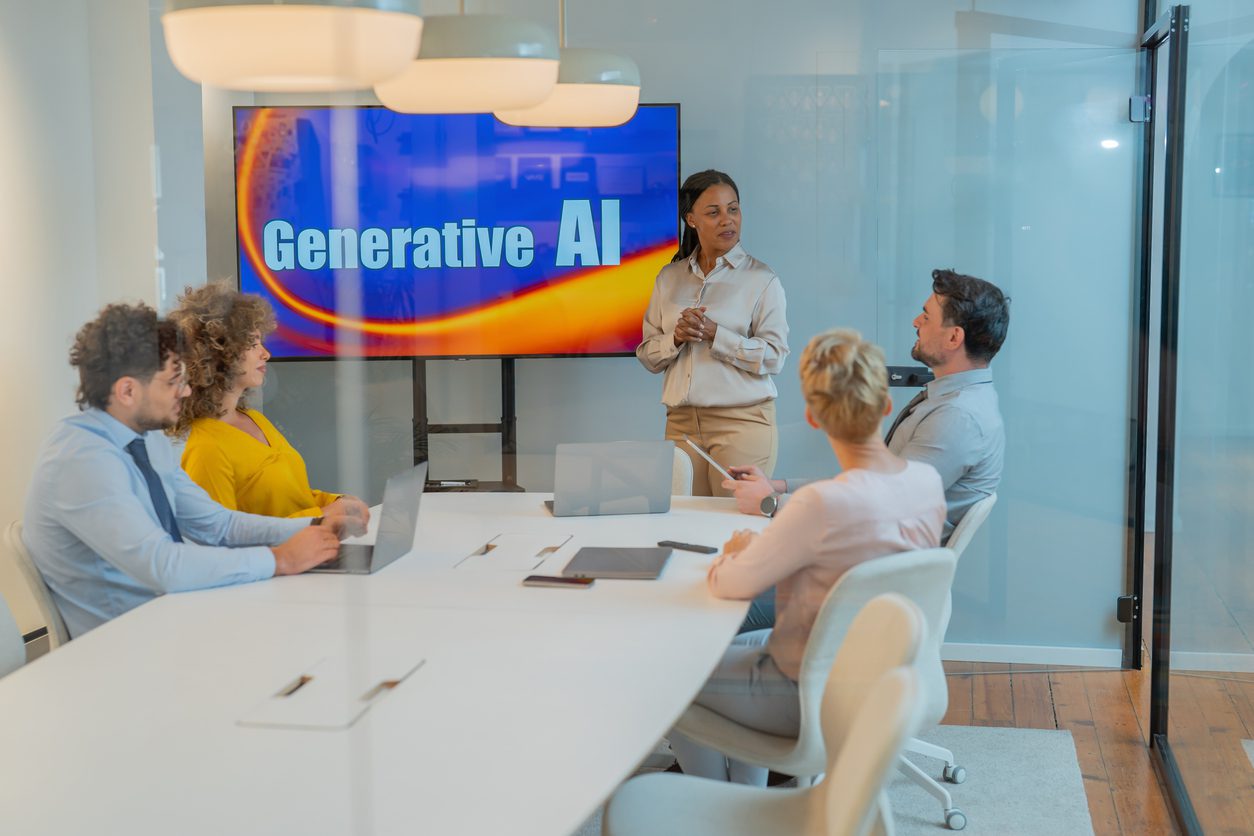
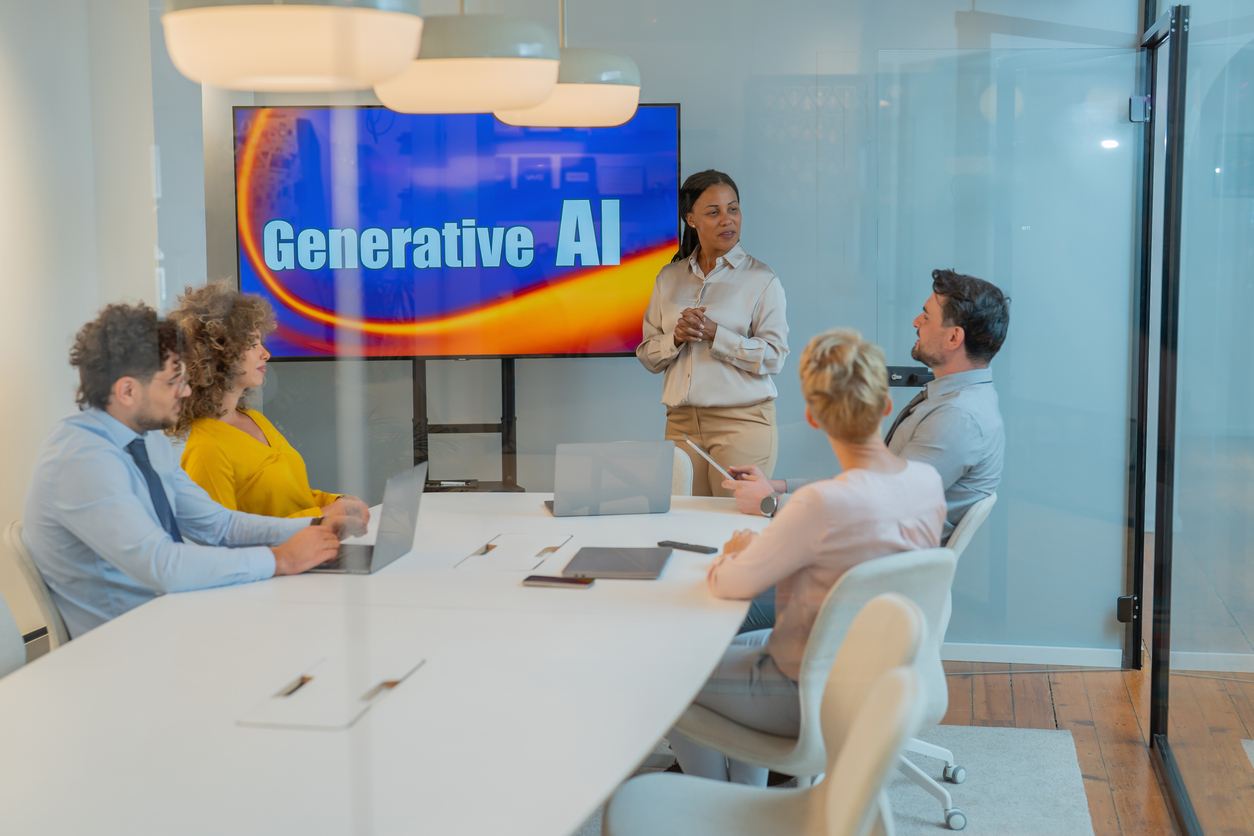 Business owners have always relied on visibility to grow. If customers can’t find your business online, they can’t buy from you. For years, traditional search engine optimization focused on ranking web pages in search results. But search behavior is evolving. Instead of browsing through lists of links, many users now rely on answers generated by generative AI.
This change means businesses need a new approach to visibility. That approach is
Business owners have always relied on visibility to grow. If customers can’t find your business online, they can’t buy from you. For years, traditional search engine optimization focused on ranking web pages in search results. But search behavior is evolving. Instead of browsing through lists of links, many users now rely on answers generated by generative AI.
This change means businesses need a new approach to visibility. That approach is 


 Picture a marketing world where every dollar spent on ads tells you exactly what it’s doing—right now. That’s the promise of smart media investments, where technology cuts through complexity to deliver clarity. For businesses wrestling with fragmented ad platforms and endless data streams, tools like Nloop AI simplify the chaos. Through innovative agency marketing solutions, companies gain real-time information for advertisers, turning guesswork into growth. This approach doesn’t just optimize spending; it redefines how brands connect in the digital marketing landscape.