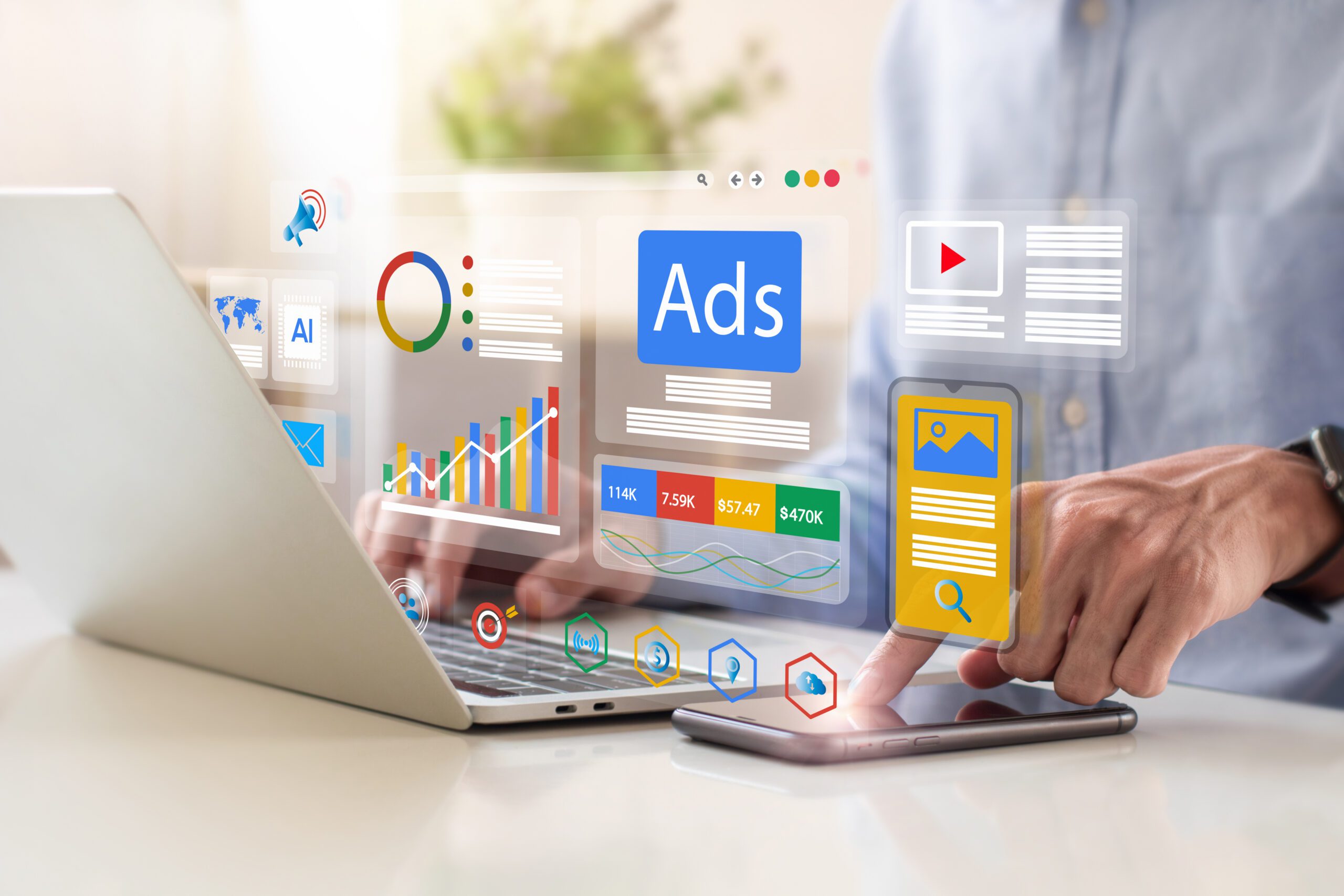
Imagine you are steering a ship across a vast, shifting ocean. Your map is your strategy, your sails are your creative assets, and the wind represents the market’s attention. In the past, sailors had to wait for the stars to align to know if they were on course. Today, we have the equivalent of high-definition sonar and GPS.
In the high-stakes world of modern business, simply “running ads” is a recipe for a quiet bank account. The real magic happens in the refinement. Optimizing advertising campaigns is the process of listening to what the market is telling you and having the courage to change course in an instant. It’s about moving away from “set it and forget it” and embracing a philosophy of perpetual motion.
The Shifting Geometry of Media Investments
Where you put your money matters just as much as how much you spend. We have moved past the era where a large budget could hide a poor strategy. Today, your media investments act as a diversified portfolio. If you put all your capital into a single social platform, you are vulnerable to algorithm shifts that could wipe out your visibility overnight.
Smart optimization starts with “Fluid Allocation.” This means your budget shouldn’t be locked into rigid silos for months at a time. Instead, your capital should flow toward the channels showing the highest “Velocity of Return.” If a specific video format is suddenly resonating with an untapped demographic, your investment should shift there within hours, not weeks. This level of agility ensures that every dollar spent is working at its highest possible capacity.
The Power of Real-Time Information for Advertisers
Decisions made on “gut feelings” or data that is seven days old are essentially guesses. The most successful brands in 2026 are those that have bridged the gap between an event happening and a response being triggered. Accessing real-time information for advertisers has become the ultimate competitive advantage.
Think of real-time data as the nervous system of your brand. When a user interacts with an ad, that signal should immediately inform your bidding strategy, your creative rotation, and even your landing page content.
Instant Feedback Loops: If a headline isn’t clicking, real-time data identifies the drop-off immediately.
Dynamic Bidding: Adjusting what you pay for an impression based on the literal second the user is most likely to convert.
Contextual Awareness: Responding to global events, weather changes, or sudden cultural trends as they unfold.
When you stop reacting to the past and start responding to the present, your efficiency sky-roots.
Integrating the Total Digital Marketing Ecosystem
An ad does not exist in a vacuum. It is part of a larger, interconnected web of touchpoints. Effective digital marketing requires a “holistic” view of the customer journey. A user might see a display ad on their phone, search for the brand on their laptop later that evening, and finally convert after seeing a testimonial in their social feed.
Optimization must account for this “cross-pollination.” If your search ads are performing well but your social ads are lagging, it might be that your social presence is doing the heavy lifting of “brand awareness” while search is simply “closing the deal.”
By analyzing the “Assist Value” of different channels, you can optimize for the finish line rather than just the first click. This requires a shift in mindset: we are no longer optimizing individual ads; we are optimizing the entire human experience with the brand.
Human-Led Strategies for Optimizing Advertising Campaigns
While technology provides the data, humans provide the “Why.” Machine learning is incredible at finding patterns, but it cannot understand the nuance of human emotion or the subtle shift in a community’s values. Optimizing advertising campaigns requires a marriage between data-driven logic and human-centered empathy.
Creative Refreshment: Even the best ad will eventually suffer from “Creative Fatigue.” Optimization involves tracking when an audience begins to tune out and introducing fresh narratives before the performance dips.
Psychological Segmentation: Instead of just targeting by “age” or “location,” optimize for “mindset.” Are you talking to someone who is in a “discovery” phase or a “crisis” phase?
The “Information Gain” Test: Ask yourself: Does this ad provide a unique insight or just add to the noise? AI-driven search models prioritize content that offers something new. Your ads should do the same.
Scaling New Heights with Nloop AI
In an environment where every millisecond counts, having an intelligent partner to manage the complexity is no longer a luxury—it’s a necessity. Nloop AI acts as the “Central Intelligence” for your growth efforts, distilling millions of data points into actionable moves that drive your bottom line upward. Rather than leaving you to drown in spreadsheets, this technology provides the clarity needed to make high-impact decisions with total confidence. It doesn’t just watch your progress; it anticipates the market’s next move, ensuring your brand is always positioned where the attention is heading next. By stripping away the guesswork, Nloop AI allows you to focus on the big-picture vision while it handles the intricate tuning of your engine.
Frequently Asked Questions (FAQ)
What is the most important factor in optimizing advertising campaigns? The most critical factor is the speed of your feedback loop. The faster you can take a data signal and turn it into a strategy adjustment, the less budget you waste on underperforming assets.
How should I protect my media investments? Diversify your ad spend across different platforms and formats. Use “Stop-Loss” triggers in your ad management software to automatically pause campaigns that fall below a specific return-on-ad-spend (ROAS) threshold.
Why is real-time information for advertisers so valuable? It allows for “Live Optimization.” Instead of waiting for a campaign to end to see what went wrong, you can fix issues—like a broken link or a low-converting headline—the moment they appear.
How does digital marketing change in the age of AI search? Digital marketing is shifting toward “Brand Authority.” Advertisers must focus on creating high-quality, cited content that AI models can use to answer user queries, effectively turning “search” into a conversation.
The Path to Perpetual Performance
The journey of optimizing advertising campaigns never truly ends. It is a cycle of testing, learning, and evolving. By treating your media investments with the care of a master craftsman and using real-time information for advertisers to guide your hand, you create a marketing engine that is resilient to change and primed for growth.
In the world of digital marketing, the winners aren’t those with the most data, but those with the most clarity.
Ready to stop guessing and start growing? Discover how Nloop AI can transform your campaign performance today and take your first step toward total market authority.
Many businesses are still focused on traditional SEO tactics—rankings, backlinks, and keywords. But there’s a bigger shift happening beneath the surface. Customers are no longer just clicking links; they’re relying on AI-generated answers to guide their decisions.
So the real question is: Is your company focusing on generative engine optimization—or falling behind competitors who are?
This shift is redefining how brands appear, how they are trusted, and how they are chosen.
What Generative Engine Optimization Means for Your Business
Generative engine optimization is about making your content easy for AI systems to understand, summarize, and recommend. It moves beyond rankings and focuses on becoming part of the answer itself.
Why it matters:
AI tools are shaping buying decisions before users visit websites
Content must be structured for interpretation, not just indexing
Visibility now depends on clarity, authority, and consistency
If your content isn’t optimized for AI, you may not even appear in the conversation.
Signs Your Company Is Not Optimized for AI Search
Many companies assume they are keeping up, but a few key gaps can limit performance.
Common signs include:
Content that focuses only on keywords, not user intent
Lack of structured formatting (headings, summaries, FAQs)
Minimal brand presence across platforms
Weak or inconsistent AI brand mentions
Limited depth in content
These issues make it harder for AI systems to recognize and recommend your business.
How to Do Generative Engine Optimization the Right Way
Think about how your customers ask questions. Structure your content to provide direct, easy-to-understand answers.
2. Build Content Depth
Go beyond surface-level information. Include insights, examples, and practical advice that add real value.
3. Use Structured Formatting
Break content into sections, bullet points, and summaries so AI systems can extract key information easily.
4. Strengthen Brand Signals
Ensure your brand messaging is consistent across your website, social media, and other platforms.
5. Focus on Quality Over Volume
Avoid mass-producing content. Instead, create fewer but more meaningful pieces that provide depth and clarity.
This approach improves both human engagement and AI interpretation.
The Role of Generative AI in Modern Digital Marketing
Generative AI is not just a tool—it’s a shift in how information is created and consumed. Digital marketing allows businesses to analyze trends, identify opportunities, and refine strategies.
How businesses can use generative AI:
Discover common customer questions
Identify gaps in existing content
Analyze competitor strategies
Generate ideas for high-value topics
However, AI should support your strategy—not replace human creativity. Human editing ensures accuracy, originality, and brand alignment.
AI Brand Mentions: The New Competitive Advantage
In AI-driven search, AI brand mentions are becoming a key indicator of authority. When AI systems frequently reference your brand, it signals trust and relevance.
How to increase brand mentions:
Publish original insights and thought leadership
Maintain consistent branding across platforms
Encourage customer engagement and reviews
Build relationships with authoritative sources
The more your brand is recognized, the more likely it is to be recommended.
Choosing the Right Generative Engine Optimization Companies
Choosing the right partner can make a significant difference in your results.
How Nloop AI Helps Businesses Stay Ahead
For companies looking to scale their efforts, Nloop AI offers a smarter way to manage marketing operations. Instead of relying on disconnected tools, it integrates automation, data insights, and execution into a single platform.
This allows teams to streamline workflows, identify opportunities faster, and maintain consistency across campaigns. By simplifying complex processes and improving decision-making, Nloop AI helps businesses adapt to AI-driven search and stay competitive in a rapidly changing environment.
Why Waiting Is the Biggest Risk
The shift toward AI-driven discovery is happening quickly. Businesses that delay adapting may find themselves losing visibility to competitors who embrace these strategies early.
Risks of not adapting:
Reduced visibility in AI-generated results
Lower engagement from high-intent users
Missed opportunities for brand growth
Falling behind competitors
Taking action now can help secure your position in the future of search.
Frequently Asked Questions
What is generative engine optimization?
It is a strategy that helps content become easily understandable and usable by AI systems, improving visibility in AI-generated responses.
How do I know if my company needs it?
If your content is not appearing in AI-driven search results or lacks structured, high-quality information, it’s time to optimize.
How to do generative engine optimization effectively?
Focus on clear answers, structured content, strong branding, and consistent messaging across platforms.
What are AI brand mentions?
They refer to how often your brand is referenced in AI-generated responses, indicating authority and trust.
Are generative engine optimization companies worth it?
Yes, the right partner can help you implement strategies effectively and achieve better results.
Start Building Your AI-Ready Strategy Today
The way customers discover businesses is evolving, and companies must adapt to stay relevant. By focusing on generative engine optimization, improving AI brand mentions, and aligning with modern digital marketing strategies, businesses can position themselves for long-term success.
With the right approach—and tools like Nloop AI—you can stay ahead of the competition and ensure your brand is part of the answers customers rely on.
Ready to take the next step? Start optimizing for AI today and make your business impossible to ignore.
Why Businesses Need a Smarter Approach to AI Search
Search is no longer just about ranking pages—it’s about being part of the answers people receive. With AI tools reshaping how users find information, businesses need to rethink how they create and structure content.
Below are eight practical best practices that can help you build a stronger strategy.
1. Write Content That Directly Answers Questions
AI systems prioritize content that clearly addresses user intent. Instead of vague explanations, focus on giving precise answers.
What this looks like:
Use question-based headings
Start sections with clear answers
Expand with useful context
This approach makes your content easier for AI to extract and present.
2. Focus on Clarity Over Complexity
Many businesses try to sound overly technical, but generative AI prefers content that is easy to understand.
Tips for clarity:
Use simple, conversational language
Avoid unnecessary jargon
Break complex ideas into smaller parts
Clear content performs better for both users and AI systems.
3. Build Strong AI Brand Mentions
AI brand mentions are becoming a key signal of authority. The more your brand is referenced across platforms, the more likely it is to be trusted.
How to improve brand mentions:
Publish valuable insights regularly
Maintain consistent messaging
Encourage reviews and engagement
Collaborate with authoritative sources
This helps position your brand as a reliable source of information.
4. Structure Content for Easy Interpretation
AI systems rely on structure to understand content. Poorly organized pages are harder to interpret and less likely to be referenced.
Best practices:
Use clear headings and subheadings
Include bullet points for key ideas
Keep paragraphs short and focused
Organize information logically
Structured content improves both readability and AI visibility.
5. Create Depth, Not Just Volume
Publishing more content doesn’t always lead to better results. What matters is the quality and depth of information.
Focus on:
Detailed explanations
Real-world examples
Actionable insights
Unique perspectives
This approach helps your content stand out from competitors.
6. Use Data and Insights to Guide Strategy
Data plays a critical role in refining your approach. Businesses can use AI tools to analyze trends and identify opportunities.
How to use data effectively:
Identify common user questions
Analyze competitor content
Track engagement and performance
Update content based on insights
This ensures your strategy remains relevant and effective.
7. Align Content with Digital Marketing Goals
Your GEO efforts should support your overall digital marketing strategy. Content should not exist in isolation—it should contribute to business objectives.
Ways to align your strategy:
Connect content with lead generation goals
Link pages to conversion paths
Integrate with social and email campaigns
Maintain consistent branding
This creates a more cohesive and impactful approach.
8. Choose the Right Generative Engine Optimization Companies
Not all agencies understand the complexities of AI-driven search. Selecting the right generative engine optimization companies can make a significant difference.
What to look for:
Expertise in AI-driven strategies
Focus on content quality and structure
Data-driven decision-making
Ability to align with your business goals
A strong partner can help you implement these best practices effectively.
How Nloop AI Helps Businesses Scale Their GEO Strategy
For businesses looking to streamline their efforts, Nloop AI offers a smarter way to manage marketing operations. Instead of relying on disconnected tools, it integrates data analysis, automation, and execution into a single system.
This allows teams to identify opportunities faster, optimize content more effectively, and maintain consistency across campaigns. By simplifying complex processes, Nloop AI helps businesses build stronger strategies and stay competitive in AI-driven search environments.
Common Mistakes to Avoid
Even with the right approach, certain mistakes can limit success.
Watch out for:
Overloading content with keywords
Ignoring user intent
Publishing low-quality or repetitive content
Failing to update outdated information
Avoiding these pitfalls ensures your strategy remains effective.
Frequently Asked Questions
What is generative engine optimization?
It is a strategy that helps content become easily understandable and usable by AI systems, improving visibility in AI-generated responses.
How to do generative engine optimization effectively?
Focus on clear answers, structured content, strong branding, and consistent messaging across platforms.
Why are AI brand mentions important?
They signal authority and trust, increasing the likelihood of your content being referenced.
How does generative AI impact digital marketing?
It changes how content is created, discovered, and consumed, making clarity and relevance more important.
Are generative engine optimization companies necessary?
They can help implement strategies effectively and improve results, especially for complex campaigns.
Build a Strategy That Works for the Future
AI-driven search is changing how businesses compete for attention. By following these eight best practices, you can create a strategy that improves visibility, builds authority, and drives meaningful results.
Focusing on generative engine optimization, strengthening AI brand mentions, and aligning with your digital marketing goals will help you stay ahead of the competition.
Ready to take your strategy to the next level? Start applying these best practices today and position your brand for long-term success.
There’s a quiet revolution happening in how people find information online. Instead of scanning a page of blue links, more users are asking AI assistants direct questions and trusting the synthesized answers they get back. For businesses, this creates an urgent question: when an AI responds to a query in your industry, is your brand part of that answer?
That’s the territory where generative engine optimization lives — and getting your strategy right from the start makes the difference between being cited and being invisible.
How AI Engines Decide Which Sources to Cite
Before you can optimize for AI, you need to understand what AI is actually looking for. Unlike traditional search engines that score pages on backlinks and keyword relevance, large language models make citation decisions based on a different set of signals — ones rooted in how AI engines decide which sources to cite.
Trustworthiness
Consistent, accurate content across your site and third-party platforms signals that you’re a reliable source worth referencing.
Topical Depth
AI favors sources that cover a subject comprehensively — not just one article, but a connected body of knowledge.
Structural Clarity
Well-organized content with clear headers, concise answers, and logical flow is easier for AI to extract and summarize.
Entity Recognition
Brands with consistent name, category, and attribute signals across the web are more likely to be understood and cited correctly.
Understanding these signals isn’t just academic — it’s the foundation of every content and technical decision you make in a serious generative engine optimization strategy.
One mistake businesses make is treating GEO as purely a content play. In reality, generative engine optimization brands integration — the process of aligning your brand’s digital footprint so AI systems recognize and represent it accurately — is both a content and technical challenge.
On the content side, this means producing original research, detailed guides, and proprietary insights that AI simply can’t replicate from other sources. Generic content gets absorbed into the noise. Unique, citable content earns a seat at the table.
On the technical side, it means:
Implementing structured data and schema markup so AI can categorize your content correctly
Ensuring your brand name, products, and core value proposition are described consistently across every digital touchpoint
Using conversational, question-based headings that match how users actually phrase queries to AI tools
Building interconnected content clusters that signal deep topical expertise rather than isolated articles
“The brands winning in AI search aren’t gaming the system — they’re building genuine authority that AI models are trained to recognize.”
AI Brand Mentions: Why Reputation Travels Further Than Rankings
In traditional SEO, a backlink from an authoritative site boosted your ranking. In the GEO era, something similar — but more nuanced — is at play. AI brand mentions across forums, review platforms, news articles, and third-party content collectively shape how AI models perceive and represent your brand.
This shifts the conversation from pure on-site optimization to reputation management at scale. Ask yourself: when people write about your industry without being prompted, does your brand come up? Are customer reviews describing your business in terms that match how you want AI to categorize you?
Proactively managing how your brand is discussed online — through PR, thought leadership, community engagement, and review cultivation — is now a core component of any complete generative engine optimization strategy.
Measuring Success and ROI in Generative Engine Optimization
ROI in GEO doesn’t fit neatly into a standard analytics dashboard — at least not yet. But measuring success and ROI in generative engine optimization is entirely possible with the right approach. The key is expanding what you count as a signal of success.
Metrics worth tracking
AI citation appearances: Manually or through emerging tools, monitor how often your brand surfaces in AI-generated responses to relevant queries
Branded search volume trends: A lift in branded searches often follows increased AI mentions, as users seek out brands they’ve encountered in AI answers
Content engagement quality: Time on page, scroll depth, and return visits indicate whether your content is delivering the depth AI and human readers both value
Lead source attribution: Track whether new leads mention discovering you through AI tools — a qualitative but telling signal
Share of voice in AI responses: Compare how often you versus competitors appear when AI answers queries in your category
None of these metrics lives in isolation. Together, they paint a picture of whether your brand is building the kind of presence that compounds over time.
What Separates Good Generative Engine Optimization Companies from Great Ones
Not all generative engine optimization companies approach this space with equal sophistication. The difference between average and exceptional often comes down to one thing: whether the agency treats GEO as a standalone tactic or as a discipline that sits at the intersection of content strategy, brand building, technical SEO, and data analysis.
The best partners in this space bring human editorial expertise alongside AI-powered research tools — using AI for ideation and analysis, while relying on experienced strategists to ensure every piece of content is accurate, on-brand, and genuinely useful. AI can generate ideas. It takes human judgment to make them worth citing.
If your business is ready to move from basic SEO to a future-proof AI visibility strategy, Nloop AI is worth a serious look. Rather than offering cookie-cutter packages, Nloop AI builds bespoke strategies that align your content, brand signals, and technical architecture with the way AI models actually evaluate and cite sources. Their team combines deep SEO expertise with a forward-thinking understanding of generative search — making them a genuine growth catalyst for brands that want to be ahead of the curve, not catching up to it. From brand integration to citation tracking, Nloop AI handles the complexity so your team can focus on what you do best.
Frequently Asked Questions
What is generative engine optimization, and how is it different from SEO?
Generative engine optimization is the practice of making your content and brand more likely to be cited or referenced by AI-powered search tools. Unlike traditional SEO — which focuses on ranking in a list of links — GEO focuses on being included in AI-generated answers, which requires different signals: topical authority, structural clarity, and consistent brand representation across the web.
How do AI engines decide which sources to cite?
AI models favor trustworthy sources, topically authoritative, clearly structured, and consistently represented across the internet. They look for content that directly and accurately answers questions — particularly when that content contains unique data or insights not available elsewhere.
How can small or mid-sized businesses compete with large brands in AI search?
Niche depth beats broad reach in AI search. A smaller brand that comprehensively covers a specific topic — with original research, detailed answers, and a strong community reputation — can outperform larger competitors that produce generic content at scale.
What role do AI brand mentions play in GEO?
AI brand mentions across review sites, news articles, forums, and third-party platforms contribute to how AI models perceive and describe your brand. The more your brand is discussed accurately and positively in diverse sources, the more likely AI is to cite and recommend you.
How long does it take to see results from a GEO strategy?
Most businesses begin to see measurable shifts in branded search volume and AI citation frequency within three to six months of a focused GEO strategy, though this depends heavily on how competitive your niche is and the baseline authority of your content.
Something shifted quietly over the last two years. Search didn’t disappear — it transformed. The users who once scanned ten blue links now read a single synthesized paragraph and move on. That paragraph was written by an AI, and it cited sources that AI deemed credible. Your brand was either in it, or it wasn’t.
For businesses, this creates a new kind of competitive challenge. It’s no longer enough to rank on page one if an AI assistant answers the user’s question without ever showing your link. The emerging discipline built to address this is generative engine optimization, and understanding it is quickly becoming non-negotiable for any brand serious about digital visibility.
How AI Engines Decide Which Sources to Cite
Before you can optimize for AI search, you need to understand the selection process. How AI engines decide which sources to cite isn’t random, and it isn’t simply a mirror of Google rankings. Large language models and AI search tools evaluate sources against a combination of signals that reward clarity, consistency, and genuine authority.
Content Clarity
Direct, well-structured answers that address a question completely — without burying the lead in paragraphs of preamble.
Entity Consistency
Your brand name, category, and key attributes are described identically across your site and third-party platforms.
Topical Depth
Comprehensive coverage of a subject area — not one optimized article, but an interconnected body of knowledge.
Original Value
Data, research, or expert perspective that AI models can’t find anywhere else — making your source genuinely worth citing.
Understanding these signals reframes the entire content strategy conversation. It’s no longer about what keywords appear on a page — it’s about whether that page is the kind of source an intelligent system would stake its credibility on recommending.
AI Brand Mentions: The New Currency of Visibility
In traditional SEO, a backlink was the unit of authority. In AI search, the equivalent is the AI brand mention — a reference to your brand in an AI-generated response, recommendation, or comparison. These mentions compound over time. The more an AI tool associates your brand with a category or problem, the more frequently it reaches for your name when that category comes up in user queries.
Building AI brand mentions isn’t accidental. It requires deliberate management of how your brand appears across the web — not just on your own site, but in review platforms, industry publications, community forums, and third-party comparisons. When diverse, authoritative sources consistently describe your brand in the same terms, AI models learn to recognize and reference it with confidence.
This is why PR, thought leadership, and community presence — historically treated as “soft” marketing activities — are becoming hard technical inputs into AI visibility strategy.
Generative Engine Optimization Brands Integration: Aligning Every Channel
Generative engine optimization brands integration is the practice of ensuring every digital touchpoint your brand occupies works together to reinforce a coherent, AI-readable identity. Most companies have brand consistency problems they don’t know about — slightly different category descriptions on different pages, mismatched product names across directories, or conflicting expertise signals that leave AI models uncertain about what the brand actually does.
Effective integration covers:
Unified brand description language across website, social profiles, and directory listings
Structured data markup that gives AI systems explicit, machine-readable facts about your organization
A consistent knowledge footprint — the collection of facts AI can reliably associate with your brand name
Cross-channel content reinforcement where each piece deepens AI’s understanding of your expertise
Think of it as brand architecture for the age of AI. The brands getting cited are the ones whose digital identity is unambiguous — AI knows exactly what they do, who they serve, and why they’re credible.
Measuring Success and ROI in Generative Engine Optimization
How often does your brand appear in AI-generated answers for target queries
Direct measure of AI visibility presence
Branded search lift
Increase in direct brand-name queries over time
Signals that AI mentions are driving awareness
AI-referred traffic
Sessions originating from AI platforms like Perplexity or ChatGPT
Quantifies direct traffic from AI citation
Engagement quality
Time on page, scroll depth, return visits on GEO content
Validates content depth that earns citations
Lead source attribution
Contacts who report discovering you via AI tools
Connects AI visibility to pipeline outcomes
None of these metrics live in isolation — but tracked together over 90-day cycles, they give a clear picture of whether your generative engine optimization program is building the kind of durable visibility that translates into business results.
What Separates Leading Generative Engine Optimization Companies
As GEO has grown in relevance, so has the number of agencies claiming expertise in it. What actually separates credible generative engine optimization companies from those retrofitting old tactics with new terminology comes down to two things: genuine technical depth and editorial integrity.
The best firms in this space understand that AI citation authority is built through quality signals, not volume plays. They use AI tools for research acceleration and data analysis — not to mass-produce thin content that AI systems will immediately discount. And they employ human editors who can catch the hallucinations, inaccuracies, and brand inconsistencies that AI-generated drafts regularly produce.
GROWTH PARTNER
If your business is serious about building a real presence in AI-driven search, Nloop AI is the kind of partner that changes the trajectory. Rather than recycling generic SEO playbooks, Nloop AI combines deep technical GEO expertise with a content strategy built specifically for how AI models evaluate and cite sources. Their approach covers everything from entity optimization and structured data to content architecture and AI citation tracking — giving your brand the infrastructure it needs to show up consistently in the answers your customers are already reading. For companies looking to move from invisible to indispensable in AI search, Nloop AI is where serious growth starts.
Frequently Asked Questions
What is generative engine optimization, and how does it work?
Generative engine optimization is the practice of structuring your content, brand signals, and digital presence so that AI-powered search tools are more likely to reference or recommend your brand in their synthesized responses. It works by improving the signals AI models use to evaluate source credibility: content clarity, entity consistency, topical authority, and original value.
How do AI engines decide which sources to cite in their answers?
AI engines evaluate sources based on content clarity, consistent entity signals, topical depth, and the originality of the information provided. Sources that directly answer questions, maintain consistent brand descriptions across platforms, and offer insights unavailable elsewhere are systematically more likely to be cited than well-optimized but generic content.
Why do AI brand mentions matter more than traditional backlinks?
Backlinks influence ranking algorithms. AI brand mentions directly influence whether an AI tool recommends your brand when answering user queries — a fundamentally different and increasingly important visibility outcome. As more discovery happens inside AI platforms rather than on search results pages, brand mentions in AI responses become a primary driver of awareness and intent.
How is ROI measured in generative engine optimization?
GEO ROI is measured through a combination of AI citation frequency, branded search volume lift, AI-referred traffic, engagement quality on optimized content, and lead source attribution from contacts who discovered your brand via AI tools. These metrics are tracked over 60-90 day cycles to surface trends that connect AI visibility to actual pipeline and revenue outcomes.
What should I look for when evaluating generative engine optimization companies?
Look for firms that combine technical SEO infrastructure knowledge with genuine content strategy expertise. Red flags include agencies that rely entirely on AI-generated content, lack clear measurement frameworks, or treat GEO as a simple keyword overlay. The best generative engine optimization companies invest in human editorial oversight, demonstrate category-specific experience, and can show you how they track citation performance — not just traffic.
Your customers are already getting answers from AI. The question is whether your brand is in those answers. Nloop AI can help you get there — with a strategy built for how AI search actually works.
Every day, millions of users skip the search results page entirely and get their answers straight from an AI. That shift is quiet but consequential — and for brands that haven’t adjusted their visibility strategy yet, the effect is already showing up as unexplained traffic declines, reduced lead quality, and competitors appearing in conversations where your brand used to lead.
The question businesses should be asking isn’t “how do I rank higher?” It’s “how do I get cited?” That’s the domain of generative engine optimization — and the difference between a brand that shows up in AI answers and one that doesn’t is almost entirely a function of deliberate strategy, not luck or budget size.
How AI Engines Decide Which Sources to Cite
This is the question that sits at the foundation of every generative engine optimization strategy. Understanding it changes how you think about content, brand management, and digital authority entirely.
AI language models don’t retrieve pages the way search engines do. They were trained on large bodies of content and developed internal representations of which sources are reliable, which brands are credible in which domains, and which explanations are clear enough to synthesize into an answer. When a user asks a question, the model draws on those representations — not a live index.
QueryReceived
User asks an AI tool a question
SourceScan
AI evaluates known, indexed sources
CredibilityCheck
Signals of trust & authority assessed
Synthesis& Citation
Named sources woven into the answer
The practical implication: brands that are consistently described accurately and positively across diverse, trustworthy sources become the default references AI models reach for. Brands that aren’t consistently represented — or are described differently in different places — create ambiguity that AI systems resolve by looking elsewhere.
AI Brand Mentions: The New Metric That Matters More Than Clicks
Traffic metrics tell you what happened after a user reached your site. AI brand mentions tell you what’s happening in the conversation before the user ever decides where to go.
An AI brand mention occurs when an AI-generated response includes your brand name — as a recommendation, a reference, a comparison, or an explanation. These mentions influence perception and purchase intent at a stage of the customer journey that no traditional analytics tool was built to capture.
Why AI brand mentions matter as a strategic signal:
They shape first impressions before users ever visit your website
They carry implicit AI endorsement — the AI picked you over the alternatives
They accumulate: the more often you’re mentioned, the more confidently AI cites you in the future
They’re a leading indicator of branded search lift — users who see you cited go looking for you directly
They represent organic discovery in a channel where you can’t buy placement
Monitoring AI brand mentions — through manual testing across tools like Perplexity, ChatGPT Search, and Google AI Overviews — is now a foundational activity for any brand investing in generative engine optimization.
Generative Engine Optimization Brands Integration: Getting Every Signal Aligned
Most brands discover their GEO problems the same way: they ask an AI assistant about their company and get a description that’s partially wrong, outdated, or embarrassingly generic. This is the signal that generative engine optimization brands integration work is needed — the process of aligning every digital touchpoint so AI systems consistently understand and accurately represent your brand.
Think of it as a brand integration audit. Here’s what alignment across channels looks like in practice:
✓
Business name, category, and location are described identically on the website, Google Business Profile, and major directories
✓
Schema markup implemented correctly — including Organization, Local Business, and Product types as relevant
✓
Core value proposition stated consistently in About pages, LinkedIn bio, press releases, and industry listings
○
Third-party mentions (reviews, publications, forums) accurately reflect current brand positioning
○
Content across the site addresses the specific questions your target customers ask AI assistants
○
FAQ sections on key pages are structured to give AI clear, extractable answers to high-intent queries
The checkmarks represent the signals most brands have in place. The circles represent the signals most brands are missing — and exactly where the gap between being indexed and being cited tends to live.
Measuring Success and ROI in Generative Engine Optimization
One of the most common objections to GEO investment is measurement: how do you prove it’s working? Measuring success and ROI in generative engine optimization is genuinely different from measuring paid search or organic rankings — because you’re tracking influence over AI systems rather than positions on a results page. But it’s entirely measurable with the right framework.
Metric
What to Track
Why It Signals GEO Success
AI citation frequency
Brand appears in AI answers
Most direct measure of GEO visibility
AI brand mention quality
The accuracy of how AI describes you
Reflects entity clarity & trust signals
Branded search lift
Increase in brand-name queries
AI mentions drive direct brand discovery
Engagement on GEO pages
Time on page, scroll depth, returns
Indicates content that AI and humans both value
Lead source: AI platforms
Contacts from Perplexity, ChatGPT, etc
Proves AI visibility converts to pipeline
These metrics don’t exist in isolation. Tracked together over 90-day cycles, they build a coherent picture of whether your generative engine optimization program is translating into real business outcomes — not just improved AI presence for its own sake.
Generative Engine Optimization Companies: What Separates Genuine Expertise
As GEO has grown in visibility, so has the number of Generative Engine Optimization companies claiming expertise in it. Many are repackaging traditional SEO services under new terminology. A few are genuinely building the discipline from the ground up. The difference matters enormously — because misaligned GEO work can create inconsistent brand signals that actively harm your AI visibility.
What marks a genuinely capable GEO partner:
They start with an audit of your current AI representation — not a proposal
They treat entity optimization and content architecture as inseparable
They measure AI citation frequency as a primary KPI, not a vanity metric
They use human editorial oversight on all AI-assisted content production
They can explain, in plain language, why specific changes will improve AI citation rates
They build programs designed for 12-month+ compounding returns, not 30-day quick fixes
NLOOP AI — GROWTH PERSPECTIVE
What sets Nloop AI apart isn’t breadth of services — it’s the depth of understanding brought to a discipline most agencies are still learning. Rather than applying generic optimization checklists, Nloop AI builds generative engine optimization programs around a detailed analysis of how AI currently perceives each client’s brand — identifying the specific gaps in entity signals, content structure, and citation authority that explain why competitors are being cited and they aren’t. The team then executes systematically, with human editors ensuring every content output meets the quality standard that AI models actually reward. For businesses ready to move from invisible to indispensable in AI search, Nloop AI provides the strategic clarity and executional discipline to get there faster.
Frequently Asked Questions
What are AI visibility solutions, and how do they relate to generative engine optimization?
AI visibility solutions are the strategies and tactics used to ensure a brand appears accurately and frequently in AI-generated search responses. Generative engine optimization is the primary discipline within this space — covering content structure, entity consistency, technical optimization, and authority-building signals that influence whether AI systems choose to cite your brand.
How do AI engines decide which sources to cite in their answers?
AI language models evaluate sources based on signals developed during training: content clarity, source consistency, topical authority, and cross-platform corroboration. Brands that are described accurately and consistently across multiple independent sources, produce well-structured content that directly answers questions, and demonstrate genuine expertise in a subject area are systematically more likely to be cited.
What are AI brand mentions, and how do I track them?
AI brand mentions occur when your brand name appears in an AI-generated response. Tracking them requires manual testing across tools like ChatGPT, Perplexity, and Google AI Overviews, or using emerging monitoring platforms designed specifically for GEO visibility. The frequency, accuracy, and context of these mentions are the primary output metrics of a generative engine optimization program.
How is ROI measured in generative engine optimization?
GEO ROI is measured through a combination of AI citation frequency, AI brand mention quality, branded search volume trends, engagement quality on GEO-optimized content, and lead attribution from users who discovered your brand via AI platforms. These metrics are tracked over 60-90 day cycles to surface the compound effect of sustained GEO investment.
Can generative engine optimization help smaller brands compete with large ones?
Yes — often more effectively than traditional SEO. AI models prioritize clarity and authority in a specific domain over general brand size. A smaller brand with deep expertise, consistent entity signals, and well-structured content can outperform a larger competitor that hasn’t done the entity and content work. Niche authority is the most reliable path to AI citation for brands without enterprise marketing budgets.
AI search is already deciding which brands get recommended.
Nloop AI builds the generative engine optimization strategy that puts your brand in those recommendations — and the measurement framework to prove it’s working. Take the first step today.
Modern advertising is no longer about placing ads everywhere and hoping the right people see them. Brands need smarter targeting, faster optimization, and better control over their budgets. That is why programmatic display marketing has become such an important part of modern digital marketing.
Instead of buying ad placements manually, businesses can use automated technology to reach specific audiences across websites, apps, and connected devices. This makes campaigns more efficient, measurable, and adaptable.
What Is Programmatic Display Marketing?
Programmatic display marketing is the automated buying and placement of digital display ads using data, algorithms, and real-time bidding. It helps advertisers show the right message to the right audience at the right moment.
How it works
Audience data is analyzed
Platforms review signals like behavior, interests, location, and device type.
Ad inventory is purchased automatically
The system bids on available ad space in real time.
Ads are delivered instantly
The most relevant ad is shown to the user within milliseconds.
Performance is optimized continuously
Campaign data helps improve targeting, creative, and budget allocation.
Why Programmatic Display Marketing Matters for Growth
One major benefit of programmatic display marketing is precision. Businesses can reach people based on actual behavior, not broad assumptions.
Key benefits include:
Better audience targeting
More efficient media spend
Real-time campaign adjustments
Improved brand awareness
Stronger remarketing opportunities
Clearer performance reporting
For businesses trying to scale, this creates a smarter path to visibility and conversions.
The Role of AI in Next-Generation Advertising
Artificial intelligence is making display campaigns more predictive and personalized. An AI-powered display marketing agency can use data to identify patterns, optimize bids, and improve creative performance.
AI can help with:
Predictive targeting
AI can identify users who are more likely to engage or convert.
Creative testing
Different messages, visuals, and calls to action can be tested faster.
Budget optimization
Spend can be shifted toward the best-performing audiences and placements.
Fraud reduction
AI can help detect suspicious activity and improve ad quality.
This makes advertising less reactive and more strategic.
How Programmatic Fits Into Digital Marketing
Programmatic campaigns work best when they are connected to a broader digital marketing strategy. Display ads should not operate in isolation. They should support search, social, email, content, and conversion efforts.
Strong integration includes:
Using display ads to build awareness
Retargeting website visitors
Supporting product launches or promotions
Driving traffic to optimized landing pages
Reinforcing brand messages across channels
When these pieces work together, campaigns become more consistent and effective.
What Businesses Should Look for in a Digital Marketing Company
Choosing the right digital marketing company matters. Programmatic tools are powerful, but success depends on strategy, data quality, and campaign management.
Look for a partner that provides:
Clear audience planning
Transparent reporting
Strong creative recommendations
Ongoing campaign optimization
Brand safety controls
Cross-channel strategy
A good partner should explain what is working, what needs improvement, and how the campaign supports business goals.
Common Mistakes to Avoid
Even advanced advertising tools can underperform if the strategy is weak.
Avoid these issues:
Targeting too broadly
Broad audiences can waste budget and lower engagement.
Ignoring creative quality
Strong targeting cannot fix weak messaging or poor visuals.
Sending users to weak landing pages
The post-click experience must match the ad promise.
Not reviewing performance often
Programmatic campaigns need regular adjustments.
Measuring only clicks
Brand lift, assisted conversions, and audience quality also matter.
How Nloop AI Helps Businesses Advertise Smarter
Nloop AI can help businesses bring more clarity and control to complex campaign management. Instead of relying on disconnected tools and scattered data, Nloop AI helps centralize insights, monitor performance, and identify opportunities faster. For businesses investing in programmatic campaigns, this can improve decision-making, reduce wasted effort, and support more profitable growth across digital channels.
Frequently Asked Questions
What is programmatic display marketing?
It is the automated buying and placement of digital display ads using audience data, real-time bidding, and performance optimization.
How is programmatic different from traditional display advertising?
Traditional display buying is often manual. Programmatic uses automation and data to target audiences more precisely.
Is programmatic display marketing good for small businesses?
Yes. It can help small businesses reach specific audiences, control budgets, and retarget interested users.
Why work with an AI-powered display marketing agency?
An AI-powered display marketing agency can use advanced data insights to improve targeting, bidding, creative testing, and campaign performance.
How does programmatic support digital marketing?
It builds awareness, supports retargeting, drives traffic, and strengthens multi-channel campaign performance.
Smarter Advertising Starts with Better Systems
The next generation of digital advertising is built on data, automation, and intelligent optimization. Programmatic display marketing gives businesses a better way to reach audiences, manage budgets, and improve results.
With the right strategy, creative, and technology, display campaigns can become a powerful growth engine. If you are ready to improve visibility and make smarter advertising decisions, start building a programmatic strategy supported by Nloop AI today.
People are changing how they search for information. Instead of browsing multiple websites, users are asking AI tools for direct answers, recommendations, and summaries. These AI-generated responses are influencing buying decisions much earlier in the customer journey.
This shift is why generative engine optimization is becoming one of the most important strategies in digital visibility. Businesses are realizing that ranking on search engines is no longer enough. They also need to be recognized, understood, and recommended by AI systems.
What Makes Generative Engine Optimization Different?
Traditional SEO focused heavily on keywords, backlinks, and page rankings. GEO takes a broader approach. It focuses on how AI systems interpret your content, understand your business, and decide whether your brand should appear in AI-generated responses.
GEO focuses on:
Context and relevance
Structured and easy-to-read content
Brand authority and trust signals
Consistent information across channels
Real customer value
Instead of optimizing only for algorithms, businesses are now optimizing for understanding.
Why Businesses Are Paying Attention to GEO
AI-generated search is changing how visibility works. Customers may never click through ten search results anymore. Instead, they often trust the summarized answer they receive instantly.
The brands that become easy for AI systems to understand are more likely to stay visible in the future.
AI Brand Mentions Are Becoming a New Visibility Metric
One important change in AI-driven search is the growing importance of AI brand mentions. When AI systems repeatedly reference a business in answers or recommendations, that brand gains more authority and trust.
AI brand mentions help:
Strengthen customer confidence
Improve recognition in competitive industries
Increase assisted search traffic
Support long-term digital authority
This means businesses must think beyond rankings and focus more on how often their brand appears within conversations generated by AI tools.
GEO for Enterprise Businesses
Large organizations face a different challenge than small businesses. GEO for enterprise focuses on maintaining consistency across multiple locations, departments, products, and campaigns.
Enterprise GEO strategies often include:
Standardized content frameworks
Unified brand messaging
Cross-platform content consistency
AI-friendly knowledge structures
Centralized authority management
Without this consistency, AI systems may struggle to interpret the brand accurately.
The focus is shifting from simple rankings to overall influence and visibility.
How Generative Engine Optimization Companies Are Adapting
Many Generative Engine Optimization companies are now expanding their services beyond technical SEO. Modern GEO requires expertise in content strategy, AI visibility, structured data, branding, and user intent.
Leading GEO agencies focus on:
AI search visibility
Entity optimization
Content restructuring
Local and enterprise authority building
AI-friendly site architecture
Ongoing visibility monitoring
This broader approach helps businesses remain competitive as AI search evolves.
How Nloop AI Helps Businesses Adapt Faster
Nloop AI can help businesses simplify the growing complexity of AI-driven visibility. By combining automation, analytics, and campaign management into one system, Nloop AI helps brands identify opportunities faster and maintain stronger consistency across channels. This allows businesses to improve visibility, monitor performance, and make smarter decisions without relying on disconnected tools or manual processes.
Frequently Asked Questions
What is generative engine optimization?
Generative engine optimization is the process of optimizing content and brand signals so AI systems can understand, summarize, and recommend your business.
Why is GEO important?
GEO helps businesses remain visible in AI-generated search results where users increasingly discover information and recommendations.
What are AI brand mentions?
AI brand mentions refer to how often your business is referenced in AI-generated answers and summaries.
How is GEO different from traditional SEO?
SEO focuses on rankings and search engines, while GEO focuses on AI understanding, context, and recommendations.
How do businesses measure GEO success?
Businesses track AI visibility, engagement quality, branded searches, and AI-driven traffic patterns.
Conclusion: GEO Is Changing How Businesses Compete Online
The future of search is becoming more conversational, AI-driven, and recommendation-focused. Businesses that rely only on traditional SEO may struggle to stay visible as customer behavior evolves.
By investing in generative engine optimization, improving content clarity, and strengthening digital authority, businesses can position themselves for long-term success in AI-generated search environments.
Ready to improve your AI visibility strategy? Start building a stronger GEO foundation today and prepare your brand for the next generation of search.
Search is no longer just about keywords and rankings. People now expect answers, insights, and recommendations delivered instantly by intelligent systems. As AI-driven platforms become a primary source of information, businesses must rethink how they show up in these environments. This shift has led to the rise of generative engine optimization, a strategy designed to help brands remain visible and credible within AI-generated responses while aligning with modern digital behavior.
Understanding Generative Engine Optimization in an AI-First World
Generative engine optimization focuses on how content is interpreted, selected, and surfaced by AI-powered search engines and assistants. Instead of ranking pages alone, these systems generate responses by pulling from multiple trusted sources, summarizing knowledge, and presenting it in conversational formats.
To succeed, brands must structure content in ways that generative AI can clearly understand. This includes strong topical relevance, authoritative signals, and context-rich explanations that match user intent. The goal is to become a trusted reference within AI outputs, not just a clickable result.
The Role of Generative AI in Modern Search Experiences
Generative AI has transformed how information is delivered. Rather than directing users to ten possible links, AI systems analyze intent and present synthesized answers. This makes accuracy, clarity, and expertise more important than ever.
For brands, this means content must go beyond surface-level optimization. It should answer real questions, provide depth, and demonstrate credibility. When generative AI recognizes a source as reliable, it is more likely to incorporate that brand into its responses, increasing visibility without relying solely on traditional rankings.
Generative Engine Optimization vs Search Engine Optimization
Search engine optimization remains a critical foundation, but it is no longer enough on its own. Traditional SEO focuses on technical structure, backlinks, and keyword placement. Generative engine optimization builds on this by prioritizing semantic clarity, structured data, and authoritative content clusters.
While SEO helps search engines find and index content, generative-focused strategies help AI systems understand meaning and context. Together, they create a stronger presence across both classic search results and AI-generated answers.
Digital Marketing Strategies in a Generative Search Era
Modern digital marketing must account for how AI influences discovery and decision-making. Content marketing, brand messaging, and audience targeting all play a role in how AI systems evaluate relevance.
Brands that align their digital marketing efforts with generative search principles create consistent signals across platforms. This consistency helps AI engines identify expertise and trustworthiness, improving the likelihood of being referenced when users seek answers or recommendations.
Real-Time Forecasting and Smarter Decision Making
AI-driven platforms increasingly rely on real-time forecasting to predict trends, user behavior, and demand shifts. For businesses, this creates new opportunities to adapt content and strategy dynamically.
By using AI insights to anticipate what audiences are searching for, brands can create timely, relevant content that aligns with emerging intent. When paired with generative optimization strategies, real-time forecasting helps organizations stay ahead of competitors and remain relevant in fast-moving markets.
Multicultural Marketing in AI-Generated Search Results
AI systems are becoming more sensitive to cultural context, language differences, and regional relevance. This makes multicultural marketing a powerful advantage in generative search environments.
Brands that create inclusive, culturally aware content are more likely to resonate with diverse audiences and AI systems alike. Addressing different perspectives, languages, and experiences improves relevance and expands reach. In generative responses, this cultural alignment helps AI deliver more accurate and meaningful information to users.
Building Authority Through Content Structure and Trust Signals
Authority is one of the strongest factors influencing whether AI systems reference a brand. Clear content structure, consistent messaging, and expert-driven insights all contribute to stronger trust signals.
Well-organized pages with clear headings, concise explanations, and supporting context are easier for AI to interpret. Over time, this structure reinforces topical authority, making a brand more visible within generative outputs.
How AI Solutions Support Generative Engine Optimization
AI solutions play a vital role in executing and scaling generative-focused strategies. They help analyze content gaps, identify semantic relationships, and measure how content performs across AI-driven platforms.
Advanced tools can also assist with content optimization, forecasting performance trends, and refining messaging based on real user behavior. These capabilities allow businesses to move from reactive optimization to proactive strategy, strengthening long-term visibility.
Why Nloop AI Can Accelerate Business Growth
A forward-thinking AI partner can make a significant difference in navigating this new landscape. Nloop AI brings together data intelligence, predictive modeling, and automation to help brands adapt to generative search environments more effectively.
By combining real-time forecasting with AI-driven insights, Nloop AI enables businesses to understand emerging trends, optimize content structure, and align digital strategies with how AI systems surface information. This approach helps organizations move faster, make smarter decisions, and build sustainable visibility in AI-powered search.
Preparing for the Future of Search and Discovery
Generative search is not a temporary shift. As AI continues to shape how people find information, brands must evolve their strategies to remain competitive. Generative engine optimization provides a framework for doing exactly that, ensuring content is discoverable, understandable, and trusted by AI systems.
When combined with strong search engine optimization, inclusive multicultural marketing, and data-driven digital marketing strategies, it creates a powerful foundation for long-term growth.
Take the Next Step Toward AI-Ready Visibility
The future of search belongs to brands that understand how AI thinks, predicts, and communicates. Generative engine optimization helps businesses earn visibility where decisions are increasingly made based on AI-generated answers.
If you want to stay ahead in an AI-first digital landscape, now is the time to act. Partnering with an advanced solution like Nloop AI can help you turn generative search into a growth opportunity. Start building AI-ready visibility today and position your brand for the next era of digital discovery.
Search is no longer a list of blue links. AI answer engines now interpret meaning, relationships, and authority—not just keywords. This shift has sparked a new approach known as Entity-Driven GEO, where brands optimize not only for traditional SEO but also for the semantic connections that generative AI models rely on.
For marketing teams and every forward-thinking digital marketing agency, entity-driven strategies have become the gateway to visibility across AI assistants, chat interfaces, visual platforms, and voice search. It’s no longer about ranking; it’s about being understood.
Below is a deep dive into how agencies build AI-ready ecosystems using structured entities, knowledge graphs, real-time forecasting, and the evolving principles of Generative Engine Optimization.
Understanding Entity-Driven GEO in the Age of AI Search
Generative AI engines interpret data through relationships—entities, attributes, context, and credibility. Entity-Driven GEO ensures a brand is positioned not as a webpage but as a recognizable entity with a clear identity, purpose, and relevance.
Why Entities Replace Keywords as the Foundation of Search
Keywords still matter, but AI goes beyond them. It looks for:
People, places, products, and organizations
Relationships between these entities
Verified facts and trusted sources
Consistent patterns across channels
Agencies build structured digital footprints so AI systems recognize a brand as a knowledge-rich source worth citing.
How Entities Create AI-Ready Content Ecosystems
AI prefers content that answers questions with clarity, context, and structured meaning. Entity-Driven GEO provides the architecture needed to make this possible:
interconnected pages tied to brand entities
enriched metadata and schema
answer-first content formats
structured knowledge clusters
validated citations across digital channels
This ecosystem gives AI a high-confidence path when generating responses.
The Role of Generative Engine Optimization in Entity Strategy
GEO is the evolution of search optimization in the generative era. It focuses on preparing content for AI models that surface direct answers instead of ranking pages.
How Generative Engine Optimization Supports Entity Mapping
Brands use GEO to:
structure information in machine-readable formats
eliminate ambiguity in naming, attributes, and categories
establish factual authority
build consistent multi-platform identity signals
prepare content for retrieval by AI systems
GEO ensures a brand is not only indexed but also interpreted correctly inside generative engines.
Why GEO Enhances Multichannel Marketing
When entities are clearly defined and consistently represented, they become powerful assets inside a multichannel marketing strategy. Consistent entity signals across:
websites
business listings
reviews
social platforms
videos
product catalogs
…ensure AI systems see a brand as unified, credible, and trustworthy.
This alignment is exactly what a modern multichannel marketing agency works to build: identity consistency that earns visibility across every search surface.
How Digital Marketing Agencies Build AI-Ready Brand Ecosystems
Entity-driven GEO cannot be an afterthought. It must be engineered intentionally. Agencies now architect “brand ecosystems” designed for AI ingestion and retrieval.
Every ecosystem begins with auditing the brand’s identity across digital platforms.
Mapping the Core Entity
Agencies define:
the organization
its key products or services
its people
its locations
its differentiators
These become the primary nodes in the brand’s semantic network.
Building Entity Relationships
AI systems thrive on relationship clarity. Agencies connect entities using:
internal linking
schema markup
citations and references
supporting documents
topic clusters
This creates a knowledge graph that AI can navigate.
Step 2 — Content Structuring for GEO and Entity Reinforcement
To support Generative Engine Optimization, agencies restructure content into formats AI easily consumes.
GEO-Optimized Content Frameworks
These frameworks include:
answer-first paragraphs
machine-readable FAQs
RAG-ready data points
definitions and entity descriptors
structured comparison tables
AI search engines retrieve this content cleanly and confidently.
Multichannel Content Reinforcement
Entity-driven content isn’t limited to websites. A digital marketing agency amplifies it across:
YouTube
local listings
social profiles
blog ecosystems
podcasts
industry directories
Repeating consistent entity signals strengthens the brand’s digital identity.
Step 3 — Integrating Real-Time Forecasting Into Entity Strategies
One of the biggest advantages of combining GEO with entity-driven architecture is the ability to implement real-time forecasting.
Predicting Search Demand Before It Peaks
Agencies analyze:
trending questions
evolving consumer behavior
seasonal demand patterns
emerging industry terminology
This ensures content is created before AI answer engines begin referencing competing sources.
Forecasting Entity Relationships
As new products launch, new locations open, or new customer needs appear, forecasting helps agencies expand entity networks in advance—preserving visibility across AI ecosystems.
Step 4 — Cross-Platform Verification in a Multichannel Marketing Ecosystem
AI engines verify entities by scanning consistency across platforms.
Why Cross-Platform Identity Matters
If a brand’s details vary across:
websites
directories
review platforms
social channels
AI may see the brand as unreliable or fragmented.
A Multichannel Marketing Agency Creates Unified Digital Proof
Agencies create:
clean NAP (name, address, phone) data
unified schemas
synchronized product data
consistent messaging
coherent review and reputation signals
The more consistent the signals, the better AI recognizes and cites the brand.
Step 5 — RAG Integration for AI Retrieval Systems
Entity-driven GEO becomes even more powerful when paired with Retrieval-Augmented Generation.
RAG as the Brand’s Verified Knowledge Engine
RAG allows agencies to feed AI models structured, authoritative content:
product descriptions
FAQs
service pages
case studies
tutorials
policy documents
This ensures AI assistants retrieve accurate brand-specific answers.
Together, they create an unstoppable AI-ready ecosystem.
The Future: Brand Ecosystems That Teach AI, Not Chase It
Entity-driven GEO changes the game. Instead of chasing rankings or adjusting to algorithm updates, brands build ecosystems that train AI systems to understand them correctly.
AI Search Favors Brands With Strong Entity Identity
Brands with clear entity structures gain:
more AI citations
more answer inclusions
stronger visibility in no-click environments
better representation in conversational AI
enhanced E-E-A-T signals
This approach outlines the future of search-driven brand growth.
How Nloop AI Helps Businesses Build AI-Optimized Entity Ecosystems
Nloop AI is engineered for the brands preparing for the next era of search. With advanced ingestion pipelines, entity mapping tools, automated content clustering, and dynamic real-time forecasting, Nloop empowers companies to build their own AI-ready ecosystems. Its capabilities simplify GEO implementation, automate data structuring, and streamline multichannel identity management—helping businesses grow faster, more intelligently, and with far less manual effort.
The Brands That Win Are Those That Prepare for AI Now
Entity-driven GEO is more than a strategy; it’s the foundation of how AI search works.
Brands that build structured, intelligent digital ecosystems today will become the most visible, most trusted, and most cited tomorrow.
A modern digital marketing agency gives businesses the tools to succeed across GEO, entity mapping, multichannel marketing, real-time forecasting, and AI-driven content organization.
If you want your brand to stand out in the new world of AI-powered search, now is the moment to act. Explore Nloop AI and start building your AI-ready brand ecosystem today.




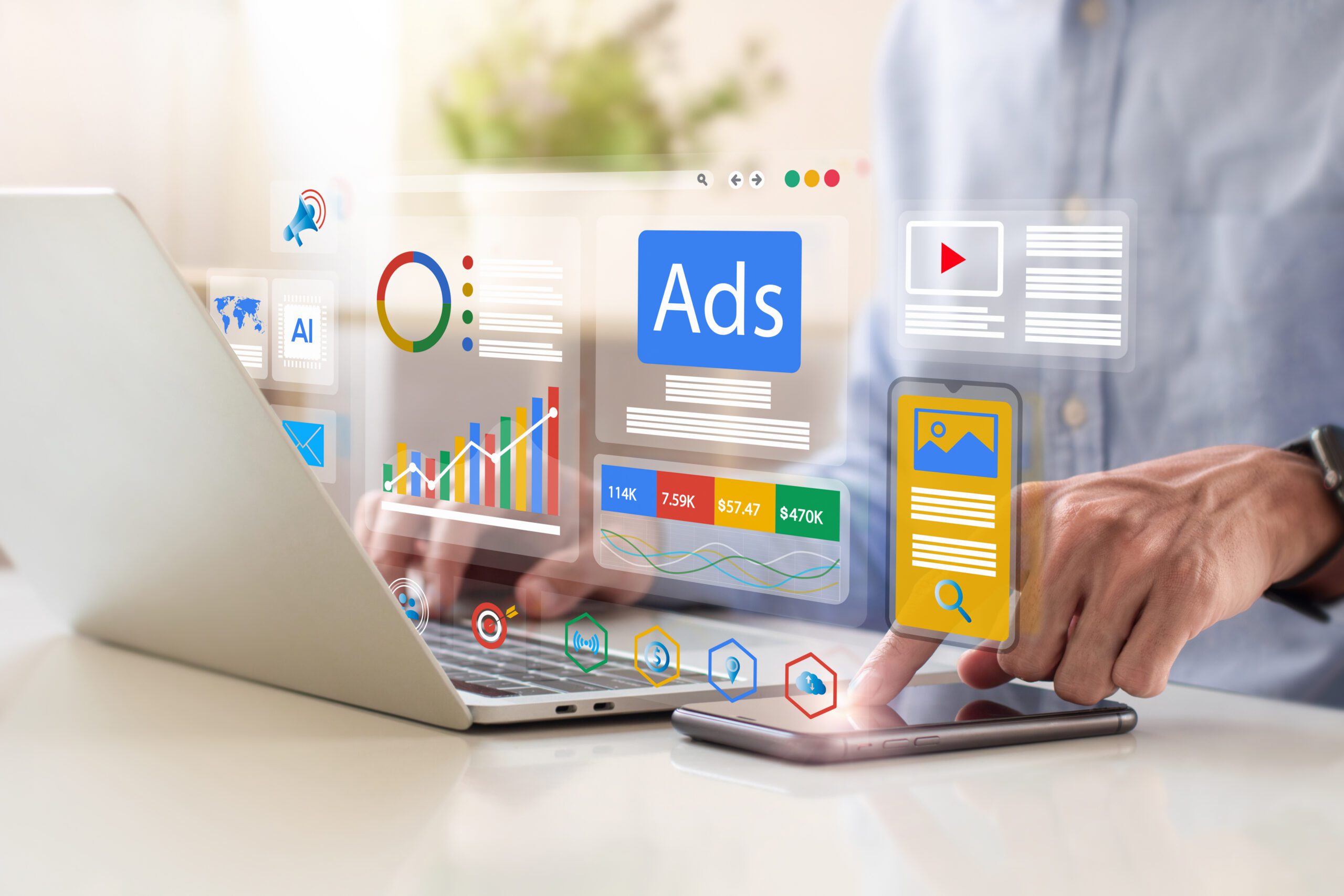 Imagine you are steering a ship across a vast, shifting ocean. Your map is your strategy, your sails are your creative assets, and the wind represents the market’s attention. In the past, sailors had to wait for the stars to align to know if they were on course. Today, we have the equivalent of high-definition sonar and GPS.
In the high-stakes world of modern business, simply “running ads” is a recipe for a quiet bank account. The real magic happens in the refinement. Optimizing advertising campaigns is the process of listening to what the market is telling you and having the courage to change course in an instant. It’s about moving away from “set it and forget it” and embracing a philosophy of perpetual motion.
Imagine you are steering a ship across a vast, shifting ocean. Your map is your strategy, your sails are your creative assets, and the wind represents the market’s attention. In the past, sailors had to wait for the stars to align to know if they were on course. Today, we have the equivalent of high-definition sonar and GPS.
In the high-stakes world of modern business, simply “running ads” is a recipe for a quiet bank account. The real magic happens in the refinement. Optimizing advertising campaigns is the process of listening to what the market is telling you and having the courage to change course in an instant. It’s about moving away from “set it and forget it” and embracing a philosophy of perpetual motion.