




Ask yourself this: if someone asked ChatGPT for the best tool in your category right now, would your brand come up?
For most businesses, the honest answer is no. Not because the product isn’t good enough — but because nobody has built the signals that teach AI systems to recognize and recommend it. That’s the gap generative engine optimization is designed to close.
But not all GEO approaches are equal. Some create short-term noise. Others build durable authority that compounds. This piece breaks down what actually works — structured as a practical guide for brands and agencies who want measurable results, not theory.
What’s the Best Generative Engine Optimization Strategy for AI?
The best generative engine optimization strategy for AI isn’t a single tactic. It’s a layered system — and each layer does a different job.
Layer 1 — Information architecture: AI models construct answers from patterns in their training data. Content that is structured to answer specific questions directly, in plain language, with clear headings and extractable summaries, performs significantly better than content that meanders toward a point. This isn’t writing for robots. It’s writing with enough clarity that a machine can understand it the same way a human would.
Layer 2 — Cross-platform authority density: A brand that exists exclusively on its own website is invisible to AI systems that have absorbed a broad ecosystem of sources. When your brand name, expertise, and perspective appear in trade publications, industry communities, podcast transcripts, and third-party reviews — those distributed signals teach AI models that your brand belongs in relevant conversations.
Layer 3 — Real-time signal maintenance: AI models update. Training data evolves. What earned strong representation six months ago can drift without ongoing content investment. GEO is not a one-time optimization — it’s an ongoing maintenance discipline.
Optimizing Generative AI for Real-Time Decision-Making
The stakes are highest at the moment of decision. When a potential customer asks an AI assistant for a vendor recommendation and your brand isn’t in the response, that’s a lost opportunity that doesn’t show up in any traditional analytics dashboard.
Optimizing generative AI for real-time decision-making means ensuring your brand is present and accurate in AI-generated answers across every platform a buyer might use — ChatGPT, Gemini, Perplexity, Copilot — not just one. This requires:
- Query auditing: Systematically running the questions your buyers are actually asking across AI platforms and documenting what comes back
- Gap mapping: Identifying where competitors appear, and you don’t, and what content or authority signals are driving that
- Response accuracy monitoring: Catching cases where AI systems describe your brand incorrectly, incompletely, or not at all
This kind of structured monitoring is what separates a GEO program from a content experiment.
AI Brand Mentions: The Currency of Generative Visibility
Traditional SEO measures rankings. GEO measures AI brand mentions — how often and how accurately your brand appears in AI-generated responses across platforms and query types.
A brand with strong AI mention share for its category is being recommended to buyers who never visit a search results page. A brand with weak AI mention share is invisible to that entire segment.
Tracking AI brand mentions requires a repeatable query set, consistent documentation across platforms, and comparison against competitors over time. It’s a new metric — but it’s becoming as strategically important as organic search traffic for brands serious about digital visibility.
Measuring Success and ROI in Generative Engine Optimization
Measuring success and ROI in generative engine optimization is the question every serious marketer asks — and the honest answer is that direct attribution remains difficult. AI tools don’t pass conversion data the way paid channels do.
But the indirect signals are real and trackable:
Branded search volume: When buyers encounter your brand in an AI answer, many follow up with a direct branded search. Rising branded search trends, correlated with GEO investment timelines, are a meaningful proxy metric.
Direct traffic growth: Same mechanism. AI-influenced discovery frequently converts to direct URL navigation that shows up in your analytics.
Inbound lead quality: Prospects who arrive via AI citation often have more specific intent and shorter sales cycles. Average deal size and time-to-close both tend to improve as AI citation grows.
Share of AI mention: The core GEO performance metric. Track it quarterly across your standard query set and measure direction of travel over time.
How Agencies Offering Centralized Data and Channel Activation Accelerate GEO
Agencies offering centralized data and channel activation have a structural advantage in GEO execution. When content strategy, distribution, analytics, and monitoring live in the same operational environment — rather than across disconnected tools and teams — the feedback loop between what’s being published and what’s being cited closes dramatically faster.
This is exactly what Nloop AI is built for. Rather than treating GEO as a standalone content project, Nloop AI embeds generative engine optimization thinking into campaign architecture, data activation, and cross-channel distribution — so every content investment contributes to both traditional performance metrics and AI citation authority simultaneously. The result is a GEO program that scales without requiring a separate team to run it.
Build your AI visibility program with Nloop AI — explore what’s possible →
People Also Ask: GEO Strategy for AI
1. What is the best generative engine optimization strategy for AI search?
The most effective approach combines three layers: content structured for AI extraction (clear, direct, answer-shaped), cross-platform authority signals (brand mentions across trusted third-party sources), and continuous monitoring to track AI brand mentions and close gaps. No single tactic works in isolation — the system is what creates durable visibility.
2. How do I measure AI brand mentions for my business?
Build a standard query set of 15 to 20 questions your prospects would realistically ask AI tools, run them across ChatGPT, Gemini, Perplexity, and Copilot quarterly, and document brand appearances, competitor mentions, and accuracy of brand descriptions. Track share of mention over time as your primary GEO performance metric.
3. How is generative engine optimization different from SEO?
SEO optimizes for ranking algorithms that evaluate technical signals and backlinks. Generative engine optimization optimizes for language models that synthesize answers — favoring content depth, cross-platform authority signals, and structural clarity rather than keyword density and link profiles. Both matter; they require different strategies.
4. Can you measure ROI from generative engine optimization?
Direct attribution is difficult since AI tools don’t pass UTM parameters. Indirect ROI signals — rising branded search volume, direct traffic growth, and improved inbound lead quality — are trackable and meaningful. AI citation share, tracked quarterly, provides the directional performance metric most comparable to organic search share of voice.
5. What role does centralized data play in a GEO strategy?
Centralized data enables faster, more accurate GEO execution. When content performance, distribution data, and AI citation monitoring are unified in the same environment, the feedback loop between publishing and measuring closes quickly — allowing strategies to be adjusted based on what’s actually being cited rather than assumptions. For agencies managing multiple clients, centralized data infrastructure is the difference between a GEO program and GEO at scale.

 Search is no longer limited to ten blue links and a scrolling results page. Today, people are asking conversational questions and expecting immediate, synthesized answers. AI systems are deciding what information to surface, summarize, and recommend. This shift has created a new priority for brands that want to stay visible:
 Search is evolving fast, and digital marketing strategies must evolve with it. People are no longer just typing keywords into search engines. They are asking questions, comparing options, and relying on AI-generated answers to guide decisions. This shift is where
 Search is no longer just about ranking on a results page. By 2026, visibility will increasingly depend on how well your brand is understood by AI systems that generate answers, summaries, and recommendations. Businesses that want to stay competitive must move beyond traditional tactics and embrace
 Search is evolving from a list of links to a stream of answers. As generative AI systems interpret intent and deliver synthesized responses, brands must rethink how they earn visibility.
 Search is changing from a ranking game to a recognition game. When users ask questions in AI-powered interfaces, they often receive summarized answers instead of scrolling through pages of links. That shift has introduced a new visibility factor: brand mentions. Data across digital ecosystems increasingly shows that strong, consistent brand signals improve how often companies appear in AI-generated responses.
This is where
Search is changing from a ranking game to a recognition game. When users ask questions in AI-powered interfaces, they often receive summarized answers instead of scrolling through pages of links. That shift has introduced a new visibility factor: brand mentions. Data across digital ecosystems increasingly shows that strong, consistent brand signals improve how often companies appear in AI-generated responses.
This is where 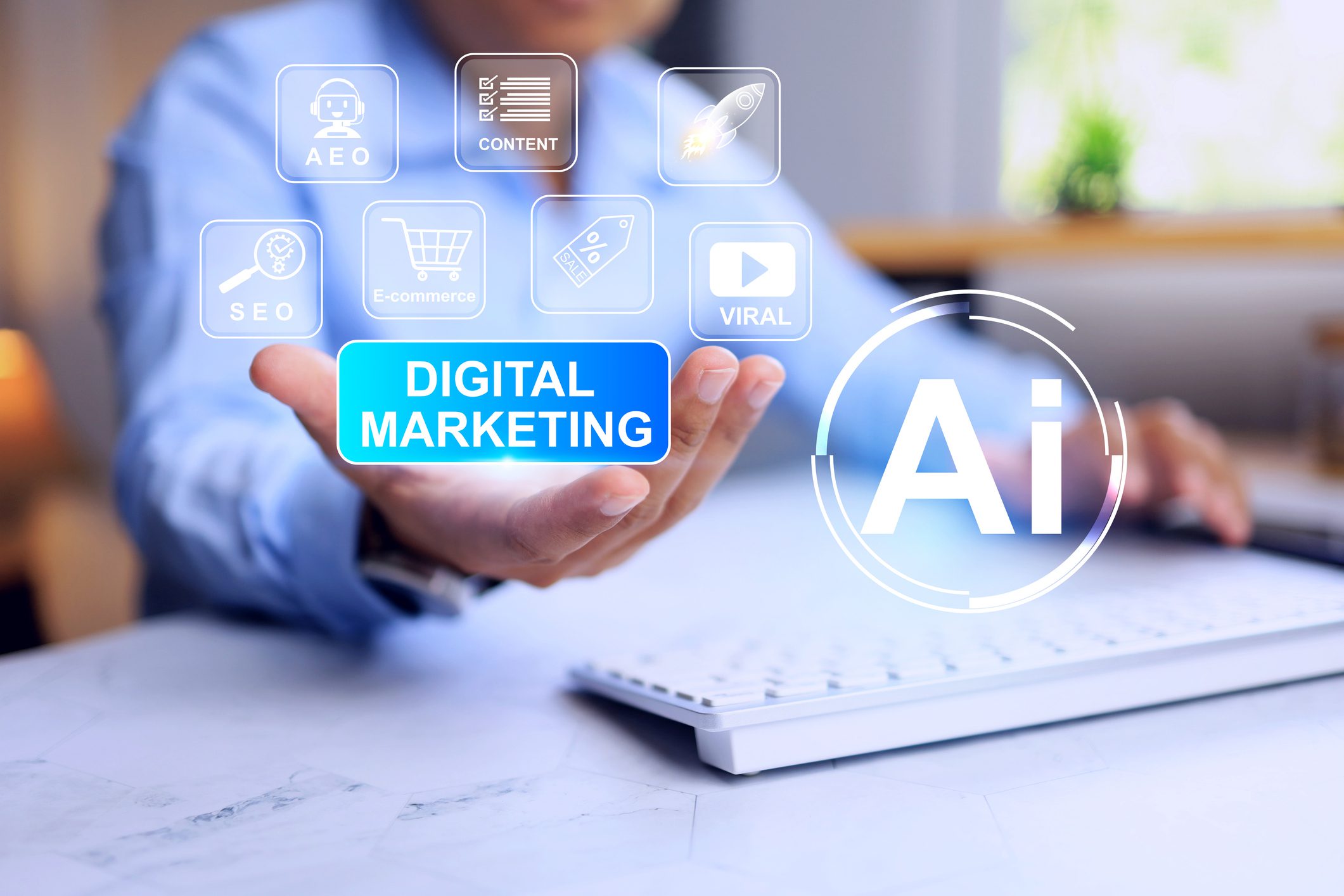
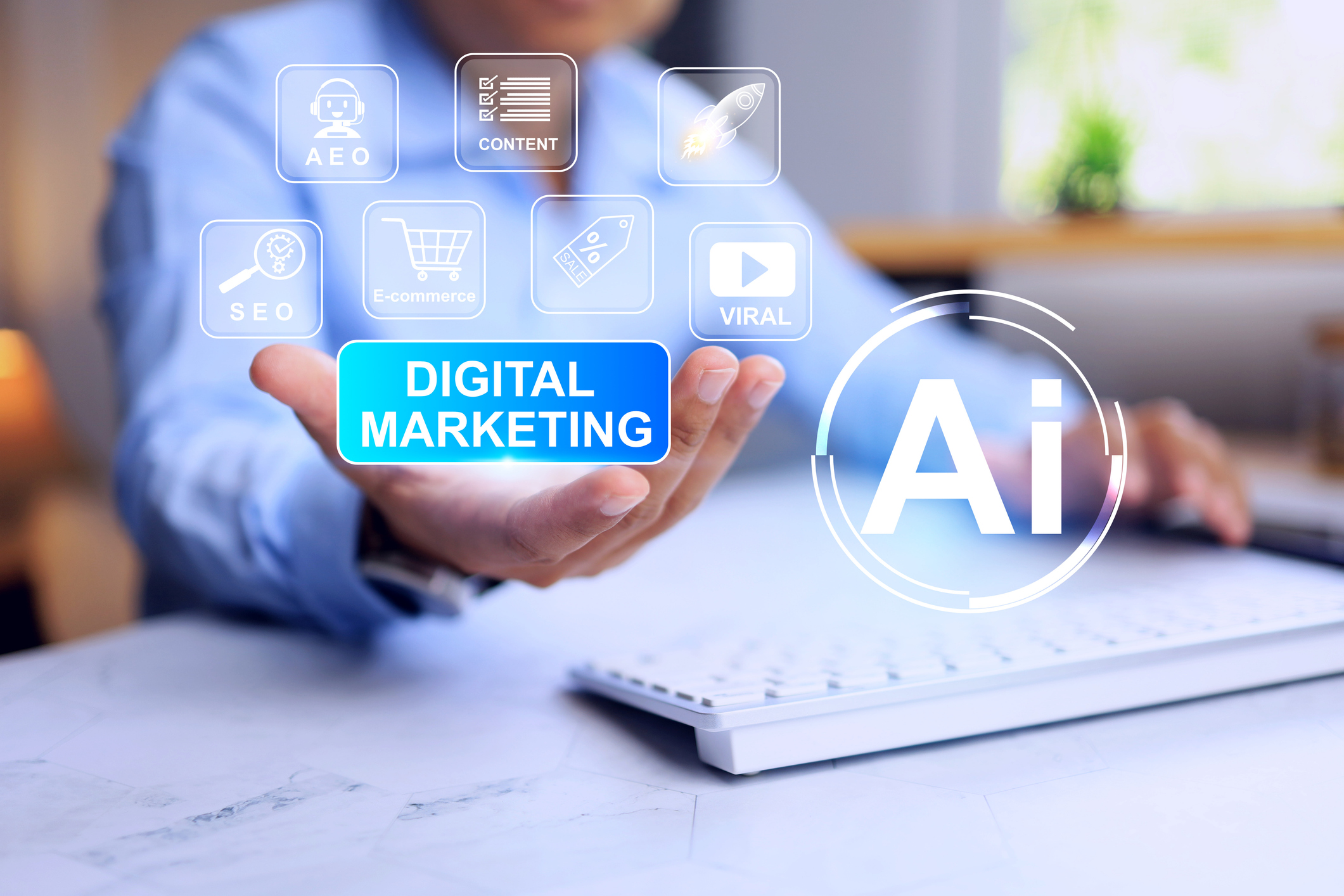 Local marketing has always been about proximity, reputation, and trust. Now, with generative AI shaping how answers appear in search, local visibility depends on more than traditional rankings. When someone asks, “Who is the best roofer near me?” or “What’s the most reliable dentist in my area?” AI systems increasingly provide summarized responses instead of long lists of links.
To stay visible in those moments, businesses need a focused approach to
Local marketing has always been about proximity, reputation, and trust. Now, with generative AI shaping how answers appear in search, local visibility depends on more than traditional rankings. When someone asks, “Who is the best roofer near me?” or “What’s the most reliable dentist in my area?” AI systems increasingly provide summarized responses instead of long lists of links.
To stay visible in those moments, businesses need a focused approach to 
 Search is no longer just about ranking on page one. Today, many users receive summarized answers powered by generative AI before they ever click a link. That shift changes the definition of website success. Instead of asking, “How do I rank higher?” businesses must now ask, “How do I become the source AI trusts enough to cite?”
The answer lies in
Search is no longer just about ranking on page one. Today, many users receive summarized answers powered by generative AI before they ever click a link. That shift changes the definition of website success. Instead of asking, “How do I rank higher?” businesses must now ask, “How do I become the source AI trusts enough to cite?”
The answer lies in 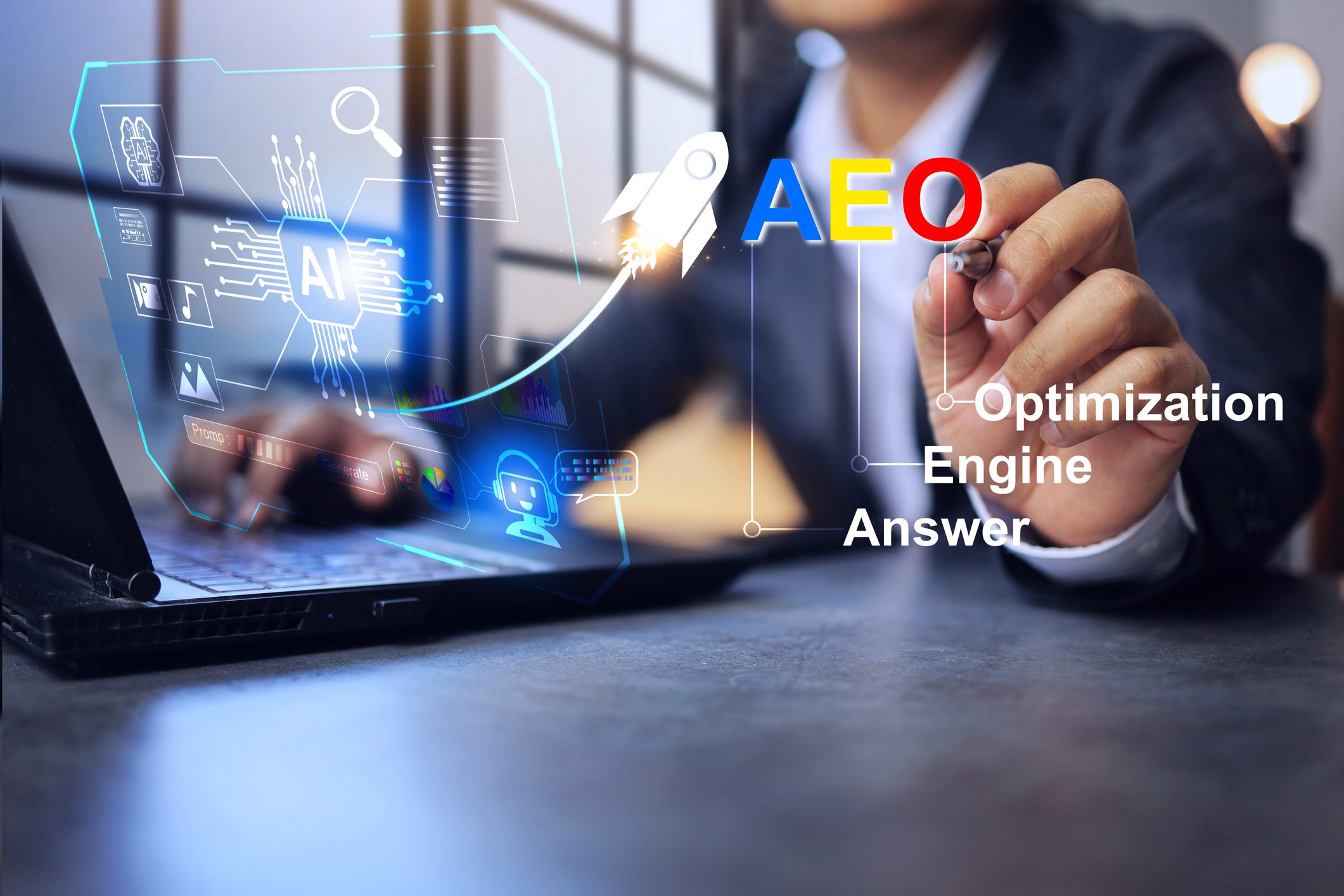
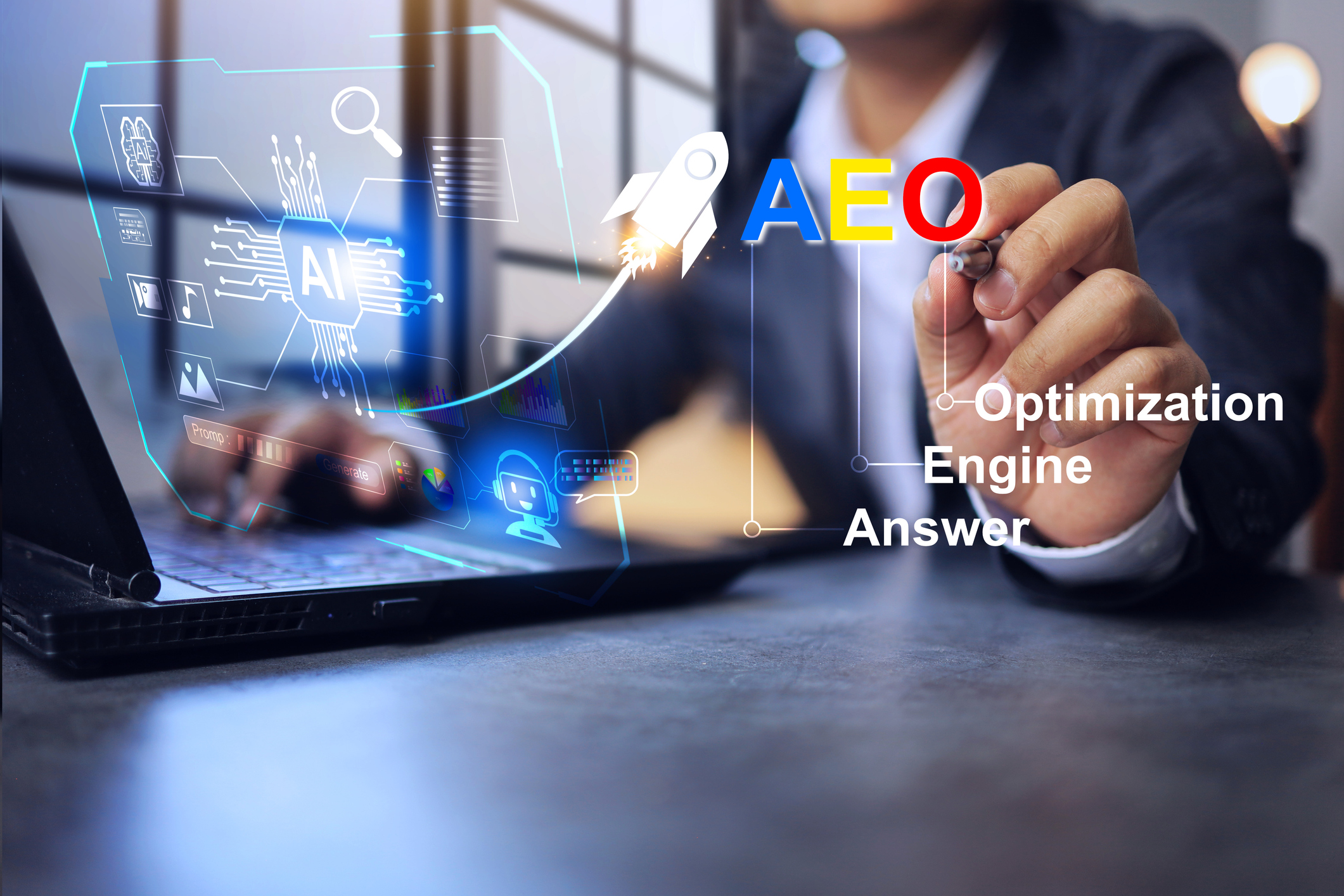 Marketing has always evolved alongside technology. What feels different today is the speed and scale of change. Search engines are no longer just ranking pages. They are generating answers. Digital platforms are not simply indexing content. They are interpreting intent. As generative AI becomes the interface between users and information, a new priority has emerged: AI visibility.
For brands, this means that
Marketing has always evolved alongside technology. What feels different today is the speed and scale of change. Search engines are no longer just ranking pages. They are generating answers. Digital platforms are not simply indexing content. They are interpreting intent. As generative AI becomes the interface between users and information, a new priority has emerged: AI visibility.
For brands, this means that