Tag: GEO Strategy

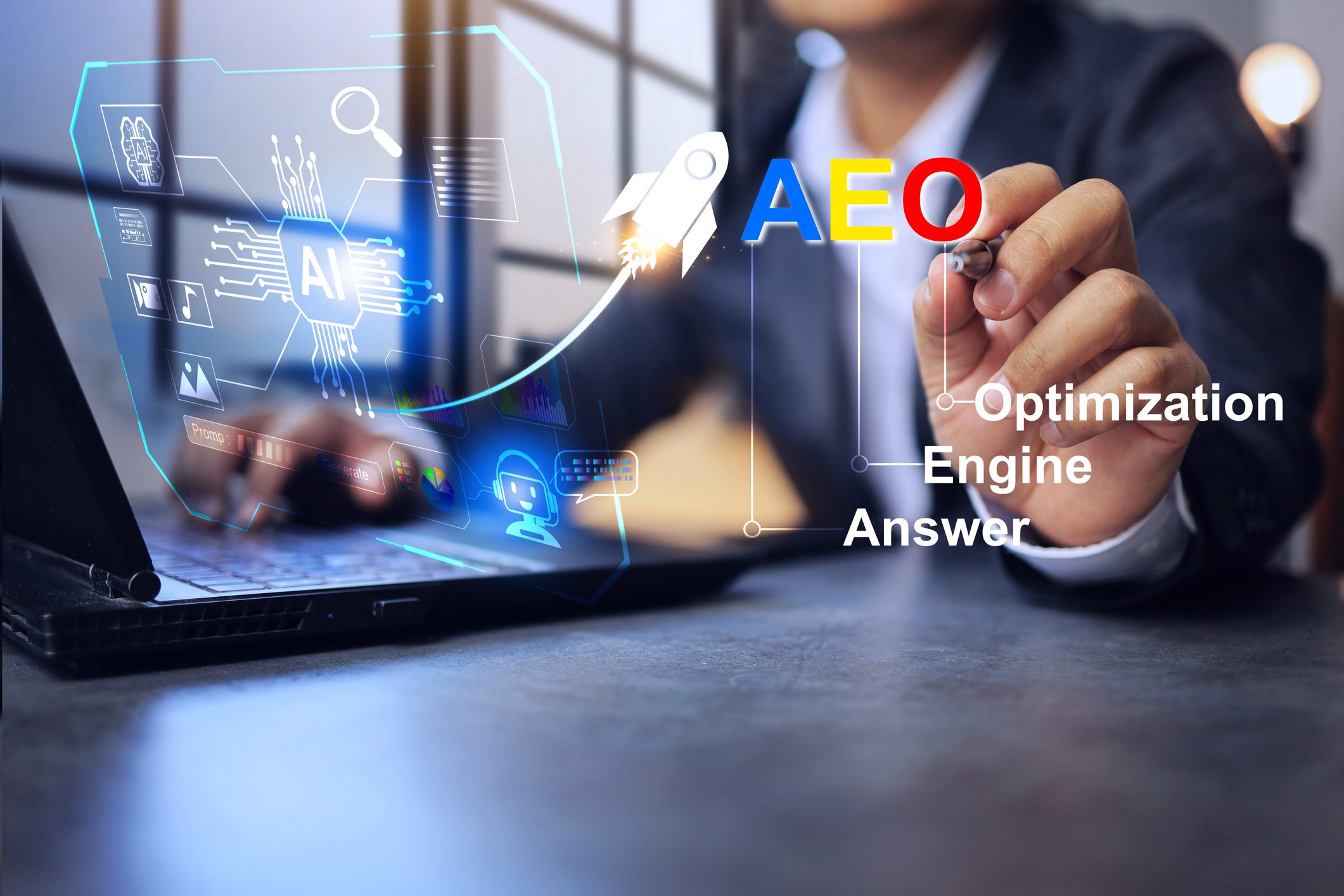
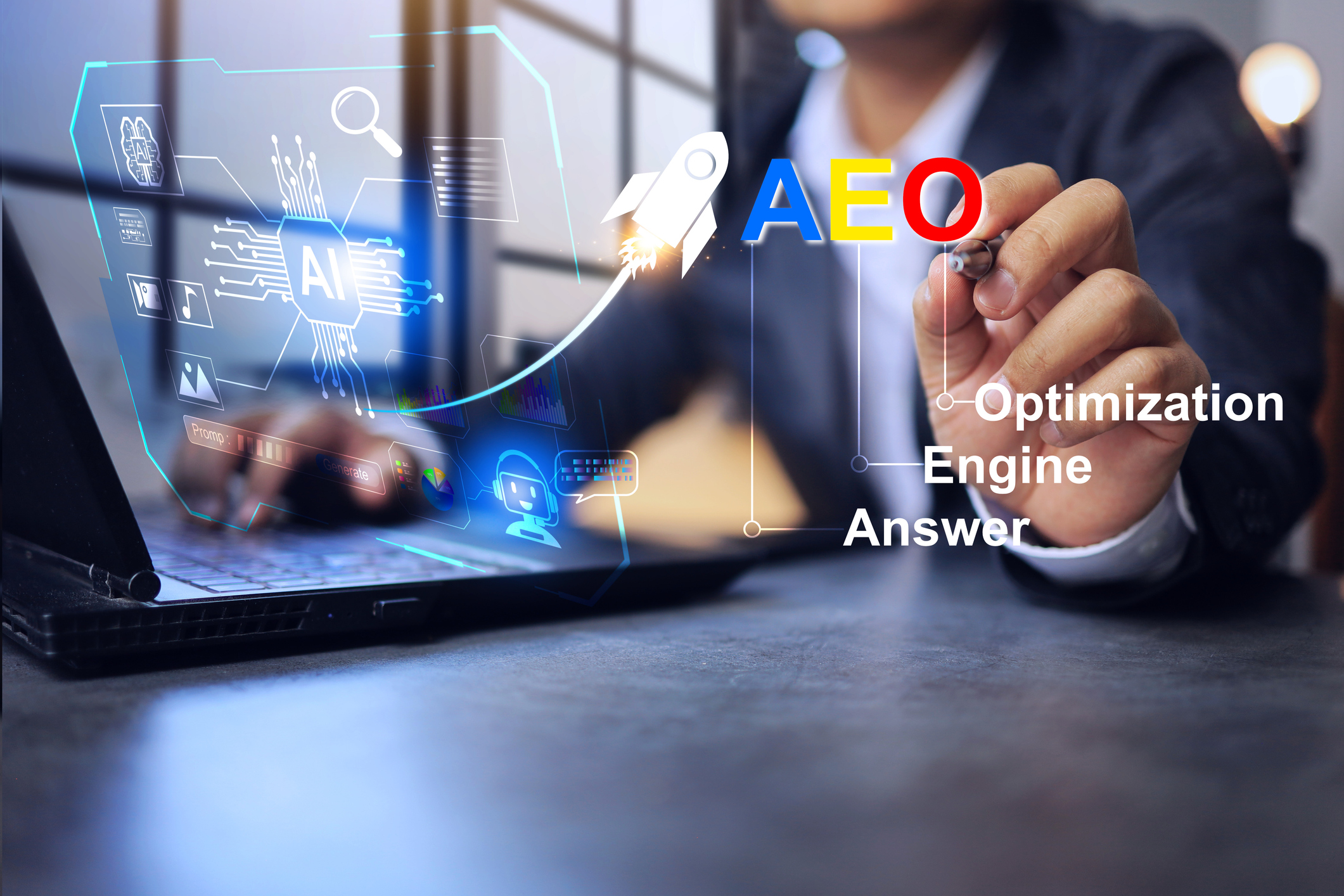
  • AI Visibility, GEO, and AEO: Why the Future of Marketing Belongs to Structured Authority

    AI Visibility, GEO, and AEO: Why the Future of Marketing Belongs to Structured Authority

    AI Visibility, GEO & AEO Marketing has always evolved alongside technology. What feels different today is the speed and scale of change. Search engines are no longer just ranking pages. They are generating answers. Digital platforms are not simply indexing content. They are interpreting intent. As generative AI becomes the interface between users and information, a new priority has emerged: AI visibility. For brands, this means that generative engine optimization (GEO), answer engine optimization (AEO), and AI visibility strategies are no longer experimental. They are foundational to the future of digital marketing.

    The Shift From Rankings to Responses

    Traditional search engine optimization focused on ranking higher in search results. While rankings still matter, generative AI has altered the landscape. When users ask questions today, AI systems often provide summarized answers before displaying links. That change introduces a new challenge: how do you ensure your brand becomes part of the answer? This is where generative engine optimization plays a central role. Instead of optimizing solely for ranking positions, GEO focuses on structuring content so AI systems can interpret, extract, and cite it accurately. In simple terms, the goal is no longer just to be found. It is to be referenced.

    What AI Visibility Means for Brands

    AI visibility refers to how often and how accurately your brand appears in AI-generated responses. This visibility can influence:
    • Purchase decisions
    • Brand perception
    • Thought leadership recognition
    • Trust and credibility
    If AI systems summarize competitors instead of your brand, your digital presence becomes less influential—even if you technically rank well. Generative AI acts as a filter. Brands must adapt to ensure they are filtered in, not out.

    Generative Engine Optimization: The Core of AI-Ready Strategy

    Generative engine optimization focuses on three principles:
    1. Clarity – Use structured, direct answers.
    2. Authority – Build credibility signals across platforms.
    3. Extractability – Format content so AI systems can summarize it without distortion.
    Unlike traditional SEO, which often emphasizes keyword placement, GEO prioritizes readability and context. Effective practices include:
    • Question-based headings
    • Short definitions at the beginning of sections
    • Bullet-point summaries
    • In-depth, original insights
    This structure supports both user experience and AI search optimization.

    AEO: Designing Content for Direct Answers

    Answer engine optimization complements GEO. AEO focuses on creating concise, accurate responses that align with conversational queries. For example, users may ask:
    • What is generative engine optimization?
    • Why is AI visibility important?
    • How can brands prepare for AI-driven marketing?
    Designing content around these natural-language questions improves the likelihood of being included in AI-generated summaries. The overlap between AEO and generative engine optimization reinforces a larger truth: structured authority wins.

    Real-Time Forecasting and Data-Driven Adaptation

    AI systems evolve quickly. Marketers must stay ahead through real-time forecasting. By analyzing search trends, conversational query growth, and engagement shifts, brands can anticipate what topics AI systems will prioritize. Real-time forecasting helps marketers:
    • Identify emerging industry themes
    • Refine content strategies proactively
    • Allocate budgets effectively
    • Adjust messaging before competitors respond
    Data-driven digital marketing strategies reduce guesswork and increase resilience.

    Authority Signals Matter More Than Ever

    AI systems evaluate credibility across multiple sources. This means brand mentions, customer reviews, and third-party publications play a crucial role. To strengthen AI visibility:
    • Publish original research or insights
    • Encourage authentic reviews
    • Maintain consistent business information
    • Participate in reputable industry conversations
    Authority extends beyond your website. Generative AI considers the broader ecosystem.

    Balancing AI Tools With Human Insight

    AI can assist with ideation, summarization, and analytics. However, it should not replace human strategy. Use AI for:
    • Identifying topic gaps
    • Clustering related queries
    • Summarizing large datasets
    Then rely on human editors to refine tone, verify accuracy, and ensure originality. AI occasionally introduces inaccuracies. Human oversight protects brand integrity. Quality remains the cornerstone of effective digital marketing.

    How Nloop AI Strengthens AI-Ready Marketing Strategies

    Implementing GEO and AEO requires more than content adjustments. It demands structured systems and predictive insight. Nloop AI helps organizations align content architecture, authority-building initiatives, and performance analytics into cohesive strategies. Rather than reacting to AI search changes, teams can leverage data-driven insights to maintain visibility and build long-term authority. This approach transforms AI visibility from a trend into a measurable growth channel.

    Frequently Asked Questions

    What is generative engine optimization?

    Generative engine optimization is the practice of structuring content and authority signals so AI systems can extract and cite information accurately.

    How does AI visibility differ from traditional SEO?

    Traditional SEO focuses on rankings. AI visibility focuses on inclusion within AI-generated summaries and answers.

    Why are GEO and AEO considered the future of marketing?

    Because generative AI is becoming the primary interface for information discovery, it is influencing consumer decisions.

    How does real-time forecasting help marketers?

    It enables proactive content planning and strategic adjustments based on emerging trends.

    Should brands rely solely on AI-generated content?

    No. AI supports analysis and efficiency, but human editing ensures authenticity and accuracy.

    Building Influence in an AI-Driven Era

    AI visibility, GEO, and AEO represent a structural shift in marketing strategy. As generative AI continues reshaping search and discovery, brands that prioritize structured clarity and authority will define the next phase of digital marketing. The future belongs to those who combine real-time forecasting, high-quality content, and thoughtful optimization. If you are ready to future-proof your marketing strategy and strengthen your presence in AI-generated search, now is the time to act. Partner with Nloop AI to build a structured, data-informed approach that positions your brand as a trusted source in the AI era.
  • How Generative AI Is Reshaping Google Search and What It Means for SEO Strategy

    How Generative AI Is Reshaping Google Search and What It Means for SEO Strategy

    Generative AI Is Changing Google Search Search engines have always evolved alongside technology, but the arrival of generative AI has introduced one of the most significant shifts in how people discover information online. Instead of simply presenting lists of links, modern search systems increasingly summarize answers directly on the results page. This transformation changes not only how users interact with Google but also how websites must approach visibility. For marketers, understanding how generative engine optimization works alongside generative AI is becoming essential. Businesses that adapt to this shift can remain visible in AI-powered search experiences, while those relying only on traditional SEO may gradually lose relevance.

    The Shift from Traditional Rankings to AI-Generated Answers

    Google’s algorithms historically ranked pages based on relevance, authority, and user experience signals. While these factors still matter, generative AI introduces a new layer of interpretation. Instead of only matching keywords to pages, AI systems analyze intent, context, and credibility across multiple sources before generating a summarized response. This means that when someone searches a question like “How do I fix a leaking faucet?” Google may show a synthesized answer pulled from several authoritative sources. For digital marketing teams, this change introduces a new priority: ensuring that content is structured in ways that AI can interpret and cite accurately.

    What Generative Engine Optimization Means for Modern SEO

    Generative engine optimization focuses on preparing content so that generative AI systems can understand and reference it effectively. Unlike traditional SEO, which primarily targets rankings, GEO emphasizes:
    • Clear and concise answers
    • Logical content structure
    • Credible authority signals
    • Context-rich explanations
    These elements help ensure that AI tools recognize your content as a trustworthy source when generating answers. For example, a well-structured article that directly answers a common question at the beginning of a section is more likely to be summarized by AI systems.

    Why Content Structure Matters More Than Ever

    Generative AI prefers information that is easy to extract and summarize. This makes structure one of the most important elements of modern search visibility. Effective content structure includes:
    • Question-based headings that mirror user intent
    • Concise definitions at the beginning of sections
    • Bullet points that highlight key insights
    • Clear summaries at the end of explanations
    When content follows this structure, it improves readability for both human users and AI systems. This approach not only supports generative engine optimization but also enhances user experience and engagement.

    Authority Signals and Brand Recognition

    Generative AI does not evaluate pages in isolation. It looks at the broader digital ecosystem when determining which sources to trust. Strong authority signals include:
    • Mentions from reputable websites
    • Positive reviews and testimonials
    • Consistent brand information across platforms
    • Thought leadership content published by industry experts
    For businesses, building authority across multiple channels strengthens their credibility and increases the likelihood that their content will be referenced in AI-generated responses. In many cases, brand recognition itself becomes a key ranking factor in the age of generative AI.

    The Role of Human Expertise in an AI-Driven Search Landscape

    While AI tools can help generate outlines, analyze trends, and summarize data, human expertise remains critical. High-quality content requires:
    • Original insights based on real-world experience
    • Clear explanations that simplify complex ideas
    • Strategic messaging aligned with brand identity
    AI occasionally introduces inaccuracies or generic phrasing. Human editors play an essential role in verifying facts and refining content to maintain authenticity. This balance between automation and expertise ensures that digital marketing strategies remain both efficient and trustworthy.

    Using AI for Data Analysis and Strategy Development

    Generative AI can also support SEO and marketing efforts by analyzing patterns in user behavior. Marketers can use AI to:
    • Identify emerging search trends
    • Discover content gaps in their industry
    • Forecast seasonal demand
    • Analyze competitor strategies
    By leveraging AI for data analysis rather than relying on it solely for content creation, businesses gain strategic insights that improve long-term performance. This approach helps marketers stay ahead of algorithm changes and shifting user expectations.

    How Nloop AI Supports Businesses in the AI Search Era

    Adapting to the evolving search landscape requires more than simply updating keywords. Nloop AI helps organizations align their content strategies with modern search technologies, including generative AI. Through advanced analytics and optimization frameworks, businesses can better understand how their content performs within AI-powered search environments. This enables them to refine messaging, strengthen authority signals, and maintain visibility as search algorithms evolve. By combining data-driven insights with human expertise, Nloop AI empowers brands to navigate the complexities of generative engine optimization with confidence.

    Frequently Asked Questions

    What is generative engine optimization?

    Generative engine optimization is the process of structuring and refining content so that generative AI systems can accurately interpret, summarize, and reference it in search results.

    How does generative AI change Google search?

    Generative AI allows Google to create summarized answers based on multiple sources rather than displaying only a list of links.

    Does traditional SEO still matter?

    Yes. Core search engine optimization principles such as technical performance, authority, and relevance remain important. However, they must now be combined with GEO strategies.

    Why is content structure important for AI search?

    Structured content helps AI systems extract information quickly and accurately, increasing the likelihood of being cited in generated answers.

    Should businesses rely entirely on AI for content creation?

    No. AI should support research and analysis, but human editors should refine and validate the final content.

    Preparing for the Future of Search

    Search is becoming more conversational, contextual, and intelligent. Businesses that understand how generative AI influences search algorithms will be better prepared to adapt their strategies. By focusing on structured content, authoritative insights, and thoughtful digital marketing practices, organizations can ensure their information remains visible in AI-driven search environments. The future of SEO is not about replacing human creativity with algorithms. It is about combining technology and expertise to deliver content that truly answers the questions people ask.
  • How Businesses Can Optimize Generative AI for Real-Time Decision-Making

    How Businesses Can Optimize Generative AI for Real-Time Decision-Making

    Generative AI for Real-Time Decision-Making Businesses no longer operate in slow-moving environments where decisions can wait days or weeks. Customer behavior, market trends, and operational data change by the minute. Companies that react quickly often gain a competitive edge. This is where optimizing generative AI for real-time decision-making becomes essential. Generative AI systems are capable of analyzing large datasets, predicting patterns, and suggesting responses almost instantly. However, simply adopting AI tools is not enough. Organizations must structure their systems, workflows, and data sources to enable AI to deliver accurate and meaningful insights when they matter most.

    Why Real-Time Decision-Making Matters in the AI Era

    Traditional decision-making processes often relied on historical data and periodic reports. While useful, these methods cannot always keep pace with rapidly shifting markets. Real-time decision-making allows businesses to:
    • Respond to customer behavior immediately
    • Identify emerging trends before competitors
    • Adjust marketing campaigns dynamically
    • Improve operational efficiency
    For digital marketing teams, the ability to analyze engagement data instantly can determine whether a campaign succeeds or fails. Optimizing generative AI for real-time decision-making helps organizations turn raw information into actionable insights.

    The Role of Generative AI in Business Intelligence

    Generative AI goes beyond basic analytics. Instead of only summarizing data, it can interpret patterns and propose strategies based on context. Key capabilities include:
    • Predictive trend analysis
    • Automated reporting and summarization
    • Natural language insights for complex datasets
    • Scenario simulations for strategic planning
    When integrated properly, generative AI becomes an interactive decision-support system rather than a passive reporting tool.

    Data Quality: The Foundation of Real-Time Insights

    AI systems are only as reliable as the data they analyze. For companies aiming to improve decision-making speed, data quality is critical. Organizations should focus on:
    • Maintaining consistent data structures across platforms
    • Eliminating duplicate or outdated records
    • Integrating customer insights from multiple sources
    Clean, structured data allows generative AI to detect patterns quickly and produce accurate recommendations. For digital marketing strategies, this means connecting CRM systems, analytics tools, and marketing platforms into a unified ecosystem.

    Generative Engine Optimization for AI Insights

    Generative engine optimization is not limited to search visibility. It also plays a role in how AI systems interpret internal and external data. Structured content helps AI models understand context more effectively. Best practices include:
    • Clear data categorization
    • Standardized terminology across systems
    • Structured reporting formats
    • Consistent documentation of insights
    By aligning content and data structures with generative engine optimization principles, businesses can improve the reliability of AI-driven recommendations.

    Using AI for Forecasting and Strategic Planning

    One of the most valuable aspects of generative AI is predictive forecasting. AI can analyze historical patterns and external factors to estimate future outcomes. Businesses can use this capability to anticipate market changes and adjust strategies proactively. Examples include:
    • Forecasting customer demand during seasonal campaigns
    • Predicting social media engagement trends
    • Identifying emerging product interests
    • Estimating marketing ROI before launching campaigns
    These insights enable smarter planning and faster adaptation.

    Balancing Automation With Human Expertise

    AI can process vast amounts of data quickly, but human judgment remains essential. Companies should use AI for:
    • Data summarization and pattern detection
    • Trend identification
    • Scenario simulation
    Human teams should focus on:
    • Strategic interpretation
    • Ethical considerations
    • Brand messaging alignment
    • Creative decision-making
    This collaboration between AI and human expertise ensures that insights remain both accurate and actionable.

    Practical Steps for Optimizing Generative AI Systems

    Businesses seeking to improve real-time decision-making can start with a structured approach.

    1. Integrate Data Sources

    Connect CRM platforms, analytics dashboards, and marketing tools to ensure consistent information flow.

    2. Define Clear Decision Metrics

    Determine which performance indicators AI should monitor and prioritize.

    3. Automate Insight Generation

    Use generative AI to summarize trends and provide daily or hourly reports.

    4. Monitor Model Performance

    Regularly evaluate AI recommendations and adjust algorithms when needed.

    5. Encourage Cross-Team Collaboration

    Share AI insights across departments to improve decision-making organization-wide. These steps ensure that optimizing generative AI for real-time decision-making becomes an ongoing process rather than a one-time implementation.

    How Nloop AI Supports Intelligent Decision-Making

    Implementing advanced AI systems requires both technical expertise and strategic insight. Nloop AI helps organizations integrate data-driven analytics, predictive forecasting, and structured optimization frameworks into their operations. Rather than relying solely on retrospective reports, teams can access actionable insights that support immediate decisions. This approach empowers businesses to align digital marketing strategies with real-time data and evolving customer behavior.

    Frequently Asked Questions

    What does optimizing generative AI for real-time decision-making mean?

    It involves structuring data systems and workflows so that generative AI can analyze information instantly and provide actionable recommendations.

    How does generative AI improve business decisions?

    Generative AI quickly analyzes patterns and trends, enabling businesses to respond more quickly to market changes.

    Why is generative engine optimization important for AI systems?

    Structured content and data help AI models interpret information accurately, improving the quality of insights.

    Can small businesses benefit from AI-driven decision tools?

    Yes. Even smaller companies can use generative AI for trend forecasting, customer insights, and digital marketing optimization.

    Should AI replace human decision-makers?

    No. AI should assist with analysis and forecasting, while humans remain responsible for strategic and ethical decisions. Modern businesses must move faster than ever to stay competitive. By optimizing generative AI for real-time decision-making, organizations can transform data into meaningful insights that guide strategy and improve performance. Combining generative AI capabilities with strong data practices and generative engine optimization principles ensures that decision-making remains accurate, timely, and scalable. Companies that embrace this approach will be better equipped to adapt, innovate, and lead in a rapidly evolving digital marketing landscape.
  • How to Get Your Brand Mentioned in AI Search: A Practical Guide to Generative Engine Optimization

    How to Get Your Brand Mentioned in AI Search: A Practical Guide to Generative Engine Optimization

    Generative Engine Optimization Guide for AI Search Search behavior is evolving rapidly. Instead of browsing through multiple websites, people increasingly rely on AI-generated summaries that deliver quick answers. These responses are often created by generative AI, which scans multiple sources, interprets context, and produces concise explanations. For businesses and marketers, this shift changes how visibility works. Ranking on page one is no longer the only goal. The new challenge is ensuring your brand or content becomes part of the AI-generated answer. This is where generative engine optimization plays a crucial role. When implemented correctly, GEO helps businesses structure their content so that AI search engines recognize it as credible, useful, and worthy of citation.

    Understanding Generative Engine Optimization

    Generative engine optimization focuses on preparing digital content for AI-powered search experiences. Unlike traditional SEO, which prioritizes keywords and backlinks, GEO emphasizes clarity, context, and structured information. AI systems analyze content differently from traditional algorithms. They prioritize:
    • Direct answers to questions
    • Clear structure and logical formatting
    • High-authority sources
    • Content that demonstrates expertise
    By aligning content with these criteria, businesses increase the likelihood that their insights will be referenced in AI-generated search results.

    Why AI Search Engines Prefer Structured Content

    Generative AI systems extract information quickly. They look for content that is easy to interpret and summarize. To improve the chances of being cited, your content should follow a structured format:

    Use Clear Questions as Headings

    Many searches are phrased as questions. Structuring your content around those queries helps AI understand your topic. Examples include:
    • What is generative engine optimization?
    • How can businesses appear in AI search results?
    This approach aligns with natural user behavior.

    Start With Concise Answers

    Place a short, direct explanation at the beginning of each section. After that, expand with deeper insights.

    Organize Information with Bullet Points

    Lists help AI systems quickly identify key concepts. They also improve readability for human audiences. Structured content is easier for AI tools to interpret and summarize accurately.

    Creating Content That AI Systems Trust

    AI search engines rely heavily on credibility signals. If your website demonstrates authority, it becomes more likely to appear in AI-generated answers. Strong authority signals include:
    • Citations from reputable publications
    • Positive user engagement metrics
    • Consistent brand mentions across platforms
    • Well-researched content backed by reliable sources
    Businesses that focus on high-quality information rather than mass-producing articles often achieve stronger results. Depth and originality matter more than volume.

    Using Data Insights to Guide Content Strategy

    AI tools can also help marketers understand emerging trends. Instead of guessing which topics to cover, businesses can analyze data to identify opportunities. Common AI-supported insights include:
    • Trending questions within a specific industry
    • Content gaps compared with competitors
    • Seasonal changes in search demand
    • Audience engagement patterns
    By leveraging these insights, digital marketing teams can produce relevant content before competitors react. This proactive approach strengthens long-term visibility.

    Balancing AI Tools and Human Expertise

    While generative AI tools are powerful, they should support—not replace—human creativity. Effective workflows often include:
    • Using AI tools for research and topic discovery
    • Generating outlines or summaries
    • Refining content through human editing
    Human editors ensure that information is accurate, unique, and aligned with the brand voice. AI systems sometimes introduce inaccuracies or generic language. Careful review preserves credibility and trust.

    Building Brand Recognition Across Digital Channels

    AI search engines evaluate the broader digital environment when deciding which sources to cite. That means businesses must focus on building strong brand signals beyond their websites. Strategies include:
    • Publishing guest articles or thought leadership pieces
    • Engaging with audiences on social media platforms
    • Encouraging authentic customer reviews
    • Participating in industry discussions and forums
    Consistent brand visibility increases the likelihood that generative AI systems recognize your content as authoritative.

    How Nloop AI Helps Businesses Strengthen AI Search Visibility

    Adapting to the evolving search landscape requires strategic insight and the right tools. Nloop AI helps businesses analyze digital performance, refine content strategies, and align marketing efforts with modern search technologies. Through advanced analytics and optimization frameworks, companies can better understand how their content performs within AI-driven search environments. This allows organizations to improve visibility and stay competitive as generative AI continues to reshape digital marketing.

    Frequently Asked Questions

    What is generative engine optimization?

    Generative engine optimization is the practice of structuring and refining digital content so that AI-powered search systems can interpret and cite it in generated answers.

    How does generative AI influence search results?

    Generative AI analyzes information from multiple sources and produces summarized responses rather than only listing website links.

    Why is structured content important for AI search?

    Structured content allows AI systems to extract information quickly and accurately, increasing the chances of citation.

    Can small businesses benefit from GEO strategies?

    Yes. Clear, well-researched content helps smaller brands compete effectively with larger organizations in AI-generated search responses.

    Should companies rely completely on AI-generated content?

    No. AI should assist with research and analysis, while human editors ensure quality, originality, and accuracy. Search is entering a new era where AI-generated answers shape how users discover information. Businesses that adapt their strategies today will gain a significant advantage tomorrow. By focusing on generative engine optimization, companies can ensure their content remains visible, credible, and valuable in AI-powered search experiences. When digital marketing strategies combine structured content, authoritative insights, and thoughtful human editing, they become powerful tools for reaching audiences in a rapidly evolving search landscape.
  • A Practical Introduction to Generative Engine Optimization for Business Owners

    A Practical Introduction to Generative Engine Optimization for Business Owners

    Generative Engine Optimization for Business Owners Business owners have always relied on visibility to grow. If customers can’t find your business online, they can’t buy from you. For years, traditional search engine optimization focused on ranking web pages in search results. But search behavior is evolving. Instead of browsing through lists of links, many users now rely on answers generated by generative AI. This change means businesses need a new approach to visibility. That approach is generative engine optimization. GEO helps companies ensure that their information appears in AI-generated responses and summaries. Understanding how it works can help business owners stay competitive in a rapidly changing digital marketing environment.

    What Generative Engine Optimization Means for Businesses

    Generative engine optimization is the practice of structuring content so that AI-powered search systems can understand, summarize, and reference it. Unlike traditional SEO, GEO focuses on making information easy for AI models to interpret. When someone asks a question through an AI search interface, the system looks for reliable, clearly structured answers. Businesses that adopt GEO strategies can benefit in several ways:
    • Greater visibility in AI-generated responses
    • Increased brand authority through credible content
    • Improved engagement with customers seeking quick answers
    In simple terms, GEO ensures that your expertise becomes part of the answer customers see first.

    How Generative AI Changes Search Behavior

    Generative AI tools analyze user questions and create responses based on trusted information sources. Instead of clicking multiple links, users often read a summary generated by the AI. For example, if someone searches for “How do I start a small online business?” the AI may produce a step-by-step explanation drawn from several sources. This means that businesses must focus not only on ranking but also on being referenced. A well-structured explanation or guide may appear in the AI response even if the user never visits the website directly. For business owners, this highlights the importance of thoughtful digital marketing strategies that adapt to AI-driven search.

    Creating Content That AI Systems Understand

    Content structure plays a major role in generative engine optimization. AI systems look for information that is easy to extract and summarize. To improve visibility, businesses should:

    Use Clear Question-Based Headings

    Structure content around real customer questions, such as:
    • What services does this business provide?
    • How does this product solve a problem?
    This mirrors how users interact with generative AI search tools.

    Provide Direct Answers First

    Start each section with a concise explanation, followed by deeper insights and examples.

    Organize Information With Bullet Points

    Bullet points help both readers and AI systems quickly identify key information. This structured approach increases the likelihood that your content will appear in AI-generated summaries.

    Why Quality Content Matters More Than Ever

    Generative AI systems prioritize reliable and informative sources. Content that demonstrates expertise is more likely to be cited. Business owners can strengthen their authority by:
    • Sharing practical insights based on real experience
    • Publishing detailed guides or tutorials
    • Providing industry data or research findings
    • Updating content regularly to maintain accuracy
    Quality content signals trustworthiness. AI systems prefer sources that offer clear, valuable information rather than repetitive marketing language.

    The Role of Brand Authority in GEO

    Authority signals influence whether AI systems consider your content trustworthy. Important signals include:
    • Positive reviews and testimonials
    • Mentions in reputable publications
    • Consistent business information across directories
    • Thought leadership articles and expert commentary
    Building authority takes time, but it significantly improves your chances of appearing in AI-generated search responses. Strong brand recognition also strengthens overall digital marketing performance.

    Using AI Tools to Improve Strategy

    Generative AI can also help businesses understand their audiences and identify new opportunities. AI-driven insights can reveal:
    • Popular search questions in your industry
    • Emerging topics customers care about
    • Competitor content gaps
    • Patterns in customer engagement
    Instead of writing entire articles automatically, use AI for research and data analysis. Human editors should refine the final content to ensure originality and brand consistency. This balance between technology and human expertise leads to more effective marketing strategies.

    How Nloop AI Can Support Your Growth

    Adapting to AI-driven search requires the right tools and insights. Nloop AI helps businesses analyze trends, optimize content structures, and align their strategies with modern search technologies. By combining advanced analytics with practical guidance, companies can improve their visibility and build stronger connections with their audiences. This approach allows business owners to stay competitive while focusing on what they do best—running and growing their businesses.

    Frequently Asked Questions

    What is generative engine optimization?

    Generative engine optimization is the process of structuring content so that generative AI systems can interpret and reference it in search responses.

    How does generative AI affect search results?

    Generative AI creates summarized answers based on multiple sources rather than displaying only a list of links.

    Why should business owners care about GEO?

    Because AI-powered search tools are becoming a primary way customers find information online.

    Can small businesses benefit from GEO strategies?

    Yes. Even smaller businesses can gain visibility if they provide clear, well-structured information.

    Should businesses rely completely on AI-generated content?

    No. AI should assist with research and analysis, but human editors should refine and personalize final content. Search technology is entering a new era where AI-generated answers influence how customers discover businesses. By learning the basics of generative engine optimization, business owners can adapt their digital marketing strategies and remain visible in this evolving landscape. The key is simple: provide clear, helpful information that demonstrates real expertise. When your content answers the questions people ask, both search engines and AI systems will recognize your value.
  • How Generative Engine Optimization Is Reshaping the Way People Search Online

    How Generative Engine Optimization Is Reshaping the Way People Search Online

    Search Behavior Search used to be simple. People typed a few keywords, browsed through ten blue links, and clicked on the most promising result. Today, the experience looks very different. Many search engines now provide instant answers powered by generative AI, summarizing information from multiple sources in seconds. This shift is influencing how people search, how information is presented, and how businesses must approach online visibility. At the center of this change is generative engine optimization, a strategy that helps websites become reliable sources for AI-generated responses. Understanding how GEO is shaping search behavior can help businesses stay visible and relevant in an evolving digital marketing landscape.

    The Evolution of Search Behavior

    Search habits are changing because technology has changed how people access information. Users no longer want to spend time comparing multiple webpages. Instead, they prefer concise answers delivered instantly. For example, when someone asks a question like “What are the benefits of chiropractic care?” a generative AI search tool may summarize the answer directly in the search results. This convenience means fewer clicks but more reliance on AI-curated insights. As a result, businesses must focus on making their content understandable and credible for AI systems—not just for human readers.

    What Generative Engine Optimization Actually Means

    Generative engine optimization focuses on structuring digital content so AI systems can interpret and reference it accurately. Traditional search engine optimization emphasized keywords, backlinks, and technical performance. While those elements remain important, GEO emphasizes additional factors:
    • Clear explanations that answer common questions
    • Structured formatting with headings and summaries
    • Strong authority signals across the web
    • Content that demonstrates genuine expertise
    These factors help generative AI systems recognize trustworthy sources. In practical terms, generative engine optimization ensures that your content is easy for AI tools to extract and summarize.

    Why Content Structure Matters More Than Ever

    Generative AI processes information differently from traditional search algorithms. Instead of ranking pages solely based on keywords, AI analyzes context and clarity. Websites optimized for AI search typically follow a structured format.

    Question-Based Headings

    Using headings that match real user questions improves discoverability. Examples include:
    • What is generative engine optimization?
    • How does AI search affect businesses?
    This mirrors how people interact with AI-driven search tools.

    Direct Answers at the Beginning

    Providing concise explanations at the start of each section helps AI systems identify key insights quickly.

    Organized Key Points

    Bullet points and short paragraphs make information easier to interpret and summarize. Structured content benefits both readers and AI systems.

    Generative AI and the Rise of Conversational Search

    Another reason search behavior is evolving is the growing popularity of conversational queries. Instead of typing short phrases, users now ask complete questions such as:
    • “How can small businesses improve online visibility?”
    • “What is the best way to increase website traffic?”
    Generative AI systems are designed to interpret these natural-language queries and generate helpful responses. For businesses, this means that digital marketing strategies must adapt to conversational search patterns. Content that answers questions clearly is more likely to be referenced.

    The Importance of Authority in AI-Driven Search

    Generative AI systems do not rely on a single source when creating answers. They evaluate information across the internet and prioritize credible sources. Authority signals that influence AI search include:
    • Mentions from reputable publications
    • Positive customer reviews
    • Consistent business information across directories
    • Thought leadership articles and expert insights
    These signals help search engines determine which sources deserve trust. Businesses that invest in credibility and transparency are more likely to gain visibility in AI-generated responses.

    Using AI Tools to Improve Content Strategy

    Generative AI is not only transforming search engines—it is also helping marketers analyze trends and identify opportunities. Businesses can use AI tools to:
    • Identify frequently asked questions within their industry
    • Analyze competitor content strategies
    • Predict emerging search topics
    • Discover gaps in existing content
    Instead of producing content blindly, companies can use data insights to guide their digital marketing efforts. However, AI should support creativity rather than replace it. Human editors should review and refine content to ensure accuracy and originality.

    How Nloop AI Supports Businesses in AI Search

    Adapting to the evolving search environment can feel complex. Nloop AI helps businesses align their content strategies with modern AI-powered search systems. Through advanced analytics and structured optimization methods, organizations can improve their visibility in AI-generated results while maintaining strong traditional SEO performance. This balanced approach allows businesses to stay competitive as generative AI continues to influence search behavior.

    Frequently Asked Questions

    What is generative engine optimization?

    Generative engine optimization is the practice of structuring digital content so AI-powered search engines can interpret and cite it accurately.

    How does generative AI change search behavior?

    Generative AI summarizes answers directly in search results, reducing the need for users to browse multiple websites.

    Why is structured content important for AI search?

    Clear headings, concise explanations, and organized formatting make it easier for AI systems to extract information.

    Can small businesses benefit from GEO strategies?

    Yes. Businesses that provide clear, informative content can gain visibility even in competitive industries.

    Should companies rely entirely on AI-generated content?

    No. AI tools are best used for research and analysis, while human editors ensure quality and accuracy. Search is entering a new era where AI-generated responses shape how people discover information online. Businesses that understand the impact of generative engine optimization will be better prepared to adapt. By focusing on clear explanations, structured content, and credible digital marketing practices, organizations can maintain visibility in AI-powered search environments. The key is simple: provide valuable insights that answer real questions. When your content helps people—and AI systems—understand a topic clearly, it becomes far more likely to stand out.
  • How Online Marketing Is Scaling Generative Engine Optimization for Enterprise Growth

    How Online Marketing Is Scaling Generative Engine Optimization for Enterprise Growth

    Online Marketing Is Scaling Generative Engine Optimization

    The Shift: From Traditional Digital Marketing to Generative AI Strategies

    Enterprise brands are entering a new phase of digital marketing—one where visibility is no longer limited to search engine rankings. With the rise of generative AI, users are relying on AI-driven platforms to get instant answers, product recommendations, and brand comparisons. This shift has changed how businesses compete online. Instead of focusing only on keywords and backlinks, brands must now ensure their content is discoverable, understandable, and usable by AI systems. That’s where generative engine optimization becomes essential. For enterprise organizations managing large-scale digital ecosystems, adapting to this evolution isn’t optional—it’s a strategic necessity.

    What Generative Engine Optimization Means for Enterprise Brands

    At its core, generative engine optimization is about making your content AI-ready. It ensures that AI models can interpret, summarize, and reference your brand in their responses.

    Why it matters for enterprise-level businesses:

    • Large websites need structured, scalable content frameworks
    • Brand authority must be clearly established across multiple channels
    • Content must answer questions directly to be cited by AI systems
    • Consistency across regions, services, and messaging is critical
    Unlike traditional SEO, which focuses on ranking pages, this approach focuses on becoming part of the answer itself—especially in AI-generated outputs.

    GEO for Enterprise: A Smarter Way to Scale Visibility

    GEO for enterprise introduces a scalable model that aligns with the complexity of large organizations. Instead of optimizing isolated pages, it focuses on building a connected content ecosystem.

    Key components of GEO for enterprise:

    • Centralized content architecture: Ensures consistency across all pages
    • Topic clustering: Helps AI understand relationships between topics
    • Entity-based optimization: Strengthens brand recognition in AI systems
    • Structured data integration: Improves machine readability
    This method allows enterprise brands to maintain control over their messaging while increasing their chances of being referenced by AI tools.

    Building AI-Ready Content That Drives Results

    Content built for AI platforms needs to be clear, structured, and genuinely helpful. Enterprise brands often struggle with this because of content scale and internal silos.

    Practical ways to improve AI search performance:

    • Use natural, question-based headings that reflect real user queries
    • Break complex topics into smaller, digestible sections
    • Provide concise answers followed by deeper explanations
    • Incorporate bullet points and summaries for easy extraction
    This approach ensures that AI systems can quickly identify key information and present it to users without distortion.

    The Role of Generative AI in Content Strategy

    While generative AI is transforming how content is created, it should be used thoughtfully. Enterprises that rely entirely on automated content risk producing generic, low-value material. Instead, leading brands use AI as a support tool.

    Smart ways enterprises use generative AI:

    • Identifying trending topics and user intent patterns
    • Analyzing large datasets for content gaps
    • Generating outlines and initial ideas
    • Forecasting performance based on historical data
    Human expertise remains essential. Editors and strategists refine AI-assisted outputs to ensure accuracy, originality, and alignment with brand voice.

    Strengthening Brand Authority for AI Citations

    AI systems prioritize content from credible and recognizable sources. For enterprise brands, this creates an opportunity to leverage existing authority.

    Ways to improve citation potential:

    • Maintain consistent brand mentions across all platforms
    • Publish original insights, research, and thought leadership
    • Build strong internal linking between related topics
    • Highlight expertise, credentials, and trust signals
    When your brand is perceived as a reliable source, AI tools are more likely to include it in their responses.

    Nloop AI: Transforming Enterprise Marketing Workflows

    For enterprises looking to scale efficiently, platforms like Nloop AI are redefining how marketing operations function. Instead of managing disconnected tools and manual processes, Nloop AI creates a unified system that streamlines execution. Automating repetitive workflows, analyzing performance data, and enabling smarter decision-making allow teams to focus on strategy rather than execution. This shift not only improves efficiency but also enhances the quality of output across campaigns. For enterprise brands navigating complex digital landscapes, adopting a system like Nloop AI can unlock faster growth, better insights, and more consistent results.

    Balancing Scale and Quality in Enterprise Content

    One of the biggest challenges in enterprise digital marketing is maintaining quality while producing content at scale. AI makes it easier to create content quickly, but speed should never come at the cost of value.

    Best practices for maintaining quality:

    • Prioritize depth over volume
    • Conduct regular content audits
    • Ensure every piece serves a clear user intent
    • Use human review to validate AI-generated content
    By focusing on meaningful, well-structured content, enterprises can stand out in both traditional and AI-driven search environments.

    The Future of Digital Marketing for Enterprise Brands

    Digital marketing is no longer just about visibility—it’s about relevance in AI-driven ecosystems. Enterprises that embrace generative engine optimization today will be better prepared for the next wave of search innovation. As AI continues to evolve, brands will need to:
    • Continuously update their content strategies
    • Invest in data-driven insights
    • Align marketing, technology, and content teams
    • Focus on delivering real value to users
    The brands that succeed will be those that adapt quickly while maintaining authenticity and trust.

    Frequently Asked Questions

    What is generative engine optimization?

    It is a strategy that helps content become easily understandable and usable by AI systems, increasing the chances of being featured in AI-generated responses.

    How does GEO for enterprise differ from traditional SEO?

    GEO for enterprise focuses on scalable, structured content ecosystems designed for AI interpretation, while SEO primarily targets search engine rankings.

    Can generative AI replace human content creators?

    No. Generative AI is best used for support tasks like research and ideation. Human expertise is essential for quality, accuracy, and brand alignment.

    Why is brand authority important for AI visibility?

    AI systems prioritize trustworthy sources. Strong brand authority increases the likelihood of your content being cited in AI responses.

    How can enterprises start optimizing for AI-driven search?

    They can begin by restructuring content, focusing on user intent, and integrating AI-friendly formatting such as clear headings and concise answers.

    Elevate Your Enterprise Strategy with AI-Driven Optimization

    The evolution of search is creating new opportunities for enterprise brands willing to adapt. By combining generative AI, advanced digital marketing strategies, and structured content frameworks, businesses can achieve meaningful visibility in AI-driven environments. Now is the time to rethink your approach and invest in smarter, scalable solutions. Whether you’re refining your content strategy or exploring new tools like Nloop AI, taking action today can position your brand for long-term success. Ready to future-proof your enterprise marketing? Start integrating generative engine optimization into your strategy and lead the way in AI-driven visibility.
  • From SEO to GEO: How AI Is Transforming the Way People Discover Businesses

    From SEO to GEO: How AI Is Transforming the Way People Discover Businesses

    SEO to GEO

    Search Is No Longer Just About Rankings

    The way people find information online is shifting from browsing links to receiving direct answers. Instead of scrolling through multiple pages, users now rely on AI-powered tools to summarize content and recommend solutions instantly. This transformation is reshaping digital marketing, pushing businesses to rethink how they approach visibility. Traditional SEO is still relevant, but it’s no longer enough. The focus is moving toward generative engine optimization, where the goal is not just to rank but to be included in AI-generated responses.

    What Changed: From Keywords to Context with Generative AI

    Search engines used to prioritize keywords and backlinks. Today, generative AI focuses on understanding intent, context, and meaning.

    What this shift looks like:

    • Users ask full questions instead of typing short keywords
    • AI delivers summarized answers instead of listing pages
    • Content is evaluated based on clarity and usefulness, not just optimization
    This means businesses must create content that directly answers questions and provides real value—not just content that ranks.

    Generative Engine Optimization: A New Approach to Visibility

    Generative engine optimization is designed for this new environment. It ensures that your content is structured in a way that AI systems can interpret, trust, and reference.

    Key elements of this approach:

    • Clear and concise answers to user queries
    • Logical content structure with headings and sections
    • Consistent messaging across all digital platforms
    • Strong brand authority and credibility
    Instead of competing for clicks, businesses are now competing to become part of the answer itself.

    GEO for Enterprise: Scaling Visibility Across Complex Systems

    Large organizations face unique challenges when adapting to AI-driven discovery. With multiple products, services, and regions, maintaining consistency becomes critical. GEO for enterprise provides a scalable framework that aligns content, data, and branding across the entire organization.

    Benefits for enterprise businesses:

    • Unified content strategies across departments
    • Improved recognition by AI systems
    • Better control over brand messaging
    • Enhanced ability to target diverse audiences
    This approach ensures that enterprise brands remain visible and relevant in a rapidly evolving search landscape.

    How AI Is Rewriting Digital Marketing Strategies

    AI is not just changing search—it’s transforming the entire digital marketing ecosystem. From content creation to campaign optimization, every aspect is becoming more data-driven and automated.

    Key changes marketers are experiencing:

    • Increased reliance on data insights for decision-making
    • Greater emphasis on personalization and user intent
    • Faster campaign adjustments based on real-time performance
    • Integration of AI tools for efficiency and scalability
    Businesses that adapt to these changes can create more effective and responsive marketing strategies.

    Creating Content That AI Systems Prefer

    To succeed in AI-driven search, content must be designed for both humans and machines. It should be easy to understand, informative, and structured.

    Best practices for AI-friendly content:

    • Use natural language that mirrors how people ask questions
    • Start sections with clear, direct answers
    • Break information into smaller, digestible parts
    • Add depth with examples and actionable insights
    This type of content not only improves visibility but also enhances user experience.

    Why Authority and Trust Matter More Than Ever

    AI systems prioritize sources they consider reliable. This means that brand authority is becoming a key factor in visibility.

    How to build authority:

    • Publish original insights and research
    • Maintain consistent branding across platforms
    • Earn positive reviews and engagement
    • Build strong internal and external links
    When your brand is seen as trustworthy, it is more likely to be referenced in AI-generated responses.

    How Nloop AI Helps Businesses Adapt Faster

    For businesses navigating this shift, Nloop AI provides a smarter way to manage marketing operations. Instead of relying on disconnected tools and manual processes, it brings automation, insights, and execution into a single system. This allows teams to streamline workflows, analyze performance data, and make faster, more informed decisions. By reducing complexity and improving efficiency, Nloop AI helps businesses adapt to AI-driven discovery while maintaining consistency and quality.

    Balancing Automation with Human Expertise

    While AI tools offer powerful capabilities, they are not a complete replacement for human insight. Successful strategies combine automation with creativity and critical thinking.

    Why is this balance important:

    • Ensures content remains authentic and engaging
    • Prevents errors or misleading information
    • Adds strategic direction and innovation
    • Maintains alignment with brand values
    Human input ensures that AI-driven strategies remain effective and trustworthy.

    Preparing for the Future of Online Discovery

    The transition from SEO to GEO is not a temporary trend—it’s a fundamental shift in how information is accessed and consumed.

    Steps businesses can take now:

    • Audit existing content for clarity and structure
    • Focus on answering real user questions
    • Invest in tools and systems that support AI-driven strategies
    • Continuously refine content based on performance data
    By taking these steps, businesses can stay ahead of the curve and remain competitive.

    Frequently Asked Questions

    What is generative engine optimization?

    It is a strategy that helps content become easily understandable and usable by AI systems, improving visibility in AI-generated responses.

    How is GEO different from traditional SEO?

    GEO focuses on being included in AI-generated answers, while SEO focuses on ranking in search engine results.

    What role does generative AI play in digital marketing?

    Generative AI helps analyze data, create content, and optimize campaigns, making marketing more efficient and targeted.

    Why is GEO for enterprise important?

    It provides a scalable way for large organizations to maintain consistency and improve visibility across multiple channels.

    Can small businesses benefit from this shift?

    Yes, businesses of all sizes can improve visibility by creating structured, high-quality content that aligns with user intent.

    Embrace the Next Era of Digital Discovery

    The evolution from SEO to GEO marks a significant turning point in digital marketing. Businesses that adapt to AI-driven discovery will gain a clear advantage in visibility and engagement. By focusing on generative engine optimization, leveraging generative AI, and building strong, structured content, brands can position themselves at the forefront of this transformation. With solutions like Nloop AI, adapting to this new landscape becomes more manageable and effective. Now is the time to rethink your strategy and embrace the future of online discovery with confidence.
  • From SEO to GEO: How Brands Win Mindshare in the Age of AI Search

    From SEO to GEO: How Brands Win Mindshare in the Age of AI Search

     SEO to GEO Guide

    The Battle for Attention Has Moved Inside AI Answers

    Brand visibility used to depend on rankings, impressions, and clicks. Now, the real competition happens inside AI-generated responses. When users ask a question, they often receive a summarized answer—sometimes without ever seeing a list of websites. This shift is redefining digital marketing. Instead of competing for page position, brands are competing for inclusion in AI answers. That’s where generative engine optimization becomes essential. It helps businesses earn presence where decisions are being shaped—inside AI-driven conversations.

    How Generative AI Is Changing Discovery Behavior

    Generative AI has changed how people search, compare, and decide. Users are no longer typing fragmented keywords; they are asking complete questions and expecting clear, actionable answers.

    What this means for brands:

    • Discovery happens through conversations, not just queries
    • Trust is built through clarity and authority
    • Content must be easy to summarize and interpret
    This creates a new challenge: your brand must be structured in a way that AI systems can understand and confidently recommend.

    Generative Engine Optimization: The New Mindshare Strategy

    Generative engine optimization focuses on making your brand part of AI-generated answers. It is less about visibility alone and more about influence.

    What makes this approach effective:

    • Content that answers questions directly and clearly
    • Logical structure that AI can easily process
    • Consistent messaging across all platforms
    • Strong brand signals that reinforce credibility
    Winning mindshare means being present at the exact moment users are forming opinions—and AI plays a major role in that moment.

    GEO for Enterprise: Scaling Influence Across Channels

    For large organizations, maintaining consistency across multiple teams and regions can be challenging. GEO for enterprise provides a structured approach to scaling visibility and influence.

    Key benefits for enterprise brands:

    • Unified content strategies across departments
    • Better alignment between marketing, content, and data teams
    • Increased likelihood of being referenced by AI systems
    • Stronger brand recognition across markets
    This approach ensures that every piece of content contributes to a cohesive and authoritative brand presence.

    How AI Decides Which Brands to Recommend

    Understanding how AI systems evaluate content is critical for success.

    Key factors influencing AI recommendations:

    • Relevance: Does the content match the user’s intent?
    • Clarity: Is the information easy to understand and summarize?
    • Authority: Does the brand demonstrate expertise and trustworthiness?
    • Consistency: Is the messaging aligned across platforms?
    Brands that meet these criteria are more likely to be included in AI-generated responses.

    Building Content That Captures Mindshare

    To succeed in this new environment, content must go beyond surface-level information. It needs to be structured, insightful, and genuinely helpful.

    Practical content strategies:

    • Use conversational language that mirrors user questions
    • Provide clear answers at the beginning of each section
    • Add depth with examples, data, and actionable insights
    • Organize content into easy-to-scan formats
    This makes it easier for AI systems to extract and present your content while improving the user experience.

    Why Brand Authority Is More Important Than Ever

    In an AI-driven landscape, authority is a key differentiator. AI systems prioritize sources they consider reliable and trustworthy.

    Ways to strengthen authority:

    • Publish original insights and thought leadership
    • Maintain consistent branding across all channels
    • Build strong internal and external links
    • Encourage engagement and positive feedback
    When your brand is recognized as a trusted source, it becomes more likely to influence AI-generated answers.

    How Nloop AI Helps Brands Scale Smarter

    For businesses navigating this shift, Nloop AI offers a more intelligent way to manage marketing operations. Instead of relying on disconnected tools, it integrates data, automation, and execution into a unified system. This enables teams to streamline workflows, analyze performance, and adapt strategies quickly. By reducing complexity and improving efficiency, Nloop AI helps brands maintain consistency and scale their efforts effectively in an AI-driven environment.

    Balancing AI Efficiency with Human Insight

    While AI provides speed and scalability, human expertise remains essential. Successful brands combine data-driven insights with creativity and strategic thinking.

    Why this balance matters:

    • Ensures content remains authentic and engaging
    • Prevents errors and maintains accuracy
    • Adds emotional intelligence to communication
    • Drives innovation and differentiation
    This combination creates a more effective and sustainable strategy.

    Preparing for the Future of Digital Marketing

    The transition from SEO to GEO represents a fundamental change in how brands compete online. Businesses that adapt early will have a significant advantage.

    Steps to stay ahead:

    • Audit and restructure existing content for clarity
    • Focus on answering real user questions
    • Invest in tools that support AI-driven strategies
    • Continuously refine content based on data insights
    By taking these steps, brands can position themselves for long-term success.

    Frequently Asked Questions

    What is generative engine optimization?

    It is a strategy that helps content become easily understandable and usable by AI systems, improving visibility in AI-generated responses.

    How is GEO different from traditional SEO?

    GEO focuses on being included in AI-generated answers, while SEO focuses on ranking in search results.

    What role does generative AI play in digital marketing?

    Generative AI helps analyze data, create content, and optimize strategies, making marketing more efficient and targeted.

    Why is GEO for enterprise important?

    It provides a scalable framework for maintaining consistency and improving visibility across large organizations.

    How can brands capture mindshare in AI search?

    By creating structured, high-quality content and building strong authority signals that AI systems trust.

    Own the Conversation, Not Just the Click

    The future of digital marketing is not just about being found—it’s about being trusted and recommended. By embracing generative engine optimization, leveraging generative AI, and implementing scalable strategies like GEO for enterprise, brands can capture mindshare in AI-driven environments. With the right tools and approach, including platforms like Nloop AI, businesses can stay ahead of the curve and turn visibility into influence. Ready to lead in the age of AI search? Start building a strategy that puts your brand at the center of every conversation.
  • Your Brand Won’t Show Up in AI Answers by Accident

    Your Brand Won’t Show Up in AI Answers by Accident

    How to Show Up in AI Answers Here’s something most marketing teams haven’t fully reckoned with yet: when someone asks ChatGPT, Perplexity, or Google’s AI Overview a question you should be answering, your brand may never appear — not because your content is bad, but because it isn’t structured in the way generative AI decides what to trust and quote. That structural gap is exactly what generative engine optimization exists to close. And unlike a lot of digital marketing trends that require waiting six months to see results, the content decisions you make right now are already shaping whether AI models cite you or skip you. This article breaks down what GEO actually is, which factors determine whether your content earns AI visibility, and how to build it into your strategy — not as an add-on, but as a foundation.

    Generative Engine Optimization: A Plain-English Definition

    Generative engine optimization is the practice of structuring content so that large language models (LLMs) — the AI systems powering tools like ChatGPT Search, Google Gemini, and Perplexity — are likely to include your content as a cited source in their generated responses. The working logic is simple, even if the execution requires precision: generative AI doesn’t rank pages, it synthesizes answers. In doing so, it draws from sources it finds credible, clear, and directly responsive to the question being asked. GEO is the discipline of being that source. Three terms worth distinguishing before going further: Traditional SEO:  Optimize pages so search engines rank them higher in index-based results. Generative AI SEO:  Structure content so AI models recognize it as authoritative and include it in generated answers. GEO:  The combined strategic practice of both — building content that ranks and gets cited by AI.

    Why Digital Marketing Teams Can’t Afford to Ignore This

    The share of searches that resolve in a generated AI response — without a click — is growing fast. For digital marketing professionals, this isn’t a philosophical concern; it’s a traffic and attribution problem with a real dollar value attached. ~60%  of Google searches in 2024 ended without a click to any website (SparkToro / Datos research) AI-generated answers accelerate that pattern dramatically. If your content earns a citation inside an AI response, you gain visibility, brand recall, and qualified referral traffic from users who arrive already trusting you. If you don’t, that search interaction ends without you existing in the user’s awareness at all. For GEO for enterprise organizations specifically, the stakes compound quickly. Enterprise brands operate across dozens of keyword clusters, product categories, and audience segments simultaneously. Getting GEO architecture right means building content systems — not just individual pages — that signal comprehensive authority to AI models across all of them.

    The Five Factors That Determine AI Citability

    These aren’t theoretical — they reflect the observable patterns in which content consistently earns AI citations versus which content gets synthesized around but never attributed. ✔  Direct answer density: Every page should contain at least one sentence that fully answers the core question without requiring surrounding context. AI models pull these sentences into responses. If your clearest answer is buried under four paragraphs of framing, it may never be extracted. ✔  Factual specificity: Vague claims get paraphrased or ignored. Specific figures, named methodologies, and concrete examples are what AI cites. Replace ‘many businesses benefit from this approach’ with a specific claim that can be attributed to your brand. ✔  Structural clarity  Logical hierarchy — clear H2s, H3s, short paragraphs, defined lists — isn’t just a UX choice. It’s how AI models parse the relationship between ideas on your page. Poorly structured pages produce poorly extracted citations. ✔  Topical authority depth: A single optimized page is rarely enough. AI models assess whether a domain comprehensively covers a topic area. Brands with interconnected content clusters — core pillar pages supported by related articles — consistently earn more citations than brands with isolated high-performing pages. ✔  Trustworthiness signals: Author credentials, cited external sources, consistent brand voice, and absence of factual errors all contribute to how generative AI evaluates source reliability. The same quality bar that earns editorial trust from human readers earns AI trust from language models.

    How to Actually Build a GEO Strategy — Step by Step

    Knowing what GEO is and being able to execute it are two different things. Here’s a practical starting sequence for teams moving from awareness to implementation. Start by auditing your existing content against a question map, not a keyword list. Pull the actual questions your target audience is asking — in ChatGPT, in Google’s ‘People Also Ask,’ in forums and community sites — and evaluate whether your current pages contain direct, extractable answers to those questions. Most don’t. Next, restructure your highest-traffic pages to front-load answers. The inverse pyramid is not a writing style choice in GEO — it’s a technical requirement. Your most valuable information needs to live in the first paragraph of each section, not the last. Then build a content cluster architecture around your core topics. For each major subject area your business owns, create a central pillar page supported by satellite content that covers related questions, sub-topics, and specific use cases. This is the pattern that signals topical authority to generative AI systems. Finally, add FAQ sections to every key page. FAQ blocks are structurally ideal for AI citation because they mirror the question-answer format that AI search is built to process. A well-constructed FAQ at the bottom of a service page or article dramatically increases that page’s citability in AI-generated responses.

    Where Nloop AI Fits Into This Picture

    Executing a full GEO strategy alongside existing SEO, content, and paid channel responsibilities is genuinely demanding — especially for teams that don’t yet have internal workflows built around AI-first content architecture. This is precisely the space where Nloop AI operates. Rather than treating generative AI as a content production shortcut, Nloop AI approaches it as a strategic infrastructure layer — helping businesses design content systems that earn AI citations, build topical authority at scale, and maintain the brand consistency and factual precision that large language models reward. For teams at the intersection of digital marketing and AI-driven discovery, Nloop AI offers the kind of methodical, results-oriented partnership that turns GEO from a concept into a measurable channel.

    Quick Answers: Generative Engine Optimization FAQs

    Is GEO only relevant for large enterprises?

    Not at all. GEO for enterprise environments involves more scale and complexity, but the core principles apply equally to small and mid-sized businesses. In fact, niche expertise — a strength of smaller organizations — is one of the most reliable paths to consistent AI citation. A focused, authoritative small business can out-cite a bloated enterprise website for specific topics.

    Does generative engine optimization replace SEO?

    No — it extends it. Traditional SEO remains foundational for organic traffic, and GEO builds on the same content quality principles. The key addition is structural: GEO requires content formatted for AI extraction, not just keyword alignment. The best approach runs both strategies in parallel, using the same content investments to serve both goals.

    How does generative AI decide which sources to cite?

    Large language models evaluate content based on several combined signals: directness of the answer, factual specificity, source authority (inferred from domain signals and content quality), and structural clarity. There is no single citation formula, which is why building broadly across all these dimensions outperforms gaming any one of them.

    How quickly can a GEO strategy show results?

    AI citation patterns update faster than traditional search rankings. Well-structured content targeting specific question formats has been observed earning AI citations within weeks. That said, building consistent, broad AI visibility across a topic area is a sustained effort measured in months — not a single-page optimization.

    What’s the single most common GEO mistake?

    Writing for impressiveness rather than extractability. Content that reads beautifully as a narrative but buries its core answers in flowing prose is consistently outperformed by content that feels slightly less elegant but delivers direct, quotable answers immediately. In GEO, clarity beats craft.

    The Brands That Start Now Will Be Hard to Catch Later

    Generative engine optimization is not a distant horizon. It is the current state of search for a growing share of your audience, and the citation patterns being established today — which brands AI models trust, which answers they return to, which voices they treat as authoritative — will compound into durable advantages that late movers will struggle to overcome. The good news is that the path is clear. The content principles, structural requirements, and strategic frameworks that make a brand citable by generative AI are knowable and buildable. What most organizations lack isn’t awareness — it’s the execution partner who can translate the strategy into a content system that actually performs. That’s the conversation Nloop AI is built for. If your digital marketing strategy hasn’t been stress-tested against what happens when your potential customers get answers from AI instead of search results, now is exactly the right time to start. Reach out and build something that AI chooses to recommend.

×