



 Marketing leaders today face a tougher challenge than ever. Budgets are under scrutiny, channels are multiplying, and performance expectations keep rising. At the same time, AI is transforming how campaigns are planned, executed, and measured. Knowing how to manage your media investment in this environment requires a new mindset, supported by intelligent systems and better data.
The AI era is not about spending more. It is about spending with clarity, speed, and confidence.
Marketing leaders today face a tougher challenge than ever. Budgets are under scrutiny, channels are multiplying, and performance expectations keep rising. At the same time, AI is transforming how campaigns are planned, executed, and measured. Knowing how to manage your media investment in this environment requires a new mindset, supported by intelligent systems and better data.
The AI era is not about spending more. It is about spending with clarity, speed, and confidence.
Tag: Media Investment
-

Managing Media Investments Smarter in an AI-Driven Marketing World
 Marketing leaders today face a tougher challenge than ever. Budgets are under scrutiny, channels are multiplying, and performance expectations keep rising. At the same time, AI is transforming how campaigns are planned, executed, and measured. Knowing how to manage your media investment in this environment requires a new mindset, supported by intelligent systems and better data.
The AI era is not about spending more. It is about spending with clarity, speed, and confidence.
Marketing leaders today face a tougher challenge than ever. Budgets are under scrutiny, channels are multiplying, and performance expectations keep rising. At the same time, AI is transforming how campaigns are planned, executed, and measured. Knowing how to manage your media investment in this environment requires a new mindset, supported by intelligent systems and better data.
The AI era is not about spending more. It is about spending with clarity, speed, and confidence.
-

How to Manage Your Media Investments for Sustainable Growth
Every marketing dollar carries expectations. Leadership wants measurable returns, teams want clarity, and customers expect relevant experiences. Managing your media investment effectively is no longer just about allocating budgets across channels. It is about creating a strategic framework that connects spending to performance, insight, and long term business outcomes.
With expanding digital marketing channels and evolving consumer behavior, brands need a smarter approach to ensure their investments deliver consistent results.
Understanding the Foundations of Media Investment
Media investment refers to how businesses allocate budgets across advertising platforms such as search, social, display, video, OTT, and emerging digital channels. The challenge lies in balancing reach with relevance while maintaining cost efficiency. Successful planning starts with clearly defined objectives. Whether the goal is brand awareness, lead generation, or direct conversions, every allocation decision should align with measurable business outcomes. Without clarity, budgets risk being spread too thin or concentrated in underperforming areas.Aligning Media Investment With Digital Marketing Strategy
Digital marketing strategies are most effective when every channel works together. Instead of viewing campaigns as isolated efforts, marketers should design integrated plans that reinforce messaging across platforms. For example, paid search may capture high intent users, while display and OTT channels build awareness earlier in the journey. Aligning these efforts ensures that each component of your media investment contributes to a unified growth strategy. Cross channel consistency strengthens brand recognition and improves overall performance.The Role of Agency Management in Budget Efficiency
Agency management plays a critical role in optimizing marketing spend. Whether working with external partners or in-house teams, collaboration and transparency are essential. Clear expectations around deliverables, reporting standards, and KPIs ensure accountability. Agencies should provide actionable insights rather than surface-level metrics. Strong relationships built on data transparency allow brands to adjust strategies quickly and maximize efficiency. Effective agency management turns partnerships into performance drivers rather than cost centers.Campaign Performance Monitoring in Real Time
Campaign performance monitoring has evolved significantly. Modern digital platforms provide near instant feedback on impressions, engagement, conversions, and audience behavior. Rather than waiting for monthly reports, marketers can evaluate trends as campaigns unfold. This agility allows teams to reallocate budgets, refine targeting, or test new creative before inefficiencies escalate. Real-time monitoring protects media investment and enhances return on ad spend.Customized Campaign Dashboard Reporting for Smarter Decisions
Data becomes powerful when it is organized clearly. Customized campaign dashboard reporting consolidates performance metrics across channels into a single, easy-to-interpret interface. Dashboards can display cost per acquisition, audience engagement, conversion rates, and pacing updates in real time. With centralized visibility, leadership teams can make faster decisions and align marketing goals with financial objectives. Customized reporting reduces confusion and fosters strategic alignment across departments.Balancing Innovation and Risk
Managing media investment requires balancing innovation with measured risk. Emerging channels such as OTT and advanced video platforms offer strong engagement opportunities, but experimentation should be guided by data. Allocating a portion of the budget for testing new strategies encourages growth while protecting core performance channels. Continuous learning ensures your media mix evolves alongside audience behavior.Integrating Attribution for Accurate ROI Measurement
Accurate attribution models help marketers understand how different touchpoints contribute to conversions. Multi-channel attribution reveals which interactions influence decision-making, from initial awareness to final purchase. This insight prevents overinvestment in channels that appear effective but do not drive meaningful outcomes. A data-driven approach to attribution ensures that spending decisions reflect true performance impact.How Nloop AI Enhances Media Investment Strategy
As digital ecosystems grow more complex, intelligent tools become essential. Nloop AI empowers businesses to unify campaign data, automate optimization, and gain predictive insights across platforms. Instead of relying solely on manual analysis, teams can leverage advanced analytics to identify opportunities and mitigate inefficiencies. This intelligent framework supports smarter allocation decisions, improved performance visibility, and stronger long-term growth. By combining automation with strategic oversight, Nloop AI transforms how businesses approach media investment management.Preparing for Long-Term Success
The future of digital marketing will continue to emphasize agility, transparency, and integration. Businesses that prioritize data clarity and collaboration will remain competitive in rapidly changing environments. Continuous evaluation, strategic agency management, and robust campaign performance monitoring create a foundation for sustainable growth. Investing in the right systems and partnerships ensures that marketing budgets work harder and deliver measurable value. Managing media investment effectively requires more than distributing budgets. It demands strategic alignment, clear reporting, and ongoing optimization. By integrating customized campaign dashboard reporting, maintaining strong agency management practices, and leveraging intelligent tools, businesses can maximize digital marketing performance. If you are ready to strengthen your media strategy and improve ROI, now is the time to refine your approach. Exploring advanced solutions like Nloop AI can help you gain clarity, optimize spending, and drive consistent growth in an increasingly competitive marketplace. -

Media Investments and Marketing Effectiveness: Turning Spend Into Sustainable Growth
Every marketing leader asks the same question at some point: Are we getting real value from our spend? Media budgets can stretch into millions, yet visibility and revenue do not always move in proportion. That gap is where strategy, data, and structure make the difference.
Effective media investment is not just about spending more. It is about allocating resources intelligently, monitoring outcomes precisely, and aligning campaigns with broader business objectives. When done correctly, it transforms digital marketing from an expense line into a growth engine.
What Makes Media Investment Effective?
Media investment refers to how organizations allocate budgets across advertising channels such as search, social, display, video, and emerging platforms. But spending alone does not guarantee performance. Effective investment depends on three pillars:- Strategic allocation aligned with business goals
- Continuous campaign performance monitoring
- Data-driven optimization across channels
Aligning Media Investment With Business Objectives
Before launching campaigns, define clear outcomes. Are you focused on:- Brand awareness
- Lead generation
- Direct conversions
- Customer retention
The Role of Agency Management in Performance
Strong agency management can significantly influence marketing effectiveness. Agencies bring expertise, but alignment is critical. To maximize value:- Establish clear KPIs
- Standardize reporting expectations
- Conduct regular performance reviews
- Encourage transparent communication
Campaign Performance Monitoring in Real Time
Campaign performance monitoring has evolved beyond monthly summaries. Modern digital marketing platforms provide real-time insights into impressions, engagement, conversions, and cost efficiency. Instead of waiting for end-of-quarter analysis, marketers can:- Identify underperforming segments quickly
- Reallocate budgets dynamically
- Test creative variations
- Optimize targeting parameters
Customized Campaign Dashboard Reporting for Clarity
Data is only useful when it is understandable. Customized campaign dashboard reporting consolidates key performance metrics into a centralized, visual format. Dashboards can track:- Cost per acquisition
- Audience engagement rates
- Conversion trends
- Budget pacing
Leveraging Data and Forecasting for Smarter Allocation
AI-driven analytics tools allow marketers to move from reactive adjustments to proactive planning. Predictive modeling can estimate outcomes based on historical patterns and current engagement signals. Use AI for:- Trend forecasting
- Audience segmentation analysis
- Budget reallocation simulations
- Performance anomaly detection
Strengthening Authority and Brand Impact
Marketing effectiveness is not limited to immediate conversions. Strong brand authority amplifies long-term performance. To enhance authority signals:- Maintain consistent messaging across channels
- Highlight testimonials and case studies
- Ensure accurate business information
- Build partnerships with reputable platforms
Practical Framework for Optimizing Media Investment
If you are evaluating your current strategy, use this checklist:- Define clear performance objectives
- Integrate marketing platforms for unified data
- Implement continuous campaign performance monitoring
- Use a customized campaign dashboard reporting
- Analyze results through predictive insights
- Refine allocation based on measurable outcomes
How Nloop AI Elevates Media Strategy
Managing media investment across multiple channels can be complex. Nloop AI provides a structured framework that combines predictive analytics, automation, and performance tracking into a unified system. Rather than relying solely on manual interpretation, teams can leverage intelligent dashboards and forecasting tools to optimize spend in real time. This proactive approach strengthens digital marketing performance while maintaining cost efficiency. By aligning strategy with data, Nloop AI transforms media allocation from reactive spending into a measurable growth strategy.Frequently Asked Questions
What is media investment in marketing?
Media investment refers to how businesses allocate advertising budgets across digital and traditional channels to achieve specific marketing objectives.Why is campaign performance monitoring important?
It allows marketers to adjust strategies quickly, preventing wasted spend and improving return on investment.How does a customized campaign dashboard reporting help?
It centralizes performance data, making insights easier to interpret and share across teams.Can AI improve marketing effectiveness?
Yes. AI supports predictive analytics, forecasting, and performance optimization, enhancing decision-making accuracy.How does agency management impact results?
Clear communication and aligned KPIs ensure that agency efforts translate into measurable performance gains.Turning Spend Into Strategic Growth
Media investments drive impact only when guided by insight and structure. Aligning strategy with campaign performance monitoring, effective agency management, and customized reporting transforms marketing spend into measurable value. If you are ready to refine your digital marketing strategy and maximize every dollar invested, now is the time to explore smarter solutions. Platforms like Nloop AI can help you gain clarity, improve efficiency, and turn media investment into sustained growth. -
The Pulse of Performance: Why Ad Optimization is More Than Just Numbers
Imagine you are steering a ship across a vast, shifting ocean. Your map is your strategy, your sails are your creative assets, and the wind represents the market’s attention. In the past, sailors had to wait for the stars to align to know if they were on course. Today, we have the equivalent of high-definition sonar and GPS.
In the high-stakes world of modern business, simply “running ads” is a recipe for a quiet bank account. The real magic happens in the refinement. Optimizing advertising campaigns is the process of listening to what the market is telling you and having the courage to change course in an instant. It’s about moving away from “set it and forget it” and embracing a philosophy of perpetual motion.
The Shifting Geometry of Media Investments
Where you put your money matters just as much as how much you spend. We have moved past the era where a large budget could hide a poor strategy. Today, your media investments act as a diversified portfolio. If you put all your capital into a single social platform, you are vulnerable to algorithm shifts that could wipe out your visibility overnight. Smart optimization starts with “Fluid Allocation.” This means your budget shouldn’t be locked into rigid silos for months at a time. Instead, your capital should flow toward the channels showing the highest “Velocity of Return.” If a specific video format is suddenly resonating with an untapped demographic, your investment should shift there within hours, not weeks. This level of agility ensures that every dollar spent is working at its highest possible capacity.The Power of Real-Time Information for Advertisers
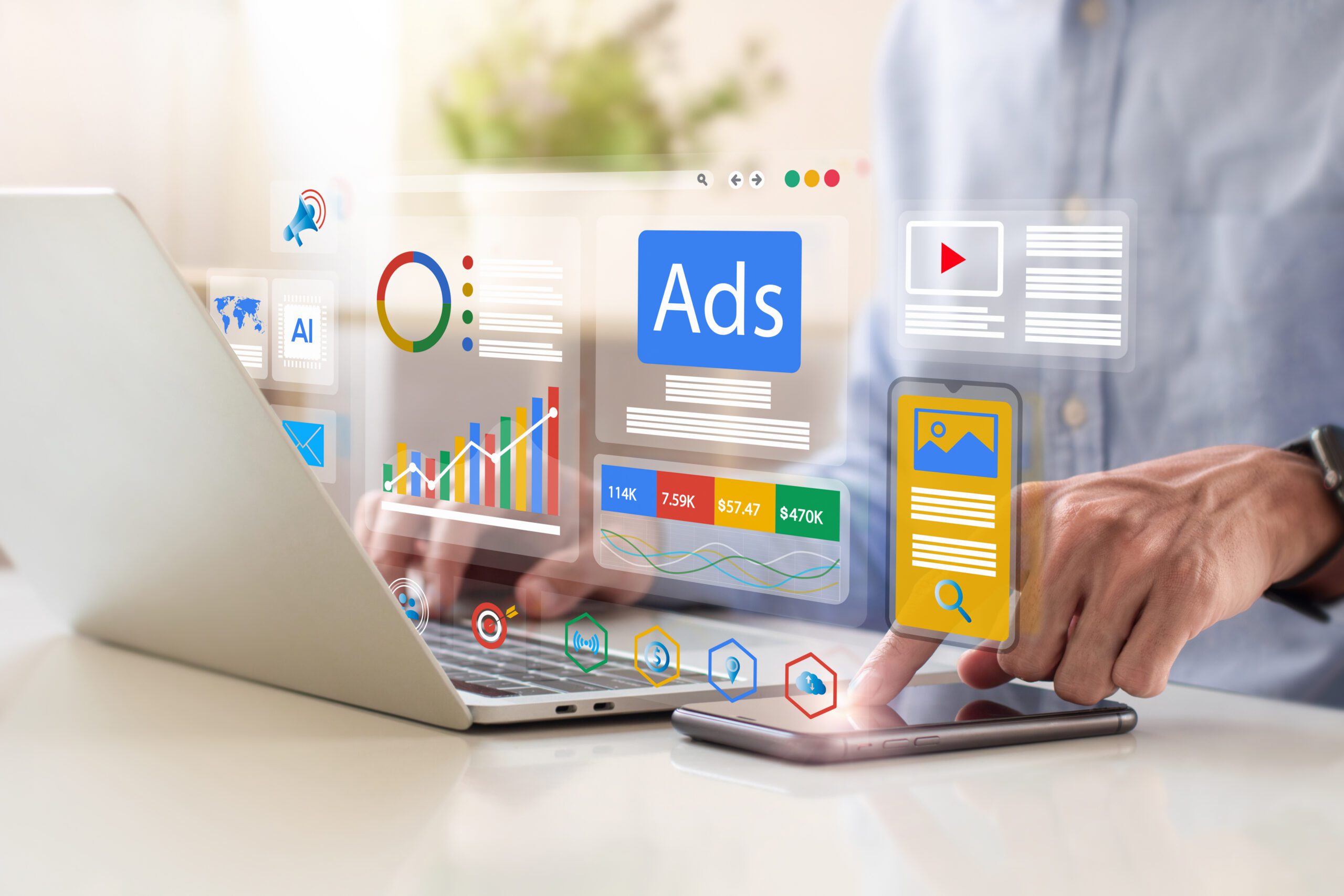
Decisions made on “gut feelings” or data that is seven days old are essentially guesses. The most successful brands in 2026 are those that have bridged the gap between an event happening and a response being triggered. Accessing real-time information for advertisers has become the ultimate competitive advantage. Think of real-time data as the nervous system of your brand. When a user interacts with an ad, that signal should immediately inform your bidding strategy, your creative rotation, and even your landing page content.- Instant Feedback Loops: If a headline isn’t clicking, real-time data identifies the drop-off immediately.
- Dynamic Bidding: Adjusting what you pay for an impression based on the literal second the user is most likely to convert.
- Contextual Awareness: Responding to global events, weather changes, or sudden cultural trends as they unfold.
Integrating the Total Digital Marketing Ecosystem
An ad does not exist in a vacuum. It is part of a larger, interconnected web of touchpoints. Effective digital marketing requires a “holistic” view of the customer journey. A user might see a display ad on their phone, search for the brand on their laptop later that evening, and finally convert after seeing a testimonial in their social feed. Optimization must account for this “cross-pollination.” If your search ads are performing well but your social ads are lagging, it might be that your social presence is doing the heavy lifting of “brand awareness” while search is simply “closing the deal.” By analyzing the “Assist Value” of different channels, you can optimize for the finish line rather than just the first click. This requires a shift in mindset: we are no longer optimizing individual ads; we are optimizing the entire human experience with the brand.Human-Led Strategies for Optimizing Advertising Campaigns
While technology provides the data, humans provide the “Why.” Machine learning is incredible at finding patterns, but it cannot understand the nuance of human emotion or the subtle shift in a community’s values. Optimizing advertising campaigns requires a marriage between data-driven logic and human-centered empathy.- Creative Refreshment: Even the best ad will eventually suffer from “Creative Fatigue.” Optimization involves tracking when an audience begins to tune out and introducing fresh narratives before the performance dips.
- Psychological Segmentation: Instead of just targeting by “age” or “location,” optimize for “mindset.” Are you talking to someone who is in a “discovery” phase or a “crisis” phase?
- The “Information Gain” Test: Ask yourself: Does this ad provide a unique insight or just add to the noise? AI-driven search models prioritize content that offers something new. Your ads should do the same.
Scaling New Heights with Nloop AI
In an environment where every millisecond counts, having an intelligent partner to manage the complexity is no longer a luxury—it’s a necessity. Nloop AI acts as the “Central Intelligence” for your growth efforts, distilling millions of data points into actionable moves that drive your bottom line upward. Rather than leaving you to drown in spreadsheets, this technology provides the clarity needed to make high-impact decisions with total confidence. It doesn’t just watch your progress; it anticipates the market’s next move, ensuring your brand is always positioned where the attention is heading next. By stripping away the guesswork, Nloop AI allows you to focus on the big-picture vision while it handles the intricate tuning of your engine.Frequently Asked Questions (FAQ)
What is the most important factor in optimizing advertising campaigns? The most critical factor is the speed of your feedback loop. The faster you can take a data signal and turn it into a strategy adjustment, the less budget you waste on underperforming assets. How should I protect my media investments? Diversify your ad spend across different platforms and formats. Use “Stop-Loss” triggers in your ad management software to automatically pause campaigns that fall below a specific return-on-ad-spend (ROAS) threshold. Why is real-time information for advertisers so valuable? It allows for “Live Optimization.” Instead of waiting for a campaign to end to see what went wrong, you can fix issues—like a broken link or a low-converting headline—the moment they appear. How does digital marketing change in the age of AI search? Digital marketing is shifting toward “Brand Authority.” Advertisers must focus on creating high-quality, cited content that AI models can use to answer user queries, effectively turning “search” into a conversation.The Path to Perpetual Performance
The journey of optimizing advertising campaigns never truly ends. It is a cycle of testing, learning, and evolving. By treating your media investments with the care of a master craftsman and using real-time information for advertisers to guide your hand, you create a marketing engine that is resilient to change and primed for growth. In the world of digital marketing, the winners aren’t those with the most data, but those with the most clarity. Ready to stop guessing and start growing? Discover how Nloop AI can transform your campaign performance today and take your first step toward total market authority.

 Every marketing dollar carries expectations. Leadership wants measurable returns, teams want clarity, and customers expect relevant experiences. Managing your
 Every marketing leader asks the same question at some point: Are we getting real value from our spend? Media budgets can stretch into millions, yet visibility and revenue do not always move in proportion. That gap is where strategy, data, and structure make the difference.
Effective
Every marketing leader asks the same question at some point: Are we getting real value from our spend? Media budgets can stretch into millions, yet visibility and revenue do not always move in proportion. That gap is where strategy, data, and structure make the difference.
Effective 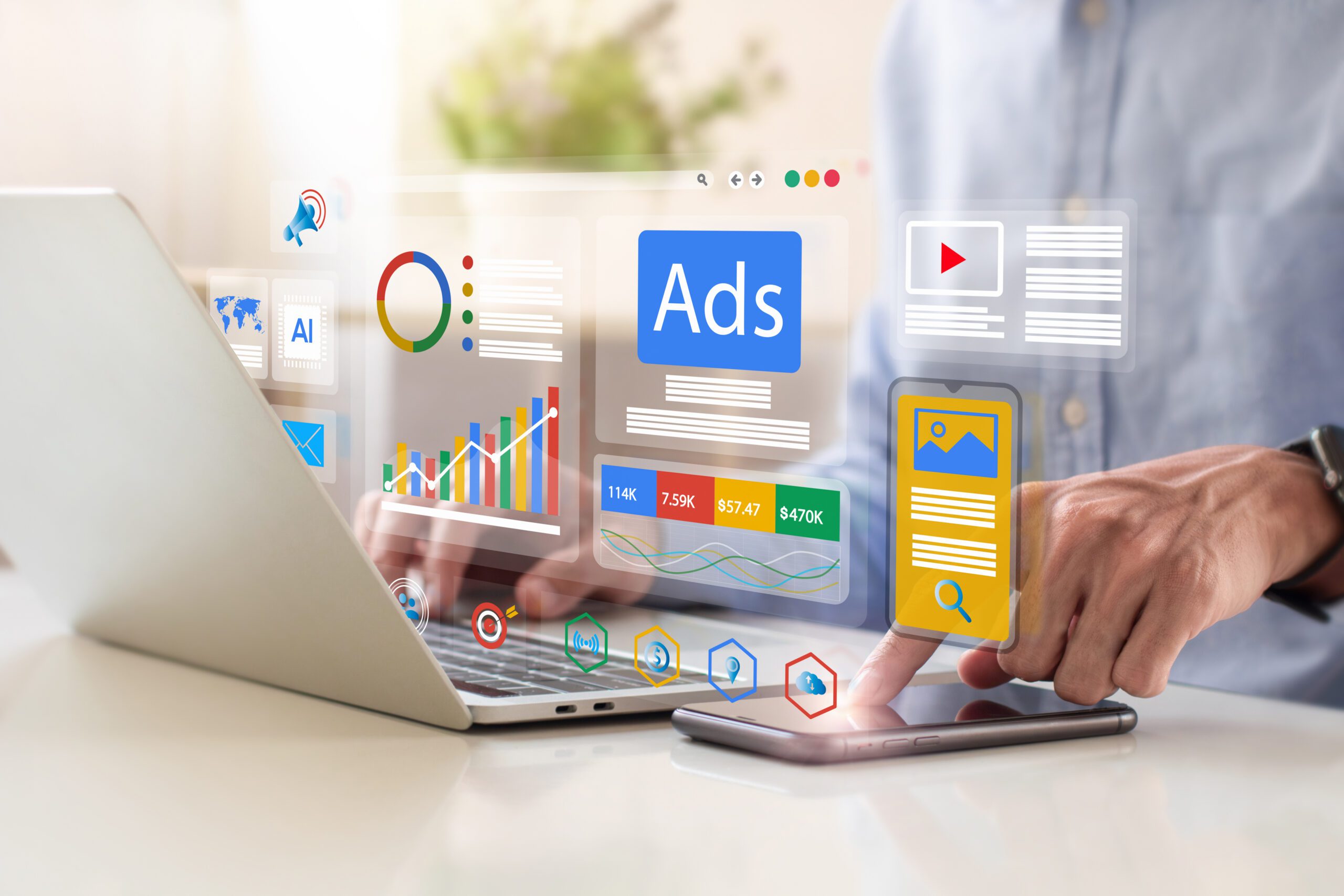
 Imagine you are steering a ship across a vast, shifting ocean. Your map is your strategy, your sails are your creative assets, and the wind represents the market’s attention. In the past, sailors had to wait for the stars to align to know if they were on course. Today, we have the equivalent of high-definition sonar and GPS.
In the high-stakes world of modern business, simply “running ads” is a recipe for a quiet bank account. The real magic happens in the refinement.
Imagine you are steering a ship across a vast, shifting ocean. Your map is your strategy, your sails are your creative assets, and the wind represents the market’s attention. In the past, sailors had to wait for the stars to align to know if they were on course. Today, we have the equivalent of high-definition sonar and GPS.
In the high-stakes world of modern business, simply “running ads” is a recipe for a quiet bank account. The real magic happens in the refinement.