


Tag: Search engine optimization

  • Generative Engine Optimization and AI Solutions: Redefining How Brands Get Discovered

    Generative Engine Optimization and AI Solutions: Redefining How Brands Get Discovered

    Generative Engine Optimization and AI Solutions for Growth

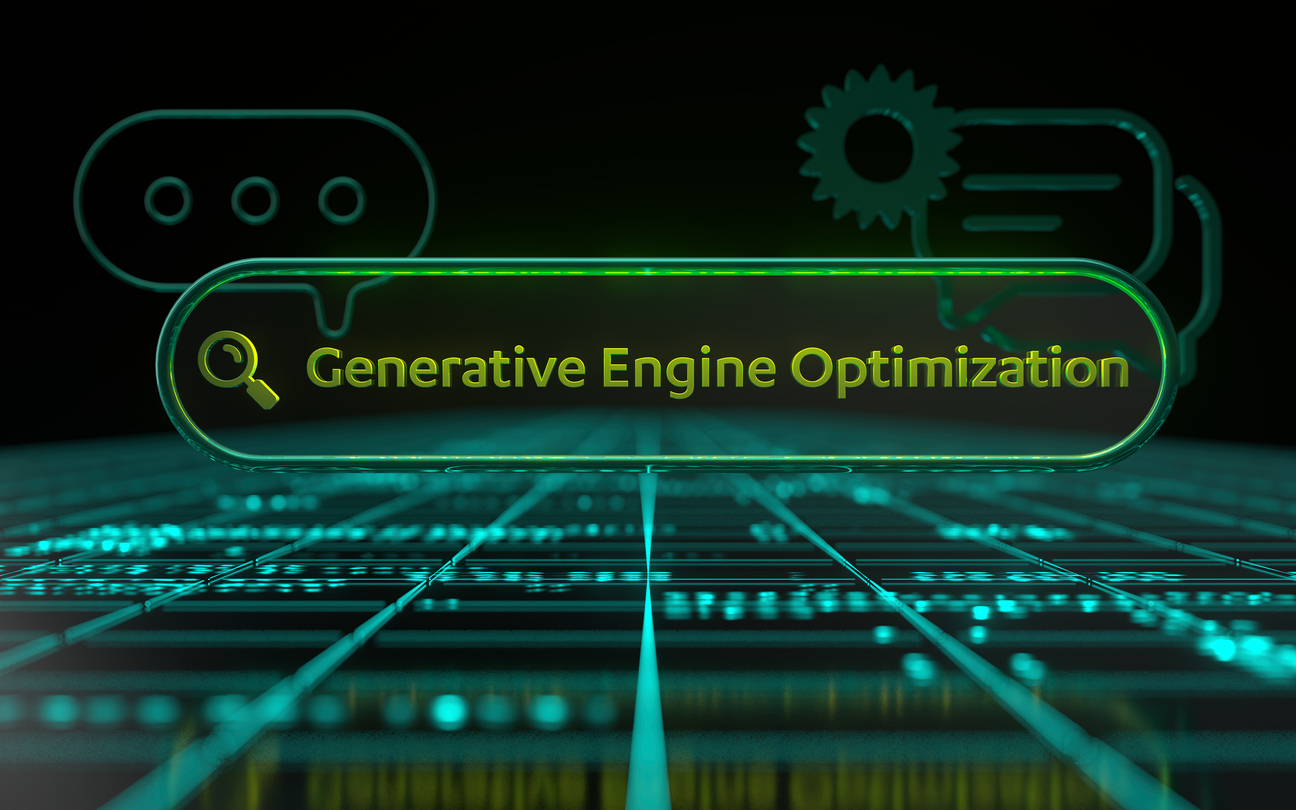
    Search is no longer just about keywords and rankings. People now expect answers, insights, and recommendations delivered instantly by intelligent systems. As AI-driven platforms become a primary source of information, businesses must rethink how they show up in these environments. This shift has led to the rise of generative engine optimization, a strategy designed to help brands remain visible and credible within AI-generated responses while aligning with modern digital behavior.

    Understanding Generative Engine Optimization in an AI-First World

    Generative engine optimization focuses on how content is interpreted, selected, and surfaced by AI-powered search engines and assistants. Instead of ranking pages alone, these systems generate responses by pulling from multiple trusted sources, summarizing knowledge, and presenting it in conversational formats.

    To succeed, brands must structure content in ways that generative AI can clearly understand. This includes strong topical relevance, authoritative signals, and context-rich explanations that match user intent. The goal is to become a trusted reference within AI outputs, not just a clickable result.

    The Role of Generative AI in Modern Search Experiences

    Generative AI has transformed how information is delivered. Rather than directing users to ten possible links, AI systems analyze intent and present synthesized answers. This makes accuracy, clarity, and expertise more important than ever.

    For brands, this means content must go beyond surface-level optimization. It should answer real questions, provide depth, and demonstrate credibility. When generative AI recognizes a source as reliable, it is more likely to incorporate that brand into its responses, increasing visibility without relying solely on traditional rankings.

    Generative Engine Optimization vs Search Engine Optimization

    Search engine optimization remains a critical foundation, but it is no longer enough on its own. Traditional SEO focuses on technical structure, backlinks, and keyword placement. Generative engine optimization builds on this by prioritizing semantic clarity, structured data, and authoritative content clusters.

    While SEO helps search engines find and index content, generative-focused strategies help AI systems understand meaning and context. Together, they create a stronger presence across both classic search results and AI-generated answers.

    Digital Marketing Strategies in a Generative Search Era

    Modern digital marketing must account for how AI influences discovery and decision-making. Content marketing, brand messaging, and audience targeting all play a role in how AI systems evaluate relevance.

    Brands that align their digital marketing efforts with generative search principles create consistent signals across platforms. This consistency helps AI engines identify expertise and trustworthiness, improving the likelihood of being referenced when users seek answers or recommendations.

    Real-Time Forecasting and Smarter Decision Making

    AI-driven platforms increasingly rely on real-time forecasting to predict trends, user behavior, and demand shifts. For businesses, this creates new opportunities to adapt content and strategy dynamically.

    By using AI insights to anticipate what audiences are searching for, brands can create timely, relevant content that aligns with emerging intent. When paired with generative optimization strategies, real-time forecasting helps organizations stay ahead of competitors and remain relevant in fast-moving markets.

    Multicultural Marketing in AI-Generated Search Results

    AI systems are becoming more sensitive to cultural context, language differences, and regional relevance. This makes multicultural marketing a powerful advantage in generative search environments.

    Brands that create inclusive, culturally aware content are more likely to resonate with diverse audiences and AI systems alike. Addressing different perspectives, languages, and experiences improves relevance and expands reach. In generative responses, this cultural alignment helps AI deliver more accurate and meaningful information to users.

    Building Authority Through Content Structure and Trust Signals

    Authority is one of the strongest factors influencing whether AI systems reference a brand. Clear content structure, consistent messaging, and expert-driven insights all contribute to stronger trust signals.

    Well-organized pages with clear headings, concise explanations, and supporting context are easier for AI to interpret. Over time, this structure reinforces topical authority, making a brand more visible within generative outputs.

    How AI Solutions Support Generative Engine Optimization

    AI solutions play a vital role in executing and scaling generative-focused strategies. They help analyze content gaps, identify semantic relationships, and measure how content performs across AI-driven platforms.

    Advanced tools can also assist with content optimization, forecasting performance trends, and refining messaging based on real user behavior. These capabilities allow businesses to move from reactive optimization to proactive strategy, strengthening long-term visibility.

    Why Nloop AI Can Accelerate Business Growth

    A forward-thinking AI partner can make a significant difference in navigating this new landscape. Nloop AI brings together data intelligence, predictive modeling, and automation to help brands adapt to generative search environments more effectively.

    By combining real-time forecasting with AI-driven insights, Nloop AI enables businesses to understand emerging trends, optimize content structure, and align digital strategies with how AI systems surface information. This approach helps organizations move faster, make smarter decisions, and build sustainable visibility in AI-powered search.

    Preparing for the Future of Search and Discovery

    Generative search is not a temporary shift. As AI continues to shape how people find information, brands must evolve their strategies to remain competitive. Generative engine optimization provides a framework for doing exactly that, ensuring content is discoverable, understandable, and trusted by AI systems.

    When combined with strong search engine optimization, inclusive multicultural marketing, and data-driven digital marketing strategies, it creates a powerful foundation for long-term growth.

    Take the Next Step Toward AI-Ready Visibility

    The future of search belongs to brands that understand how AI thinks, predicts, and communicates. Generative engine optimization helps businesses earn visibility where decisions are increasingly made based on AI-generated answers.

    If you want to stay ahead in an AI-first digital landscape, now is the time to act. Partnering with an advanced solution like Nloop AI can help you turn generative search into a growth opportunity. Start building AI-ready visibility today and position your brand for the next era of digital discovery.


  • Why Search Intent Mapping Matters More in an AI-First Search World

    Why Search Intent Mapping Matters More in an AI-First Search World

    Search Intent Mapping Matters in AI-First Search

    Search has entered a new phase. People are no longer typing short keyword phrases and scrolling through pages of results. They’re asking full questions, describing situations, and expecting immediate, accurate answers from AI-powered tools. In this AI-first search world, understanding what someone types is no longer enough. What matters most is why they’re searching in the first place.

    That’s where search intent mapping becomes critical. As generative AI reshapes how information is discovered and delivered, businesses must align content with user intent at a deeper level. Search intent mapping helps brands remain visible, relevant, and trustworthy—not just in traditional results, but inside AI-generated answers powered by modern search systems.

    How Search Intent Has Changed in an AI-First Environment

    Traditional search engines relied heavily on keyword matching. If someone searched “best CRM software,” engines returned pages optimized for that phrase. Today, AI interprets meaning, context, and nuance.

    Modern users search like this:

    • “What’s the easiest CRM for a small sales team?”
    • “Which marketing tools work best for local businesses?”
    • “How can I grow traffic without increasing ad spend?”

    These queries reflect layered intent. Users want guidance, comparison, and recommendations in one response. AI systems are designed to interpret this complexity, making intent—not keywords—the primary ranking signal.

    What Is Search Intent Mapping?

    Search intent mapping is the process of identifying user goals at every stage of the journey and aligning content to meet those goals clearly and directly.

    Instead of optimizing a page for a single keyword, intent mapping focuses on:

    • What problem the user is trying to solve
    • What information they need right now
    • How their intent may evolve after the first answer
    • What format best satisfies that intent

    In an AI-first search world, intent mapping becomes the bridge between user needs and AI interpretation.

    Why Generative Engine Optimization Depends on Intent Mapping

    Generative engine optimization (GEO) is about helping AI systems understand and reuse your content when generating answers. AI doesn’t rank pages the way traditional search engines do—it selects sources that best match user intent.

    GEO Prioritizes Meaning Over Keywords

    AI analyzes semantics, structure, and clarity. Intent mapping ensures content speaks directly to the question behind the query.

    GEO Supports Answer-Based Discovery

    When AI generates responses, it pulls from content that fully addresses user intent—not partial matches.

    GEO Reduces Visibility Gaps

    Even if users never click a link, intent-aligned content can still influence decisions through AI summaries.

    Without intent mapping, GEO efforts often fall short because content doesn’t align with how AI evaluates relevance.

    The Role of Search Engine Optimization in Intent Mapping

    Despite the rise of AI, search engine optimization remains essential. SEO provides the technical and authority foundation that allows intent-mapped content to be discovered and trusted.

    SEO Enables Crawlability and Indexing

    AI tools still rely on search engines to access content.

    SEO Reinforces Topic Authority

    Backlinks, internal linking, and structured content validate expertise.

    SEO Supports Long-Term Visibility

    Organic traffic remains a core acquisition channel.

    When SEO and intent mapping work together, content becomes both discoverable and usable by AI systems.

    Real-Time Forecasting Makes Intent Mapping More Dynamic

    One of the biggest changes in AI-first search is how quickly intent can shift. Real-time forecasting helps businesses anticipate these changes instead of reacting after the fact.

    Predicting Emerging Questions

    AI tools analyze behavior trends to identify what users are likely to search next.

    Aligning Content With Current Needs

    Forecasting ensures content stays relevant as intent evolves.

    Reducing Content Lag

    Instead of outdated answers, businesses can deliver timely, intent-aligned information.

    Real-time forecasting turns intent mapping into a living strategy rather than a static document.

    Why Multicultural Marketing Is Essential for Intent Accuracy

    Search intent is not universal. Culture, language, and regional context influence how people ask questions and what answers they trust. Multicultural marketing ensures intent mapping reflects this diversity.

    Cultural Context Shapes Queries

    Different communities express the same need in different ways.

    Inclusive Content Improves AI Matching

    AI systems are better at matching intent when content reflects diverse perspectives.

    Local and Cultural Signals Increase Relevance

    Intent mapping that ignores cultural risks misses entire audiences.

    In an AI-first world, cultural awareness is a relevant signal—not a bonus.

    Multichannel Marketing Agencies Help Operationalize Intent Mapping

    Intent mapping across platforms is complex. A multichannel marketing agency helps translate intent insights into coordinated execution.

    Unified Content Strategy

    Agencies ensure intent-aligned messaging appears across search, social, and display.

    Faster Adaptation to AI Changes

    As AI systems evolve, agencies help brands refine intent strategies quickly.

    Cross-Channel Data Insights

    Performance data informs how intent shifts across touchpoints.

    This coordination ensures intent mapping scales beyond a single channel.

    Video Marketing Aligns Naturally With AI-Driven Intent

    Video marketing plays a growing role in intent satisfaction, especially for “how,” “why,” and comparison-based searches.

    Visual Answers Reduce Friction

    Videos often explain complex topics faster than text.

    Engagement Signals Matter

    Watch time and interaction indicate strong intent satisfaction.

    Transcripts Support AI Interpretation

    Captions and transcripts help AI extract meaning accurately.

    Video content strengthens intent mapping by addressing both human and AI expectations.

    How Digital Marketing Supports Intent Mapping at Scale

    Modern digital marketing amplifies intent-aligned content across the ecosystem.

    Consistent Messaging Builds Trust

    Aligned messaging helps AI and users recognize authority.

    Distribution Expands Reach

    Intent-mapped content gains visibility across platforms AI monitors.

    Engagement Reinforces Relevance

    Positive interactions validate that intent has been met.

    Digital marketing ensures intent mapping translates into real-world impact.

    Common Intent Mapping Mistakes in an AI-First World

    Many brands struggle because they treat intent mapping as an SEO checkbox.

    Avoid these pitfalls:

    • Mapping intent only to keywords, not questions
    • Creating content for one intent stage only
    • Ignoring cultural and contextual differences
    • Failing to update content as intent evolves
    • Separating SEO, GEO, and content teams

    Intent mapping must be continuous, not one-time.

    How Nloop AI Helps Businesses Win With Intent Mapping

    Nloop AI helps businesses transform intent mapping into an adaptive growth strategy. By combining real-time forecasting, behavioral insights, and AI-ready content structuring, Nloop enables brands to align with how generative AI interprets intent. Their approach ensures content stays relevant, discoverable, and usable across traditional search and AI-generated answers—without relying on guesswork.

    How to Start Improving Search Intent Mapping Today

    You don’t need to rebuild everything at once. Start here:

    1. Audit existing content for intent clarity
    2. Group content by user goals, not keywords
    3. Add clear summaries and FAQ sections
    4. Incorporate video where explanation is needed
    5. Monitor how AI tools reference your content

    Small changes can unlock significant visibility gains.

    Intent Mapping Is the New Competitive Advantage

    In an AI-first search world, visibility is no longer about ranking for keywords—it’s about answering real questions clearly and completely. Search intent mapping ensures your content aligns with how users think and how AI systems decide what to show.

    When paired with generative engine optimization, intent mapping becomes a powerful driver of trust, relevance, and long-term growth.

    If your business wants to stay visible as AI reshapes search behavior, now is the time to evolve.

    Partner with Nloop AI and turn intent mapping into a strategic advantage that keeps your brand relevant wherever search happens.

  • The Rise of Generative Engine Optimization: How AI Answer Engines Are Creating a New Search Ecosystem

    The Rise of Generative Engine Optimization: How AI Answer Engines Are Creating a New Search Ecosystem

    The Rise of Generative Engine Optimization

    Search behavior is shifting faster than most businesses expected. As AI-powered answer engines like ChatGPT, Perplexity, Gemini, and Claude reshape how people find information online, a new search environment is emerging-one that prioritizes answers over links and context over ranking tricks. This transition is giving birth to a new discipline: Generative Engine Optimization, a strategic approach designed for a world where conversational AI guides user discovery.

    Rather than optimizing solely for traditional search engines, brands now need to understand how AI models read, interpret, and synthesize information. The companies adapting early are gaining a competitive advantage because visibility within AI responses is quickly becoming as crucial as visibility on Google.

    Understanding the Shift From Traditional Search Engine Optimization

    For decades, Search engine optimization revolved around keywords, backlinks, crawlability, and ranking signals. While these fundamentals still matter, AI-driven platforms are bypassing the step-by-step journey from query to SERP to click. Instead, they digest massive amounts of data and generate direct answers.

    This shift means the user no longer needs to click through multiple websites to find what they want. The model does the heavy lifting-analyzing content, summarizing insights, and presenting tailored responses.

    That doesn’t make conventional SEO obsolete, but it does change its role. Google, Bing, and other search platforms still influence visibility, yet AI engines now depend on understanding, not just indexing. Your content must be interpretable by machines, not just optimized for algorithms.

    Why AI Search Optimization Matters More Than Ever

    AI Search Optimization focuses on making content understandable and valuable to generative models. These systems prioritize clarity, authority, structured information, and semantic relevance.

    Here’s why businesses can’t afford to ignore it:

    1. Answer Engines Are Becoming Primary Gatekeepers

    Users increasingly ask AI systems everyday questions they once asked Google. If your brand isn’t represented in these responses, you lose visibility at the source.

    2. AI Models Favor Deep, Contextual Content

    Thin or repetitive content no longer stands a chance. Models reward comprehensive, factual, well-structured information that can be used in summaries, insights, or recommendations.

    3. Conversational Queries Are Rising

    People are beginning to search in natural language:

    “Which software will help me automate my marketing workflow?” “How do you compare solar installation prices in my area?”

    AI engines excel at interpreting natural language, making conversational query optimization essential.

    4. Search Is Becoming Multi-Modal

    AI systems process text, images, videos, PDFs, and structured data simultaneously. Brands with varied, rich content libraries perform better because they feed the model multiple points of understanding.

    How Generative Engine Optimization Changes Content Strategy

    Unlike traditional SEO, which is centered on ranking, Generative Engine Optimization is about information presence, clarity, and influence. Here’s how it shifts your content approach:

    Semantic Depth Over Keyword Stuffing

    AI models detect meaning, intent, and relational context. Content that thoroughly explains concepts, includes examples, reflects real expertise, and answers follow-up questions is far more valuable.

    Structured Information Wins

    Clear headers, bullet points, FAQs, step-by-step guides, comparison tables, and source signals help systems more easily extract meaning.

    Brand Authority Matters

    Answer engines weigh credibility. Brands that produce expert-level content, cite reputable sources, and maintain consistent domain themes are more likely to appear in responses.

    Freshness Signals Influence AI Responses

    Models trained or updated with real-time data prioritize timely insights. Consistent publishing, updating old content, and addressing trending topics increase your presence.

    The Role of Digital Marketing in the New Search Landscape

    As AI transforms how people discover information, digital marketing strategies must evolve. Brands can no longer rely on ranking alone-they must actively shape how AI understands their identity, offerings, and expertise.

    1. Multi-Channel Presence Strengthens AI Understanding

    AI models take signals from websites, social platforms, articles, videos, podcasts, and public data. A strong digital footprint increases your likelihood of being recommended.

    2. Reputation Influences Generated Answers

    User reviews, community discussions, and third-party mentions help AI engines determine trustworthiness.

    3. Storytelling Still Matters

    While machines analyze data, humans respond to emotion. Good digital marketing blends facts and narrative, helping AI engines interpret context while keeping content appealing to readers.

    How a Digital Marketing Agency Can Support AI-Driven Search Growth

    A forward-thinking digital marketing agency can play a pivotal role in navigating this new AI-first landscape. Agencies are now expected to understand both traditional search dynamics and emerging generative search behaviors.

    They can help businesses:

    • Identify content gaps that AI engines may misinterpret or ignore
    • Create semantic-rich, multi-layered content
    • Build topical authority clusters
    • Implement structured data that AI depends on
    • Improve brand signals across digital ecosystems
    • Strengthen E-E-A-T attributes (experience, expertise, authority, trust)

    An agency embracing machine-readable content strategies will give businesses a massive competitive edge as answer engines continue reshaping search behaviors.

    Building a Stronger Presence With AI Search Optimization Techniques

    To succeed in the era of generative answers, businesses should integrate several tactical approaches.

    1. Optimize for Conversational and Intent-Driven Queries

    Anticipate follow-up questions. Include clarifications, examples, and deeper explanations within your content.

    2. Strengthen Topical Authority

    Cluster content around key expertise themes. AI engines reward subject-matter depth rather than scattered topics.

    3. Use Structured Data Everywhere

    Schema markup, FAQ formats, bullet lists, and glossary elements help engines identify and reuse your content more accurately.

    4. Create Content That AI Models Want to Reference

    Well-researched articles, guides, insights, and original data stand out. Thin content disappears.

    5. Publish Multi-Format Assets

    Video explanations, infographics, transcripts, and downloadables give AI more signals to learn from.

    6. Demonstrate Real-World Experience

    Models prefer actionable advice backed by practice, evidence, or professional expertise.

    Why Generative Engine Optimization Requires Continuous Adaptation

    AI engines evolve rapidly. New models, updated training datasets, and changing behavior patterns mean your content environment is always in flux. That’s why businesses must treat this as an ongoing practice-not a one-time strategy.

    You must monitor:

    • How your brand appears in AI-generated responses
    • Shifts in traffic from chat-based tools
    • Opportunities to increase expertise signals
    • New content formats are being favored
    • Emerging user search patterns

    The businesses that track, test, and adapt regularly will maintain a strong presence as the ecosystem evolves.

    How Nloop AI Can Accelerate Growth in the AI-Driven Search Era

    Modern businesses need more than traditional SEO-they need intelligent systems that evolve as search transforms. That’s where Nloop AI becomes a powerful ally. Using advanced automation, data-driven insights, and AI-optimized content strategies, Nloop AI helps brands strengthen their presence across both conventional search engines and AI-powered answer engines.

    Its adaptive approach enables companies to build authority faster, refine semantic content quality, deploy multi-format assets, and ensure their expertise is easily recognized by generative models. Whether you’re scaling a growing brand or redefining your digital identity, Nloop AI offers the precision, speed, and intelligence needed to thrive in a rapidly changing search world.

    Prepare for the New Search Ecosystem Now

    The rise of AI-powered answer engines is fundamentally reshaping how people discover information, evaluate brands, and make buying decisions. Businesses that embrace Generative Engine Optimization early will lead the next era of visibility, influence, and digital growth.

    If you’re ready to strengthen your presence across AI-driven search platforms and ensure your brand is recognized by the systems shaping tomorrow’s discovery patterns, now is the time to act.

    Start your transformation with Nloop AI today and unlock your brand’s next wave of intelligent growth.

×