Why Modern Campaigns Need a Connected Approach
Consumers don’t follow a straight path anymore. They might discover a brand on social media, research it on Google, compare options on a website, and convert through an email or ad. This fragmented journey makes it harder for businesses to stay consistent and relevant.
That’s why
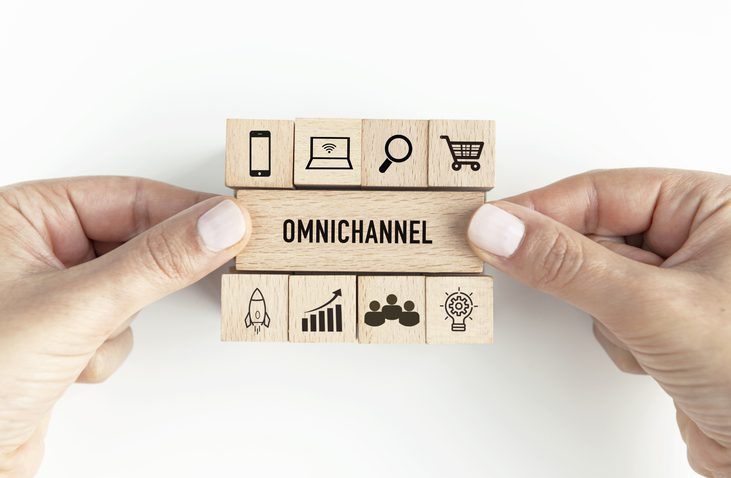
omnichannel marketing has become essential for both advertisers and agencies. It’s not just about being present across platforms—it’s about creating a unified experience that feels seamless at every touchpoint.
What Omnichannel Marketing Means for Advertisers
For brands,
omnichannel marketing for advertisers is about delivering the right message at the right time, regardless of where the customer is in their journey.
Key benefits for advertisers:
- Consistent brand messaging across all platforms
- Better customer engagement through personalization
- Improved conversion rates from connected experiences
- Stronger brand recall
Instead of running isolated campaigns, advertisers can create a cohesive strategy that supports long-term growth.
Omnichannel Marketing for Agencies: Managing Complexity at Scale
Executing
omnichannel marketing for agencies involves managing multiple clients, platforms, and data sources simultaneously. The challenge is not just coordination—it’s optimization.
What agencies need to focus on:
- Aligning campaigns across multiple channels
- Tracking performance across platforms
- Ensuring consistent messaging for each client
- Adapting strategies based on real-time insights
Agencies that master these elements can deliver better results and build stronger client relationships.
Understanding Omnichannel Marketing Channels
A successful strategy depends on how well different
omnichannel marketing channels work together. Each channel plays a unique role in the customer journey.
Common channels include:
- Search engines for discovery and research
- Social media for engagement and awareness
- Email for nurturing and retention
- Paid advertising for targeted reach
- Websites and landing pages for conversions
The goal is to connect these channels so that users experience a smooth transition between them.
Building an Effective Omnichannel Marketing Strategy
A strong
omnichannel marketing strategy requires planning, coordination, and continuous optimization. It’s not a one-time setup—it’s an ongoing process.
Steps to create a successful strategy:
1. Map the Customer Journey
Understand how users move from awareness to conversion. Identify key touchpoints and opportunities for engagement.
2. Align Messaging Across Channels
Ensure that your brand voice and value proposition remain consistent, even as the format changes.
3. Use Data to Guide Decisions
Leverage analytics to understand user behavior and refine your campaigns.
4. Personalize Experiences
Deliver content that matches user preferences and intent.
5. Continuously Optimize
Monitor performance and adjust strategies to improve results.
This structured approach helps businesses stay relevant and competitive.
Creating a Seamless Customer Experience
At the core of
omnichannel marketing is the customer experience. Every interaction should feel connected, regardless of the platform.
Best practices:
- Maintain consistent branding and tone
- Ensure smooth transitions between channels
- Provide relevant content at each stage
- Respond quickly to user actions
A seamless experience builds trust and encourages long-term loyalty.
How Data and Technology Drive Omnichannel Success
Technology plays a critical role in connecting channels and improving performance. Agencies and advertisers need tools that can handle complexity and provide actionable insights.
Key capabilities to look for:
- Centralized data management
- Real-time analytics and reporting
- Integration with CRM and marketing tools
- Automation for efficiency
These capabilities make it easier to manage campaigns and deliver consistent results.
How Nloop AI Helps Agencies and Advertisers Scale Smarter
For agencies and advertisers looking to simplify their operations,
Nloop AI offers a more advanced approach. Instead of managing multiple tools and manual workflows, it brings data analysis, automation, and campaign execution into a single platform.
This allows teams to streamline processes, gain deeper insights, and make faster decisions. By reducing complexity and improving efficiency, Nloop AI helps businesses deliver stronger omnichannel campaigns while maintaining consistency and quality.
Common Challenges and How to Overcome Them
Even with the right strategy, omnichannel efforts can face obstacles.
Common challenges:
- Data silos between platforms
- Inconsistent messaging
- Difficulty tracking performance across channels
- Managing multiple campaigns simultaneously
Solutions:
- Use integrated tools to unify data
- Establish clear brand guidelines
- Focus on key performance metrics
- Automate repetitive tasks
Addressing these challenges ensures smoother execution and better outcomes.
Measuring Success in Omnichannel Campaigns
Tracking performance across channels is essential for improvement.
Metrics to monitor:
- Engagement rates across platforms
- Conversion rates and revenue
- Customer retention and lifetime value
- Channel-specific performance
These insights help refine strategies and maximize ROI.
Frequently Asked Questions
What is omnichannel marketing?
It is a strategy that creates a seamless customer experience across multiple marketing channels.
How is omnichannel marketing for advertisers different?
It focuses on delivering consistent messaging and improving customer engagement across all touchpoints.
What does omnichannel marketing for agencies involve?
It involves managing and optimizing campaigns across multiple channels for different clients.
Why are omnichannel marketing channels important?
They allow businesses to reach customers wherever they are while maintaining a unified experience.
How can an omnichannel marketing agency help?
An experienced
omnichannel marketing agency can provide strategy, tools, and expertise to improve performance and efficiency.
Build a Strategy That Connects Everything
Success in today’s digital landscape depends on how well you connect your marketing efforts. By implementing a strong
omnichannel marketing strategy, aligning
omnichannel marketing channels, and leveraging the right tools, advertisers and agencies can create more effective and engaging campaigns.
With solutions like Nloop AI, managing complex campaigns becomes easier and more efficient. If you’re ready to improve performance and deliver better customer experiences, now is the time to invest in a smarter approach.
Start building your omnichannel strategy today and create experiences that truly connect with your audience.