



Why Businesses Need Better Omnichannel Systems
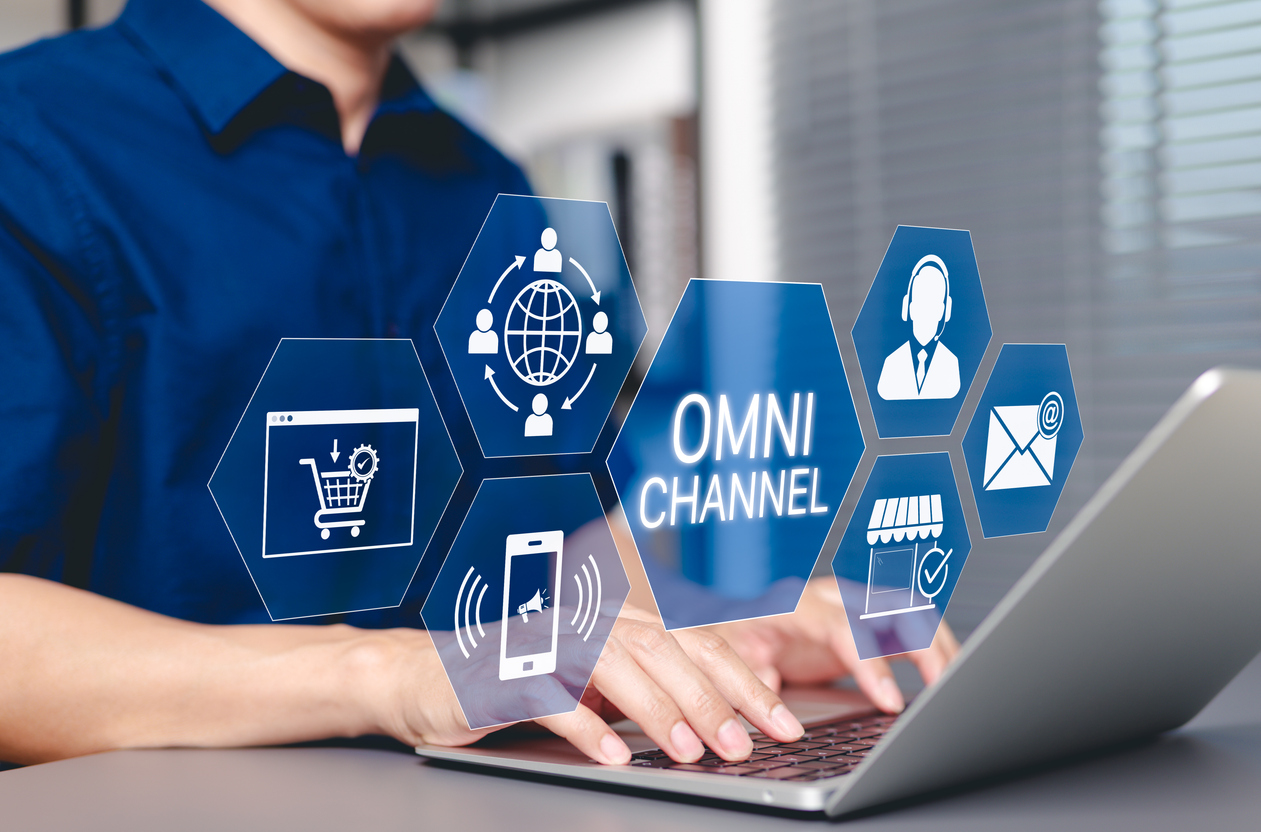
Customers no longer interact with brands through a single channel. A buyer may discover a product on social media, research it through Google, sign up through email, and later make a purchase after seeing a retargeting ad. If those touchpoints feel disconnected, businesses lose engagement and trust.
This is why choosing the right omnichannel marketing platform has become critical. Businesses need systems that connect communication, customer data, and campaign management into one organized experience.
What Makes an Omnichannel Marketing Platform Important?
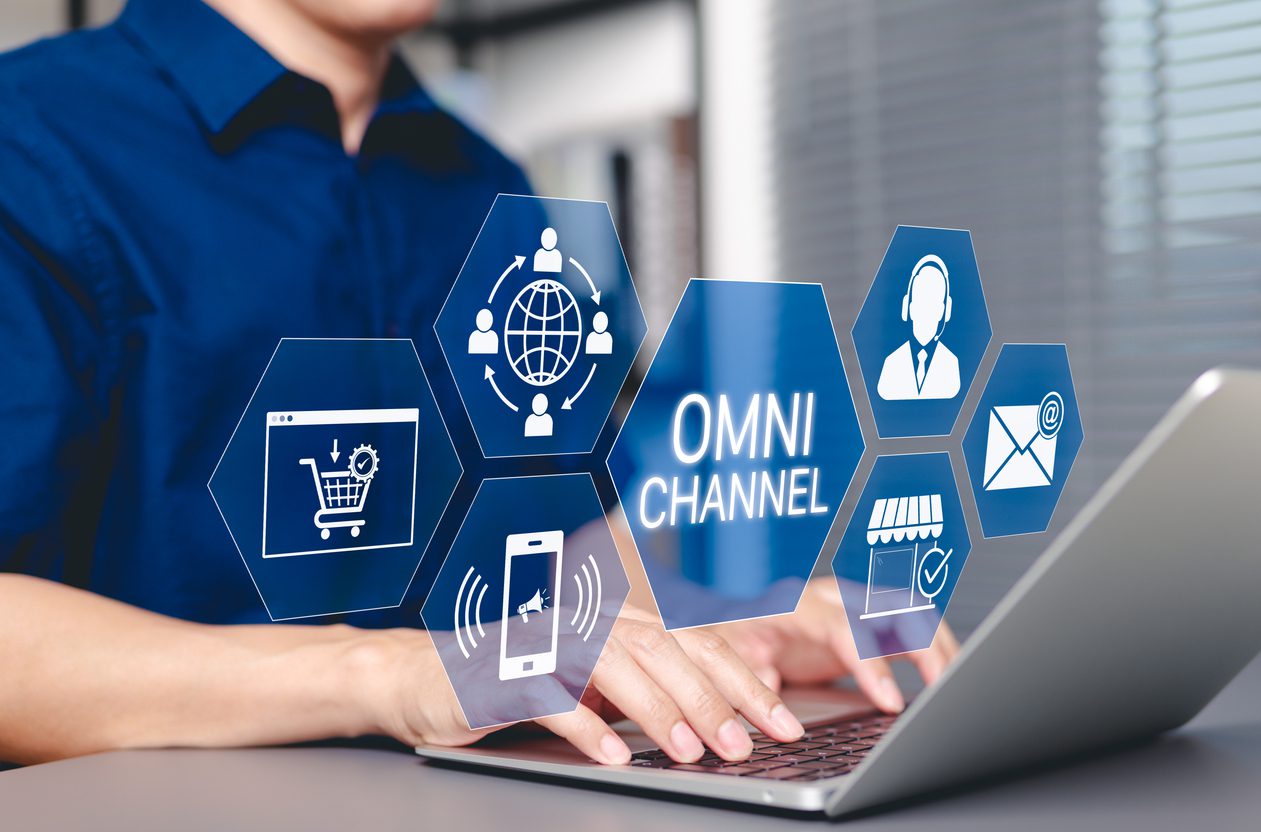
An omnichannel marketing platform helps businesses manage customer communication across multiple channels from one centralized system.
These platforms typically connect:
- Email campaigns
- Social media
- SMS marketing
- Paid advertising
- CRM systems
- Analytics and reporting
- Customer support interactions
The goal is not simply to run campaigns everywhere. The goal is to create a consistent customer experience across every touchpoint.
Why Omnichannel Marketing Is Growing So Quickly
Modern omnichannel marketing is driven by changing customer expectations. Consumers want businesses to remember preferences, maintain context, and respond quickly.
Businesses benefit because omnichannel systems help:
- Improve customer experience
- Increase campaign efficiency
- Strengthen customer retention
- Reduce communication gaps
- Create more personalized marketing
Companies that fail to unify their messaging often struggle with fragmented customer journeys.
Features Businesses Should Look For
Not every platform is designed for long-term growth. Businesses should choose systems that support scalability, automation, and strong reporting.
Important features include:
Centralized customer data
All customer interactions should be visible in one place.
Multi-channel campaign management
Businesses should manage email, social, SMS, and advertising together.
Workflow automation
Automated sequences reduce manual effort and improve response times.
Analytics and attribution
Detailed reporting helps businesses understand what drives engagement and conversions.
AI-supported optimization
Modern platforms increasingly use predictive insights and automation.
Omnichannel Forecasting Helps Businesses Plan Smarter
One major advantage of modern systems is omnichannel forecasting. Businesses can use data from multiple channels to predict customer behavior and improve decision-making.
Forecasting can help businesses:
- Predict customer demand
- Improve campaign timing
- Allocate budgets more effectively
- Identify high-performing channels
- Reduce wasted ad spend
This gives businesses more control over future growth strategies.
How an Omnichannel Marketing Strategy Improves Performance
A strong omnichannel marketing strategy focuses on consistency and customer experience instead of isolated campaigns.
Successful strategies usually include:
- Consistent brand messaging
- Personalized customer journeys
- Coordinated communication across channels
- Audience segmentation
- Automated follow-up systems
Businesses that align all communication channels often see stronger engagement and customer loyalty.
Why Businesses Work With an Omnichannel Marketing Agency
Managing multiple platforms internally can become difficult as campaigns scale. Many businesses work with an omnichannel marketing agency to simplify execution and improve performance.
Agencies can help with:
- Cross-channel campaign management
- Automation setup
- Data analysis
- Audience targeting
- Conversion optimization
- Performance reporting
An experienced agency can often identify inefficiencies that businesses may overlook internally.
The Role of a Digital Marketing Company in Omnichannel Growth
A modern digital marketing company does more than run ads or send emails. It helps businesses create connected systems that improve long-term customer engagement.
Strong digital marketing partners focus on:
- Customer journey optimization
- Brand consistency
- Data-driven decision making
- Marketing automation
- Conversion-focused campaign structure
This broader approach helps businesses scale more efficiently.
Common Problems Businesses Face Without Integration
Businesses that use disconnected systems often encounter operational problems.
Common issues include:
- Inconsistent messaging
- Duplicate customer communication
- Poor lead tracking
- Incomplete reporting
- Delayed follow-ups
- Fragmented customer experiences
These problems reduce efficiency and weaken customer trust over time.
How Nloop AI Helps Simplify Omnichannel Campaign Management
Nloop AI helps businesses organize complex campaign management by centralizing automation, reporting, and performance insights into one system. Instead of relying on disconnected tools, businesses can track customer engagement, monitor campaigns, and improve forecasting from a unified platform. This allows teams to reduce inefficiencies, make faster decisions, and create more consistent customer experiences across channels.
How Businesses Can Choose the Right Platform
The best platform depends on business goals, audience size, and operational complexity.
Businesses should evaluate:
- Ease of integration
- Reporting capabilities
- Automation flexibility
- Scalability
- Customer support
- AI and forecasting features
- Multi-channel support
Choosing the wrong platform can create unnecessary complexity and slow growth.
The Future of Omnichannel Marketing Platforms
Marketing platforms are evolving quickly as AI and automation become more advanced.
Future trends include:
- Predictive customer journey analysis
- AI-assisted campaign optimization
- More advanced personalization
- Unified customer identity tracking
- Real-time omnichannel forecasting
Businesses that adopt smarter systems early will likely gain stronger long-term advantages.
Frequently Asked Questions
What is an omnichannel marketing platform?
An omnichannel marketing platform helps businesses manage customer communication and campaigns across multiple channels from one centralized system.
Why is omnichannel marketing important?
Omnichannel marketing creates a more consistent customer experience across digital and offline touchpoints.
What is omnichannel forecasting?
Omnichannel forecasting uses data from multiple channels to predict customer behavior, campaign performance, and future trends.
Why work with an omnichannel marketing agency?
An agency can help businesses manage campaigns more efficiently and improve cross-channel strategy.
How does a digital marketing company support omnichannel campaigns?
A digital marketing company helps businesses integrate platforms, automate workflows, and improve customer engagement.
Better Systems Create Better Customer Experiences
Customers expect smooth, connected experiences regardless of where they interact with a brand. Businesses that rely on disconnected marketing systems often struggle to meet those expectations.
By investing in the right omnichannel marketing platform, businesses can improve communication, simplify campaign management, and create stronger customer relationships.
Ready to streamline your omnichannel strategy? Start building a smarter, more connected marketing system with support from Nloop AI today.