




Spend five minutes talking to a growth-focused marketing team today, and the conversation inevitably arrives at the same frustrating question: we’re ranking, so why is the phone quieter than it used to be?
The rankings didn’t lie. The model changed. The users who were clicking three years ago are now getting their answers from a generated summary at the top of the page, from a ChatGPT response, or from a Perplexity citation that names three companies — and yours may or may not be one of them.
This is the real story of how AI changed SEO. Not destruction. Displacement. And understanding exactly what got displaced — and what replaced it — is the difference between a brand that adapts and one that optimizes harder for a game that already moved on.
The Mechanics Behind the Shift
Traditional SEO operated on a clean premise: produce relevant content, earn authoritative links, rank higher, and receive traffic. The entire chain depended on a user seeing a list of results and choosing to click.
Generative AI search broke that chain at the click. When platforms like Google AI Overviews, Perplexity, or ChatGPT with Bing integration synthesize an answer from multiple sources, the user gets the output — often without visiting any of the contributing pages. Traffic evaporates. Citations accumulate somewhere else.
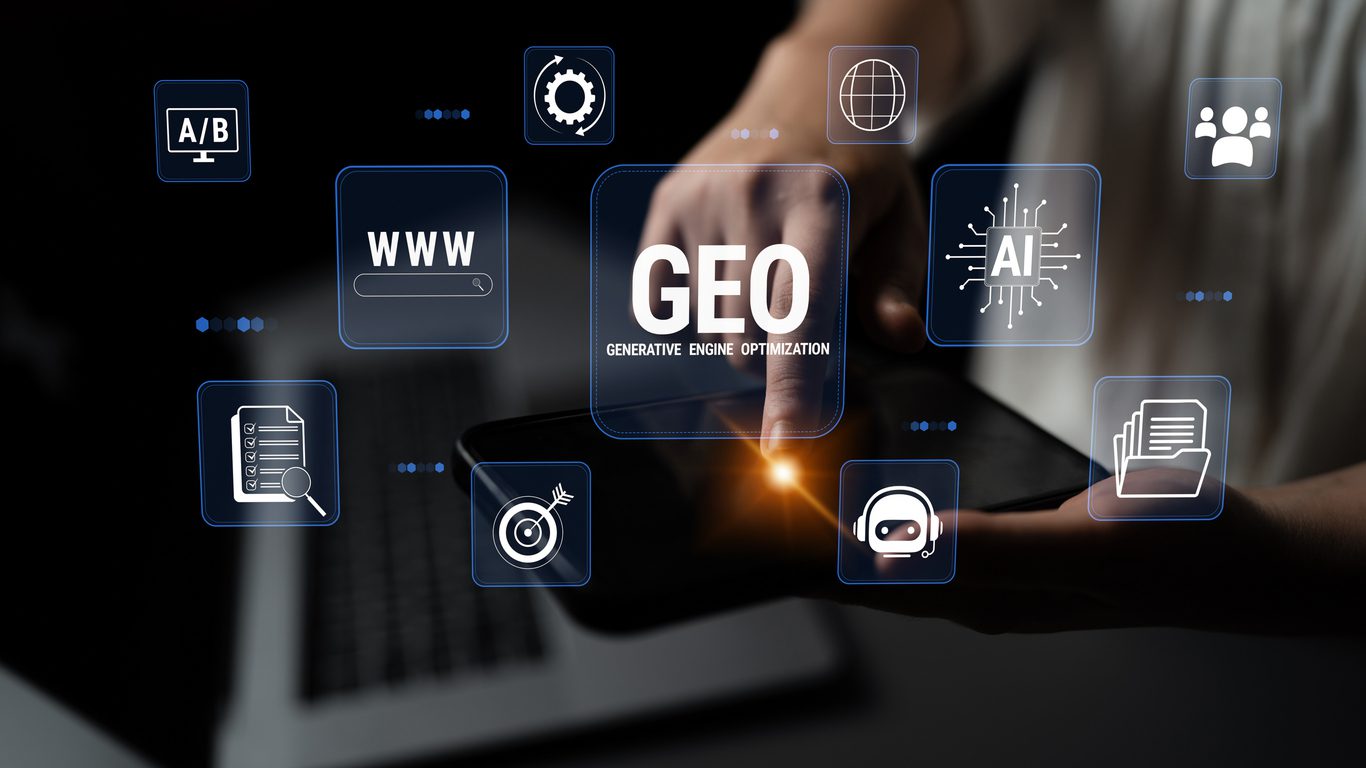
What fills that gap is generative engine optimization — the discipline of building the kind of brand authority and content architecture that earns your business a named reference in those AI-generated responses rather than a missed opportunity behind them.
The shift matters because AI brand mentions have become a new category of commercial signal. A user who hears your brand recommended by an AI assistant is further along in their consideration journey than someone who clicks an organic link. They didn’t browse to you. The AI vouched for you. That’s a different quality of introduction entirely.
Why Your Current SEO Metrics Are Telling an Incomplete Story
Here’s an uncomfortable truth: most marketing dashboards still report in a pre-AI vocabulary. Organic sessions. Keyword positions. Click-through rates. These metrics describe a search environment that no longer fully exists.
That doesn’t mean they’re worthless — traditional SEO signals still influence which pages AI systems retrieve and cite. But they’re incomplete. A brand that ranks first for a target keyword but never appears in AI-generated responses has a visibility gap that no amount of on-page optimization will close.
Measuring success and ROI in generative engine optimization requires a parallel measurement framework. The most useful additions to a modern reporting stack include:
- AI citation frequency — how often your brand appears across a set of target queries run weekly on ChatGPT, Perplexity, and Google AI Overviews
- Branded search volume trend — rising direct brand searches, independent of paid campaigns, signal that AI-driven awareness is producing downstream intent
- Lead quality shift — track whether inbound leads that cite AI or brand-search as their discovery channel have shorter sales cycles or higher close rates
How to measure the ROI of generative engine optimization doesn’t require entirely new infrastructure — it requires adding these proxy metrics to what you’re already tracking and watching for the correlations over a three-to-six-month window.
Scalable SEO With Generative AI — and Its Limits
The rise of Generative Engine Optimization companies has been accompanied by a seductive promise: use AI to produce more content faster and let the volume do the work. The market has tested this proposition thoroughly, and the results are consistent.
Content produced at scale without meaningful human editorial investment produces diminishing returns almost immediately. AI systems — particularly the retrieval and ranking layers powering tools like Perplexity — are increasingly adept at distinguishing between content that reflects genuine expertise and content that reflects the statistical average of everything else.
Generative engine optimization brands scalability works when the efficiency gains from AI are applied to research, brief creation, query analysis, and topic identification — not to the final copy itself. The brands building durable AI citation authority are producing fewer, deeper pieces with original data points and named expert perspectives, not more thin content at speed.
Scalable SEO with generative AI is real, but the scale that works is the scale of research and ideation — not the scale of publication volume.
Building a Gen AI Visibility Solution That Compounds
The most durable gen AI visibility solution isn’t a tool or a tactic. It’s an architecture that combines three things working simultaneously:
Entity clarity: Your brand must be consistently and unambiguously defined across every digital touchpoint — website, social profiles, review platforms, and third-party citations. AI systems build confidence in entities they can clearly identify. Inconsistency creates ambiguity that erodes citation probability.
Topical authority concentration: Rather than covering your category broadly and shallowly, own a defined sub-topic comprehensively. A brand that is the definitive source on one specific problem earns more AI citations than a brand that touches twenty topics at the surface level.
Earned coverage in AI-authoritative publications: Run your target category queries on Perplexity and note which publications are cited. Those are the media targets that will move your citation rate. A single feature in a consistently cited outlet delivers more generative engine optimization impact than a month of internal blog production.
How Nloop AI Turns This Architecture Into a Growth Engine
Understanding the architecture is straightforward. Building it — maintaining entity consistency, earning the right citations, producing the right content at the right depth, and monitoring AI citation rates over time — is where most in-house teams hit capacity. Nloop AI provides the strategic infrastructure and execution capability to make this approach work as a compounding business asset rather than a one-time project. From citation rate monitoring to topical authority mapping and earned media strategy, Nloop AI connects the disciplines that drive measurable, lasting AI search visibility for brands that are serious about the next chapter of growth.
FAQ: AI, SEO, and GEO
Has AI made traditional SEO irrelevant?
No — traditional SEO signals continue to influence which pages AI retrieval systems surface and cite. Strong organic rankings make it more likely that your content is retrieved in the first place. What’s changed is that SEO alone is insufficient; generative engine optimization must run alongside it.
What types of brands benefit most from GEO investment?
Any brand where the buyer journey involves research before a decision — B2B, professional services, SaaS, healthcare, financial services, and high-consideration consumer categories. These are the categories where AI tools actively shape purchase decisions and where citation authority translates most directly to revenue impact.
How is GEO different from content marketing?
Content marketing produces assets for discovery and engagement. Generative engine optimization structures those assets specifically to earn citations in AI-generated responses, which requires different content architecture, different distribution priorities, and different success metrics. GEO is a layer of strategy applied on top of content, not a replacement for it.
What is the most common mistake brands make when starting GEO?
Treating it as a content volume problem. Publishing more content faster rarely improves AI citation rates. Publishing fewer, deeper, better-structured pieces with original data — consistently — does.
The Brands Building This Now Will Be Difficult to Catch Later
AI search visibility compounds in the same way traditional domain authority did — slowly at first, then in a way that becomes very difficult for late entrants to close. The brands investing in generative engine optimization infrastructure today are establishing citation patterns that will widen their advantage with every quarter.
Work with Nloop AI today and build the AI search presence that turns brand mentions into a dependable, measurable growth channel.