Author: nfinityloop

  • Why Are Media Planners Still Using Excel in 2024?

    Why Are Media Planners Still Using Excel in 2024?

    A recent MediaPost article titled “Why are Planners Still Using Excel” states that, despite its limitations “85% of media planners are still using Excel” and that “media opportunities have grown more vast and complex.”

    Why does Excel remain so popular? It’s versatile, easy to manipulate, and perfect for agency collaboration. Media planning is complex, and Excel’s simplicity may be its strength. With a vast and ever-growing array of media channels, Excel allows planners to manually aggregate data across platforms.

    However, most ads are concentrated on a few major channels, suggesting that a simple tool covering 70-75% of key channels could revolutionize planning. This tool could even incorporate crowdsourced data to improve transparency.

    At nloop.ai/, we couldn’t agree more. Nloop was built battle tested, and born out of necessity to be an end-to-end, AI-powered platform for media planning, workflow management, reporting, and billing. We decided to be better than Excel. Our platform is designed to replace manual Excel tasks with real-time planning, tracking, and reporting, eliminating those inefficiencies. Gain more control, reduce errors and redundancy, and free up your team’s time to focus on strategy—not spreadsheets.

  • How a Multichannel Marketing Agency Can Transform Your Customer Growth Strategy

    How a Multichannel Marketing Agency Can Transform Your Customer Growth Strategy

    Multichannel Marketing Agency Can Transform Your Customer Growth Strategy

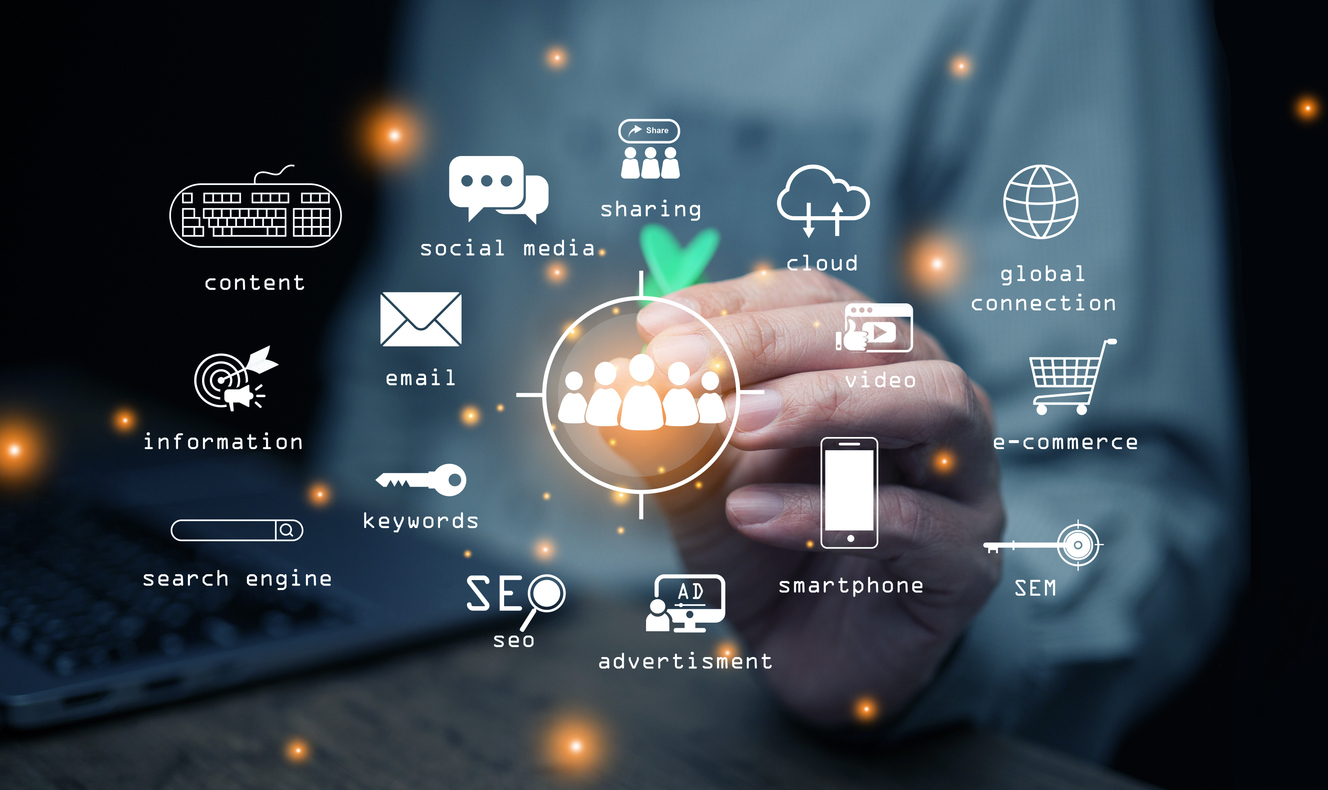
    In today’s hyper-connected digital landscape, reaching your audience isn’t about showing up in one place — it’s about meeting them everywhere they are. From search engines and social media to email, streaming platforms, and e-commerce marketplaces, customers move seamlessly across multiple touchpoints before they make a buying decision.

    That’s where multichannel marketing comes in.

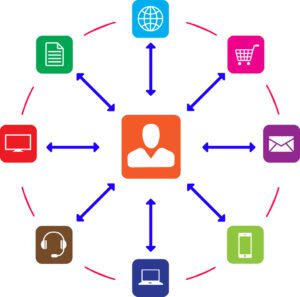
    A well-executed multichannel marketing strategy isn’t just about broadcasting your message on multiple platforms. It’s about building a unified, intelligent ecosystem that drives engagement, brand trust, and measurable revenue growth.

    As a leading multichannel marketing agency, nloop.ai/ helps brands move beyond fragmented campaigns to deliver seamless, AI-powered experiences that convert.

    What Is Multichannel Marketing?

    Multichannel marketing is the practice of engaging customers through multiple online and offline channels to create a more connected and personalized brand experience.

    Instead of relying on a single platform, brands distribute their messaging across several key channels, such as:

    • Search engines (Google, Bing) — capturing high-intent audiences actively looking for solutions.
    • Social media (Instagram, Facebook, LinkedIn, TikTok, X) — driving engagement, storytelling, and discovery.
    • Email marketing & SMS — nurturing relationships and driving conversions.
    • E-commerce & marketplaces (Amazon, Shopify) — meeting buyers where they shop.
    • Content marketing & programmatic advertising — building authority and reaching broader audiences.
    • AI-powered personalization engines — adapting messaging in real time based on behavior.

    By combining multiple touchpoints, brands increase their visibility, improve engagement, and accelerate the path to purchase.

    Why Multichannel Marketing Matters More Than Ever

    Modern buyers no longer follow a straight line from awareness to conversion. Their journey is nonlinear, fluid, and influenced by multiple channels simultaneously.

    Consider this:

    • A user sees a brand on Instagram.
    • They Google the brand name.
    • They visit the website and sign up for a newsletter.
    • A retargeting ad shows up on YouTube.
    • They eventually make a purchase through Amazon or the brand’s site.

    Without a strong multichannel marketing strategy, most brands lose that prospect somewhere along the way. But with the right framework, these touchpoints work together like a well-orchestrated engine, moving prospects seamlessly from first impression to loyal customer.

    How a Multichannel Marketing Agency Makes the Difference

    Partnering with a specialized multichannel marketing agency like nloop.ai/ gives businesses a powerful advantage. Instead of juggling multiple disconnected campaigns, you gain an integrated strategy designed to maximize visibility, engagement, and ROI.

    Here’s how nloop.ai/ helps brands win in a multichannel world:

    1. AI-Driven Audience Targeting

    Our proprietary AI technology analyzes your ideal customer’s behavior, intent signals, and engagement patterns across every platform. This lets us build precision targeting that reaches the right audience at the right time — on the right channel.

    2. Unified Brand Messaging Across All Platforms

    Consistency builds trust. We ensure your brand voice and offer are aligned whether someone sees your ad on Instagram, receives an email, or clicks a Google ad. Unified storytelling boosts brand recognition and conversion rates.

    3. Channel-Specific Optimization

    Not all platforms are created equal. What works on LinkedIn might flop on TikTok. Our multichannel marketing team creates tailored strategies for each platform — ensuring maximum impact, minimal waste, and better performance.

    4. Real-Time Data and Attribution

    Most brands struggle to track which channel is actually driving revenue. We use advanced attribution models and AI-driven analytics to understand how each touchpoint contributes to the customer journey. This means smarter budgeting and higher ROI.

    5. Scalable Campaign Automation

    Our platform makes it easy to scale campaigns without multiplying your workload. From AI-generated creative to automated audience segmentation, we help brands scale faster and smarter.

    Multichannel vs. Omnichannel: What’s the Difference?

    You might hear “multichannel marketing” and “omnichannel marketing” used interchangeably, but there’s a key distinction:

    • Multichannel Marketing focuses on delivering your message across multiple channels.
    • Omnichannel Marketing takes it a step further by ensuring those channels are seamlessly integrated, creating a truly unified customer experience.

    At nloop.ai/, we blend multichannel breadth with omnichannel intelligence, ensuring your campaigns don’t just exist in silos — they work together strategically.

    The Role of AI in Modern Multichannel Marketing

    Artificial intelligence is revolutionizing how brands approach marketing — and multichannel is no exception.

    Here’s how AI enhances multichannel marketing strategies:

    • Predictive targeting — anticipating customer behavior to engage them earlier in the funnel.
    • Dynamic creative optimization — automatically adjusting ads, messaging, and timing based on real-time performance.
    • Advanced attribution modeling — identifying which touchpoints drive the most revenue.
    • Marketing automation — reducing time spent on manual tasks so teams can focus on strategy and growth.
    • Personalized experiences at scale — delivering tailored messages to thousands (or millions) of users simultaneously.

    This is where nloop.ai/ truly stands out. As a next-generation multichannel marketing agency, our AI-first approach allows us to deliver smarter, faster, and more effective campaigns that evolve as your audience does.

    Key Channels Every Multichannel Marketing Strategy Should Include

    An effective multichannel marketing strategy isn’t about being everywhere. It’s about being in the right places with the right message.

    Some of the most impactful channels include:

    1. Search Engine Marketing (SEM & SEO)

    Appearing at the top of search results ensures you capture high-intent leads actively seeking solutions. We combine SEO and paid search to dominate this critical channel.

    2. Social Media Marketing

    From organic posts to paid ads, social platforms offer unparalleled audience targeting and engagement opportunities.

    3. Email & SMS Campaigns

    These direct channels remain some of the highest-converting methods for nurturing and retaining customers.

    4. Content Marketing & Programmatic Display

    Content builds trust and authority, while programmatic ads amplify reach with precision targeting.

    5. E-commerce & Marketplaces

    Whether on your own storefront or platforms like Amazon, strategic placements drive visibility and sales.

    6. Connected TV & Streaming

    Expanding your presence to OTT and streaming platforms helps build brand awareness and engagement at scale.

    Measuring Success: KPIs That Matter in Multichannel Campaigns

    A great multichannel marketing campaign isn’t just creative — it’s measurable. At nloop.ai/, we focus on the metrics that drive business outcomes, not vanity numbers.

    Key KPIs include:

    • Customer acquisition cost (CAC)
    • Return on ad spend (ROAS)
    • Lifetime value (LTV)
    • Engagement rates across channels
    • Conversion and retention rates
    • Attribution path insights

    By continuously analyzing and optimizing based on these KPIs, we help brands make data-driven decisions that maximize performance and minimize waste.

    Geo-Targeting in Multichannel Marketing

    Location still matters. One of the most powerful aspects of modern multichannel campaigns is geo-targeting — the ability to deliver tailored messaging based on where your audience is.

    Whether it’s:

    • Running local search ads for nearby buyers,
    • Delivering hyperlocal social campaigns for store openings, or
    • Personalizing content for specific regions, geo-targeting ensures you’re not just marketing broadly, but strategically.

    nloop.ai/ leverages real-time location data to make your campaigns more relevant, personal, and effective.

    Why Choose nloop.ai/ as Your Multichannel Marketing Agency

    When you choose nloop.ai/ as your multichannel marketing agency, you’re not just hiring another vendor. You’re gaining a strategic partner dedicated to scaling your revenue growth.

    AI-first strategy for smarter targeting and automation

    Geo-optimized campaigns that speak directly to your audience

    Real-time analytics to track every conversion and touchpoint

    A collaborative team focused on your goals and ROI

    We don’t believe in one-size-fits-all marketing. We build custom multichannel roadmaps designed to align with your unique audience, product, and growth targets.

    The Future of Multichannel Marketing

    As consumer behavior evolves, so must marketing strategies. The future of multichannel marketing lies in intelligent orchestration — combining AI, automation, and creative strategy to deliver personalized experiences at scale.

    Brands that invest in this now are the ones that will own the customer journey tomorrow.

    Ready to Grow with a Multichannel Marketing Agency?

    If your brand is ready to stop chasing disconnected campaigns and start creating revenue-driven, AI-powered marketing ecosystems, nloop.ai/ is here to help.

    Let’s build a multichannel marketing strategy that connects every touchpoint, amplifies your message, and drives measurable growth.

    Contact nloop.ai/ today (702-356-0316) to schedule a consultation and see how we can help your business thrive.

  • How OTT & CTV Advertising Are Reshaping the Future of Digital TV Advertising

    How OTT & CTV Advertising Are Reshaping the Future of Digital TV Advertising

    OTT & CTV Advertising Are Reshaping the Future

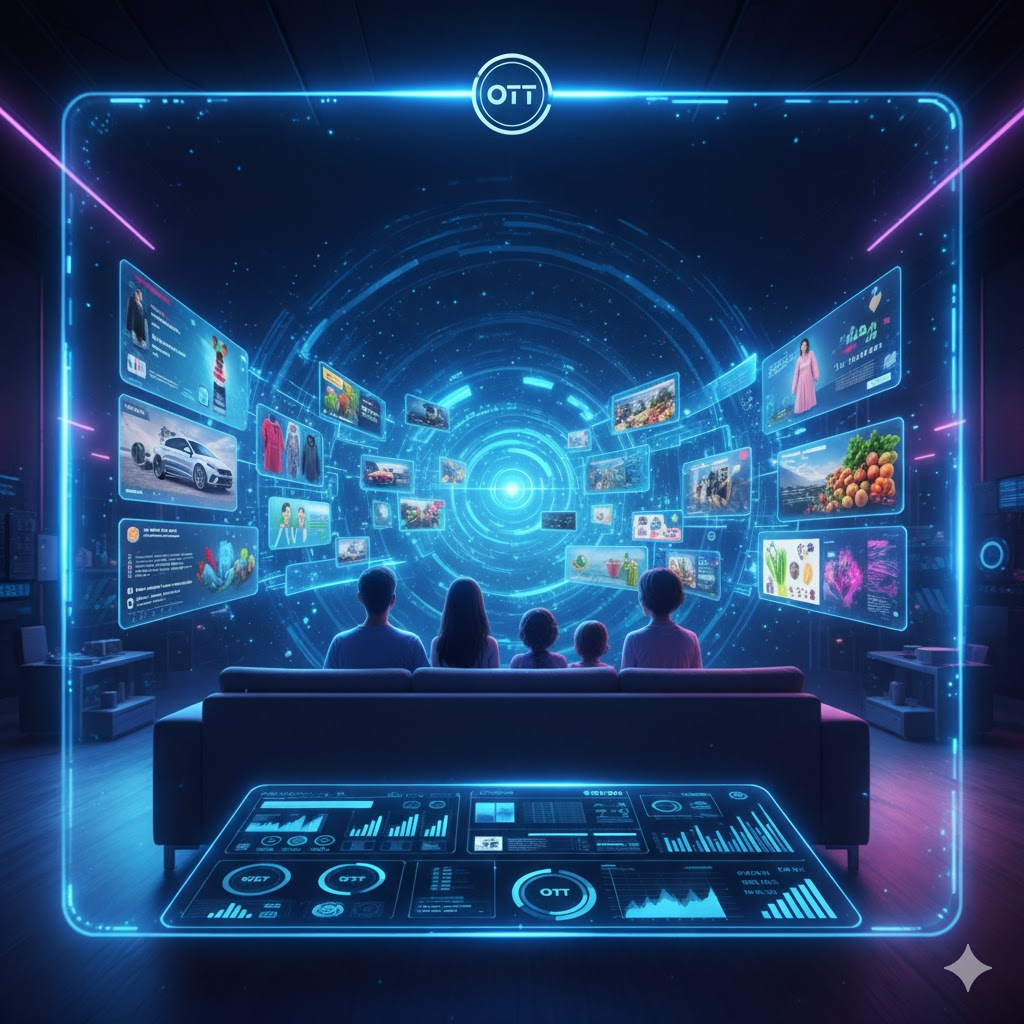
    The way people watch TV has changed forever. Audiences are no longer confined to cable boxes or traditional network schedules. They’re streaming their favorite shows on demand — anytime, anywhere, on any device.

    This massive shift has created one of the most powerful opportunities in modern marketing: OTT advertising, CTV advertising, and digital TV advertising.

    For brands ready to move beyond outdated broadcast models, these channels offer precise targeting, measurable performance, and the ability to connect with audiences in a more personal, data-driven way.

    As a forward-thinking OTT and CTV advertising agency, nloop.ai helps brands harness this powerful ecosystem to maximize reach, efficiency, and revenue.

    What Is OTT Advertising?

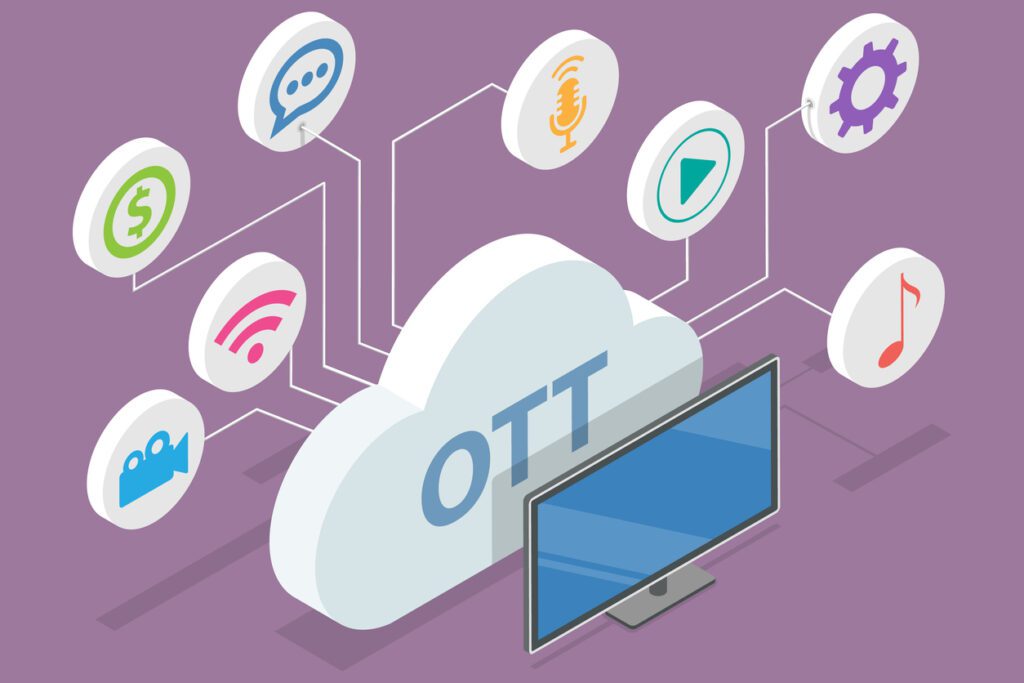
    OTT (Over-the-Top) advertising refers to digital ads delivered directly through streaming platforms — bypassing traditional cable and satellite TV providers.

    This includes popular services and devices like:

    • Hulu, Netflix (ad-supported tiers), Peacock, Paramount+, Pluto TV, and others
    • Connected devices such as Amazon Fire TV Stick, Roku Streaming Stick 4K, and smart TVs
    • Mobile and desktop streaming apps

    Unlike traditional TV, OTT advertising allows brands to reach highly engaged streaming audiences using digital targeting and tracking capabilities similar to paid search or social campaigns.

    What Is CTV Advertising?

    CTV (Connected TV) advertising is a subset of OTT advertising, focusing specifically on ads delivered through internet-connected TVs.

    Think of it as the living-room experience of the streaming era — where viewers are watching long-form content on a big screen, but through apps and devices instead of cable.

    CTV advertising blends the immersive, full-screen impact of traditional television with the precision targeting and analytics of digital marketing, making it one of the fastest-growing channels for modern advertisers.

    Digital TV Advertising vs. Traditional TV Advertising

    Traditional TV ads are broad, expensive, and often impossible to measure accurately. Digital TV advertising flips that model on its head:

    Traditional TV Digital TV (OTT & CTV)
    Broad demographic targeting Granular audience targeting (age, interest, behavior, location)
    High minimum spend Scalable budgets for brands of all sizes
    Limited tracking Real-time analytics and attribution
    One-way communication Integrated engagement and retargeting
    Linear scheduling On-demand streaming

    For businesses, this means more control, more visibility, and better ROI.

    Why OTT and CTV Advertising Are So Effective

    Modern viewers are cutting the cord at record rates. In fact, streaming platforms have surpassed cable in viewership, with millions spending hours daily on CTV devices.

    Here’s why OTT and CTV advertising are quickly becoming essential:

    • Precision Targeting:

      Reach audiences by demographics, interests, household income, behaviors, and geolocation.

    • Data-Driven Performance:

      Unlike traditional TV, advertisers can track impressions, clicks, completions, and conversions.

    • AI-Powered Optimization:

      Ads can be automatically adjusted and personalized for higher performance.

    • Premium Inventory:

      Stream on trusted, brand-safe platforms like Hulu, Peacock, and Roku.

    • Cost Efficiency:

      Get TV-level reach with digital-level cost control.

    How a CTV & OTT Advertising Agency Maximizes Impact

    Working with an experienced OTT and CTV advertising agency like nloop.ai/ means your campaigns aren’t just placed — they’re strategically orchestrated for maximum return.

    Here’s how we make it happen:

    1. AI-Driven Audience Targeting

    We use AI and advanced data modeling to identify your ideal viewers — not just by who they are, but by how and when they stream. This ensures your ad dollars are laser-focused on the most valuable audience segments.

    2. Strategic Channel Planning

    Not all streaming platforms are created equal. We craft media plans that match your audience’s viewing habits, ensuring your brand shows up on the right platforms, at the right times, with the right message.

    3. Dynamic Creative Optimization (DCO)

    Our team leverages AI to automatically test, optimize, and personalize ad creative in real time, ensuring stronger engagement and higher completion rates.

    4. Geo-Targeted Campaigns

    With precise geo-targeting, your CTV and OTT ads reach viewers in the exact regions you want — whether it’s a neighborhood, city, or national campaign.

    5. Real-Time Reporting & Attribution

    We provide transparent analytics dashboards that track impressions, view-through rates, engagement, and conversions across all your OTT and CTV placements.

    The Role of AI in Digital TV Advertising

    The future of OTT and CTV advertising is inseparable from artificial intelligence. At nloop.ai/, AI is not just a buzzword — it’s the engine that powers smarter targeting, faster optimization, and more efficient spend.

    AI enables us to:

    • Predict viewing patterns and audience intent
    • Personalize messaging dynamically
    • Optimize bids and placements in real time
    • Attribute conversions accurately across multiple devices

    This ensures your campaigns stay ahead of audience behavior, not behind it.

    Top Platforms & Channels in OTT and CTV Advertising

    An effective digital TV advertising strategy involves selecting the right mix of platforms and inventory. Some of the most impactful channels include:

    • Premium Streaming Services: Hulu, Peacock, Paramount+, Pluto TV, Sling TV
    • CTV Devices: Roku, Fire TV, Apple TV, Smart TVs
    • Free Ad-Supported Platforms: Tubi, Crackle, Xumo
    • YouTube TV & FAST Channels: Blending reach with cost-efficiency

    Our agency builds media plans that leverage premium and cost-efficient placements to maximize reach and ROI.

    Geo-Targeting in OTT & CTV Advertising

    One of the biggest advantages of OTT and CTV campaigns is hyperlocal targeting.

    Unlike traditional broadcast, where ads are sent to entire regions, digital TV advertising allows brands to focus on very specific geographic zones — down to ZIP codes.

    This is ideal for:

    • Local service businesses
    • Retailers with multiple locations
    • Political and advocacy campaigns
    • Tourism and hospitality brands
    • Event promotion

    With geo-targeted OTT ads, brands get TV-quality exposure without paying for wasted impressions.

    How OTT & CTV Fit Into a Multichannel Strategy

    OTT and CTV advertising are powerful on their own, but they become even more effective when integrated into a multichannel marketing strategy.

    For example:

    • A viewer sees your CTV ad on Hulu.
    • They later receive a retargeting ad on Instagram.
    • They Google your brand, click through to your site, and convert.

    nloop.ai/ connects these touchpoints with AI-powered attribution, giving you a complete picture of your customer journey.

    Measuring Performance in OTT & CTV Advertising

    Unlike traditional TV, digital TV campaigns are measurable. Key performance indicators (KPIs) we track include:

    • Impressions and reach
    • Completion rates
    • View-through and engagement
    • Click-through rates (where applicable)
    • Cost per completed view (CPCV)
    • Conversion lift and incremental impact

    This data-driven transparency allows you to refine and scale campaigns with confidence.

    Why Brands Are Shifting Budgets to Digital TV Advertising

    According to industry research, OTT and CTV ad spend is growing faster than any other digital channel, and for good reason:

    • Consumers are streaming more content than ever.
    • Advertisers get TV-level reach with digital targeting.
    • Campaigns are scalable for both local and national brands.
    • Measurement is accurate, transparent, and actionable.

    In short, digital TV advertising delivers the perfect mix of brand storytelling and performance marketing

    .

    Why Choose nloop.ai/ as Your OTT & CTV Advertising Partner

    When you work with nloop.ai/, you’re partnering with a team that combines advanced AI technology, strategic media buying, and geo-driven precision to make your campaigns stand out.

    What sets us apart:

    AI-first media strategy

    Advanced geo-targeting

    Real-time analytics & transparent reporting

    Access to premium streaming inventory

    Custom strategies aligned with your goals

    We don’t just run ads — we

    engineer campaigns that drive measurable business growth

    .

    The Future of OTT & CTV Advertising

    As streaming continues to dominate, OTT and CTV advertising will define the next era of digital marketing. The brands that embrace this now will be the ones leading tomorrow’s conversations — on the biggest screens in the house.

    With AI, precision targeting, and transparent measurement, digital TV isn’t just another ad channel. It’s the new frontier of connected storytelling and performance.

    Ready to Launch Your OTT or CTV Advertising Campaign?

    Whether you’re a local business, national brand, or e-commerce leader, OTT and CTV advertising give you the power to reach audiences like never before.

    Contact nloop.ai/ today (702-356-0316) to get started with a custom digital TV advertising strategy built to maximize your reach, engagement, and ROI.

  • How Programmatic Display Marketing Is Powering the Next Generation of Digital Advertising

    How Programmatic Display Marketing Is Powering the Next Generation of Digital Advertising

    Programmatic Display Marketing Agency In today’s fast-paced, data-driven marketing world, brands can no longer rely on static campaigns or guesswork. Modern customers expect personalized experiences, delivered across the platforms they use most — and they expect them in real time. This is exactly where programmatic display marketing shines. By combining AI-driven targeting, real-time bidding, and dynamic creative delivery, programmatic display campaigns allow brands to reach the right audience with the right message at the right time — all with unmatched efficiency. As a leading display marketing agency, nloop.ai/ helps businesses harness this power to scale visibility, engagement, and revenue across the entire digital landscape.

    What Is Programmatic Display Marketing?

    Programmatic display marketing is the automated process of buying and optimizing digital ad placements in real time through sophisticated software platforms — rather than relying on traditional manual ad buys. In simpler terms: Programmatic = AI-powered, automated media buying. Display marketing = visually engaging banner, video, and interactive ads placed across websites, apps, and digital platforms. These ads appear across millions of publisher websites, mobile apps, streaming services, and digital billboards, giving brands instant access to vast audiences — with precision targeting and measurable performance.

    Why Programmatic Display Marketing Is So Effective

    Programmatic display has grown into one of the most dominant forms of digital advertising for a reason. It delivers what modern marketers crave most: speed, scale, efficiency, and measurable ROI. Key advantages include:
    • Precision Targeting — Reach audiences based on behavior, demographics, interests, and location.
    • Real-Time Optimization — Campaigns adjust on the fly to perform better with no manual lag.
    • Efficiency at Scale — Thousands of ad impressions can be served to targeted audiences within seconds.
    • Dynamic Creative — Ads are tailored to each viewer for maximum relevance and engagement.
    • Better ROI — Automated buying eliminates wasted spend on irrelevant impressions.
    Programmatic isn’t just a trend — it’s quickly becoming the standard for display advertising.

    How Programmatic Display Works

    To understand its power, it helps to look at the basic flow of how programmatic display marketing works:
    1. Audience Data Collection – AI systems analyze vast datasets to identify your ideal target audience based on behavior, demographics, and interests.
    2. Real-Time Bidding (RTB) – When a user visits a site, automated systems instantly bid on that impression.
    3. Ad Placement – If your bid wins, your ad is displayed to that user — all in milliseconds.
    4. Performance Optimization – AI monitors performance, continuously refining bids and targeting to improve results.
    5. Reporting & Attribution – You see exactly how impressions, clicks, and conversions tie back to your business goals.
    This process allows brands to maximize exposure while maintaining tight control over targeting, budget, and results.

    Why Work with a Programmatic Display Marketing Agency

    While programmatic technology is powerful, it’s also complex. Working with an experienced display marketing agency like nloop.ai/ ensures your campaigns aren’t just running — they’re strategically engineered for maximum impact. Here’s what sets a strong programmatic partner apart:

    1. Advanced Audience Targeting

    We use AI-powered data modeling to segment audiences by behaviors, interests, purchase intent, and location — ensuring your ads reach the people most likely to convert.

    2. Smart Media Buying

    Our team handles the technical side of programmatic platforms, ensuring your ad dollars are spent efficiently across high-quality inventory.

    3. Creative Optimization

    Dynamic creative allows your messaging to adapt to each viewer. We build and optimize display ads that capture attention and drive clicks.

    4. Transparent Reporting

    We provide real-time dashboards so you can track impressions, clicks, conversions, and cost efficiency across every campaign.

    5. Strategic Scaling

    Once campaigns prove successful, we scale intelligently — expanding reach without sacrificing performance or precision.

    Types of Programmatic Display Ads

    A key strength of programmatic advertising is its flexibility. Some of the most common (and effective) ad formats include:
    • Banner Ads — Standard display placements across sites and apps.
    • Video Ads — Highly engaging spots within streaming content or video players.
    • Native Ads — Seamlessly integrated ads that match the surrounding content.
    • Rich Media & Interactive Ads — Creative formats that encourage engagement.
    • Digital Out-of-Home (DOOH) — Programmatic ads served on digital billboards and screens.
    This multi-format approach allows brands to connect with audiences wherever they are, on the devices they use most.

    Geo-Targeting in Programmatic Display

    Unlike traditional display campaigns that cast a wide net, programmatic allows for precise geo-targeting. For example, a local retailer can serve ads to users within a few miles of their store, while a national brand can deploy campaigns across multiple metro areas simultaneously — each with its own customized creative and offer. Geo-targeting is especially powerful for:
    • Local service businesses
    • Franchise brands
    • Tourism and hospitality campaigns
    • Event and venue promotion
    • Political and advocacy campaigns
    With programmatic display, location becomes a strategic advantage, not just an audience attribute.

    AI: The Engine Behind Programmatic Marketing

    Artificial intelligence is at the core of programmatic advertising’s success. At nloop.ai/, AI isn’t just a tool — it’s the foundation of how we build, run, and optimize campaigns. Here’s how AI enhances display marketing:
    • Predictive Targeting — Anticipate who’s most likely to engage or convert.
    • Bid Optimization — Adjust bids dynamically for better cost efficiency.
    • Creative Personalization — Adapt messaging to match user behavior.
    • Performance Forecasting — Predict campaign trends and opportunities.
    • Continuous Learning — Campaigns get smarter over time, improving ROI month after month.
    This means fewer wasted impressions, more qualified clicks, and better overall performance.

    How Programmatic Fits into a Full-Funnel Strategy

    Programmatic display isn’t a standalone tactic — it’s a powerful part of a multichannel marketing strategy. For example:
    • A prospect first sees your display ad on a news site.
    • They’re retargeted on social media.
    • They search for your brand on Google.
    • They eventually convert on your website or in-store.
    nloop.ai/ connects these dots with AI-driven attribution models, ensuring you understand how programmatic fits into your customer journey and revenue growth strategy.

    Measuring Success in Programmatic Display Marketing

    Unlike old-school advertising, programmatic campaigns are 100% measurable. We track key KPIs such as:
    • Impressions & reach
    • Click-through rate (CTR)
    • Cost per click (CPC) & cost per thousand impressions (CPM)
    • Conversion rates
    • Time to conversion
    • Return on ad spend (ROAS)
    This data allows brands to optimize campaigns in real time, ensuring maximum efficiency and profitability.

    Why Brands Are Increasing Programmatic Budgets

    Programmatic display marketing has become a top investment priority for brands of all sizes. Here’s why:
    • Better ROI through AI-driven optimization
    • Global reach with local precision targeting
    • Speed and scalability unmatched by manual buying
    • Smarter decision-making through data transparency
    • Cross-channel alignment with search, social, and video
    In fact, programmatic now accounts for the majority of digital display ad spend globally — a clear indicator of its effectiveness.

    Why Choose nloop.ai/ as Your Display Marketing Agency

    When you partner with nloop.ai/, you’re choosing a strategic, AI-powered display marketing agency that goes beyond impressions and clicks — we focus on revenue and growth. What sets us apart: AI-first programmatic strategy Hyperlocal and national geo-targeting Real-time reporting and optimization Creative that adapts to your audience Scalable campaigns built for performance We combine human strategy with machine intelligence to help brands maximize the value of every ad dollar.

    The Future of Programmatic Display Advertising

    As privacy standards evolve and third-party cookies fade, AI and programmatic innovation will define the next era of digital marketing. Brands that invest now in intelligent display marketing strategies will have a decisive competitive edge tomorrow — with better targeting, smarter spend, and stronger customer connections.

    Ready to Launch Your Programmatic Display Campaign?

    Whether you’re looking to grow locally or scale nationally, programmatic display marketing can help your brand reach audiences with unparalleled precision and performance. Contact nloop.ai/ today (702-356-0316) to speak with a display marketing expert and build a campaign engineered for growth.
  • The Rise of Digital TV Advertising and Video Marketing: How Brands Are Winning in 2026

    The Rise of Digital TV Advertising and Video Marketing: How Brands Are Winning in 2026

    The Rise of Digital TV Advertising

    The Screen Has Evolved — So Should Your Strategy

    The living room has gone digital.

    Audiences no longer tune in at 7 p.m. — they stream on demand, across devices, and on their own terms. Whether it’s Netflix, YouTube TV, Hulu, or Amazon Freevee, streaming has redefined television and opened a new frontier for marketers:

    Digital TV Advertising

    .

    At

    nloop.ai/

    , we help brands harness this transformation through

    AI-powered video marketing and programmatic CTV (Connected TV) advertising

    — connecting storytelling with real-time intelligence.

    In 2026, success belongs to the brands that know how to merge creativity with data — reaching the right audience, on the right screen, at the right time.

    What Is Digital TV Advertising?

    Digital TV Advertising

    , often referred to as

    Connected TV (CTV) advertising

    , is the delivery of video ads through internet-connected devices — smart TVs, streaming platforms, and OTT (over-the-top) apps — rather than traditional cable or broadcast.

    It bridges the gap between television’s emotional storytelling and digital marketing’s precision targeting.

    Unlike traditional TV ads, digital TV campaigns allow marketers to:

    • Target by

      demographics, behaviors, and viewing habits
    • Measure

      real-time engagement and conversion
    • Integrate with other digital channels for full-funnel visibility

    • Adjust creative and spend dynamically based on performance

    In other words,

    Digital TV Advertising is TV reimagined for the data age

    .

    Why Video Marketing Dominates the Digital Era

    Video remains the most powerful medium in digital marketing — because it combines sight, sound, and emotion to create a human connection.

    By 2026:

    • Over

      85% of all internet traffic

      will be video-based content.

    • Consumers will spend an average of

      4+ hours daily

      streaming or watching online video.

    • Brands using video marketing will experience

      49% faster revenue growth

      than those that don’t.

    But today’s video marketing isn’t just about producing content — it’s about

    strategic distribution, audience intelligence, and AI-driven optimization

    .

    That’s where nloop.ai/ leads the way.

    The Shift from Linear to Connected: Why CTV Is the New Prime Time

    Traditional TV advertising relied on reach and repetition. You bought airtime on a network, hoped the audience tuned in, and waited for results.

    Today, audiences are fragmented across hundreds of streaming services and digital ecosystems — and that’s a good thing.

    Connected TV (CTV)

    gives marketers the best of both worlds:

    • TV-quality experiences

      with HD visuals and cinematic storytelling.

    • Digital-level precision

      , enabling you to target down to household, behavior, or purchase intent.

    With CTV, your brand message can appear:

    • During a Hulu show binge

    • Before a YouTube TV sports replay

    • On Amazon Fire TV, Roku, or Samsung Smart TVs

    • Within FAST (Free Ad-Supported Streaming TV) channels

    This creates an ecosystem where ads aren’t just seen — they’re

    seen by the right people

    .

    nloop.ai/’s Approach: AI + Data = Smarter Video Advertising

    At nloop.ai/, we combine the creative power of video with the analytical precision of artificial intelligence.

    Our platform uses machine learning and predictive modeling to help brands plan, optimize, and scale campaigns across every major CTV and digital video platform.

    1. Audience Intelligence

    We analyze millions of data points — demographics, streaming habits, and contextual signals — to build high-performing audience segments.

    This ensures your message reaches viewers most likely to engage, not just anyone watching.

    2. Predictive Optimization

    AI continuously learns from engagement patterns, reallocating ad spend to top-performing audiences and time slots in real time.

    No more wasted impressions — just precision targeting that compounds results.

    3. Creative Personalization

    Dynamic video templates allow messaging, visuals, or calls-to-action to adjust based on viewer profile or location.

    Imagine an ad that automatically customizes its voiceover or offer for “New York,” “Dallas,” or “Phoenix” — all within the same campaign.

    4. Cross-Channel Coordination

    nloop.ai/ synchronizes your video campaigns with your display, social, and search efforts, ensuring every channel reinforces the next.

    When someone watches your CTV ad, they might later see a retargeted social post or a follow-up offer via email — all powered by AI automation.

    The Power of Video Storytelling in an AI World

    Even with data and automation, one truth remains unchanged:

    great stories drive action.

    Video gives brands the opportunity to

    humanize their message

    , capture attention in seconds, and inspire emotion at scale.

    nloop.ai/ helps brands bridge the art and science of storytelling by blending:

    • Data-driven insights

      that reveal what resonates with your audience

    • AI-assisted creative tools

      that suggest headlines, visuals, and CTAs

    • Performance feedback loops

      that tie creative metrics (watch rate, completion, sentiment) back to ROI

    This blend of creativity and intelligence allows brands to continually refine — not just repeat — their storytelling.

    Digital TV Advertising vs. Traditional TV: A New Standard for Accountability

    Traditional TV has always been powerful — but difficult to measure.

    Digital TV changes that completely.

    With

    CTV and programmatic video

    , brands can now measure:

    • View-through rate (VTR)

      — how many viewers watched your ad to completion.

    • Attribution data

      — how many conversions, signups, or website visits followed exposure.

    • Frequency and reach

      across multiple devices.

    • Cost efficiency (CPM, CPCV, CPA)

      across placements and audiences.

    This level of transparency turns video advertising from a brand expense into a performance channel.

    Integrating Digital TV Advertising into an Omni-Channel Strategy

    The true power of digital video emerges when it’s part of a

    unified omni-channel strategy

    .

    nloop.ai/’s platform connects every screen, message, and data point into one continuous loop of engagement.

    Here’s how it works:

    1. A user sees your CTV ad on Roku.
    2. They later encounter a related display ad while browsing online.
    3. nloop’s AI triggers a personalized email or retargeting offer.
    4. Attribution tracking ties every step together in a single report.

    The result:

    a seamless, measurable, multi-touch experience

    that turns awareness into action.

    Emerging Trends: What’s Next for Digital Video in 2026

    As technology evolves, so does the way we consume and engage with video.

    Here are a few trends shaping the next wave of digital TV advertising and video marketing:

    1. AI-Generated Video Content

    Advancements in generative AI are making it faster and more affordable to produce personalized video creative at scale — from auto-scripted product videos to dynamically localized ads.

    2. Shoppable Video Experiences

    CTV and social video platforms are merging e-commerce and entertainment, allowing viewers to purchase products directly from ads.

    3. Voice and Interactive Video

    Interactive video ads with voice prompts, polls, or clickable overlays are transforming passive viewing into active engagement.

    4. Contextual Targeting

    As privacy regulations limit data tracking, AI-driven contextual targeting is making it possible to align video ads with relevant content — without compromising compliance.

    These innovations are making video not just an awareness tool, but a

    full-funnel growth engine

    .

    Measuring What Matters: KPIs for Modern Video Campaigns

    Effective video marketing requires consistent measurement across key metrics:

    • Completion Rate:

      Percentage of viewers who watch the ad to the end.

    • Click-Through Rate (CTR):

      Engagement after exposure.

    • Brand Lift Studies:

      Measuring perception changes before and after exposure.

    • Incremental Reach:

      How many new viewers your CTV campaign reached beyond traditional media.

    • Conversion Tracking:

      Direct attribution from ad view to purchase or inquiry.

    nloop.ai/’s dashboard consolidates these data points — helping you understand not just what people watch, but what they do next.

    Video Is the Language of Digital Connection

    As we move deeper into 2026, the line between digital, social, and television continues to blur.

    Consumers no longer distinguish between screens — they simply expect relevance, storytelling, and authenticity wherever they watch.

    Digital TV advertising and video marketing

    sit at the center of that evolution — blending entertainment, emotion, and intelligence into one cohesive experience.

    At

    nloop.ai/

    , we help brands turn that opportunity into measurable growth through

    AI-powered targeting, predictive optimization, and cross-channel automation

    .

    From storyboarding to analytics, we close the loop between creativity and performance — because in a world where attention is scarce, video remains the most powerful way to connect.

  • Revolutionizing the Pitch: How AI Is Transforming Digital Marketing Proposals in 2026

    Revolutionizing the Pitch: How AI Is Transforming Digital Marketing Proposals in 2026

    Digital Marketing Proposal Builder

    Winning the Business Before Winning the Campaign

    In digital marketing, your first impression isn’t your ad — it’s your proposal. Before the first keyword is researched or the first campaign launched, success depends on how clearly and convincingly you communicate value.

    Yet for most agencies, proposal creation remains one of the most time-consuming, inconsistent, and manual parts of the sales process. Drafting custom scopes, formatting slides, sourcing performance data — all before a client even says “yes” — takes hours that could be spent on strategy.

    That’s why nloop.ai built tools that merge AI automation, data intelligence, and creative precision into the next generation of proposal software: the Digital Marketing Proposal Builder.

    In 2026, proposals aren’t just documents — they’re data-driven sales engines.

    The Evolution of Marketing Proposals: From PDFs to Predictive Intelligence

    For years, proposals were static: a mix of Word templates, screenshots, and manual pricing tables. While functional, they often failed to capture what makes an agency truly different — speed, insight, and measurable impact.

    As marketing itself became more data-driven, proposals needed to evolve. Clients now expect:

    • Live performance projections and competitive analysis.
    • Real-time personalization for their brand, industry, and location.
    • Transparent pricing and deliverables.
    • Clean, interactive design — not just text-heavy documents.

    The result? A new era of AI-powered digital marketing proposals that combine storytelling, data, and automation to help agencies close faster and smarter.

    Why Digital Marketing Proposals Matter More Than Ever

    In 2026’s competitive agency landscape, your proposal is more than a quote — it’s your strategy, credibility, and brand promise packaged in one experience.

    1. It Defines Trust Early

      A well-structured, data-backed proposal signals professionalism and precision before a campaign even begins. It shows clients you understand their challenges and have the tools to solve them.

    2. It Sets Expectations

      Clear deliverables, timelines, and KPIs prevent scope confusion down the line — creating smoother engagements and higher client retention.

    3. It Shortens Sales Cycles

      AI-assisted proposals allow agencies to respond to RFPs, inbound leads, and partnership requests in hours instead of days, dramatically improving conversion rates.

    4. It Differentiates Your Brand

      With AI personalization and dynamic visuals, your proposals become an extension of your brand identity — not just a sales document, but a showcase of innovation.

    nloop.ai’s Digital Marketing Proposal Builder: The Future of Agency Sales

    At nloop.ai, we designed our proposal automation system to solve one simple challenge:

    How can agencies pitch faster, smarter, and with more impact — without sacrificing quality?

    The answer lies in automation that learns from your success.

    1. AI Proposal Generation

      nloop’s system uses natural language processing and your agency’s past proposals to automatically generate tailored pitches for each client.

      Input the company name, industry, and services — and the AI builds a complete draft including:

      • Custom introductions
      • Service summaries
      • KPI targets
      • Deliverables and timelines
      • Case study inserts

      Within minutes, your proposal framework is ready — 90% done before you even begin refining.

    2. Dynamic Data Integration

      Connect your analytics platforms (Google Ads, Meta, HubSpot, or Salesforce) to embed live performance benchmarks, visuals, and projections directly into the proposal.

      Instead of static charts, clients see how real data supports your strategy.

    3. Smart Scoping and Pricing

      The proposal builder auto-calculates pricing and timelines based on selected services and campaign tiers — whether SEO, PPC, programmatic, or email automation.

      This eliminates human error and ensures consistent profitability across deals.

    4. Collaboration & Workflow

      Teams can collaborate in real time — strategists draft goals, designers refine visuals, and executives approve proposals instantly.

      No more endless PDF versions or lost track changes.

    5. Interactive Client Experience

      Proposals are delivered as interactive microsites — with clickable sections, embedded videos, and live chat for feedback — transforming the pitch into an experience, not a file.

    How AI Personalization Elevates Every Proposal

    In an age of automation, personalization is what closes deals.

    nloop’s proposal builder leverages Generative AI to tailor each pitch based on:

    • Client industry trends
    • Regional marketing conditions
    • Brand tone and audience insights
    • Seasonal or event-based opportunities

    For example:

    • A proposal for a restaurant group may include localized CTV ad recommendations.
    • A proposal for a law firm may highlight AI-powered SEO for reputation management.
    • A proposal for an e-commerce brand could feature predictive ad spend modeling across Amazon and Google.

    Each proposal feels hand-crafted — but it’s built in minutes.

    The Impact: From Hours to Minutes, From Guesswork to Growth

    Agencies using AI-driven proposal builders are reporting:

    • 80% faster proposal creation
    • 25–40% higher close rates due to personalization and clarity
    • Consistent brand voice across all client materials
    • Improved forecasting accuracy through data-driven pricing and KPIs

    For marketing teams, this means less time spent formatting and more time spent strategizing.

    For clients, it means a more engaging and transparent buying experience.

    And for agencies, it means scaling sales without scaling overhead.

    Integrating Proposals into the Full Marketing Loop

    The proposal process shouldn’t live in isolation.

    At nloop.ai, we connect proposals into your entire marketing ecosystem:

    • CRM Integration: Sync with HubSpot, Salesforce, or Pipedrive
    • Analytics Feedback: Improve proposals using closed-won data
    • Omni-Channel Consistency: Align messaging across all channels

    This turns your proposal system into a learning machine — improving with every pitch.

    The Art of the Pitch Meets the Science of AI

    While automation accelerates the process, winning proposals still require the human touch — strategy, storytelling, and empathy.

    We believe the future of marketing isn’t human vs. machine — it’s human + machine.

    • AI handles structure, data, and repetition
    • Marketers bring creativity, insight, and persuasion

    Together, they deliver proposals that are faster, smarter, and more human.

    What Great Digital Marketing Proposals Include

    • Executive Summary – Overview of goals and solutions
    • Data-Backed Opportunity Analysis
    • Recommended Strategy
    • Deliverables & Timeline
    • Projected KPIs & ROI Forecast
    • Investment & Pricing
    • Next Steps

    Looking Ahead: The Future of Proposal Intelligence

    AI proposal builders will become the standard for agencies.

    Future systems will predict winning strategies based on:

    • Historical conversion data
    • Industry seasonality
    • Client engagement behavior
    • Proposal tone and structure

    Imagine knowing what increases close probability by 32% — before sending the proposal.

    Close Smarter, Scale Faster

    The most successful agencies don’t just deliver great campaigns — they deliver great proposals.

    No more blank pages. No more guesswork.

    Just intelligent, branded, ready-to-send proposals that scale with your business.

    Because in the new era of digital marketing, the pitch isn’t paperwork — it’s your first campaign.

  • The Importance of Digital Marketing Partners in Modern Marketing Campaigns

    The Importance of Digital Marketing Partners in Modern Marketing Campaigns

    Importance of Digital Marketing Partners in Modern Marketing Campaigns

    Every successful brand has one thing in common — the ability to adapt, evolve, and connect with audiences in meaningful ways. As the digital landscape continues to expand, traditional marketing alone no longer delivers the reach or precision needed to stay competitive. That’s where digital marketing partners come into play.

    These experts bridge the gap between technology, creativity, and data to design strategies that amplify brand visibility, nurture leads, and drive measurable growth. Partnering with the right team gives businesses a crucial edge in crafting campaigns that truly resonate with consumers.

    Understanding the Role of Digital Marketing Partners

    Digital marketing partners are not just agencies that run ads or manage social media; they are strategic allies that align your marketing goals with real-world consumer behaviors. They bring together analytics, content, creative storytelling, and automation to build an ecosystem that supports consistent engagement and conversion.

    By combining digital marketing services such as SEO, PPC, social media, content creation, and email campaigns, these partners ensure that brands reach their audiences at the right time and place. Their strength lies in translating complex data into actionable insights, allowing businesses to make smarter decisions and maximize return on investment.

    Why Collaboration Is Key to Digital Success

    Collaboration forms the backbone of effective modern marketing. A digital marketing partner works closely with your in-house team, ensuring a seamless exchange of ideas, data, and goals. This synergy enhances innovation, improves communication, and ensures every marketing effort contributes to a unified brand message.

    Rather than juggling multiple vendors or freelancers, partnering with a single, strategic entity ensures consistency across campaigns. They manage your marketing ecosystem holistically — from campaign planning and execution to monitoring and optimization.

    When businesses collaborate with experts who understand digital dynamics, they gain both creativity and precision — the two pillars of sustainable marketing success.

    The Power of Data-Driven Marketing

    Gone are the days when marketing decisions were based solely on intuition or guesswork. Data-driven marketing empowers brands to make informed decisions backed by metrics and analytics. By analyzing user behavior, website interactions, and social media engagement, businesses can identify what works, what doesn’t, and where to focus their energy.

    Digital marketing partners leverage data tools and artificial intelligence to track every stage of the customer journey. From measuring click-through rates to predicting purchase patterns, this approach helps marketers fine-tune campaigns for better performance.

    The true value of data-driven marketing lies in its ability to personalize. Instead of broad messages, brands can now deliver customized content that appeals directly to individual preferences — improving engagement and conversion rates simultaneously.

    Unlocking Consumer Insights for Smarter Campaigns

    Understanding your audience is at the heart of any effective campaign. Through advanced analytics and audience research, digital marketing partners uncover valuable consumer insights that guide every aspect of marketing strategy.

    These insights go beyond demographics; they reveal motivations, pain points, and emotional triggers that influence buying behavior. With this knowledge, businesses can refine their messaging, enhance customer experiences, and anticipate market shifts before they happen.

    For example, consumer data can reveal when customers are most active online, what type of content they prefer, and which channels drive the highest engagement. When used correctly, consumer insights transform guesswork into precision — helping brands connect authentically with their audiences.

    The Role of Audience Segmentation in Campaign Success

    Not all audiences are the same — and treating them as such often leads to wasted ad spend and missed opportunities. This is where audience segmentation becomes essential.

    Segmentation involves dividing a broader audience into smaller, more defined groups based on shared characteristics such as age, location, behavior, or interests. By doing so, marketers can craft messages that speak directly to each segment’s unique needs and aspirations.

    Digital marketing partners use advanced tools and machine learning to create precise audience clusters. Whether it’s targeting young professionals interested in fitness or families looking for home improvement ideas, segmentation ensures every message lands where it matters most.

    This personalized approach doesn’t just enhance engagement — it builds brand loyalty by showing that your business truly understands its audience.

    Leveraging Data Audiences for B2C Marketing Growth

    For brands that operate in the business-to-consumer space, tapping into data audiences for B2C marketing can be a game-changer. These audiences are built using real-time data from multiple touchpoints — social media interactions, website visits, search behavior, and more.

    With this information, digital marketing partners can help brands predict trends, tailor campaigns, and optimize targeting. The ability to segment and retarget these data audiences means brands can stay top-of-mind for consumers even after the first interaction.

    Whether it’s through personalized product recommendations or targeted email campaigns, data audiences for B2C marketing ensure that your efforts drive measurable results. This data-first approach minimizes guesswork and maximizes efficiency, turning potential leads into loyal customers.

    Digital Marketing Services That Drive Results

    A reliable digital marketing partner offers a comprehensive suite of digital marketing services designed to build awareness, generate leads, and increase conversions. These services may include:

    1. Search Engine Optimization (SEO): Improving visibility on search engines to attract organic traffic.
    2. Pay-Per-Click (PPC) Advertising: Running targeted ads for immediate visibility and conversions.
    3. Social Media Marketing: Creating and managing campaigns on platforms where your audience spends their time.
    4. Content Marketing: Developing high-quality content that informs, entertains, and persuades.
    5. Email Marketing: Nurturing customer relationships through personalized messages and offers.
    6. Web Analytics & Reporting: Measuring campaign effectiveness and refining strategies for continuous improvement.

    Together, these services form a powerful ecosystem that enhances every touchpoint in the customer journey.

    The Competitive Edge: Why Digital Marketing Partners Matter More Than Ever

    In today’s hyperconnected world, brands face fierce competition for attention. A digital marketing partner provides the competitive edge businesses need to stand out.

    They bring specialized skills, tools, and experience to the table — things that may be difficult or expensive to build internally. Their ability to interpret data, predict trends, and optimize performance ensures that your marketing budget delivers maximum ROI.

    Moreover, their understanding of digital ecosystems allows them to quickly adapt strategies when market dynamics shift — ensuring your brand remains relevant in fast-changing environments.

    In short, digital marketing partners transform your marketing efforts from reactive to proactive.

    The Integration of AI and Automation in Digital Marketing

    Artificial Intelligence (AI) and automation have redefined how brands approach marketing. From chatbots to predictive analytics, AI helps digital marketing partners make smarter, faster decisions.

    AI-driven platforms automate repetitive tasks like email scheduling, audience segmentation, and ad placement, freeing up time for creative strategy. Meanwhile, machine learning analyzes campaign data in real-time to identify what’s working and what isn’t — allowing continuous optimization.

    This integration not only improves efficiency but also enhances personalization. By understanding customer intent, AI enables brands to deliver content that’s relevant, timely, and impactful — a key differentiator in the digital age.

    How Digital Marketing Partners Build Brand Trust

    Trust is currency in the digital world. With endless choices available, consumers prefer brands that are transparent, authentic, and consistent. Digital marketing partners help businesses cultivate this trust through honest storytelling, user-generated content, and engagement strategies that highlight real customer experiences.

    They ensure brand messaging remains consistent across all platforms — from social media to paid ads — reinforcing your credibility. By analyzing consumer insights, these partners understand what builds confidence and loyalty, crafting campaigns that foster genuine connections.

    In essence, the right partner helps you build not just awareness, but also affinity.

    How Nloop AI Can Be a Game-Changer to Grow Your Business

    Technology continues to push the boundaries of marketing innovation — and Nloop AI represents the next big leap. By combining artificial intelligence with deep analytics, Nloop AI empowers businesses to make smarter, data-driven decisions.

    It simplifies complex processes like audience segmentation and campaign optimization by automating data collection, analysis, and reporting. With its ability to generate accurate consumer insights, Nloop AI helps businesses predict customer behavior and personalize experiences in real time.

    For brands looking to scale efficiently and stay ahead of competitors, Nloop AI offers a clear advantage — making it a true game-changer for business growth.

    The Future of Digital Collaboration

    The future of marketing lies in collaboration — between human creativity, data intelligence, and advanced technology. Digital marketing partners that embrace this hybrid approach will define the next generation of marketing success.

    As digital ecosystems become more complex, these partnerships will help brands maintain agility and consistency while delivering exceptional customer experiences. From leveraging AI-driven personalization to mastering data-driven marketing, the goal remains the same: connect meaningfully, convert effectively, and grow sustainably.

    Partnering for Success in the Digital Era

    In the modern business world, success doesn’t happen in isolation — it’s built through collaboration, innovation, and insight. Partnering with the right digital marketing partners allows brands to access expertise, tools, and digital marketing services that drive measurable growth.

    By using data-driven marketing, consumer insights, and precise audience segmentation, businesses can deliver campaigns that feel personal, relevant, and authentic. And with platforms like Nloop AI, marketers can supercharge performance with automation and predictive intelligence.

    If your goal is to connect with your audience more effectively and future-proof your brand strategy, now is the time to take action.

    Partner with Nloop AI today — and watch your business reach new heights of success.
  • How to Integrate Programmatic Audio Into Your Omnichannel Ad Strategy

    How to Integrate Programmatic Audio Into Your Omnichannel Ad Strategy

    Rise of Programmatic Audio Advertising

    Understanding the Rise of Programmatic Audio Advertising

    Sound has always been one of the most powerful media in marketing — it evokes emotions, builds memories, and captures attention even when visuals can’t. Today, as brands compete for attention across multiple digital channels, programmatic audio advertising has emerged as a game-changer in how businesses engage with audiences.

    This innovative approach uses data, automation, and real-time bidding to place ads in digital audio environments such as podcasts, streaming music, and digital radio. Unlike traditional audio advertising, programmatic methods ensure that ads reach the right listener, at the right time, in the right context.

    When integrated thoughtfully into an omnichannel marketing strategy, programmatic audio can amplify brand awareness, strengthen customer loyalty, and improve engagement across all touchpoints.

    Why Programmatic Audio Advertising Deserves a Place in Omnichannel Marketing

    In a world where consumers shift between multiple platforms — smartphones, laptops, smart TVs, and voice assistants — it’s critical for brands to maintain consistent messaging. That’s where omnichannel marketing shines. It focuses on creating a seamless brand experience across every channel a consumer interacts with.

    Adding programmatic audio advertising to that mix brings a unique advantage — sound-based engagement that cuts through digital clutter. Listeners engage with audio content in moments when they’re not looking at screens, such as driving, exercising, or cooking. This allows brands to connect with audiences during otherwise unreachable “screen-free” moments.

    Moreover, data-driven targeting makes audio advertising more efficient and measurable than ever before, aligning perfectly with the precision and personalization goals of omnichannel strategies.

    The Mechanics Behind Programmatic Audio Advertising

    To understand how programmatic audio fits into omnichannel strategies, it’s essential to grasp how the system works.

    Programmatic audio advertising operates on a real-time bidding model. Advertisers use demand-side platforms (DSPs) to bid for available ad slots across music streaming services, podcasts, and digital radio stations. Once the bid wins, the ad is inserted dynamically into the user’s listening experience.

    This technology-driven process allows brands to:

    • Target users based on demographics, location, and behavior.
    • Deliver different messages to different audience segments.
    • Measure engagement metrics like completion rate, reach, and frequency.

    These capabilities make it easy to integrate audio seamlessly into omnichannel forecasting and campaign analytics.

    The Role of Digital Radio Ads in Omnichannel Strategies

    Digital radio ads are a cornerstone of programmatic audio campaigns. They reach millions of listeners across platforms like Spotify, Pandora, and TuneIn. What makes them unique is their ability to combine traditional radio’s reach with digital marketing’s precision.

    When incorporated into omnichannel marketing, digital radio ads create continuity between online and offline experiences. A consumer might hear an ad while streaming a podcast and later see a related social media post, search ad, or display banner — all reinforcing the same message.

    This cross-platform synergy helps brands achieve consistent storytelling, one of the fundamental principles of effective omnichannel marketing.

    Omnichannel Forecasting: Aligning Data for Smarter Campaigns

    Successful integration of programmatic audio advertising depends heavily on omnichannel forecasting. This involves analyzing consumer behavior and predicting which channels and messages will yield the best results.

    Because programmatic platforms generate detailed performance metrics — such as listener demographics, engagement duration, and time of day — marketers can feed this data into their broader omnichannel forecasting models.

    This data-driven loop allows businesses to:

    • Allocate budgets more efficiently.
    • Identify which audiences respond best to audio.
    • Refine creative strategies for maximum impact.

    By aligning these insights with other digital channels, marketers can build campaigns that are not only cohesive but also optimized for every stage of the customer journey.

    Benefits of Integrating Programmatic Audio Into Your Ad Mix

    Bringing programmatic audio advertising into your omnichannel mix offers multiple advantages for brands aiming to stay competitive and relevant.

    1. Reach Listeners Beyond the Screen

    Audio content occupies a unique niche — it’s consumed during activities where visual media can’t reach. That makes audio advertising invaluable for tapping into untapped audience moments.

    1. Build Emotional Connections

    Voice, tone, and sound design can evoke emotions far more effectively than text or visuals alone. These emotional triggers help strengthen brand recall and loyalty.

    1. Data-Driven Personalization

    Because programmatic audio advertising relies on real-time data, advertisers can personalize messages to specific demographics, times, or even moods.

    1. Cost Efficiency and Scalability

    Programmatic systems automate bidding and placement, making ad buying more cost-efficient. You only pay for impressions that meet your targeting criteria.

    1. Stronger Cross-Channel Synergy

    Audio ads can act as reinforcements for other digital channels, reminding users of visuals or social ads they’ve seen before — thus improving overall campaign consistency.

    Creating a Seamless Customer Experience Through Omnichannel Marketing

    The ultimate goal of omnichannel marketing is to ensure that every interaction a customer has with your brand feels connected and consistent. Whether a customer hears your digital radio ad during their morning drive or sees your social ad later in the day, the message and tone should feel part of the same story.

    To achieve this, brands should:

    • Develop unified audience profiles across all channels.
    • Maintain consistent creative themes and tone of voice.
    • Leverage cross-channel analytics to measure performance collectively.

    By combining these principles with programmatic audio advertising, brands can offer listeners a personalized yet cohesive experience that reinforces trust and engagement.

    How to Integrate Programmatic Audio Into Your Omnichannel Ad Strategy

    Successfully incorporating programmatic audio advertising into your omnichannel campaigns involves strategic alignment between creative, data, and technology. Here’s how to do it effectively:

    1. Define Your Audience Across Channels

    Start by identifying who your ideal customers are and where they spend their time. Use audience data from existing channels — such as search, social media, and email — to inform your audio advertising strategy.

    1. Create Cohesive Messaging

    Ensure that your audio content aligns with your visual and written messaging. The voice and tone in your digital radio ads should reflect the same personality your audience experiences elsewhere.

    1. Use Omnichannel Forecasting to Guide Media Spend

    Allocate budgets based on performance insights from omnichannel forecasting tools. If your audio ads perform well during specific times of day, adjust other channels accordingly for optimal reach.

    1. Leverage Retargeting Opportunities

    With programmatic technology, you can retarget listeners who’ve engaged with your audio advertising on other platforms — like showing them display or video ads later in their journey.

    1. Measure and Optimize Continuously

    Track engagement rates, conversions, and attribution metrics to understand how audio fits into your overall campaign performance. Use these insights to refine future omnichannel marketing strategies.

    Challenges and Solutions in Programmatic Audio Integration

    While programmatic audio advertising offers immense potential, it also presents challenges that brands need to navigate carefully.

    • Data Fragmentation: When audience data lives in silos across multiple platforms, it becomes harder to create unified insights. The solution lies in centralizing data through customer data platforms (CDPs).
    • Creative Adaptation: Audio requires a different creative approach compared to visual media. Marketers should focus on crafting concise, emotionally resonant messages.
    • Measurement Accuracy: Attribution across channels can be complex. Implementing robust omnichannel forecasting models can help connect the dots between audio exposure and conversion outcomes.

    By addressing these challenges proactively, brands can ensure that their programmatic audio advertising integrates smoothly into the larger omnichannel ecosystem.

    How Programmatic Audio Supports Brand Consistency

    Consistency is a hallmark of strong branding. By adding programmatic audio advertising to an omnichannel framework, companies ensure their voice — literally and figuratively — is heard across all platforms.

    For example, a retail brand could use the same tone, slogan, and soundtrack across podcasts, social media videos, and mobile ads. This cohesive experience enhances brand familiarity and credibility.

    Moreover, since audio advertising is often consumed in personal settings, it helps reinforce trust and intimacy — qualities that can significantly influence purchase decisions.

    The Future of Omnichannel Marketing and Audio Integration

    The future of omnichannel marketing will be defined by the ability to deliver hyper-personalized, cross-platform experiences at scale. Programmatic audio advertising will play a central role in this transformation, bridging the gap between digital interactivity and human connection.

    As technologies like voice search, smart speakers, and in-car audio evolve, the opportunities for immersive and interactive audio advertising will only grow. Businesses that embrace this shift early will gain a competitive edge, reaching audiences in moments when attention is most genuine and undistracted.

    How Nloop AI Can Be a Game-Changer for Your Business

    Integrating programmatic audio advertising into your omnichannel strategy requires intelligence, automation, and data precision — and that’s where Nloop AI comes in.

    Nloop AI leverages advanced algorithms and predictive analytics to help businesses identify optimal ad placements, forecast audience behaviors, and maximize campaign ROI. By combining omnichannel forecasting with machine learning, brands can fine-tune their targeting, personalize creative messaging, and deliver consistent experiences across every touchpoint.

    From identifying the best-performing digital radio ads to optimizing ad frequency and timing, Nloop AI helps marketers unlock the full potential of programmatic audio advertising while maintaining harmony across the omnichannel landscape.

    Let Your Brand’s Voice Resonate Across Every Channel

    Integrating programmatic audio advertising into your omnichannel marketing strategy isn’t just a trend — it’s a strategic move toward smarter, more human-centered marketing. Audio allows your brand to connect in ways that visual channels can’t, adding depth and emotion to the customer journey.

    With the support of intelligent tools like Nloop AI, your business can harness data, automation, and creativity to build campaigns that resonate — not just reach.

    Now’s the time to let your brand’s voice be heard. Start integrating programmatic audio into your omnichannel strategy today — and watch your audience engagement soar to new levels.

  • How to Build a High-Impact Video Marketing Strategy for Your Brand

    How to Build a High-Impact Video Marketing Strategy for Your Brand

    Future of CTV and OTT Ads

    The Evolution of Digital TV Advertising

    Television has undergone a radical transformation over the past decade. From traditional broadcast and cable networks to on-demand streaming platforms, the way audiences consume content has changed forever. As viewers shift from linear TV to connected devices, advertisers are following suit — giving rise to a new era of digital TV advertising.

    What once relied on mass messaging now thrives on precision. Instead of broad, one-size-fits-all commercials, brands can now deliver tailored messages directly to specific audience segments. This evolution has been fueled by two powerful forces — artificial intelligence (AI) and programmatic technology — both redefining how CTV advertising and OTT advertising work today.

    Understanding CTV and OTT Advertising

    Before diving deeper, it’s essential to understand the difference between CTV and OTT advertising.

    • Connected TV (CTV) refers to televisions connected to the internet, enabling viewers to stream content via apps like Hulu, Netflix, YouTube, or Amazon Prime Video.
    • Over-the-top (OTT) platforms deliver content directly over the internet, bypassing traditional cable or satellite providers. OTT can be viewed not just on smart TVs, but also on mobile devices, tablets, and computers.

    Both channels provide advertisers with unprecedented access to audiences who are no longer tied to scheduled TV broadcasts. Instead, they engage with content on their own terms — making data-driven, automated advertising more crucial than ever.

    The Power of AI in OTT Advertising

    AI is revolutionizing OTT advertising by helping marketers make smarter decisions, faster. Instead of manually selecting placements, AI analyzes massive datasets in real-time — identifying where, when, and how ads should appear for maximum impact.

    Key advantages include:

    • Enhanced audience segmentation: AI-powered algorithms can interpret behavioral data, viewing patterns, and demographic information to create hyper-targeted campaigns.
    • Dynamic ad optimization: Ads can be automatically adjusted based on performance data — improving engagement and reducing wasted impressions.
    • Predictive analytics: Machine learning models forecast trends, helping brands anticipate audience interests before they even surface.

    Through these capabilities, advertisers are no longer limited by guesswork. Every impression becomes more meaningful, every dollar more efficient.

    Programmatic Technology: The Engine Behind Smart Advertising

    Programmatic technology is the backbone of today’s CTV advertising and OTT campaigns. It automates the buying and selling of ad inventory using real-time bidding (RTB) — allowing advertisers to reach the right person at the right time, and on the right screen.

    Unlike traditional ad buying, where negotiations and manual placements dominated, programmatic systems rely on algorithms and data-driven decision-making. The result?

    • Efficiency: Ads are purchased automatically in milliseconds.
    • Transparency: Real-time reporting offers full visibility into where ads are placed and how they perform.
    • Scalability: Advertisers can easily adjust budgets and targeting parameters based on campaign goals.

    By combining AI with programmatic advertising, brands can now run campaigns that continuously learn and improve, optimizing every aspect — from creative performance to audience reach.

    Data-Driven Personalization in Digital TV Advertising

    One of the biggest strengths of digital TV advertising lies in its ability to personalize messages, unlike traditional TV, where everyone saw the same ad CTV and OTT platforms allow for personalized storytelling.

    AI enables this by:

    • Analyzing individual viewing habits: Understanding which genres, times, and devices users prefer.
    • Aligning ad creative with viewer intent: Tailoring visuals, messages, and offers to fit the user’s context.
    • Cross-platform tracking: Recognizing that viewers switch between multiple devices and ensuring message consistency across all of them.

    For example, an automotive brand can show a family-friendly SUV ad to a parent watching family shows on a smart TV, while displaying a performance car ad to a younger viewer streaming sports highlights on their phone. This precision targeting drives higher engagement and conversions.

    How AI Enhances Measurement and ROI in OTT Advertising

    Traditional TV metrics were limited — reach, frequency, and gross rating points (GRPs) were the norm. But AI has introduced new layers of accountability and insight for OTT advertising.

    Through real-time analytics, advertisers can now track:

    • View-through rates (VTRs) — measuring how many viewers watched an ad to completion.
    • Cross-device conversions — understanding how exposure on one screen influences actions on another.
    • Attribution modeling — determining which channels and touchpoints drive actual business results.

    With this level of insight, marketing teams can make informed decisions, reduce waste, and prove the direct impact of CTV advertising on revenue growth.

    The Role of Creative Automation in Programmatic CTV Ads

    While technology handles the targeting and delivery, creative content still drives emotional connection. AI-powered creative automation helps bridge these worlds — generating personalized ad versions at scale.

    For instance:

    • A single campaign can automatically produce multiple ad variations tailored for different audience segments.
    • AI tools can optimize video length, tone, and call-to-action based on past engagement metrics.
    • Programmatic systems can test and refine creative elements in real-time — ensuring that only the best-performing ads remain active.

    This seamless integration of creativity and computation ensures that campaigns don’t just reach audiences but resonate with them.

    The Future of CTV and OTT Advertising: Intelligent, Integrated, and Interactive

    The future of CTV advertising and OTT advertising will be driven by intelligence and interactivity. As streaming platforms continue to evolve, expect to see more immersive ad experiences — interactive shoppable videos, dynamic QR code integrations, and personalized storytelling powered by AI.

    Moreover, the convergence of data sources — from social media to eCommerce and streaming — will help advertisers build unified customer profiles. This means ads will become more contextually relevant, blending seamlessly into the viewer’s content journey.

    Ultimately, digital TV advertising will no longer feel like an interruption but an extension of the entertainment experience itself.

    Challenges and Considerations in AI-Driven OTT Campaigns

    While the advantages are clear, the shift toward automation and data-driven advertising also brings new challenges:

    • Privacy and consent: Advertisers must prioritize transparency and adhere to global data protection regulations.
    • Ad fatigue: Over-personalization can lead to saturation if not managed carefully.
    • Measurement consistency: Different platforms may use varied metrics, making cross-channel performance harder to unify.

    Smart marketers recognize that technology is a tool — not a replacement for strategic thinking. Balancing automation with creativity and ethics will define the next generation of successful campaigns.

    How Nloop AI Is Transforming the Digital Advertising Landscape

    In an environment where precision and performance matter more than ever, Nloop AI emerges as a powerful ally for modern marketers. Through its intelligent Generative Engine Optimization (GEO) framework, Nloop helps brands streamline their entire digital strategy — from OTT advertising and CTV campaigns to omnichannel content optimization.

    Nloop’s advanced AI-driven approach focuses on creating smarter connections between data, creativity, and audience behavior. By combining machine learning insights with real-time adaptability, it empowers businesses to deliver ads that engage deeply, perform better, and cost less.

    Simply put — Nloop AI isn’t just optimizing ads; it’s redefining how digital growth happens.

    The Next Chapter of Advertising Is Here

    As audiences continue to migrate to streaming platforms, digital TV advertising stands at the center of marketing innovation. The fusion of AI and programmatic technology is transforming how brands connect with people — offering precision, personalization, and performance at unprecedented levels.

    For businesses seeking to stay competitive, embracing OTT advertising and CTV advertising strategies powered by AI isn’t just an option; it’s a necessity. With smarter tools, clearer insights, and automated intelligence, the future of advertising is no longer about disruption — it’s about meaningful connection.

    Ready to elevate your brand’s digital presence?

    Partner with experts who understand the intersection of creativity, AI, and automation. Let Nloop AI guide your journey toward smarter advertising and measurable growth.

  • How AI and Programmatic Tech Are Shaping the Future of CTV and OTT Ads

    How AI and Programmatic Tech Are Shaping the Future of CTV and OTT Ads

    Future of CTV and OTT Ads

    The Evolution of Digital TV Advertising

    Television has undergone a radical transformation over the past decade. From traditional broadcast and cable networks to on-demand streaming platforms, the way audiences consume content has changed forever. As viewers shift from linear TV to connected devices, advertisers are following suit — giving rise to a new era of digital TV advertising.

    What once relied on mass messaging now thrives on precision. Instead of broad, one-size-fits-all commercials, brands can now deliver tailored messages directly to specific audience segments. This evolution has been fueled by two powerful forces — artificial intelligence (AI) and programmatic technology — both redefining how CTV advertising and OTT advertising work today.

    Understanding CTV and OTT Advertising

    Before diving deeper, it’s essential to understand the difference between CTV and OTT advertising.

    • Connected TV (CTV) refers to televisions connected to the internet, enabling viewers to stream content via apps like Hulu, Netflix, YouTube, or Amazon Prime Video.
    • Over-the-top (OTT) platforms deliver content directly over the internet, bypassing traditional cable or satellite providers. OTT can be viewed not just on smart TVs, but also on mobile devices, tablets, and computers.

    Both channels provide advertisers with unprecedented access to audiences who are no longer tied to scheduled TV broadcasts. Instead, they engage with content on their own terms — making data-driven, automated advertising more crucial than ever.

    The Power of AI in OTT Advertising

    AI is revolutionizing OTT advertising by helping marketers make smarter decisions, faster. Instead of manually selecting placements, AI analyzes massive datasets in real-time — identifying where, when, and how ads should appear for maximum impact.

    Key advantages include:

    • Enhanced audience segmentation: AI-powered algorithms can interpret behavioral data, viewing patterns, and demographic information to create hyper-targeted campaigns.
    • Dynamic ad optimization: Ads can be automatically adjusted based on performance data — improving engagement and reducing wasted impressions.
    • Predictive analytics: Machine learning models forecast trends, helping brands anticipate audience interests before they even surface.

    Through these capabilities, advertisers are no longer limited by guesswork. Every impression becomes more meaningful, every dollar more efficient.

    Programmatic Technology: The Engine Behind Smart Advertising

    Programmatic technology is the backbone of today’s CTV advertising and OTT campaigns. It automates the buying and selling of ad inventory using real-time bidding (RTB) — allowing advertisers to reach the right person at the right time, and on the right screen.

    Unlike traditional ad buying, where negotiations and manual placements dominated, programmatic systems rely on algorithms and data-driven decision-making. The result?

    • Efficiency: Ads are purchased automatically in milliseconds.
    • Transparency: Real-time reporting offers full visibility into where ads are placed and how they perform.
    • Scalability: Advertisers can easily adjust budgets and targeting parameters based on campaign goals.

    By combining AI with programmatic advertising, brands can now run campaigns that continuously learn and improve, optimizing every aspect — from creative performance to audience reach.

    Data-Driven Personalization in Digital TV Advertising

    One of the biggest strengths of digital TV advertising lies in its ability to personalize messages, unlike traditional TV, where everyone saw the same ad CTV and OTT platforms allow for personalized storytelling.

    AI enables this by:

    • Analyzing individual viewing habits: Understanding which genres, times, and devices users prefer.
    • Aligning ad creative with viewer intent: Tailoring visuals, messages, and offers to fit the user’s context.
    • Cross-platform tracking: Recognizing that viewers switch between multiple devices and ensuring message consistency across all of them.

    For example, an automotive brand can show a family-friendly SUV ad to a parent watching family shows on a smart TV, while displaying a performance car ad to a younger viewer streaming sports highlights on their phone. This precision targeting drives higher engagement and conversions.

    How AI Enhances Measurement and ROI in OTT Advertising

    Traditional TV metrics were limited — reach, frequency, and gross rating points (GRPs) were the norm. But AI has introduced new layers of accountability and insight for OTT advertising.

    Through real-time analytics, advertisers can now track:

    • View-through rates (VTRs) — measuring how many viewers watched an ad to completion.
    • Cross-device conversions — understanding how exposure on one screen influences actions on another.
    • Attribution modeling — determining which channels and touchpoints drive actual business results.

    With this level of insight, marketing teams can make informed decisions, reduce waste, and prove the direct impact of CTV advertising on revenue growth.

    The Role of Creative Automation in Programmatic CTV Ads

    While technology handles the targeting and delivery, creative content still drives emotional connection. AI-powered creative automation helps bridge these worlds — generating personalized ad versions at scale.

    For instance:

    • A single campaign can automatically produce multiple ad variations tailored for different audience segments.
    • AI tools can optimize video length, tone, and call-to-action based on past engagement metrics.
    • Programmatic systems can test and refine creative elements in real-time — ensuring that only the best-performing ads remain active.

    This seamless integration of creativity and computation ensures that campaigns don’t just reach audiences but resonate with them.

    The Future of CTV and OTT Advertising: Intelligent, Integrated, and Interactive

    The future of CTV advertising and OTT advertising will be driven by intelligence and interactivity. As streaming platforms continue to evolve, expect to see more immersive ad experiences — interactive shoppable videos, dynamic QR code integrations, and personalized storytelling powered by AI.

    Moreover, the convergence of data sources — from social media to eCommerce and streaming — will help advertisers build unified customer profiles. This means ads will become more contextually relevant, blending seamlessly into the viewer’s content journey.

    Ultimately, digital TV advertising will no longer feel like an interruption but an extension of the entertainment experience itself.

    Challenges and Considerations in AI-Driven OTT Campaigns

    While the advantages are clear, the shift toward automation and data-driven advertising also brings new challenges:

    • Privacy and consent: Advertisers must prioritize transparency and adhere to global data protection regulations.
    • Ad fatigue: Over-personalization can lead to saturation if not managed carefully.
    • Measurement consistency: Different platforms may use varied metrics, making cross-channel performance harder to unify.

    Smart marketers recognize that technology is a tool — not a replacement for strategic thinking. Balancing automation with creativity and ethics will define the next generation of successful campaigns.

    How Nloop AI Is Transforming the Digital Advertising Landscape

    In an environment where precision and performance matter more than ever, Nloop AI emerges as a powerful ally for modern marketers. Through its intelligent Generative Engine Optimization (GEO) framework, Nloop helps brands streamline their entire digital strategy — from OTT advertising and CTV campaigns to omnichannel content optimization.

    Nloop’s advanced AI-driven approach focuses on creating smarter connections between data, creativity, and audience behavior. By combining machine learning insights with real-time adaptability, it empowers businesses to deliver ads that engage deeply, perform better, and cost less.

    Simply put — Nloop AI isn’t just optimizing ads; it’s redefining how digital growth happens.

    The Next Chapter of Advertising Is Here

    As audiences continue to migrate to streaming platforms, digital TV advertising stands at the center of marketing innovation. The fusion of AI and programmatic technology is transforming how brands connect with people — offering precision, personalization, and performance at unprecedented levels.

    For businesses seeking to stay competitive, embracing OTT advertising and CTV advertising strategies powered by AI isn’t just an option; it’s a necessity. With smarter tools, clearer insights, and automated intelligence, the future of advertising is no longer about disruption — it’s about meaningful connection.

    Ready to elevate your brand’s digital presence?

    Partner with experts who understand the intersection of creativity, AI, and automation. Let Nloop AI guide your journey toward smarter advertising and measurable growth.

×