




 Search is no longer just about ranking on a results page. By 2026, visibility will increasingly depend on how well your brand is understood by AI systems that generate answers, summaries, and recommendations. Businesses that want to stay competitive must move beyond traditional tactics and embrace generative engine optimization as a core part of their digital marketing strategy.
This is not a trend. It is a structural shift in how information is discovered, processed, and delivered.
Search is no longer just about ranking on a results page. By 2026, visibility will increasingly depend on how well your brand is understood by AI systems that generate answers, summaries, and recommendations. Businesses that want to stay competitive must move beyond traditional tactics and embrace generative engine optimization as a core part of their digital marketing strategy.
This is not a trend. It is a structural shift in how information is discovered, processed, and delivered.
Category: Blog
-

Future Ready GEO Strategies to Increase AI Visibility in 2026
Search is no longer just about ranking on a results page. By 2026, visibility will increasingly depend on how well your brand is understood by AI systems that generate answers, summaries, and recommendations. Businesses that want to stay competitive must move beyond traditional tactics and embrace generative engine optimization as a core part of their digital marketing strategy.
This is not a trend. It is a structural shift in how information is discovered, processed, and delivered.
-
How to Manage Your Media Investments for Sustainable Growth
Every marketing dollar carries expectations. Leadership wants measurable returns, teams want clarity, and customers expect relevant experiences. Managing your media investment effectively is no longer just about allocating budgets across channels. It is about creating a strategic framework that connects spending to performance, insight, and long term business outcomes.
With expanding digital marketing channels and evolving consumer behavior, brands need a smarter approach to ensure their investments deliver consistent results.
Understanding the Foundations of Media Investment
Media investment refers to how businesses allocate budgets across advertising platforms such as search, social, display, video, OTT, and emerging digital channels. The challenge lies in balancing reach with relevance while maintaining cost efficiency. Successful planning starts with clearly defined objectives. Whether the goal is brand awareness, lead generation, or direct conversions, every allocation decision should align with measurable business outcomes. Without clarity, budgets risk being spread too thin or concentrated in underperforming areas.Aligning Media Investment With Digital Marketing Strategy
Digital marketing strategies are most effective when every channel works together. Instead of viewing campaigns as isolated efforts, marketers should design integrated plans that reinforce messaging across platforms. For example, paid search may capture high intent users, while display and OTT channels build awareness earlier in the journey. Aligning these efforts ensures that each component of your media investment contributes to a unified growth strategy. Cross channel consistency strengthens brand recognition and improves overall performance.The Role of Agency Management in Budget Efficiency
Agency management plays a critical role in optimizing marketing spend. Whether working with external partners or in-house teams, collaboration and transparency are essential. Clear expectations around deliverables, reporting standards, and KPIs ensure accountability. Agencies should provide actionable insights rather than surface-level metrics. Strong relationships built on data transparency allow brands to adjust strategies quickly and maximize efficiency. Effective agency management turns partnerships into performance drivers rather than cost centers.Campaign Performance Monitoring in Real Time
Campaign performance monitoring has evolved significantly. Modern digital platforms provide near instant feedback on impressions, engagement, conversions, and audience behavior. Rather than waiting for monthly reports, marketers can evaluate trends as campaigns unfold. This agility allows teams to reallocate budgets, refine targeting, or test new creative before inefficiencies escalate. Real-time monitoring protects media investment and enhances return on ad spend.Customized Campaign Dashboard Reporting for Smarter Decisions
Data becomes powerful when it is organized clearly. Customized campaign dashboard reporting consolidates performance metrics across channels into a single, easy-to-interpret interface. Dashboards can display cost per acquisition, audience engagement, conversion rates, and pacing updates in real time. With centralized visibility, leadership teams can make faster decisions and align marketing goals with financial objectives. Customized reporting reduces confusion and fosters strategic alignment across departments.Balancing Innovation and Risk
Managing media investment requires balancing innovation with measured risk. Emerging channels such as OTT and advanced video platforms offer strong engagement opportunities, but experimentation should be guided by data. Allocating a portion of the budget for testing new strategies encourages growth while protecting core performance channels. Continuous learning ensures your media mix evolves alongside audience behavior.Integrating Attribution for Accurate ROI Measurement
Accurate attribution models help marketers understand how different touchpoints contribute to conversions. Multi-channel attribution reveals which interactions influence decision-making, from initial awareness to final purchase. This insight prevents overinvestment in channels that appear effective but do not drive meaningful outcomes. A data-driven approach to attribution ensures that spending decisions reflect true performance impact.How Nloop AI Enhances Media Investment Strategy
As digital ecosystems grow more complex, intelligent tools become essential. Nloop AI empowers businesses to unify campaign data, automate optimization, and gain predictive insights across platforms. Instead of relying solely on manual analysis, teams can leverage advanced analytics to identify opportunities and mitigate inefficiencies. This intelligent framework supports smarter allocation decisions, improved performance visibility, and stronger long-term growth. By combining automation with strategic oversight, Nloop AI transforms how businesses approach media investment management.Preparing for Long-Term Success
The future of digital marketing will continue to emphasize agility, transparency, and integration. Businesses that prioritize data clarity and collaboration will remain competitive in rapidly changing environments. Continuous evaluation, strategic agency management, and robust campaign performance monitoring create a foundation for sustainable growth. Investing in the right systems and partnerships ensures that marketing budgets work harder and deliver measurable value. Managing media investment effectively requires more than distributing budgets. It demands strategic alignment, clear reporting, and ongoing optimization. By integrating customized campaign dashboard reporting, maintaining strong agency management practices, and leveraging intelligent tools, businesses can maximize digital marketing performance. If you are ready to strengthen your media strategy and improve ROI, now is the time to refine your approach. Exploring advanced solutions like Nloop AI can help you gain clarity, optimize spending, and drive consistent growth in an increasingly competitive marketplace. -
Generative Engine Optimization: Thriving in the AI-Driven Search Era
Search is evolving from a list of links to a stream of answers. As generative AI systems interpret intent and deliver synthesized responses, brands must rethink how they earn visibility. Generative engine optimization is emerging as the strategy that bridges traditional SEO with AI-first discovery. It focuses on making your expertise clear, structured, and trustworthy so AI systems can confidently reference your content.
This is not a minor tweak to existing tactics. It is a new framework for competing in digital marketing where relevance, clarity, and authority determine whether your brand appears in AI-generated results.
How Generative AI Changes the Rules of Discovery
Generative AI does more than match keywords. It analyzes context, compares sources, and composes answers in real time. That means your content must be understandable at a glance and defensible at depth. When AI evaluates information, it looks for consistency, comprehensiveness, and logical structure. Thin pages or scattered messaging struggle to gain traction. Clear explanations, well-organized sections, and contextual examples make it easier for AI systems to extract meaning and include your brand in responses.Rethinking Digital Marketing for AI-First Visibility
Digital marketing strategies built solely around traffic and rankings miss the bigger opportunity. AI-driven search prioritizes authoritative insights over superficial optimization. Generative engine optimization requires aligning content, technical health, and brand messaging. Topic clusters that demonstrate expertise across related themes send stronger signals than isolated articles. Consistency across blog posts, landing pages, and resource hubs builds a cohesive narrative AI can trust. The goal shifts from chasing clicks to earning citations within AI-generated answers.Content Architecture That AI Can Interpret
Structure is strategic. Use descriptive headings, concise paragraphs, and logical progression to guide both readers and machines. Include clear definitions, practical examples, and FAQs that address real user questions. Internal linking strengthens topical relationships and helps AI systems understand how your content fits together. Structured data and clean navigation further improve interpretability. When your architecture is intentional, generative engine optimization becomes a natural extension of good content design.Real-Time Forecasting for Proactive Strategy
Waiting for trends to peak is no longer enough. Real-time forecasting allows marketers to anticipate emerging topics and create content before demand spikes. By analyzing engagement patterns, search behavior, and audience signals, teams can identify opportunities early. Publishing authoritative resources ahead of competitors increases the likelihood that AI systems will adopt your content as a trusted reference. Forecasting turns optimization into a forward-looking discipline rather than a reactive one.Building Trust Signals Beyond the Page
Authority is reinforced across the digital ecosystem. Mentions on reputable platforms, consistent branding, and accurate information across directories contribute to credibility. Engagement metrics such as time on page and interaction depth also matter. AI systems assess user behavior as part of their evaluation process. Content that holds attention and answers questions thoroughly sends strong trust signals. Generative engine optimization thrives when authority is visible across channels, not confined to a single page.Measuring What Matters in AI-Driven Search
Success metrics must evolve alongside AI. Rankings and clicks remain useful, but they do not tell the whole story. Monitor brand mentions in AI-generated results, growth in branded searches, and engagement quality. Analyze which topic clusters generate sustained interest and refine accordingly. Optimization is iterative. Continuous analysis ensures your strategy adapts as AI models and user behavior change.How Nloop AI Strengthens Your AI Search Strategy
Navigating AI-first visibility requires intelligent tools that unify data and execution. Nloop AI empowers businesses with predictive insights, automation, and performance tracking across digital marketing channels. Instead of relying on static plans, teams can leverage real-time analytics to refine content priorities and resource allocation. This agile framework supports stronger authority signals and sustainable growth in AI-driven search environments.Preparing for the Future of Generative Engine Optimization
The future of discovery will be shaped by how well brands communicate expertise. As generative AI becomes more integrated into search experiences, clarity and consistency will determine visibility. Investing in comprehensive topic coverage, structured content, and proactive forecasting positions your brand for long-term success. The businesses that embrace generative engine optimization today will be better equipped to lead tomorrow. AI-driven search is redefining how audiences find and trust information. Generative engine optimization provides the roadmap for earning visibility in this new frontier. If you are ready to strengthen your digital marketing strategy and secure your place in AI-generated results, now is the time to act. Explore advanced solutions like Nloop AI to align data, structure, and strategy into a cohesive approach that drives lasting authority and growth. -
Why Brand Mentions Matter in AI Search: Data Insights for Smarter GEO
Search is changing from a ranking game to a recognition game. When users ask questions in AI-powered interfaces, they often receive summarized answers instead of scrolling through pages of links. That shift has introduced a new visibility factor: brand mentions. Data across digital ecosystems increasingly shows that strong, consistent brand signals improve how often companies appear in AI-generated responses.
This is where generative engine optimization becomes central. It is not just about keywords or backlinks anymore. It is about building authority signals that generative AI systems trust and cite.
How Generative AI Interprets Brand Signals
Generative AI systems do not operate like traditional crawlers. They retrieve information from multiple sources, analyze context, and synthesize answers in real time. During this process, they evaluate credibility signals. Brand mentions across reputable sites, consistent messaging, and strong engagement patterns influence how AI systems assess trust. A brand referenced frequently in authoritative contexts is more likely to appear in AI responses. Generative engine optimization strengthens those signals by aligning content structure, authority, and contextual consistency.The Data Behind Brand Mentions and Visibility
Emerging analysis in AI-driven search environments highlights a pattern: brands with consistent third-party references tend to appear more frequently in summarized answers. Why does this happen? AI systems aim to reduce misinformation and surface reliable sources. Brand mentions in reputable publications, reviews, and industry discussions act as reinforcement signals. They tell the system, “This source is recognized by others.” For digital marketing teams, that insight shifts strategy from content volume to credibility amplification.Generative Engine Optimization and Authority Clusters
Winning in generative engine optimization requires more than scattered articles. AI search optimization benefits from authority clusters. An authority cluster includes:- A comprehensive pillar page
- Supporting topic-specific guides
- Consistent internal linking
- External brand mentions
Real-Time Forecasting for AI Visibility Trends
Real-time forecasting can provide an edge in AI search. By analyzing trending queries, engagement shifts, and emerging topic clusters, businesses can anticipate where authority is needed. Using predictive analytics allows digital marketing teams to create content before demand peaks. Early movers often gain stronger recognition signals within generative AI systems. Forecasting is not guesswork. It combines behavioral data, trend analysis, and performance monitoring to guide smarter content investment.Structuring Content for AI Citations
If brand mentions improve trust, structure improves extractability. To optimize for AI citations:- Place direct answers at the beginning of sections
- Use question-based headings that mirror user intent
- Include concise definitions followed by a deeper explanation
- Provide bullet-point summaries where appropriate
Beyond Mentions: Strengthening Brand Authority Signals
Brand mentions alone are not enough. They must be supported by a consistent digital presence. To reinforce authority:- Maintain updated business profiles
- Publish original research or case studies
- Encourage authentic customer testimonials
- Collaborate with industry publications
Using AI Strategically Without Sacrificing Quality
AI can assist with ideation, but it should not replace editorial oversight. Use AI for:- Topic clustering
- Trend summarization
- Data analysis
How Nloop AI Enhances Brand Visibility
Navigating AI-driven search requires intelligent systems that connect insights to execution. Nloop AI empowers businesses with predictive analytics, structured optimization workflows, and performance tracking across digital marketing channels. Instead of reacting to visibility changes, teams can leverage data-driven insights to refine authority clusters and strengthen brand mentions strategically. This proactive approach enhances long-term presence in generative AI results.Frequently Asked Questions
Why do brand mentions improve AI visibility?
Brand mentions act as trust signals. Generative AI systems evaluate external references when selecting sources for summarized answers.How does generative engine optimization support AI search optimization?
Generative engine optimization structures content and authority signals so AI systems can interpret, extract, and cite information accurately.What role does real-time forecasting play?
Real-time forecasting identifies emerging trends and query patterns, allowing brands to publish authoritative content before competition increases.Can small businesses compete in AI search?
Yes. Brands with focused expertise and consistent authority signals can gain recognition even without large budgets.Should businesses use AI to create all content?
AI is best used for research and analysis. Human refinement ensures originality, accuracy, and brand alignment.Building Visibility That AI Trusts
AI-driven search rewards clarity, credibility, and consistency. Brand mentions are not a vanity metric. They are a measurable authority signal that influences how generative AI systems surface information. By embracing generative engine optimization and strengthening authority clusters, businesses can improve AI search optimization performance and future-proof their digital marketing strategies. If you are ready to turn brand recognition into measurable AI visibility, now is the time to act. Explore intelligent platforms like Nloop AI to refine your strategy, strengthen authority signals, and lead in the evolving landscape of generative search. -
Media Investments and Marketing Effectiveness: Turning Spend Into Sustainable Growth
Every marketing leader asks the same question at some point: Are we getting real value from our spend? Media budgets can stretch into millions, yet visibility and revenue do not always move in proportion. That gap is where strategy, data, and structure make the difference.
Effective media investment is not just about spending more. It is about allocating resources intelligently, monitoring outcomes precisely, and aligning campaigns with broader business objectives. When done correctly, it transforms digital marketing from an expense line into a growth engine.
What Makes Media Investment Effective?
Media investment refers to how organizations allocate budgets across advertising channels such as search, social, display, video, and emerging platforms. But spending alone does not guarantee performance. Effective investment depends on three pillars:- Strategic allocation aligned with business goals
- Continuous campaign performance monitoring
- Data-driven optimization across channels
Aligning Media Investment With Business Objectives
Before launching campaigns, define clear outcomes. Are you focused on:- Brand awareness
- Lead generation
- Direct conversions
- Customer retention
The Role of Agency Management in Performance
Strong agency management can significantly influence marketing effectiveness. Agencies bring expertise, but alignment is critical. To maximize value:- Establish clear KPIs
- Standardize reporting expectations
- Conduct regular performance reviews
- Encourage transparent communication
Campaign Performance Monitoring in Real Time
Campaign performance monitoring has evolved beyond monthly summaries. Modern digital marketing platforms provide real-time insights into impressions, engagement, conversions, and cost efficiency. Instead of waiting for end-of-quarter analysis, marketers can:- Identify underperforming segments quickly
- Reallocate budgets dynamically
- Test creative variations
- Optimize targeting parameters
Customized Campaign Dashboard Reporting for Clarity
Data is only useful when it is understandable. Customized campaign dashboard reporting consolidates key performance metrics into a centralized, visual format. Dashboards can track:- Cost per acquisition
- Audience engagement rates
- Conversion trends
- Budget pacing
Leveraging Data and Forecasting for Smarter Allocation
AI-driven analytics tools allow marketers to move from reactive adjustments to proactive planning. Predictive modeling can estimate outcomes based on historical patterns and current engagement signals. Use AI for:- Trend forecasting
- Audience segmentation analysis
- Budget reallocation simulations
- Performance anomaly detection
Strengthening Authority and Brand Impact
Marketing effectiveness is not limited to immediate conversions. Strong brand authority amplifies long-term performance. To enhance authority signals:- Maintain consistent messaging across channels
- Highlight testimonials and case studies
- Ensure accurate business information
- Build partnerships with reputable platforms
Practical Framework for Optimizing Media Investment
If you are evaluating your current strategy, use this checklist:- Define clear performance objectives
- Integrate marketing platforms for unified data
- Implement continuous campaign performance monitoring
- Use a customized campaign dashboard reporting
- Analyze results through predictive insights
- Refine allocation based on measurable outcomes
How Nloop AI Elevates Media Strategy
Managing media investment across multiple channels can be complex. Nloop AI provides a structured framework that combines predictive analytics, automation, and performance tracking into a unified system. Rather than relying solely on manual interpretation, teams can leverage intelligent dashboards and forecasting tools to optimize spend in real time. This proactive approach strengthens digital marketing performance while maintaining cost efficiency. By aligning strategy with data, Nloop AI transforms media allocation from reactive spending into a measurable growth strategy.Frequently Asked Questions
What is media investment in marketing?
Media investment refers to how businesses allocate advertising budgets across digital and traditional channels to achieve specific marketing objectives.Why is campaign performance monitoring important?
It allows marketers to adjust strategies quickly, preventing wasted spend and improving return on investment.How does a customized campaign dashboard reporting help?
It centralizes performance data, making insights easier to interpret and share across teams.Can AI improve marketing effectiveness?
Yes. AI supports predictive analytics, forecasting, and performance optimization, enhancing decision-making accuracy.How does agency management impact results?
Clear communication and aligned KPIs ensure that agency efforts translate into measurable performance gains.Turning Spend Into Strategic Growth
Media investments drive impact only when guided by insight and structure. Aligning strategy with campaign performance monitoring, effective agency management, and customized reporting transforms marketing spend into measurable value. If you are ready to refine your digital marketing strategy and maximize every dollar invested, now is the time to explore smarter solutions. Platforms like Nloop AI can help you gain clarity, improve efficiency, and turn media investment into sustained growth. -
Winning Local Search in the AI Era: A Practical GEO Strategy for Community-Focused Brands
Local marketing has always been about proximity, reputation, and trust. Now, with generative AI shaping how answers appear in search, local visibility depends on more than traditional rankings. When someone asks, “Who is the best roofer near me?” or “What’s the most reliable dentist in my area?” AI systems increasingly provide summarized responses instead of long lists of links.
To stay visible in those moments, businesses need a focused approach to generative engine optimization that supports local discovery, authority, and clarity.
Why Local Marketing Must Adapt to Generative AI
Generative AI tools analyze context, intent, and credibility before producing answers. Instead of just pulling a map pack result, they may summarize options and explain why certain businesses stand out. This shift impacts digital marketing strategies for local brands. It is no longer enough to have a location page and some reviews. AI systems look for:- Structured content that answers common questions
- Consistent brand mentions across the web
- Evidence of expertise within a specific service area
What Generative Engine Optimization Means for Local Brands
Generative engine optimization focuses on making your content easy for AI systems to extract, summarize, and reference. For local businesses, that means:- Writing service pages that clearly explain what you do
- Including concise, direct answers to common customer questions
- Highlighting credentials, certifications, and community involvement
- Structuring information with clear headings and logical flow
Building Authority Through Local Expertise
AI systems favor credibility. Local brands can strengthen authority by publishing content that demonstrates firsthand experience. Consider adding:- Case studies from local clients
- Before-and-after project examples
- Neighborhood-specific service explanations
- Insights into regional regulations or climate conditions
Structuring Content for AI Citations
To improve AI visibility, structure matters as much as substance. Use the following approach:Answer First, Then Expand
Begin sections with a concise definition or direct response. For example, “The average cost of roof repair in Denver ranges from…” Then provide context.Use Question-Based Headings
Mirror how customers ask questions:- How much does this service cost locally?
- What should I look for in a provider near me?
Break Information Into Clear Segments
Bullet points and short paragraphs improve readability for both humans and AI systems. This formatting increases the likelihood that your content is referenced in AI-generated summaries.Leveraging Real-Time Forecasting for Local Trends
Real-time forecasting tools help identify seasonal patterns and emerging local queries. For example:- Increased HVAC searches during temperature spikes
- Roofing repair queries after storms
- Event-related service spikes
Strengthening Brand Signals Across Platforms
Generative AI evaluates signals beyond your website. To reinforce authority:- Keep business information consistent across directories
- Maintain active social media profiles
- Encourage detailed customer reviews
- Secure mentions in local publications
Using AI Strategically, Not Passively
AI can assist with topic research and trend analysis, but it should not replace human expertise. Use AI for:- Identifying common local search queries
- Summarizing competitor content gaps
- Forecasting seasonal interest patterns
A Step-by-Step GEO Strategy for Local Marketing
If you want a clear implementation plan:- Identify your core local services
- Create in-depth service pages with structured FAQs
- Publish community-focused content
- Monitor engagement and search trends
- Strengthen brand mentions across local platforms
How Nloop AI Can Elevate Your Local Visibility
Managing AI-driven discovery requires data and agility. Nloop AI provides predictive insights and automation tools that help businesses align content strategy with real-time forecasting and performance metrics. Instead of reacting to shifts in visibility, teams can proactively refine messaging, strengthen authority clusters, and optimize digital marketing campaigns. This intelligent framework transforms local marketing from reactive promotion into structured growth.Frequently Asked Questions
What is generative engine optimization in local marketing?
It is the practice of structuring and refining content so AI search systems can cite and summarize your local business accurately.How does generative AI affect local search?
Generative AI provides summarized answers rather than just listings, which means citation and authority signals matter more.Why is real-time forecasting important?
It helps identify emerging local search trends, allowing businesses to publish timely and relevant content.Can small businesses compete with larger brands?
Yes. Detailed, community-focused content and consistent authority signals often outperform generic national pages.Should AI write all local content?
AI can assist with research, but human editors ensure accuracy, authenticity, and alignment with brand voice.Future-Proofing Local Marketing
Local marketing is entering a new phase where AI-generated answers influence discovery. Businesses that adopt generative engine optimization strategies will improve visibility and authority in their communities. By focusing on structured content, real-time forecasting, and strong brand signals, you position your business for long-term growth. If you are ready to strengthen your AI-driven local strategy, now is the time to act. Partner with Nloop AI to refine your digital marketing approach and secure lasting visibility in your community. -
The Future of Website Visibility: Why Generative Engine Optimization Will Define Online Success
Search is no longer just about ranking on page one. Today, many users receive summarized answers powered by generative AI before they ever click a link. That shift changes the definition of website success. Instead of asking, “How do I rank higher?” businesses must now ask, “How do I become the source AI trusts enough to cite?”
The answer lies in generative engine optimization—a strategy built for the age of AI-driven discovery. As generative AI becomes the layer between users and websites, GEO will increasingly determine which brands gain visibility and which fade into the background.
How Generative AI Is Redefining Website Success
Generative AI tools analyze intent, gather context from multiple sources, and create direct responses. These responses often summarize information without requiring a user to visit every source. That means success is no longer measured only by traffic. It is measured by influence. When AI systems:- Reference your brand in an answer
- Summarize your framework
- Quote your definition
- Use your explanation to guide decisions
What Generative Engine Optimization Actually Does
Generative engine optimization focuses on making your website readable, extractable, and trustworthy for AI systems. It emphasizes:- Clear definitions at the beginning of sections
- Question-driven headings that match real search behavior
- Modular content that can be summarized accurately
- Strong authority signals across the web
Structured Content Wins in AI Search
AI search systems favor structured, concise information. If your content is buried in long paragraphs without a clear hierarchy, it becomes harder to interpret. To optimize for AI citations:- Use conversational subheadings such as “What is X?” or “How does Y work?”
- Provide direct answers before expanding into a deeper context
- Use bullet points for clarity
- Include summary lines that capture the main takeaway
Why Authority Signals Matter More Than Ever
Generative AI evaluates credibility across multiple sources. Strong brand mentions, consistent messaging, and third-party validation increase your likelihood of being cited. Website success in the AI era depends on:- Reputable backlinks
- Positive reviews
- Thought leadership publications
- Consistent business information
Real-Time Forecasting: Staying Ahead of AI Trends
The pace of AI evolution requires proactive planning. Real-time forecasting tools allow businesses to anticipate search trends before they peak. By analyzing:- Emerging conversational queries
- Engagement shifts
- Seasonal demand patterns
- Topic cluster growth
Depth Over Volume: Quality Defines Visibility
Mass-producing generic content may have worked in early SEO days. In AI-driven environments, it weakens authority. To strengthen generative engine optimization, focus on:- In-depth guides with actionable steps
- Proprietary research or data insights
- Real-world case studies
- Clear comparisons and decision frameworks
Using AI Strategically Without Losing Human Insight
AI can assist with research, analysis, and ideation. It can identify trending queries and summarize data. But final drafts should always be refined by humans. Human editors:- Correct inaccuracies
- Add brand voice
- Provide contextual nuance
- Ensure authenticity
How Nloop AI Can Accelerate Your GEO Strategy
Implementing generative engine optimization requires structure, analytics, and adaptability. Nloop AI helps businesses integrate predictive insights, performance monitoring, and content refinement into a unified framework. Rather than reacting to search changes, organizations can use data-driven forecasting and structured workflows to stay ahead. This proactive approach strengthens visibility and builds sustainable authority in an AI-driven environment.FAQ: Understanding GEO and Website Success
What is generative engine optimization in simple terms?
It is the practice of structuring content and authority signals so AI systems can accurately interpret and cite your website in generated responses.Why will GEO define website success?
Because AI-driven search tools increasingly determine which information users see first.How does real-time forecasting help?
It identifies emerging trends early, allowing businesses to publish authoritative content before competitors.Can small websites compete?
Yes. Specific expertise and structured clarity often outperform large but generic websites.Should AI replace content writers?
No. AI supports research and analysis, but human refinement ensures quality and originality.Website Success in an AI-First World
Website success is no longer just about attracting clicks. It is about becoming a trusted knowledge source within generative AI ecosystems. Brands that invest in generative engine optimization will define the future of visibility. By focusing on structured clarity, authority signals, and real-time forecasting, businesses can future-proof their digital marketing strategies. If you want to position your website for long-term success in an AI-driven world, now is the time to act. Partner with Nloop AI to build a strategic, data-informed framework that ensures your brand remains visible, credible, and influential. -
Marketing Automation Effectiveness: Turning Systems Into Strategic Growth
Marketing teams are under constant pressure to do more with less. More personalization, more channels, more measurable results—without dramatically increasing resources. This is where marketing automation moves from being a helpful tool to a strategic necessity.
But automation alone does not guarantee results. The real question is not whether you use automation. It is whether your approach is effective.
Marketing automation effectiveness depends on strategy, integration, monitoring, and human oversight. When all of those elements align, automation becomes a driver of long-term digital marketing performance rather than just a time-saving mechanism.
What Does Marketing Automation Effectiveness Actually Mean?
Marketing automation effectiveness is the ability of automated systems to:- Improve lead quality
- Increase conversion rates
- Reduce manual workload
- Deliver measurable ROI
Aligning Marketing Automation With Business Goals
The foundation of effectiveness is alignment. Automation must connect directly to business objectives. Ask:- Are we driving qualified leads?
- Are we nurturing prospects effectively?
- Are we improving customer retention?
Integrating Marketing Automation With Agency Management
For businesses working with agencies, agency management plays a key role in automation effectiveness. Strong collaboration ensures:- Clear performance benchmarks
- Unified messaging across campaigns
- Consistent reporting standards
- Coordinated campaign execution
Campaign Performance Monitoring: The Core of Optimization
Campaign performance monitoring transforms automation from static to dynamic. Instead of waiting for quarterly reports, effective teams track:- Open and click-through rates
- Lead progression through funnels
- Conversion trends
- Cost per acquisition
Customized Campaign Dashboard Reporting for Clarity
Data overload is a common challenge. Customized campaign dashboard reporting simplifies complexity by consolidating key metrics into a single, actionable view. Dashboards should highlight:- Conversion performance by channel
- Audience engagement metrics
- Budget pacing
- Funnel drop-off points
Leveraging AI for Data Analysis and Forecasting
AI enhances marketing automation effectiveness by transforming data into predictions. Rather than manually analyzing trends, businesses can use AI to:- Identify emerging customer behaviors
- Forecast seasonal engagement spikes
- Detect anomalies in performance
- Recommend workflow adjustments Use AI for ideation and analytical insight—not as a replacement for strategy. Human marketers should interpret findings, apply brand judgment, and refine messaging.
Enhancing Content Depth and Authority
Automation is often paired with content marketing. Effectiveness increases when content provides depth and value rather than repetitive messaging. Strong automation strategies include:- Educational email sequences
- Case studies that demonstrate expertise
- Personalized resource recommendations
- Clear calls to action
Common Barriers to Marketing Automation Effectiveness
Even well-intentioned automation strategies can struggle if key elements are missing. Typical challenges include:- Disconnected digital marketing platforms
- Inconsistent messaging across channels
- Poor data hygiene
- Lack of continuous optimization
How Nloop AI Enhances Marketing Automation Performance
Navigating automation at scale requires both data insight and strategic coordination. Nloop AI empowers businesses with predictive analytics, centralized reporting, and intelligent performance monitoring tools. By integrating campaign performance monitoring with customized campaign dashboard reporting, Nloop AI provides clarity across marketing operations. This allows teams to refine workflows proactively rather than reactively. The result is a more responsive, measurable approach to marketing automation effectiveness.Frequently Asked Questions
What is marketing automation effectiveness?
It is the ability of automated marketing systems to deliver measurable improvements in engagement, conversions, and ROI.How does campaign performance monitoring improve results?
It enables real-time adjustments, preventing wasted budget and increasing efficiency.Why is agency management important?
Strong coordination between agencies and internal teams ensures alignment and consistent messaging.How do dashboards support automation?
Customized campaign dashboard reporting centralizes data, making performance insights easier to interpret and act on.Should AI replace marketing teams?
No. AI supports analysis and forecasting, while human strategy and creativity remain essential.From Efficiency to Strategic Advantage
Marketing automation effectiveness is not about speed alone. It is about alignment, insight, and adaptability. When integrated with strong agency management, continuous campaign performance monitoring, and intelligent reporting systems, automation becomes a strategic asset. If you are ready to transform your digital marketing performance and unlock deeper visibility into your workflows, consider leveraging advanced solutions like Nloop AI. Smarter automation is not just about saving time—it is about driving sustainable growth. -
AI Visibility, GEO, and AEO: Why the Future of Marketing Belongs to Structured Authority
Marketing has always evolved alongside technology. What feels different today is the speed and scale of change. Search engines are no longer just ranking pages. They are generating answers. Digital platforms are not simply indexing content. They are interpreting intent. As generative AI becomes the interface between users and information, a new priority has emerged: AI visibility.
For brands, this means that generative engine optimization (GEO), answer engine optimization (AEO), and AI visibility strategies are no longer experimental. They are foundational to the future of digital marketing.
The Shift From Rankings to Responses
Traditional search engine optimization focused on ranking higher in search results. While rankings still matter, generative AI has altered the landscape. When users ask questions today, AI systems often provide summarized answers before displaying links. That change introduces a new challenge: how do you ensure your brand becomes part of the answer? This is where generative engine optimization plays a central role. Instead of optimizing solely for ranking positions, GEO focuses on structuring content so AI systems can interpret, extract, and cite it accurately. In simple terms, the goal is no longer just to be found. It is to be referenced.What AI Visibility Means for Brands
AI visibility refers to how often and how accurately your brand appears in AI-generated responses. This visibility can influence:- Purchase decisions
- Brand perception
- Thought leadership recognition
- Trust and credibility
Generative Engine Optimization: The Core of AI-Ready Strategy
Generative engine optimization focuses on three principles:- Clarity – Use structured, direct answers.
- Authority – Build credibility signals across platforms.
- Extractability – Format content so AI systems can summarize it without distortion.
- Question-based headings
- Short definitions at the beginning of sections
- Bullet-point summaries
- In-depth, original insights
AEO: Designing Content for Direct Answers
Answer engine optimization complements GEO. AEO focuses on creating concise, accurate responses that align with conversational queries. For example, users may ask:- What is generative engine optimization?
- Why is AI visibility important?
- How can brands prepare for AI-driven marketing?
Real-Time Forecasting and Data-Driven Adaptation
AI systems evolve quickly. Marketers must stay ahead through real-time forecasting. By analyzing search trends, conversational query growth, and engagement shifts, brands can anticipate what topics AI systems will prioritize. Real-time forecasting helps marketers:- Identify emerging industry themes
- Refine content strategies proactively
- Allocate budgets effectively
- Adjust messaging before competitors respond
Authority Signals Matter More Than Ever
AI systems evaluate credibility across multiple sources. This means brand mentions, customer reviews, and third-party publications play a crucial role. To strengthen AI visibility:- Publish original research or insights
- Encourage authentic reviews
- Maintain consistent business information
- Participate in reputable industry conversations
Balancing AI Tools With Human Insight
AI can assist with ideation, summarization, and analytics. However, it should not replace human strategy. Use AI for:- Identifying topic gaps
- Clustering related queries
- Summarizing large datasets
How Nloop AI Strengthens AI-Ready Marketing Strategies
Implementing GEO and AEO requires more than content adjustments. It demands structured systems and predictive insight. Nloop AI helps organizations align content architecture, authority-building initiatives, and performance analytics into cohesive strategies. Rather than reacting to AI search changes, teams can leverage data-driven insights to maintain visibility and build long-term authority. This approach transforms AI visibility from a trend into a measurable growth channel.Frequently Asked Questions
What is generative engine optimization?
Generative engine optimization is the practice of structuring content and authority signals so AI systems can extract and cite information accurately.How does AI visibility differ from traditional SEO?
Traditional SEO focuses on rankings. AI visibility focuses on inclusion within AI-generated summaries and answers.Why are GEO and AEO considered the future of marketing?
Because generative AI is becoming the primary interface for information discovery, it is influencing consumer decisions.How does real-time forecasting help marketers?
It enables proactive content planning and strategic adjustments based on emerging trends.Should brands rely solely on AI-generated content?
No. AI supports analysis and efficiency, but human editing ensures authenticity and accuracy.Building Influence in an AI-Driven Era
AI visibility, GEO, and AEO represent a structural shift in marketing strategy. As generative AI continues reshaping search and discovery, brands that prioritize structured clarity and authority will define the next phase of digital marketing. The future belongs to those who combine real-time forecasting, high-quality content, and thoughtful optimization. If you are ready to future-proof your marketing strategy and strengthen your presence in AI-generated search, now is the time to act. Partner with Nloop AI to build a structured, data-informed approach that positions your brand as a trusted source in the AI era. -
How Generative AI Is Reshaping Google Search and What It Means for SEO Strategy
Search engines have always evolved alongside technology, but the arrival of generative AI has introduced one of the most significant shifts in how people discover information online. Instead of simply presenting lists of links, modern search systems increasingly summarize answers directly on the results page. This transformation changes not only how users interact with Google but also how websites must approach visibility.
For marketers, understanding how generative engine optimization works alongside generative AI is becoming essential. Businesses that adapt to this shift can remain visible in AI-powered search experiences, while those relying only on traditional SEO may gradually lose relevance.
The Shift from Traditional Rankings to AI-Generated Answers
Google’s algorithms historically ranked pages based on relevance, authority, and user experience signals. While these factors still matter, generative AI introduces a new layer of interpretation. Instead of only matching keywords to pages, AI systems analyze intent, context, and credibility across multiple sources before generating a summarized response. This means that when someone searches a question like “How do I fix a leaking faucet?” Google may show a synthesized answer pulled from several authoritative sources. For digital marketing teams, this change introduces a new priority: ensuring that content is structured in ways that AI can interpret and cite accurately.What Generative Engine Optimization Means for Modern SEO
Generative engine optimization focuses on preparing content so that generative AI systems can understand and reference it effectively. Unlike traditional SEO, which primarily targets rankings, GEO emphasizes:- Clear and concise answers
- Logical content structure
- Credible authority signals
- Context-rich explanations
Why Content Structure Matters More Than Ever
Generative AI prefers information that is easy to extract and summarize. This makes structure one of the most important elements of modern search visibility. Effective content structure includes:- Question-based headings that mirror user intent
- Concise definitions at the beginning of sections
- Bullet points that highlight key insights
- Clear summaries at the end of explanations
Authority Signals and Brand Recognition
Generative AI does not evaluate pages in isolation. It looks at the broader digital ecosystem when determining which sources to trust. Strong authority signals include:- Mentions from reputable websites
- Positive reviews and testimonials
- Consistent brand information across platforms
- Thought leadership content published by industry experts
The Role of Human Expertise in an AI-Driven Search Landscape
While AI tools can help generate outlines, analyze trends, and summarize data, human expertise remains critical. High-quality content requires:- Original insights based on real-world experience
- Clear explanations that simplify complex ideas
- Strategic messaging aligned with brand identity
Using AI for Data Analysis and Strategy Development
Generative AI can also support SEO and marketing efforts by analyzing patterns in user behavior. Marketers can use AI to:- Identify emerging search trends
- Discover content gaps in their industry
- Forecast seasonal demand
- Analyze competitor strategies
How Nloop AI Supports Businesses in the AI Search Era
Adapting to the evolving search landscape requires more than simply updating keywords. Nloop AI helps organizations align their content strategies with modern search technologies, including generative AI. Through advanced analytics and optimization frameworks, businesses can better understand how their content performs within AI-powered search environments. This enables them to refine messaging, strengthen authority signals, and maintain visibility as search algorithms evolve. By combining data-driven insights with human expertise, Nloop AI empowers brands to navigate the complexities of generative engine optimization with confidence.Frequently Asked Questions
What is generative engine optimization?
Generative engine optimization is the process of structuring and refining content so that generative AI systems can accurately interpret, summarize, and reference it in search results.How does generative AI change Google search?
Generative AI allows Google to create summarized answers based on multiple sources rather than displaying only a list of links.Does traditional SEO still matter?
Yes. Core search engine optimization principles such as technical performance, authority, and relevance remain important. However, they must now be combined with GEO strategies.Why is content structure important for AI search?
Structured content helps AI systems extract information quickly and accurately, increasing the likelihood of being cited in generated answers.Should businesses rely entirely on AI for content creation?
No. AI should support research and analysis, but human editors should refine and validate the final content.Preparing for the Future of Search
Search is becoming more conversational, contextual, and intelligent. Businesses that understand how generative AI influences search algorithms will be better prepared to adapt their strategies. By focusing on structured content, authoritative insights, and thoughtful digital marketing practices, organizations can ensure their information remains visible in AI-driven search environments. The future of SEO is not about replacing human creativity with algorithms. It is about combining technology and expertise to deliver content that truly answers the questions people ask.

 Every marketing dollar carries expectations. Leadership wants measurable returns, teams want clarity, and customers expect relevant experiences. Managing your
 Search is evolving from a list of links to a stream of answers. As generative AI systems interpret intent and deliver synthesized responses, brands must rethink how they earn visibility.
 Search is changing from a ranking game to a recognition game. When users ask questions in AI-powered interfaces, they often receive summarized answers instead of scrolling through pages of links. That shift has introduced a new visibility factor: brand mentions. Data across digital ecosystems increasingly shows that strong, consistent brand signals improve how often companies appear in AI-generated responses.
This is where
Search is changing from a ranking game to a recognition game. When users ask questions in AI-powered interfaces, they often receive summarized answers instead of scrolling through pages of links. That shift has introduced a new visibility factor: brand mentions. Data across digital ecosystems increasingly shows that strong, consistent brand signals improve how often companies appear in AI-generated responses.
This is where 
 Every marketing leader asks the same question at some point: Are we getting real value from our spend? Media budgets can stretch into millions, yet visibility and revenue do not always move in proportion. That gap is where strategy, data, and structure make the difference.
Effective
Every marketing leader asks the same question at some point: Are we getting real value from our spend? Media budgets can stretch into millions, yet visibility and revenue do not always move in proportion. That gap is where strategy, data, and structure make the difference.
Effective 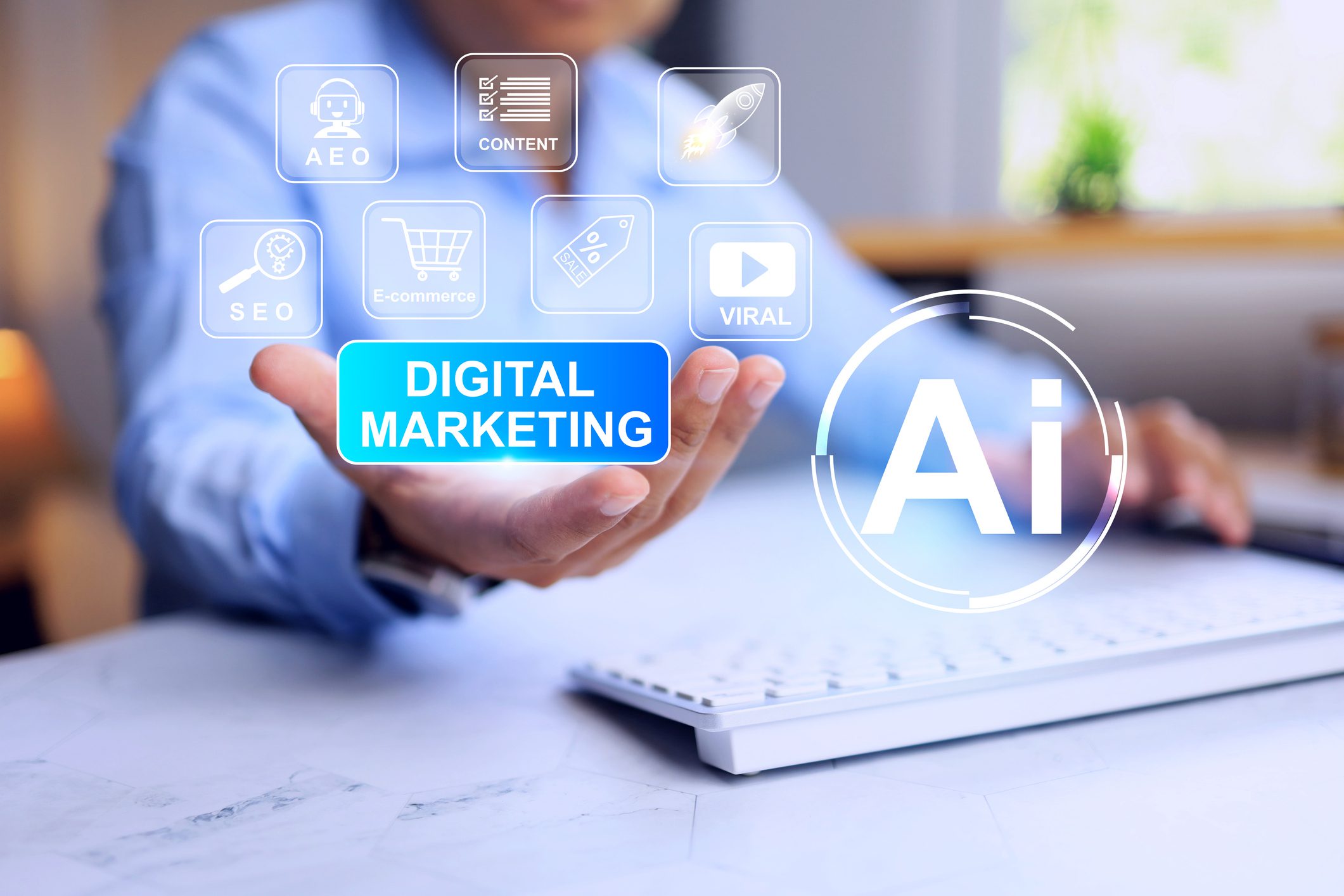
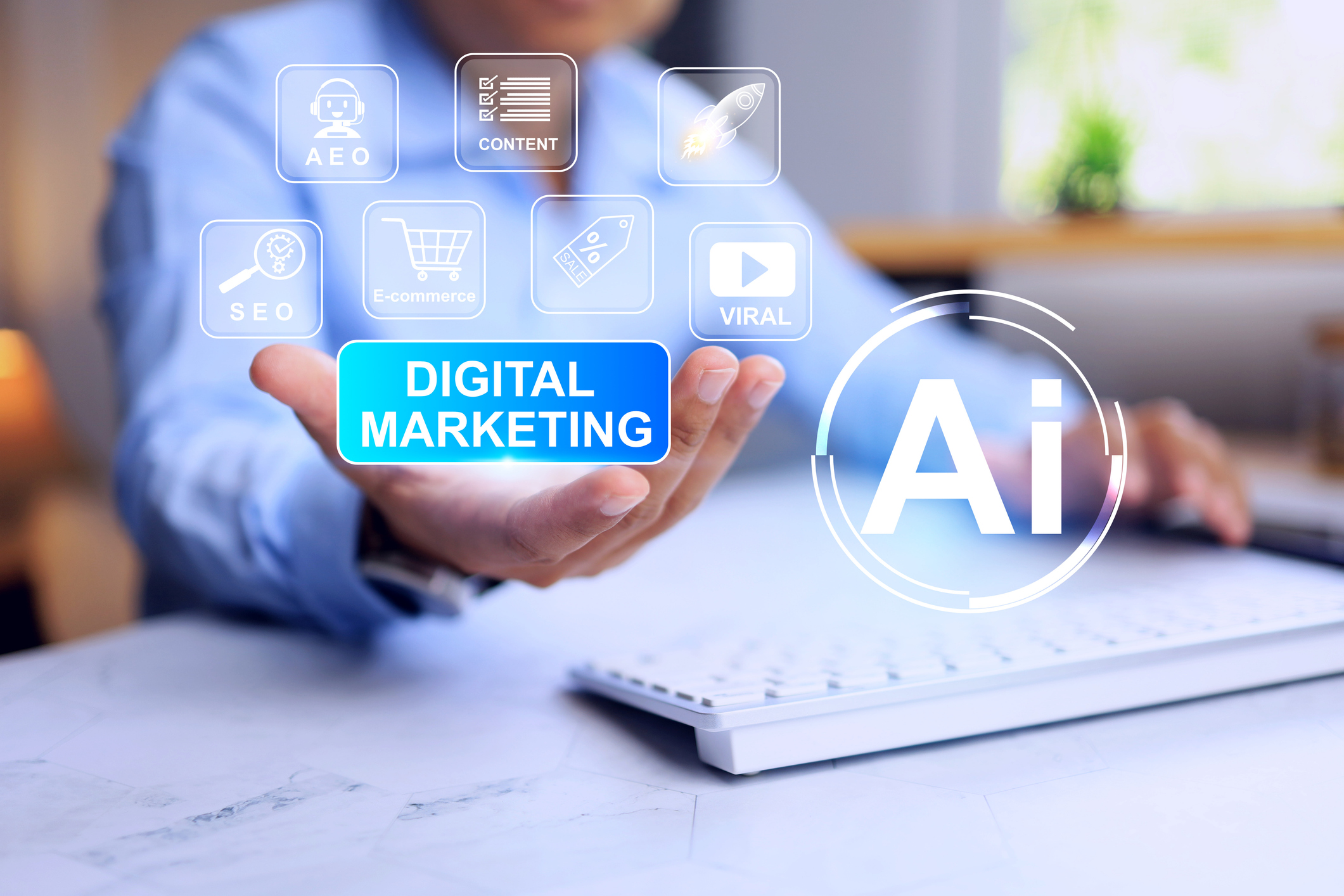 Local marketing has always been about proximity, reputation, and trust. Now, with generative AI shaping how answers appear in search, local visibility depends on more than traditional rankings. When someone asks, “Who is the best roofer near me?” or “What’s the most reliable dentist in my area?” AI systems increasingly provide summarized responses instead of long lists of links.
To stay visible in those moments, businesses need a focused approach to
Local marketing has always been about proximity, reputation, and trust. Now, with generative AI shaping how answers appear in search, local visibility depends on more than traditional rankings. When someone asks, “Who is the best roofer near me?” or “What’s the most reliable dentist in my area?” AI systems increasingly provide summarized responses instead of long lists of links.
To stay visible in those moments, businesses need a focused approach to 
 Search is no longer just about ranking on page one. Today, many users receive summarized answers powered by generative AI before they ever click a link. That shift changes the definition of website success. Instead of asking, “How do I rank higher?” businesses must now ask, “How do I become the source AI trusts enough to cite?”
The answer lies in
Search is no longer just about ranking on page one. Today, many users receive summarized answers powered by generative AI before they ever click a link. That shift changes the definition of website success. Instead of asking, “How do I rank higher?” businesses must now ask, “How do I become the source AI trusts enough to cite?”
The answer lies in 
 Marketing teams are under constant pressure to do more with less. More personalization, more channels, more measurable results—without dramatically increasing resources. This is where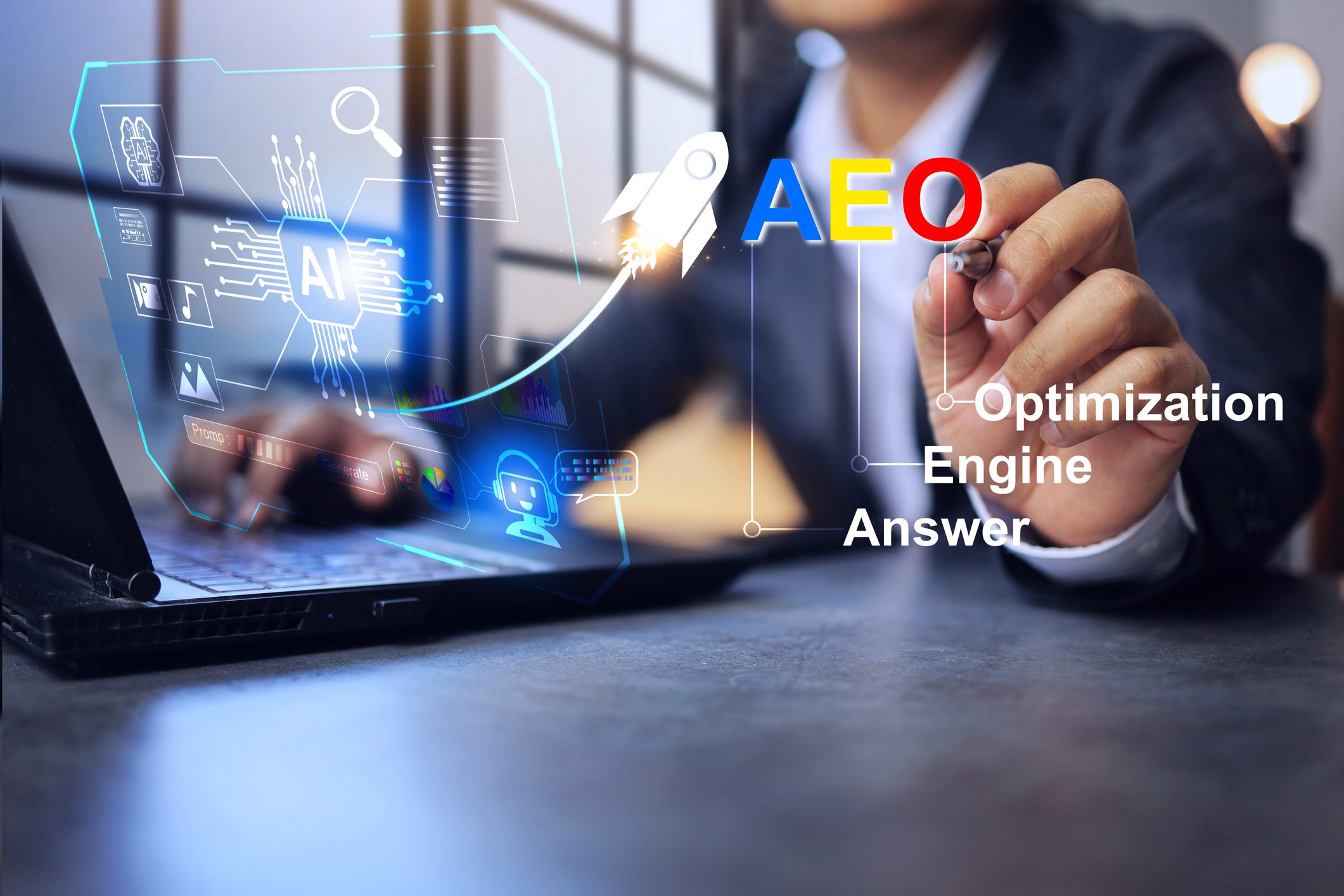
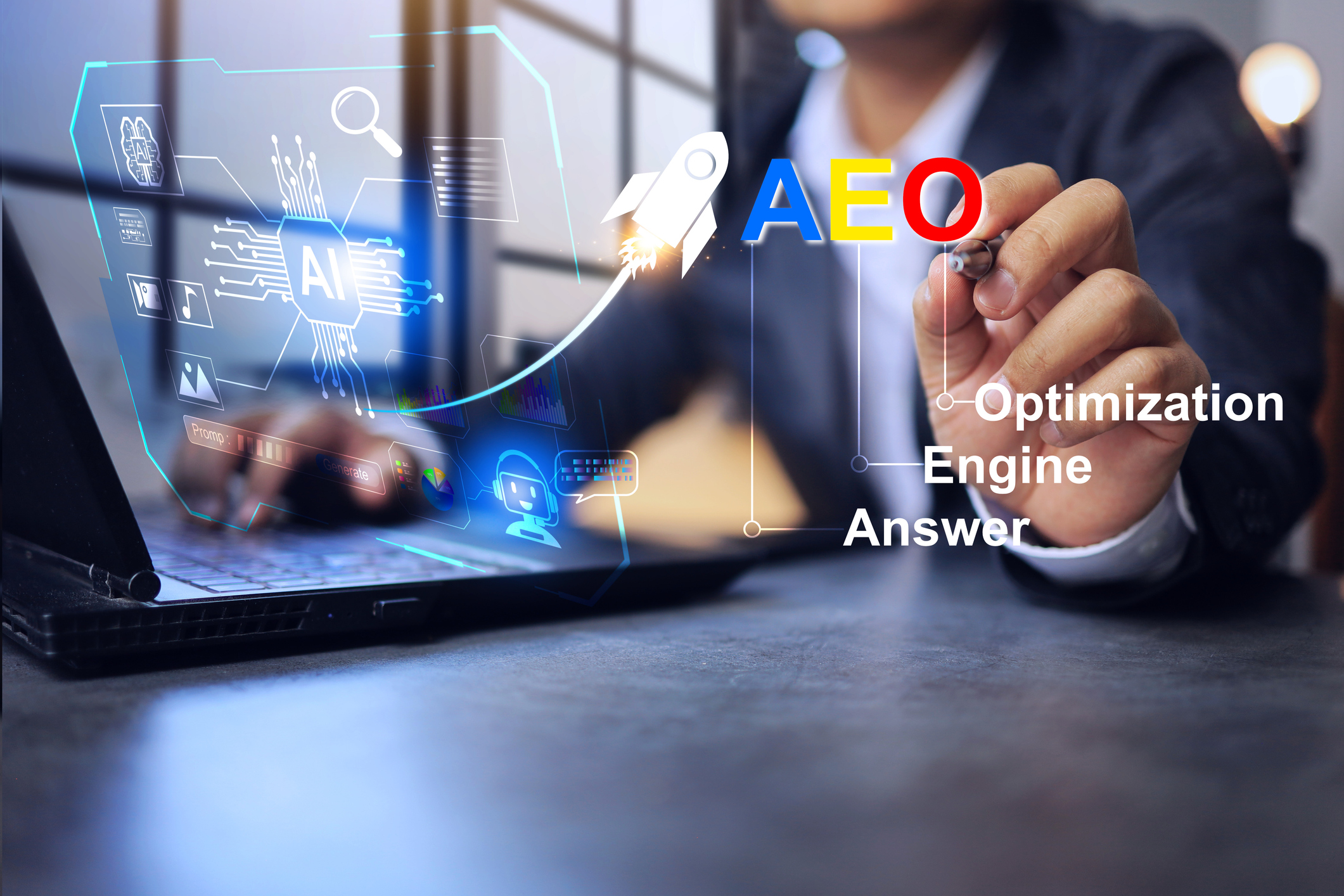 Marketing has always evolved alongside technology. What feels different today is the speed and scale of change. Search engines are no longer just ranking pages. They are generating answers. Digital platforms are not simply indexing content. They are interpreting intent. As generative AI becomes the interface between users and information, a new priority has emerged: AI visibility.
For brands, this means that
Marketing has always evolved alongside technology. What feels different today is the speed and scale of change. Search engines are no longer just ranking pages. They are generating answers. Digital platforms are not simply indexing content. They are interpreting intent. As generative AI becomes the interface between users and information, a new priority has emerged: AI visibility.
For brands, this means that 
 Search engines have always evolved alongside technology, but the arrival of generative AI has introduced one of the most significant shifts in how people discover information online. Instead of simply presenting lists of links, modern search systems increasingly summarize answers directly on the results page. This transformation changes not only how users interact with Google but also how websites must approach visibility.
For marketers, understanding how
Search engines have always evolved alongside technology, but the arrival of generative AI has introduced one of the most significant shifts in how people discover information online. Instead of simply presenting lists of links, modern search systems increasingly summarize answers directly on the results page. This transformation changes not only how users interact with Google but also how websites must approach visibility.
For marketers, understanding how