Category: Blog

  • How Businesses Can Optimize Generative AI for Real-Time Decision-Making

    How Businesses Can Optimize Generative AI for Real-Time Decision-Making

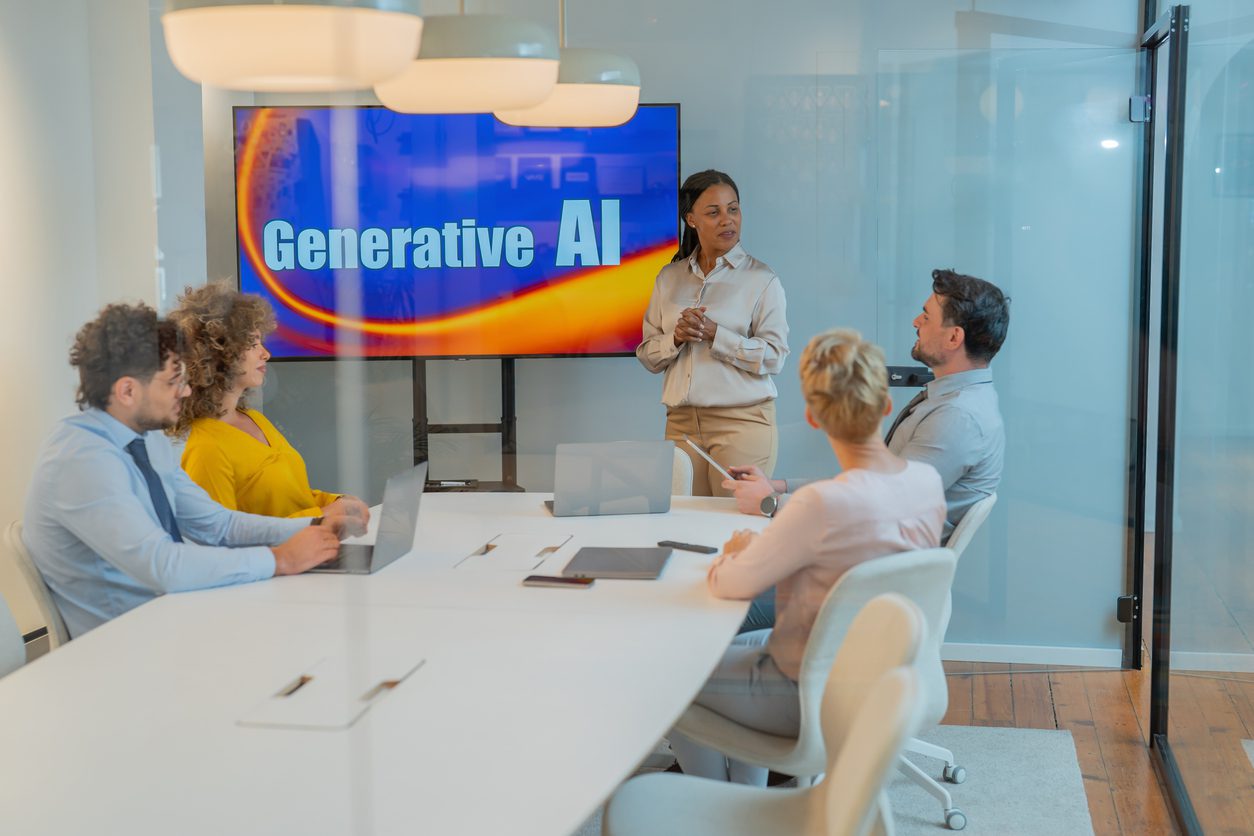
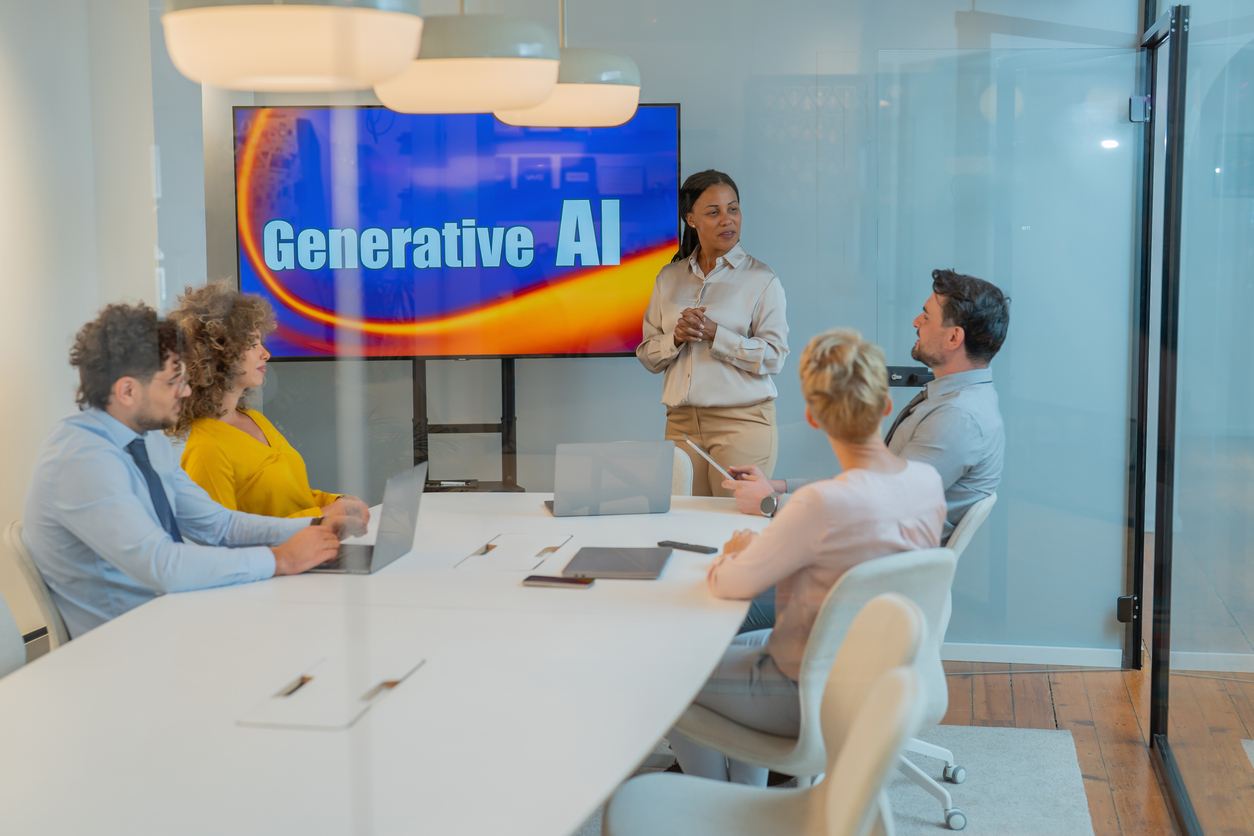
    Generative AI for Real-Time Decision-Making Businesses no longer operate in slow-moving environments where decisions can wait days or weeks. Customer behavior, market trends, and operational data change by the minute. Companies that react quickly often gain a competitive edge. This is where optimizing generative AI for real-time decision-making becomes essential. Generative AI systems are capable of analyzing large datasets, predicting patterns, and suggesting responses almost instantly. However, simply adopting AI tools is not enough. Organizations must structure their systems, workflows, and data sources to enable AI to deliver accurate and meaningful insights when they matter most.

    Why Real-Time Decision-Making Matters in the AI Era

    Traditional decision-making processes often relied on historical data and periodic reports. While useful, these methods cannot always keep pace with rapidly shifting markets. Real-time decision-making allows businesses to:
    • Respond to customer behavior immediately
    • Identify emerging trends before competitors
    • Adjust marketing campaigns dynamically
    • Improve operational efficiency
    For digital marketing teams, the ability to analyze engagement data instantly can determine whether a campaign succeeds or fails. Optimizing generative AI for real-time decision-making helps organizations turn raw information into actionable insights.

    The Role of Generative AI in Business Intelligence

    Generative AI goes beyond basic analytics. Instead of only summarizing data, it can interpret patterns and propose strategies based on context. Key capabilities include:
    • Predictive trend analysis
    • Automated reporting and summarization
    • Natural language insights for complex datasets
    • Scenario simulations for strategic planning
    When integrated properly, generative AI becomes an interactive decision-support system rather than a passive reporting tool.

    Data Quality: The Foundation of Real-Time Insights

    AI systems are only as reliable as the data they analyze. For companies aiming to improve decision-making speed, data quality is critical. Organizations should focus on:
    • Maintaining consistent data structures across platforms
    • Eliminating duplicate or outdated records
    • Integrating customer insights from multiple sources
    Clean, structured data allows generative AI to detect patterns quickly and produce accurate recommendations. For digital marketing strategies, this means connecting CRM systems, analytics tools, and marketing platforms into a unified ecosystem.

    Generative Engine Optimization for AI Insights

    Generative engine optimization is not limited to search visibility. It also plays a role in how AI systems interpret internal and external data. Structured content helps AI models understand context more effectively. Best practices include:
    • Clear data categorization
    • Standardized terminology across systems
    • Structured reporting formats
    • Consistent documentation of insights
    By aligning content and data structures with generative engine optimization principles, businesses can improve the reliability of AI-driven recommendations.

    Using AI for Forecasting and Strategic Planning

    One of the most valuable aspects of generative AI is predictive forecasting. AI can analyze historical patterns and external factors to estimate future outcomes. Businesses can use this capability to anticipate market changes and adjust strategies proactively. Examples include:
    • Forecasting customer demand during seasonal campaigns
    • Predicting social media engagement trends
    • Identifying emerging product interests
    • Estimating marketing ROI before launching campaigns
    These insights enable smarter planning and faster adaptation.

    Balancing Automation With Human Expertise

    AI can process vast amounts of data quickly, but human judgment remains essential. Companies should use AI for:
    • Data summarization and pattern detection
    • Trend identification
    • Scenario simulation
    Human teams should focus on:
    • Strategic interpretation
    • Ethical considerations
    • Brand messaging alignment
    • Creative decision-making
    This collaboration between AI and human expertise ensures that insights remain both accurate and actionable.

    Practical Steps for Optimizing Generative AI Systems

    Businesses seeking to improve real-time decision-making can start with a structured approach.

    1. Integrate Data Sources

    Connect CRM platforms, analytics dashboards, and marketing tools to ensure consistent information flow.

    2. Define Clear Decision Metrics

    Determine which performance indicators AI should monitor and prioritize.

    3. Automate Insight Generation

    Use generative AI to summarize trends and provide daily or hourly reports.

    4. Monitor Model Performance

    Regularly evaluate AI recommendations and adjust algorithms when needed.

    5. Encourage Cross-Team Collaboration

    Share AI insights across departments to improve decision-making organization-wide. These steps ensure that optimizing generative AI for real-time decision-making becomes an ongoing process rather than a one-time implementation.

    How Nloop AI Supports Intelligent Decision-Making

    Implementing advanced AI systems requires both technical expertise and strategic insight. Nloop AI helps organizations integrate data-driven analytics, predictive forecasting, and structured optimization frameworks into their operations. Rather than relying solely on retrospective reports, teams can access actionable insights that support immediate decisions. This approach empowers businesses to align digital marketing strategies with real-time data and evolving customer behavior.

    Frequently Asked Questions

    What does optimizing generative AI for real-time decision-making mean?

    It involves structuring data systems and workflows so that generative AI can analyze information instantly and provide actionable recommendations.

    How does generative AI improve business decisions?

    Generative AI quickly analyzes patterns and trends, enabling businesses to respond more quickly to market changes.

    Why is generative engine optimization important for AI systems?

    Structured content and data help AI models interpret information accurately, improving the quality of insights.

    Can small businesses benefit from AI-driven decision tools?

    Yes. Even smaller companies can use generative AI for trend forecasting, customer insights, and digital marketing optimization.

    Should AI replace human decision-makers?

    No. AI should assist with analysis and forecasting, while humans remain responsible for strategic and ethical decisions. Modern businesses must move faster than ever to stay competitive. By optimizing generative AI for real-time decision-making, organizations can transform data into meaningful insights that guide strategy and improve performance. Combining generative AI capabilities with strong data practices and generative engine optimization principles ensures that decision-making remains accurate, timely, and scalable. Companies that embrace this approach will be better equipped to adapt, innovate, and lead in a rapidly evolving digital marketing landscape.
  • How to Get Your Brand Mentioned in AI Search: A Practical Guide to Generative Engine Optimization

    How to Get Your Brand Mentioned in AI Search: A Practical Guide to Generative Engine Optimization

    Generative Engine Optimization Guide for AI Search Search behavior is evolving rapidly. Instead of browsing through multiple websites, people increasingly rely on AI-generated summaries that deliver quick answers. These responses are often created by generative AI, which scans multiple sources, interprets context, and produces concise explanations. For businesses and marketers, this shift changes how visibility works. Ranking on page one is no longer the only goal. The new challenge is ensuring your brand or content becomes part of the AI-generated answer. This is where generative engine optimization plays a crucial role. When implemented correctly, GEO helps businesses structure their content so that AI search engines recognize it as credible, useful, and worthy of citation.

    Understanding Generative Engine Optimization

    Generative engine optimization focuses on preparing digital content for AI-powered search experiences. Unlike traditional SEO, which prioritizes keywords and backlinks, GEO emphasizes clarity, context, and structured information. AI systems analyze content differently from traditional algorithms. They prioritize:
    • Direct answers to questions
    • Clear structure and logical formatting
    • High-authority sources
    • Content that demonstrates expertise
    By aligning content with these criteria, businesses increase the likelihood that their insights will be referenced in AI-generated search results.

    Why AI Search Engines Prefer Structured Content

    Generative AI systems extract information quickly. They look for content that is easy to interpret and summarize. To improve the chances of being cited, your content should follow a structured format:

    Use Clear Questions as Headings

    Many searches are phrased as questions. Structuring your content around those queries helps AI understand your topic. Examples include:
    • What is generative engine optimization?
    • How can businesses appear in AI search results?
    This approach aligns with natural user behavior.

    Start With Concise Answers

    Place a short, direct explanation at the beginning of each section. After that, expand with deeper insights.

    Organize Information with Bullet Points

    Lists help AI systems quickly identify key concepts. They also improve readability for human audiences. Structured content is easier for AI tools to interpret and summarize accurately.

    Creating Content That AI Systems Trust

    AI search engines rely heavily on credibility signals. If your website demonstrates authority, it becomes more likely to appear in AI-generated answers. Strong authority signals include:
    • Citations from reputable publications
    • Positive user engagement metrics
    • Consistent brand mentions across platforms
    • Well-researched content backed by reliable sources
    Businesses that focus on high-quality information rather than mass-producing articles often achieve stronger results. Depth and originality matter more than volume.

    Using Data Insights to Guide Content Strategy

    AI tools can also help marketers understand emerging trends. Instead of guessing which topics to cover, businesses can analyze data to identify opportunities. Common AI-supported insights include:
    • Trending questions within a specific industry
    • Content gaps compared with competitors
    • Seasonal changes in search demand
    • Audience engagement patterns
    By leveraging these insights, digital marketing teams can produce relevant content before competitors react. This proactive approach strengthens long-term visibility.

    Balancing AI Tools and Human Expertise

    While generative AI tools are powerful, they should support—not replace—human creativity. Effective workflows often include:
    • Using AI tools for research and topic discovery
    • Generating outlines or summaries
    • Refining content through human editing
    Human editors ensure that information is accurate, unique, and aligned with the brand voice. AI systems sometimes introduce inaccuracies or generic language. Careful review preserves credibility and trust.

    Building Brand Recognition Across Digital Channels

    AI search engines evaluate the broader digital environment when deciding which sources to cite. That means businesses must focus on building strong brand signals beyond their websites. Strategies include:
    • Publishing guest articles or thought leadership pieces
    • Engaging with audiences on social media platforms
    • Encouraging authentic customer reviews
    • Participating in industry discussions and forums
    Consistent brand visibility increases the likelihood that generative AI systems recognize your content as authoritative.

    How Nloop AI Helps Businesses Strengthen AI Search Visibility

    Adapting to the evolving search landscape requires strategic insight and the right tools. Nloop AI helps businesses analyze digital performance, refine content strategies, and align marketing efforts with modern search technologies. Through advanced analytics and optimization frameworks, companies can better understand how their content performs within AI-driven search environments. This allows organizations to improve visibility and stay competitive as generative AI continues to reshape digital marketing.

    Frequently Asked Questions

    What is generative engine optimization?

    Generative engine optimization is the practice of structuring and refining digital content so that AI-powered search systems can interpret and cite it in generated answers.

    How does generative AI influence search results?

    Generative AI analyzes information from multiple sources and produces summarized responses rather than only listing website links.

    Why is structured content important for AI search?

    Structured content allows AI systems to extract information quickly and accurately, increasing the chances of citation.

    Can small businesses benefit from GEO strategies?

    Yes. Clear, well-researched content helps smaller brands compete effectively with larger organizations in AI-generated search responses.

    Should companies rely completely on AI-generated content?

    No. AI should assist with research and analysis, while human editors ensure quality, originality, and accuracy. Search is entering a new era where AI-generated answers shape how users discover information. Businesses that adapt their strategies today will gain a significant advantage tomorrow. By focusing on generative engine optimization, companies can ensure their content remains visible, credible, and valuable in AI-powered search experiences. When digital marketing strategies combine structured content, authoritative insights, and thoughtful human editing, they become powerful tools for reaching audiences in a rapidly evolving search landscape.
  • A Practical Introduction to Generative Engine Optimization for Business Owners

    A Practical Introduction to Generative Engine Optimization for Business Owners

    Generative Engine Optimization for Business Owners Business owners have always relied on visibility to grow. If customers can’t find your business online, they can’t buy from you. For years, traditional search engine optimization focused on ranking web pages in search results. But search behavior is evolving. Instead of browsing through lists of links, many users now rely on answers generated by generative AI. This change means businesses need a new approach to visibility. That approach is generative engine optimization. GEO helps companies ensure that their information appears in AI-generated responses and summaries. Understanding how it works can help business owners stay competitive in a rapidly changing digital marketing environment.

    What Generative Engine Optimization Means for Businesses

    Generative engine optimization is the practice of structuring content so that AI-powered search systems can understand, summarize, and reference it. Unlike traditional SEO, GEO focuses on making information easy for AI models to interpret. When someone asks a question through an AI search interface, the system looks for reliable, clearly structured answers. Businesses that adopt GEO strategies can benefit in several ways:
    • Greater visibility in AI-generated responses
    • Increased brand authority through credible content
    • Improved engagement with customers seeking quick answers
    In simple terms, GEO ensures that your expertise becomes part of the answer customers see first.

    How Generative AI Changes Search Behavior

    Generative AI tools analyze user questions and create responses based on trusted information sources. Instead of clicking multiple links, users often read a summary generated by the AI. For example, if someone searches for “How do I start a small online business?” the AI may produce a step-by-step explanation drawn from several sources. This means that businesses must focus not only on ranking but also on being referenced. A well-structured explanation or guide may appear in the AI response even if the user never visits the website directly. For business owners, this highlights the importance of thoughtful digital marketing strategies that adapt to AI-driven search.

    Creating Content That AI Systems Understand

    Content structure plays a major role in generative engine optimization. AI systems look for information that is easy to extract and summarize. To improve visibility, businesses should:

    Use Clear Question-Based Headings

    Structure content around real customer questions, such as:
    • What services does this business provide?
    • How does this product solve a problem?
    This mirrors how users interact with generative AI search tools.

    Provide Direct Answers First

    Start each section with a concise explanation, followed by deeper insights and examples.

    Organize Information With Bullet Points

    Bullet points help both readers and AI systems quickly identify key information. This structured approach increases the likelihood that your content will appear in AI-generated summaries.

    Why Quality Content Matters More Than Ever

    Generative AI systems prioritize reliable and informative sources. Content that demonstrates expertise is more likely to be cited. Business owners can strengthen their authority by:
    • Sharing practical insights based on real experience
    • Publishing detailed guides or tutorials
    • Providing industry data or research findings
    • Updating content regularly to maintain accuracy
    Quality content signals trustworthiness. AI systems prefer sources that offer clear, valuable information rather than repetitive marketing language.

    The Role of Brand Authority in GEO

    Authority signals influence whether AI systems consider your content trustworthy. Important signals include:
    • Positive reviews and testimonials
    • Mentions in reputable publications
    • Consistent business information across directories
    • Thought leadership articles and expert commentary
    Building authority takes time, but it significantly improves your chances of appearing in AI-generated search responses. Strong brand recognition also strengthens overall digital marketing performance.

    Using AI Tools to Improve Strategy

    Generative AI can also help businesses understand their audiences and identify new opportunities. AI-driven insights can reveal:
    • Popular search questions in your industry
    • Emerging topics customers care about
    • Competitor content gaps
    • Patterns in customer engagement
    Instead of writing entire articles automatically, use AI for research and data analysis. Human editors should refine the final content to ensure originality and brand consistency. This balance between technology and human expertise leads to more effective marketing strategies.

    How Nloop AI Can Support Your Growth

    Adapting to AI-driven search requires the right tools and insights. Nloop AI helps businesses analyze trends, optimize content structures, and align their strategies with modern search technologies. By combining advanced analytics with practical guidance, companies can improve their visibility and build stronger connections with their audiences. This approach allows business owners to stay competitive while focusing on what they do best—running and growing their businesses.

    Frequently Asked Questions

    What is generative engine optimization?

    Generative engine optimization is the process of structuring content so that generative AI systems can interpret and reference it in search responses.

    How does generative AI affect search results?

    Generative AI creates summarized answers based on multiple sources rather than displaying only a list of links.

    Why should business owners care about GEO?

    Because AI-powered search tools are becoming a primary way customers find information online.

    Can small businesses benefit from GEO strategies?

    Yes. Even smaller businesses can gain visibility if they provide clear, well-structured information.

    Should businesses rely completely on AI-generated content?

    No. AI should assist with research and analysis, but human editors should refine and personalize final content. Search technology is entering a new era where AI-generated answers influence how customers discover businesses. By learning the basics of generative engine optimization, business owners can adapt their digital marketing strategies and remain visible in this evolving landscape. The key is simple: provide clear, helpful information that demonstrates real expertise. When your content answers the questions people ask, both search engines and AI systems will recognize your value.
  • Can You Track Brand Mentions in AI Search? A Practical Guide for Modern Marketers

    Can You Track Brand Mentions in AI Search? A Practical Guide for Modern Marketers

    Brand Mentions in AI Search Artificial intelligence has changed the way people discover information online. Instead of scrolling through multiple pages of results, users often receive direct answers from AI-powered search systems. This shift raises an important question for marketers and business owners: Is it possible to track brand mentions in AI search? Tracking these mentions is becoming a crucial part of modern digital marketing strategies. As AI-generated answers increasingly influence customer decisions, understanding how your brand appears—or doesn’t appear—in these responses can provide valuable insights into your visibility and reputation.

    Why Brand Mentions Matter in AI-Driven Search

    Traditional search engine optimization focused heavily on rankings, backlinks, and keyword performance. AI-powered search engines operate differently. They gather information from multiple sources and generate concise summaries for users. When a brand is referenced in these responses, it gains authority and visibility—even if the user never clicks a website link. AI brand mentions can influence:
    • Customer trust in a business
    • Brand recognition across industries
    • Traffic from AI-generated search results
    • Perceived authority in a niche
    For this reason, tracking these mentions has become a key priority for organizations that want to stay competitive.

    How AI Engines Decide Which Sources to Cite

    To understand whether it is possible to track brand mentions in AI search, it helps to know how AI systems choose their sources. AI-powered search platforms analyze several factors before generating answers:

    Content Clarity

    Well-structured content with clear explanations and organized headings is easier for AI to interpret.

    Authority Signals

    Mentions from credible websites, industry publications, and trusted sources increase the likelihood of citation.

    Consistency Across Platforms

    Accurate business information across directories, websites, and social channels helps AI confirm brand credibility.

    Relevance to User Questions

    AI engines prioritize sources that directly answer the user’s query in a concise and informative way. Understanding how AI engines decide which sources to cite allows marketers to build strategies that increase the likelihood of being referenced.

    Is It Possible to Track Brand Mentions in AI Search?

    The short answer is yes—but it requires a combination of tools and strategic analysis. Unlike traditional search results, AI-generated answers do not always provide clear referral data. However, several methods can help businesses monitor their presence.

    AI Monitoring Tools

    Some platforms now track references within AI-generated responses and conversational search interfaces.

    Brand Mention Analysis

    Monitoring mentions across news sites, blogs, and social media can reveal patterns that influence AI citations.

    Search Query Testing

    Marketers can run targeted queries through AI-powered search tools to observe which brands appear in responses.

    Content Visibility Metrics

    Changes in traffic patterns or engagement after AI mentions can signal increased visibility. By combining these techniques, businesses can gain a clearer picture of their AI search presence.

    The Role of Data in AI Visibility

    AI-powered analytics tools play an important role in identifying trends related to brand mentions. Businesses can use data to analyze:
    • Which content topics generate AI citations
    • How often does their brand appear in AI-generated responses
    • Which competitors are being referenced more frequently
    These insights help marketers refine their content strategies and improve their digital marketing performance. Some organizations even use predictive analytics to anticipate emerging topics and publish authoritative content before competitors.

    Optimizing Generative AI for Real-Time Decision-Making

    Modern AI platforms rely on real-time data analysis to generate responses quickly. For brands, this means optimizing generative AI for real-time decision-making within marketing strategies. Businesses can improve their chances of being cited by:
    • Publishing clear, structured answers to common questions
    • Updating content regularly to maintain relevance
    • Building authority through credible partnerships and media mentions
    • Monitoring audience engagement patterns
    This approach ensures that AI systems recognize a brand as a reliable source of information.

    Creating Content That AI Systems Recognize

    Not all content performs equally in AI-driven search. Certain formats are easier for AI systems to interpret. Best practices include:
    • Use question-based headings that match real search queries
    • Provide concise definitions at the start of each section
    • Include bullet points for quick summaries
    • Support claims with credible references or research
    These elements help AI systems extract and present your insights accurately. In many cases, clarity and structure are more important than keyword density.

    How Nloop AI Can Support AI Visibility Strategies

    Understanding whether it is possible to track brand mentions in AI search often requires advanced analytics and structured data insights. Nloop AI helps businesses analyze AI-driven visibility, identify citation patterns, and refine strategies to strengthen their digital presence. By combining predictive analytics with performance monitoring, organizations can better understand how their brand appears in AI-generated search responses and adjust their content strategies accordingly.

    Frequently Asked Questions

    Is it possible to track brand mentions in AI search accurately?

    Yes, but it requires monitoring tools, manual testing, and data analysis to identify patterns in AI-generated responses.

    Why are AI brand mentions important?

    AI brand mentions influence credibility and visibility, often shaping user perceptions before they visit a website.

    How do AI engines select information sources?

    They evaluate clarity, authority signals, consistency across platforms, and relevance to the user’s query.

    Can small businesses track their presence in AI search?

    Yes. Even small companies can monitor mentions using analytics tools and search query testing.

    Does traditional SEO still matter?

    Absolutely. Traditional SEO remains important, but it must now work alongside strategies designed for AI search visibility. Artificial intelligence is reshaping how people discover and evaluate information online. Understanding whether it is possible to track brand mentions in AI search helps businesses stay informed about their visibility in AI-generated responses. By combining structured content, credible authority signals, and advanced analytics, organizations can improve their chances of being cited by AI-powered search engines. As digital marketing continues to evolve, monitoring these mentions will become an essential part of maintaining a strong online presence.
  • How Generative Engine Optimization Is Reshaping the Way People Search Online

    How Generative Engine Optimization Is Reshaping the Way People Search Online

    Search Behavior Search used to be simple. People typed a few keywords, browsed through ten blue links, and clicked on the most promising result. Today, the experience looks very different. Many search engines now provide instant answers powered by generative AI, summarizing information from multiple sources in seconds. This shift is influencing how people search, how information is presented, and how businesses must approach online visibility. At the center of this change is generative engine optimization, a strategy that helps websites become reliable sources for AI-generated responses. Understanding how GEO is shaping search behavior can help businesses stay visible and relevant in an evolving digital marketing landscape.

    The Evolution of Search Behavior

    Search habits are changing because technology has changed how people access information. Users no longer want to spend time comparing multiple webpages. Instead, they prefer concise answers delivered instantly. For example, when someone asks a question like “What are the benefits of chiropractic care?” a generative AI search tool may summarize the answer directly in the search results. This convenience means fewer clicks but more reliance on AI-curated insights. As a result, businesses must focus on making their content understandable and credible for AI systems—not just for human readers.

    What Generative Engine Optimization Actually Means

    Generative engine optimization focuses on structuring digital content so AI systems can interpret and reference it accurately. Traditional search engine optimization emphasized keywords, backlinks, and technical performance. While those elements remain important, GEO emphasizes additional factors:
    • Clear explanations that answer common questions
    • Structured formatting with headings and summaries
    • Strong authority signals across the web
    • Content that demonstrates genuine expertise
    These factors help generative AI systems recognize trustworthy sources. In practical terms, generative engine optimization ensures that your content is easy for AI tools to extract and summarize.

    Why Content Structure Matters More Than Ever

    Generative AI processes information differently from traditional search algorithms. Instead of ranking pages solely based on keywords, AI analyzes context and clarity. Websites optimized for AI search typically follow a structured format.

    Question-Based Headings

    Using headings that match real user questions improves discoverability. Examples include:
    • What is generative engine optimization?
    • How does AI search affect businesses?
    This mirrors how people interact with AI-driven search tools.

    Direct Answers at the Beginning

    Providing concise explanations at the start of each section helps AI systems identify key insights quickly.

    Organized Key Points

    Bullet points and short paragraphs make information easier to interpret and summarize. Structured content benefits both readers and AI systems.

    Generative AI and the Rise of Conversational Search

    Another reason search behavior is evolving is the growing popularity of conversational queries. Instead of typing short phrases, users now ask complete questions such as:
    • “How can small businesses improve online visibility?”
    • “What is the best way to increase website traffic?”
    Generative AI systems are designed to interpret these natural-language queries and generate helpful responses. For businesses, this means that digital marketing strategies must adapt to conversational search patterns. Content that answers questions clearly is more likely to be referenced.

    The Importance of Authority in AI-Driven Search

    Generative AI systems do not rely on a single source when creating answers. They evaluate information across the internet and prioritize credible sources. Authority signals that influence AI search include:
    • Mentions from reputable publications
    • Positive customer reviews
    • Consistent business information across directories
    • Thought leadership articles and expert insights
    These signals help search engines determine which sources deserve trust. Businesses that invest in credibility and transparency are more likely to gain visibility in AI-generated responses.

    Using AI Tools to Improve Content Strategy

    Generative AI is not only transforming search engines—it is also helping marketers analyze trends and identify opportunities. Businesses can use AI tools to:
    • Identify frequently asked questions within their industry
    • Analyze competitor content strategies
    • Predict emerging search topics
    • Discover gaps in existing content
    Instead of producing content blindly, companies can use data insights to guide their digital marketing efforts. However, AI should support creativity rather than replace it. Human editors should review and refine content to ensure accuracy and originality.

    How Nloop AI Supports Businesses in AI Search

    Adapting to the evolving search environment can feel complex. Nloop AI helps businesses align their content strategies with modern AI-powered search systems. Through advanced analytics and structured optimization methods, organizations can improve their visibility in AI-generated results while maintaining strong traditional SEO performance. This balanced approach allows businesses to stay competitive as generative AI continues to influence search behavior.

    Frequently Asked Questions

    What is generative engine optimization?

    Generative engine optimization is the practice of structuring digital content so AI-powered search engines can interpret and cite it accurately.

    How does generative AI change search behavior?

    Generative AI summarizes answers directly in search results, reducing the need for users to browse multiple websites.

    Why is structured content important for AI search?

    Clear headings, concise explanations, and organized formatting make it easier for AI systems to extract information.

    Can small businesses benefit from GEO strategies?

    Yes. Businesses that provide clear, informative content can gain visibility even in competitive industries.

    Should companies rely entirely on AI-generated content?

    No. AI tools are best used for research and analysis, while human editors ensure quality and accuracy. Search is entering a new era where AI-generated responses shape how people discover information online. Businesses that understand the impact of generative engine optimization will be better prepared to adapt. By focusing on clear explanations, structured content, and credible digital marketing practices, organizations can maintain visibility in AI-powered search environments. The key is simple: provide valuable insights that answer real questions. When your content helps people—and AI systems—understand a topic clearly, it becomes far more likely to stand out.
  • How Online Marketing Is Scaling Generative Engine Optimization for Enterprise Growth

    How Online Marketing Is Scaling Generative Engine Optimization for Enterprise Growth

    Online Marketing Is Scaling Generative Engine Optimization

    The Shift: From Traditional Digital Marketing to Generative AI Strategies

    Enterprise brands are entering a new phase of digital marketing—one where visibility is no longer limited to search engine rankings. With the rise of generative AI, users are relying on AI-driven platforms to get instant answers, product recommendations, and brand comparisons. This shift has changed how businesses compete online. Instead of focusing only on keywords and backlinks, brands must now ensure their content is discoverable, understandable, and usable by AI systems. That’s where generative engine optimization becomes essential. For enterprise organizations managing large-scale digital ecosystems, adapting to this evolution isn’t optional—it’s a strategic necessity.

    What Generative Engine Optimization Means for Enterprise Brands

    At its core, generative engine optimization is about making your content AI-ready. It ensures that AI models can interpret, summarize, and reference your brand in their responses.

    Why it matters for enterprise-level businesses:

    • Large websites need structured, scalable content frameworks
    • Brand authority must be clearly established across multiple channels
    • Content must answer questions directly to be cited by AI systems
    • Consistency across regions, services, and messaging is critical
    Unlike traditional SEO, which focuses on ranking pages, this approach focuses on becoming part of the answer itself—especially in AI-generated outputs.

    GEO for Enterprise: A Smarter Way to Scale Visibility

    GEO for enterprise introduces a scalable model that aligns with the complexity of large organizations. Instead of optimizing isolated pages, it focuses on building a connected content ecosystem.

    Key components of GEO for enterprise:

    • Centralized content architecture: Ensures consistency across all pages
    • Topic clustering: Helps AI understand relationships between topics
    • Entity-based optimization: Strengthens brand recognition in AI systems
    • Structured data integration: Improves machine readability
    This method allows enterprise brands to maintain control over their messaging while increasing their chances of being referenced by AI tools.

    Building AI-Ready Content That Drives Results

    Content built for AI platforms needs to be clear, structured, and genuinely helpful. Enterprise brands often struggle with this because of content scale and internal silos.

    Practical ways to improve AI search performance:

    • Use natural, question-based headings that reflect real user queries
    • Break complex topics into smaller, digestible sections
    • Provide concise answers followed by deeper explanations
    • Incorporate bullet points and summaries for easy extraction
    This approach ensures that AI systems can quickly identify key information and present it to users without distortion.

    The Role of Generative AI in Content Strategy

    While generative AI is transforming how content is created, it should be used thoughtfully. Enterprises that rely entirely on automated content risk producing generic, low-value material. Instead, leading brands use AI as a support tool.

    Smart ways enterprises use generative AI:

    • Identifying trending topics and user intent patterns
    • Analyzing large datasets for content gaps
    • Generating outlines and initial ideas
    • Forecasting performance based on historical data
    Human expertise remains essential. Editors and strategists refine AI-assisted outputs to ensure accuracy, originality, and alignment with brand voice.

    Strengthening Brand Authority for AI Citations

    AI systems prioritize content from credible and recognizable sources. For enterprise brands, this creates an opportunity to leverage existing authority.

    Ways to improve citation potential:

    • Maintain consistent brand mentions across all platforms
    • Publish original insights, research, and thought leadership
    • Build strong internal linking between related topics
    • Highlight expertise, credentials, and trust signals
    When your brand is perceived as a reliable source, AI tools are more likely to include it in their responses.

    Nloop AI: Transforming Enterprise Marketing Workflows

    For enterprises looking to scale efficiently, platforms like Nloop AI are redefining how marketing operations function. Instead of managing disconnected tools and manual processes, Nloop AI creates a unified system that streamlines execution. Automating repetitive workflows, analyzing performance data, and enabling smarter decision-making allow teams to focus on strategy rather than execution. This shift not only improves efficiency but also enhances the quality of output across campaigns. For enterprise brands navigating complex digital landscapes, adopting a system like Nloop AI can unlock faster growth, better insights, and more consistent results.

    Balancing Scale and Quality in Enterprise Content

    One of the biggest challenges in enterprise digital marketing is maintaining quality while producing content at scale. AI makes it easier to create content quickly, but speed should never come at the cost of value.

    Best practices for maintaining quality:

    • Prioritize depth over volume
    • Conduct regular content audits
    • Ensure every piece serves a clear user intent
    • Use human review to validate AI-generated content
    By focusing on meaningful, well-structured content, enterprises can stand out in both traditional and AI-driven search environments.

    The Future of Digital Marketing for Enterprise Brands

    Digital marketing is no longer just about visibility—it’s about relevance in AI-driven ecosystems. Enterprises that embrace generative engine optimization today will be better prepared for the next wave of search innovation. As AI continues to evolve, brands will need to:
    • Continuously update their content strategies
    • Invest in data-driven insights
    • Align marketing, technology, and content teams
    • Focus on delivering real value to users
    The brands that succeed will be those that adapt quickly while maintaining authenticity and trust.

    Frequently Asked Questions

    What is generative engine optimization?

    It is a strategy that helps content become easily understandable and usable by AI systems, increasing the chances of being featured in AI-generated responses.

    How does GEO for enterprise differ from traditional SEO?

    GEO for enterprise focuses on scalable, structured content ecosystems designed for AI interpretation, while SEO primarily targets search engine rankings.

    Can generative AI replace human content creators?

    No. Generative AI is best used for support tasks like research and ideation. Human expertise is essential for quality, accuracy, and brand alignment.

    Why is brand authority important for AI visibility?

    AI systems prioritize trustworthy sources. Strong brand authority increases the likelihood of your content being cited in AI responses.

    How can enterprises start optimizing for AI-driven search?

    They can begin by restructuring content, focusing on user intent, and integrating AI-friendly formatting such as clear headings and concise answers.

    Elevate Your Enterprise Strategy with AI-Driven Optimization

    The evolution of search is creating new opportunities for enterprise brands willing to adapt. By combining generative AI, advanced digital marketing strategies, and structured content frameworks, businesses can achieve meaningful visibility in AI-driven environments. Now is the time to rethink your approach and invest in smarter, scalable solutions. Whether you’re refining your content strategy or exploring new tools like Nloop AI, taking action today can position your brand for long-term success. Ready to future-proof your enterprise marketing? Start integrating generative engine optimization into your strategy and lead the way in AI-driven visibility.
  • How to Scale a Digital Media Business Profitably with Smarter Systems

    How to Scale a Digital Media Business Profitably with Smarter Systems

      Agency Marketing Solutions

    Why Growth Alone Isn’t Enough in Digital Marketing

    Expanding a digital media business sounds exciting—more clients, bigger budgets, wider reach. But growth without control often leads to inefficiencies, rising costs, and inconsistent results. Many agencies reach a point where scaling becomes harder than starting. To move forward sustainably, businesses need structured agency marketing solutions that balance performance with profitability. This means refining operations, improving visibility, and aligning strategies with how modern platforms—especially AI-driven ones—evaluate content and brands.

    The New Role of AI in Digital Media Management

    Digital marketing has entered a phase where artificial intelligence influences not only campaign performance but also brand discovery. Understanding how AI engines decide which sources to cite is now critical for agencies managing multiple clients. AI systems prioritize:
    • Clear, structured, and reliable information
    • Consistent brand signals across platforms
    • Content that directly answers user intent
    • Sources with strong credibility and engagement
    For agencies, this means going beyond campaign execution. It requires building a system where every piece of content contributes to visibility and authority.

    Building Strong Agency Marketing Solutions for Scalable Growth

    Scaling profitably starts with a solid operational foundation. Effective agency marketing solutions are designed to reduce inefficiencies while improving output quality.

    Key elements of a scalable system:

    • Standardized workflows: Ensure consistency across campaigns
    • Centralized data management: Keep insights accessible and actionable
    • Automated reporting: Save time while maintaining transparency
    • Performance-driven decision-making: Focus on what actually delivers results
    When these elements are aligned, agencies can handle more clients without compromising performance.

    Real-Time Information for Advertisers: A Competitive Advantage

    Speed matters in digital marketing. Access to real-time information for advertisers allows agencies to respond quickly to changes in user behavior, platform algorithms, and market trends.

    Benefits of real-time data:

    • Immediate campaign optimization
    • Faster identification of high-performing channels
    • Better budget allocation
    • Improved client reporting and transparency
    Agencies that rely on outdated or delayed data often miss opportunities. Real-time insights enable smarter, faster decisions that directly impact profitability.

    AI Brand Mentions: The New Measure of Visibility

    Traditional metrics like impressions and clicks are still important, but AI brand mentions are becoming a new indicator of success. When AI platforms reference your brand in responses, it signals authority and trust.

    How to increase AI brand mentions:

    • Publish high-quality, informative content regularly
    • Maintain consistent branding across all channels
    • Build authority through thought leadership and insights
    • Encourage engagement and positive user interactions
    These signals help position your agency and your clients as reliable sources, increasing the chances of being cited by AI systems.

    Optimizing Content for AI and Human Audiences

    One of the biggest challenges in scaling a digital media business is creating content that works for both people and machines. The goal is to make information easy to understand, valuable, and structured.

    Practical content strategies:

    • Use conversational language that matches how users ask questions
    • Provide clear, concise answers at the beginning of sections
    • Organize information with headings and bullet points
    • Add depth with examples, insights, and actionable tips
    This approach improves both user engagement and AI recognition, making your content more effective overall.

    Streamlining Operations Without Losing Creativity

    Efficiency is essential for scaling, but creativity is what drives results. Agencies must find a balance between automation and human input.

    How to maintain this balance:

    • Automate repetitive tasks like reporting and data collection
    • Use AI for research and trend analysis
    • Keep creative strategy and messaging human-led
    • Regularly review and refine processes
    By combining structure with creativity, agencies can deliver consistent results while staying innovative.

    How Nloop AI Helps Agencies Scale Smarter

    For agencies aiming to grow without increasing complexity, Nloop AI offers a more intelligent way to manage operations. Instead of juggling multiple tools and manual workflows, it brings together automation, data analysis, and execution into a unified system. This allows teams to streamline processes, gain deeper insights, and focus on high-impact strategies. By reducing inefficiencies and improving decision-making, Nloop AI enables agencies to scale their digital media business while maintaining profitability and performance.

    Turning Data Into Actionable Growth Strategies

    Data is only valuable if it leads to action. Agencies must move beyond collecting metrics and focus on using insights to drive decisions.

    Steps to make data actionable:

    • Identify patterns in campaign performance
    • Test and refine strategies based on results
    • Align data insights with client goals
    • Continuously optimize for better outcomes
    This approach ensures that growth is not just measurable but also sustainable.

    Preparing for the Future of Digital Marketing

    The digital marketing landscape is evolving rapidly, with AI playing a larger role in how content is discovered and consumed. Agencies that adapt to these changes will have a significant advantage.

    Future-focused priorities:

    • Invest in AI-friendly content strategies
    • Strengthen brand authority and trust signals
    • Use data to anticipate trends and opportunities
    • Build flexible systems that can adapt to change
    By staying proactive, agencies can position themselves for long-term success.

    Frequently Asked Questions

    What are agency marketing solutions?

    They are structured systems and strategies designed to improve efficiency, performance, and scalability in digital marketing operations.

    Why are AI brand mentions important?

    They indicate that your brand is recognized as a reliable source by AI platforms, increasing visibility and credibility.

    How does real-time information benefit advertisers?

    It allows for faster decision-making, better optimization, and improved campaign performance.

    How do AI engines decide which sources to cite?

    They prioritize content that is clear, structured, credible, and aligned with user intent.

    Can agencies scale without automation?

    It is possible, but automation significantly improves efficiency and makes scaling more sustainable.

    Build a Smarter Path to Profitable Growth

    Scaling a digital media business requires more than increasing output—it demands smarter systems, better insights, and a focus on long-term value. By implementing effective agency marketing solutions, leveraging real-time information for advertisers, and optimizing for AI brand mentions, agencies can achieve sustainable growth. Tools like Nloop AI make it easier to streamline operations and unlock new opportunities. If you’re ready to improve efficiency, enhance visibility, and scale profitably, now is the time to take action. Start transforming your digital media business today with smarter strategies and the right technology to support your growth.
  • From SEO to GEO: How AI Is Transforming the Way People Discover Businesses

    From SEO to GEO: How AI Is Transforming the Way People Discover Businesses

    SEO to GEO

    Search Is No Longer Just About Rankings

    The way people find information online is shifting from browsing links to receiving direct answers. Instead of scrolling through multiple pages, users now rely on AI-powered tools to summarize content and recommend solutions instantly. This transformation is reshaping digital marketing, pushing businesses to rethink how they approach visibility. Traditional SEO is still relevant, but it’s no longer enough. The focus is moving toward generative engine optimization, where the goal is not just to rank but to be included in AI-generated responses.

    What Changed: From Keywords to Context with Generative AI

    Search engines used to prioritize keywords and backlinks. Today, generative AI focuses on understanding intent, context, and meaning.

    What this shift looks like:

    • Users ask full questions instead of typing short keywords
    • AI delivers summarized answers instead of listing pages
    • Content is evaluated based on clarity and usefulness, not just optimization
    This means businesses must create content that directly answers questions and provides real value—not just content that ranks.

    Generative Engine Optimization: A New Approach to Visibility

    Generative engine optimization is designed for this new environment. It ensures that your content is structured in a way that AI systems can interpret, trust, and reference.

    Key elements of this approach:

    • Clear and concise answers to user queries
    • Logical content structure with headings and sections
    • Consistent messaging across all digital platforms
    • Strong brand authority and credibility
    Instead of competing for clicks, businesses are now competing to become part of the answer itself.

    GEO for Enterprise: Scaling Visibility Across Complex Systems

    Large organizations face unique challenges when adapting to AI-driven discovery. With multiple products, services, and regions, maintaining consistency becomes critical. GEO for enterprise provides a scalable framework that aligns content, data, and branding across the entire organization.

    Benefits for enterprise businesses:

    • Unified content strategies across departments
    • Improved recognition by AI systems
    • Better control over brand messaging
    • Enhanced ability to target diverse audiences
    This approach ensures that enterprise brands remain visible and relevant in a rapidly evolving search landscape.

    How AI Is Rewriting Digital Marketing Strategies

    AI is not just changing search—it’s transforming the entire digital marketing ecosystem. From content creation to campaign optimization, every aspect is becoming more data-driven and automated.

    Key changes marketers are experiencing:

    • Increased reliance on data insights for decision-making
    • Greater emphasis on personalization and user intent
    • Faster campaign adjustments based on real-time performance
    • Integration of AI tools for efficiency and scalability
    Businesses that adapt to these changes can create more effective and responsive marketing strategies.

    Creating Content That AI Systems Prefer

    To succeed in AI-driven search, content must be designed for both humans and machines. It should be easy to understand, informative, and structured.

    Best practices for AI-friendly content:

    • Use natural language that mirrors how people ask questions
    • Start sections with clear, direct answers
    • Break information into smaller, digestible parts
    • Add depth with examples and actionable insights
    This type of content not only improves visibility but also enhances user experience.

    Why Authority and Trust Matter More Than Ever

    AI systems prioritize sources they consider reliable. This means that brand authority is becoming a key factor in visibility.

    How to build authority:

    • Publish original insights and research
    • Maintain consistent branding across platforms
    • Earn positive reviews and engagement
    • Build strong internal and external links
    When your brand is seen as trustworthy, it is more likely to be referenced in AI-generated responses.

    How Nloop AI Helps Businesses Adapt Faster

    For businesses navigating this shift, Nloop AI provides a smarter way to manage marketing operations. Instead of relying on disconnected tools and manual processes, it brings automation, insights, and execution into a single system. This allows teams to streamline workflows, analyze performance data, and make faster, more informed decisions. By reducing complexity and improving efficiency, Nloop AI helps businesses adapt to AI-driven discovery while maintaining consistency and quality.

    Balancing Automation with Human Expertise

    While AI tools offer powerful capabilities, they are not a complete replacement for human insight. Successful strategies combine automation with creativity and critical thinking.

    Why is this balance important:

    • Ensures content remains authentic and engaging
    • Prevents errors or misleading information
    • Adds strategic direction and innovation
    • Maintains alignment with brand values
    Human input ensures that AI-driven strategies remain effective and trustworthy.

    Preparing for the Future of Online Discovery

    The transition from SEO to GEO is not a temporary trend—it’s a fundamental shift in how information is accessed and consumed.

    Steps businesses can take now:

    • Audit existing content for clarity and structure
    • Focus on answering real user questions
    • Invest in tools and systems that support AI-driven strategies
    • Continuously refine content based on performance data
    By taking these steps, businesses can stay ahead of the curve and remain competitive.

    Frequently Asked Questions

    What is generative engine optimization?

    It is a strategy that helps content become easily understandable and usable by AI systems, improving visibility in AI-generated responses.

    How is GEO different from traditional SEO?

    GEO focuses on being included in AI-generated answers, while SEO focuses on ranking in search engine results.

    What role does generative AI play in digital marketing?

    Generative AI helps analyze data, create content, and optimize campaigns, making marketing more efficient and targeted.

    Why is GEO for enterprise important?

    It provides a scalable way for large organizations to maintain consistency and improve visibility across multiple channels.

    Can small businesses benefit from this shift?

    Yes, businesses of all sizes can improve visibility by creating structured, high-quality content that aligns with user intent.

    Embrace the Next Era of Digital Discovery

    The evolution from SEO to GEO marks a significant turning point in digital marketing. Businesses that adapt to AI-driven discovery will gain a clear advantage in visibility and engagement. By focusing on generative engine optimization, leveraging generative AI, and building strong, structured content, brands can position themselves at the forefront of this transformation. With solutions like Nloop AI, adapting to this new landscape becomes more manageable and effective. Now is the time to rethink your strategy and embrace the future of online discovery with confidence.
  • From SEO to GEO: How Brands Win Mindshare in the Age of AI Search

    From SEO to GEO: How Brands Win Mindshare in the Age of AI Search

     SEO to GEO Guide

    The Battle for Attention Has Moved Inside AI Answers

    Brand visibility used to depend on rankings, impressions, and clicks. Now, the real competition happens inside AI-generated responses. When users ask a question, they often receive a summarized answer—sometimes without ever seeing a list of websites. This shift is redefining digital marketing. Instead of competing for page position, brands are competing for inclusion in AI answers. That’s where generative engine optimization becomes essential. It helps businesses earn presence where decisions are being shaped—inside AI-driven conversations.

    How Generative AI Is Changing Discovery Behavior

    Generative AI has changed how people search, compare, and decide. Users are no longer typing fragmented keywords; they are asking complete questions and expecting clear, actionable answers.

    What this means for brands:

    • Discovery happens through conversations, not just queries
    • Trust is built through clarity and authority
    • Content must be easy to summarize and interpret
    This creates a new challenge: your brand must be structured in a way that AI systems can understand and confidently recommend.

    Generative Engine Optimization: The New Mindshare Strategy

    Generative engine optimization focuses on making your brand part of AI-generated answers. It is less about visibility alone and more about influence.

    What makes this approach effective:

    • Content that answers questions directly and clearly
    • Logical structure that AI can easily process
    • Consistent messaging across all platforms
    • Strong brand signals that reinforce credibility
    Winning mindshare means being present at the exact moment users are forming opinions—and AI plays a major role in that moment.

    GEO for Enterprise: Scaling Influence Across Channels

    For large organizations, maintaining consistency across multiple teams and regions can be challenging. GEO for enterprise provides a structured approach to scaling visibility and influence.

    Key benefits for enterprise brands:

    • Unified content strategies across departments
    • Better alignment between marketing, content, and data teams
    • Increased likelihood of being referenced by AI systems
    • Stronger brand recognition across markets
    This approach ensures that every piece of content contributes to a cohesive and authoritative brand presence.

    How AI Decides Which Brands to Recommend

    Understanding how AI systems evaluate content is critical for success.

    Key factors influencing AI recommendations:

    • Relevance: Does the content match the user’s intent?
    • Clarity: Is the information easy to understand and summarize?
    • Authority: Does the brand demonstrate expertise and trustworthiness?
    • Consistency: Is the messaging aligned across platforms?
    Brands that meet these criteria are more likely to be included in AI-generated responses.

    Building Content That Captures Mindshare

    To succeed in this new environment, content must go beyond surface-level information. It needs to be structured, insightful, and genuinely helpful.

    Practical content strategies:

    • Use conversational language that mirrors user questions
    • Provide clear answers at the beginning of each section
    • Add depth with examples, data, and actionable insights
    • Organize content into easy-to-scan formats
    This makes it easier for AI systems to extract and present your content while improving the user experience.

    Why Brand Authority Is More Important Than Ever

    In an AI-driven landscape, authority is a key differentiator. AI systems prioritize sources they consider reliable and trustworthy.

    Ways to strengthen authority:

    • Publish original insights and thought leadership
    • Maintain consistent branding across all channels
    • Build strong internal and external links
    • Encourage engagement and positive feedback
    When your brand is recognized as a trusted source, it becomes more likely to influence AI-generated answers.

    How Nloop AI Helps Brands Scale Smarter

    For businesses navigating this shift, Nloop AI offers a more intelligent way to manage marketing operations. Instead of relying on disconnected tools, it integrates data, automation, and execution into a unified system. This enables teams to streamline workflows, analyze performance, and adapt strategies quickly. By reducing complexity and improving efficiency, Nloop AI helps brands maintain consistency and scale their efforts effectively in an AI-driven environment.

    Balancing AI Efficiency with Human Insight

    While AI provides speed and scalability, human expertise remains essential. Successful brands combine data-driven insights with creativity and strategic thinking.

    Why this balance matters:

    • Ensures content remains authentic and engaging
    • Prevents errors and maintains accuracy
    • Adds emotional intelligence to communication
    • Drives innovation and differentiation
    This combination creates a more effective and sustainable strategy.

    Preparing for the Future of Digital Marketing

    The transition from SEO to GEO represents a fundamental change in how brands compete online. Businesses that adapt early will have a significant advantage.

    Steps to stay ahead:

    • Audit and restructure existing content for clarity
    • Focus on answering real user questions
    • Invest in tools that support AI-driven strategies
    • Continuously refine content based on data insights
    By taking these steps, brands can position themselves for long-term success.

    Frequently Asked Questions

    What is generative engine optimization?

    It is a strategy that helps content become easily understandable and usable by AI systems, improving visibility in AI-generated responses.

    How is GEO different from traditional SEO?

    GEO focuses on being included in AI-generated answers, while SEO focuses on ranking in search results.

    What role does generative AI play in digital marketing?

    Generative AI helps analyze data, create content, and optimize strategies, making marketing more efficient and targeted.

    Why is GEO for enterprise important?

    It provides a scalable framework for maintaining consistency and improving visibility across large organizations.

    How can brands capture mindshare in AI search?

    By creating structured, high-quality content and building strong authority signals that AI systems trust.

    Own the Conversation, Not Just the Click

    The future of digital marketing is not just about being found—it’s about being trusted and recommended. By embracing generative engine optimization, leveraging generative AI, and implementing scalable strategies like GEO for enterprise, brands can capture mindshare in AI-driven environments. With the right tools and approach, including platforms like Nloop AI, businesses can stay ahead of the curve and turn visibility into influence. Ready to lead in the age of AI search? Start building a strategy that puts your brand at the center of every conversation.
  • Media Investments: Made Easy with Nloop AI

    Media Investments: Made Easy with Nloop AI

    Media Investments Made Easy Picture a marketing world where every dollar spent on ads tells you exactly what it’s doing—right now. That’s the promise of smart media investments, where technology cuts through complexity to deliver clarity. For businesses wrestling with fragmented ad platforms and endless data streams, tools like Nloop AI simplify the chaos. Through innovative agency marketing solutions, companies gain real-time information for advertisers, turning guesswork into growth. This approach doesn’t just optimize spending; it redefines how brands connect in the digital marketing landscape.

    Why Media Investments Feel Overwhelming (And How to Fix It)

    Business owners often face a barrage of choices: social media ads, display networks, streaming platforms, and search campaigns. Each channel demands different strategies, budgets, and metrics. Traditional planning relies on historical data, but today’s media investments evolve hourly as audience behaviors shift. The fix lies in platforms bridging this gap. Agency marketing solutions provide unified dashboards consolidating performance across channels. Instead of juggling ten spreadsheets, marketers see one source of truth. AI brand mentions tracking reveals how campaigns influence conversations, while real-time information for advertisers enables mid-flight adjustments. Suddenly, a $10,000 TV buy competes fairly against $1,000 TikTok experiments.

    Streamlining Agency Marketing Solutions for Smarter Spending

    Agency marketing solutions traditionally meant hefty retainers and quarterly reports. Modern iterations flip this script, offering self-service platforms with enterprise-grade analytics. Marketers access predictive modeling showing ROI before launch, not after. Consider cross-platform allocation. A fashion brand might split media investments 40% social, 30% search, 20% streaming, 10% display. Digital marketing tools recalibrate daily based on conversion signals. When Instagram engagement spikes among 25-34 females, budgets shift automatically. Real-time information for advertisers prevents overspending on underperforming channels, boosting efficiency 25-40%.

    Decoding AI Brand Mentions for Authentic Impact

    AI brand mentions move beyond vanity metrics. Traditional sentiment analysis counts likes; AI parses context, identifying purchase intent within casual conversations. A skincare campaign might track “glowy skin” mentions correlating to sales spikes. This intelligence fuels media investments. Platforms analyze competitor mentions, revealing white space opportunities. If Brand A dominates “summer wedding makeup” but ignores “mature skin foundation,” smart advertisers pivot. Agency marketing solutions integrate these insights, ensuring digital marketing dollars chase genuine demand, not manufactured buzz.

    Real-Time Information for Advertisers: The Game-Changing Edge

    Speed defines modern digital marketing. Real-time information for advertisers delivers campaign performance within minutes, not days. Platforms show granular metrics: click quality, bounce rates, time-on-site, and even cart abandonment patterns. Budget optimization becomes dynamic. When cost-per-acquisition drops 18% on YouTube Shorts, systems shift funds from static banner ads. Media investments gain agility, responding to trends like viral audio or emerging influencers. Advertisers sleep better knowing algorithms guard against fraud, blocking 30% of suspicious traffic automatically.

    Building Smarter Media Investments Through Data Layers

    Effective media investments stack multiple data streams:
    • Audience Signals: Demographics, interests, purchase history
    • Performance Metrics: CTR, CVR, ROAS across touchpoints
    • Competitive Intelligence: Share of voice, ad positioning
    • Economic Factors: Seasonality, CPI fluctuations
    Agency marketing solutions unify these layers, revealing the truth about attribution. A prospect might see your Instagram Story, search Google, then convert via retargeting display. Multi-touch attribution credits each interaction properly, preventing over-allocation to final-click channels.

    Navigating Digital Marketing Complexity with Confidence

    Digital marketing spans programmatic, social commerce, connected TV, and zero-party data platforms. Media investments succeed through specialization within unification. Platforms handle 500+ DSP integrations while surfacing simple recommendations: “Increase YouTube budget 15%, pause LinkedIn carousel ads.” AI brand mentions enhance creative testing. A/B variations launch across platforms; real-time information for advertisers identifies winners within hours. High-performing ad copy scales automatically, while underperforming ad copy pauses. This Darwinian approach maximizes lifetime value per impression.

    The Cost of Inaction: What Poor Media Investments Really Cost

    Businesses losing 20-30% efficiency on suboptimal media investments face hidden expenses:
    • Wasted Ad Spend: $30,000 annual leakage on mistimed campaigns
    • Opportunity Losses: Missing seasonal peaks, competitor gaps
    • Brand Dilution: Poor creative damages reputation
    • Talent Drain: Marketers quitting complex platforms
    Agency marketing solutions reverse these trends. Consolidated platforms reduce training time 60%, enabling small teams to compete against agencies. Digital marketing becomes accessible, not elite-only.

    How Nloop AI Transforms Business Trajectories

    Nloop AI redefines growth acceleration by merging predictive analytics with intuitive interfaces, making sophisticated media investments approachable for any size business. Its seamless integration surfaces real-time information for advertisers through visual dashboards that highlight opportunities invisible to traditional tools. Companies leveraging this technology report 35% faster campaign scaling and 28% improved customer acquisition costs, proving that strategic tech partnerships amplify market presence exponentially.

    Media Investments FAQ: Quick Answers for Busy Marketers

    What makes modern agency marketing solutions different from traditional approaches?

    Agency marketing solutions now offer self-service platforms with AI-driven insights, replacing manual planning with predictive optimization and real-time information for advertisers.

    How do AI brand mentions improve media investments?

    AI brand mentions track conversational influence, revealing purchase intent and competitive gaps that inform smarter digital marketing budget allocation.

    Why is real-time information critical for advertisers?

    Real-time information for advertisers enables mid-campaign adjustments, preventing overspend and capturing fleeting opportunities in fast-moving media investments.

    Can small businesses benefit from advanced media investment platforms?

    Absolutely. Modern agency marketing solutions scale pricing to revenue, delivering enterprise analytics to startups alongside Fortune 500 tools.

    How quickly do media investment platforms show ROI?

    Most platforms demonstrate 15-25% efficiency gains within the first 90 days through automated optimization and AI brand mentions intelligence.

    Ready to Simplify Your Media Investments?

    Smart media investments separate thriving brands from struggling ones. Agency marketing solutions powered by real-time information for advertisers eliminate guesswork, maximize returns, and scale growth. Whether refining digital marketing strategies or amplifying AI brand mentions, the right platform transforms complexity into a competitive advantage. Start optimizing today. Explore Nloop AI’s intuitive dashboard and unlock media investments that work harder while you focus on growth. Your next campaign breakthrough waits.
×