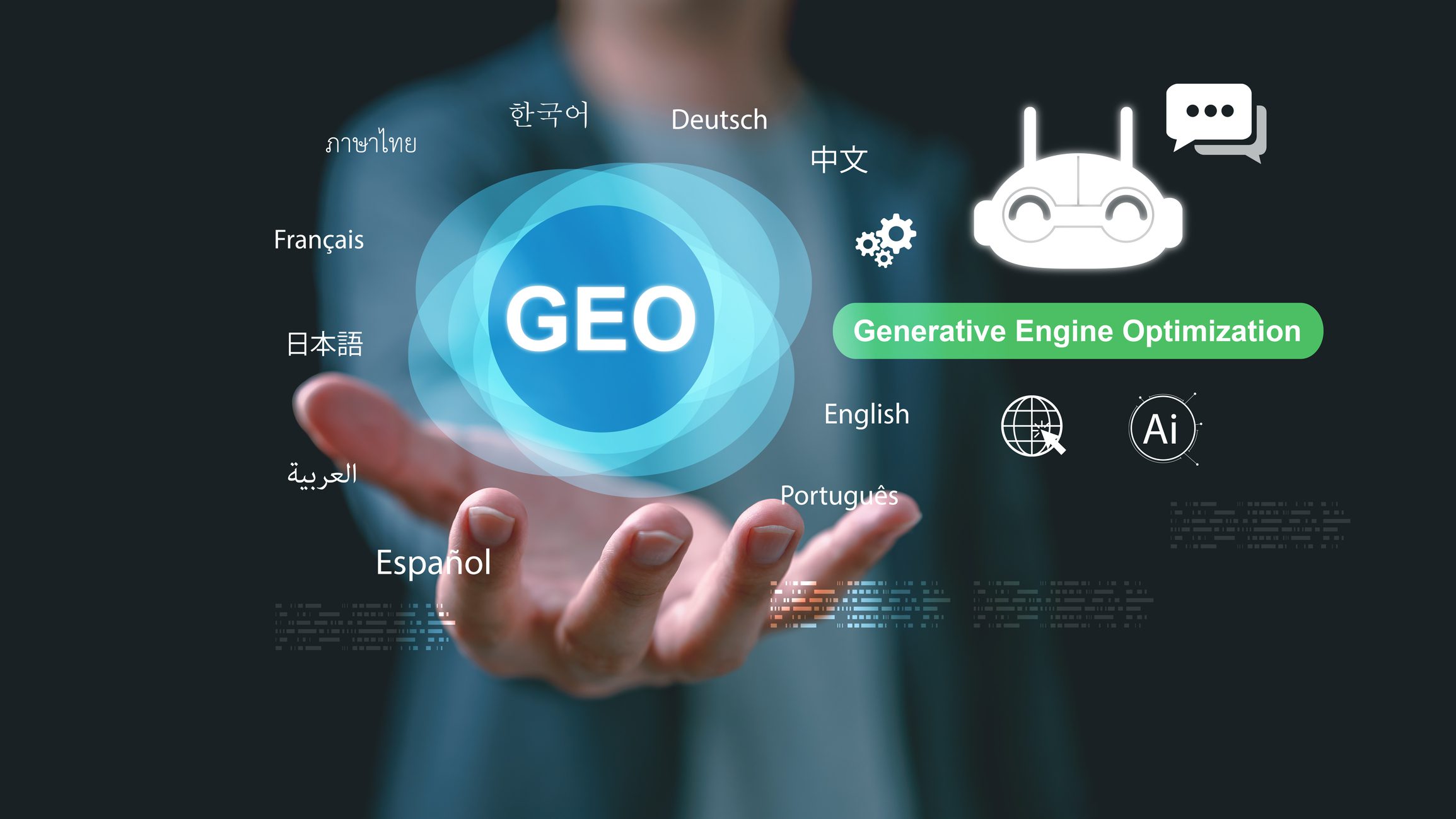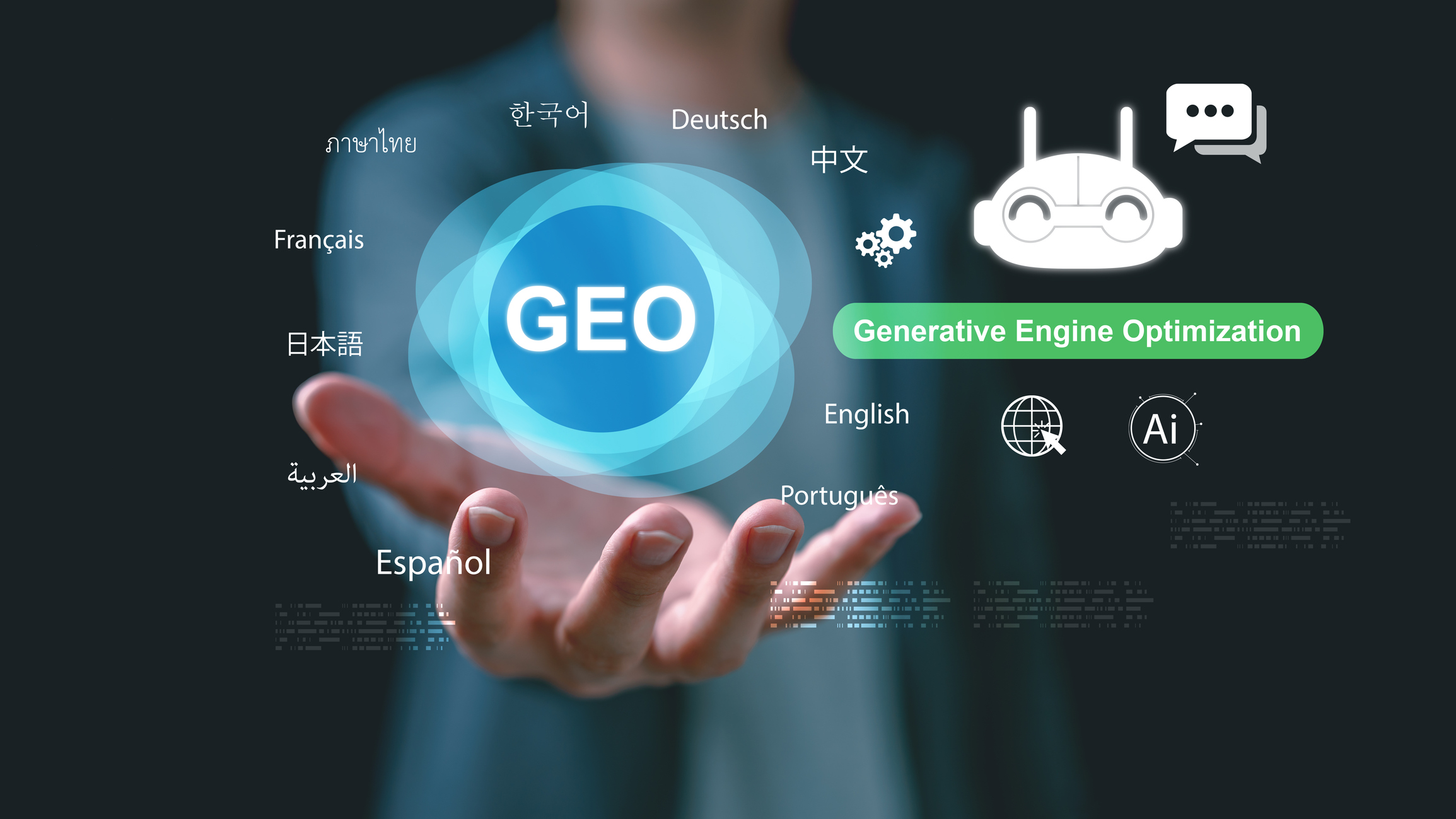





 Here’s something most marketing teams haven’t fully reckoned with yet: when someone asks ChatGPT, Perplexity, or Google’s AI Overview a question you should be answering, your brand may never appear — not because your content is bad, but because it isn’t structured in the way generative AI decides what to trust and quote.
That structural gap is exactly what generative engine optimization exists to close. And unlike a lot of digital marketing trends that require waiting six months to see results, the content decisions you make right now are already shaping whether AI models cite you or skip you.
This article breaks down what GEO actually is, which factors determine whether your content earns AI visibility, and how to build it into your strategy — not as an add-on, but as a foundation.
Here’s something most marketing teams haven’t fully reckoned with yet: when someone asks ChatGPT, Perplexity, or Google’s AI Overview a question you should be answering, your brand may never appear — not because your content is bad, but because it isn’t structured in the way generative AI decides what to trust and quote.
That structural gap is exactly what generative engine optimization exists to close. And unlike a lot of digital marketing trends that require waiting six months to see results, the content decisions you make right now are already shaping whether AI models cite you or skip you.
This article breaks down what GEO actually is, which factors determine whether your content earns AI visibility, and how to build it into your strategy — not as an add-on, but as a foundation.
Category: Blog
-

Your Brand Won’t Show Up in AI Answers by Accident
Here’s something most marketing teams haven’t fully reckoned with yet: when someone asks ChatGPT, Perplexity, or Google’s AI Overview a question you should be answering, your brand may never appear — not because your content is bad, but because it isn’t structured in the way generative AI decides what to trust and quote.
That structural gap is exactly what generative engine optimization exists to close. And unlike a lot of digital marketing trends that require waiting six months to see results, the content decisions you make right now are already shaping whether AI models cite you or skip you.
This article breaks down what GEO actually is, which factors determine whether your content earns AI visibility, and how to build it into your strategy — not as an add-on, but as a foundation.
-
If an AI Answered Your Customer’s Question Right Now, Would Your Brand Get Named?
That question is no longer hypothetical. Every day, people ask AI tools — ChatGPT, Perplexity, Google Gemini, Claude — to recommend businesses, explain services, and compare options in categories your brand competes in. The AI gives a confident answer. It names names. And whether your company appears in that answer or gets completely bypassed depends on decisions your content team is making right now, often without knowing it.
The discipline built around solving that problem is generative engine optimization — and unlike most digital marketing channels, the rules governing it are still being written. That’s not a reason to wait. It’s the argument for moving while the window is open.
The brands earning consistent AI brand mentions today aren’t necessarily the biggest in their category. They’re the ones whose content is structured, specific, and credible enough that generative AI chooses to cite them over everyone else.
What AI Actually Looks For Before Recommending a Brand
Understanding how generative AI decides which brands to surface requires stepping back from traditional SEO thinking entirely. Search engines ranked pages. AI models form opinions about sources. Those opinions are shaped by a combination of how clearly your content answers questions, how consistently your brand appears across the ecosystem, and how specifically your expertise is demonstrated — not just claimed. There is no single algorithm to game here. What there is, however, is a set of observable patterns in what AI-generated responses consistently draw. Brands that show up regularly in AI answers share these characteristics: Broad, vague brand claims →→→ Specific, demonstrable expertise with named methodologies and concrete examples ( Citability signal ) Homepage-heavy site architecture →→→ Deep topic clusters with interlinked Q&A content ( Topical authority signal ) Passive review presence →→→ Consistent external mentions across press, forums, and directories ( Ecosystem authority signal ) Keyword-optimized titles →→→ Direct-answer first paragraphs that AI can extract without interpretation ( Extractability signal ) GEO for enterprise organizations requires all four signals operating at scale — across product lines, markets, and content types simultaneously. For smaller brands, the priority order matters: citability and extractability first, topical authority second, ecosystem presence third.Six GEO Strategies That Turn Browsers Into Brand Advocates — Including AI Ones
These aren’t theoretical frameworks. They’re the practical moves that shift a brand from invisible to recommended in AI-generated responses. 1 Answer the unasked question adjacent to your keyword. Most brands answer the question that their keyword contains. The ones AI recommends answer the follow-up question too — the one the user will have thirty seconds after they get the first answer. This anticipatory structure signals genuine subject mastery. 2 Make your brand’s point of view unmistakably yours. AI brand mentions are more likely when a brand takes clear, specific positions on contested questions in its field. Hedged, committee-approved language produces forgettable content. Opinions backed by evidence produce citations. 3 Create a ‘what we believe’ content layer. Enterprise brands and ambitious smaller ones alike benefit from publishing content that explicitly states their philosophy, methodology, or approach to their category. This gives generative AI a stable, attributable perspective to cite — rather than having to synthesize one from scattered page content. 4 Build external mention diversity deliberately. AI search optimization isn’t only on your own site. The sources that train and continue to inform AI models include industry publications, podcasts, review platforms, forums, and news coverage. A brand that appears consistently across these channels — with the same consistent description and positioning — gets reinforced in how AI associates it with a topic. 5 Restructure existing content before creating new content. Most brands have the answers AI would cite buried in pages formatted for a human reader, not an AI extractor. Restructuring high-value pages to put direct answers first — before the context, the caveats, and the background — is often the highest-leverage GEO move available without writing a single new word. 6 Add a curated FAQ to every key service or product page. FAQ blocks are the structural format most consistently pulled into AI-generated answers. They mirror the question-answer logic that AI search is built around. A well-constructed FAQ at the bottom of a conversion page is doing double duty: it helps human visitors, and it dramatically improves AI citability at the same time.Why GEO for Enterprise Is a Different Scale Problem
For enterprise brands operating across multiple verticals, audiences, and geographic markets, generative engine optimization presents a coordination challenge that small business GEO doesn’t. Every product line, every service tier, and every market segment needs its own content cluster, its own answer architecture, and its own external mention ecosystem. Without deliberate management, large organizations often find that AI recommendations for their different divisions are inconsistent — or that a smaller, more focused competitor is getting cited in their category because their content architecture is simply more coherent. The solution isn’t necessarily more content. It’s better-structured content with clearer brand attribution at every level. Enterprise GEO means building systems — content governance, topical authority mapping, mention monitoring — not just executing individual page optimizations.What Nloop AI Makes Possible for Brands Serious About AI Visibility
Bridging the gap between ‘we know GEO matters’ and ‘we have a system that executes it across our entire digital presence’ is where most organizations stall. Nloop AI was built specifically to solve that execution gap — bringing together the AI-native expertise, content architecture design, and external signal strategy that transforms generative AI SEO from an abstract priority into a measurable, compounding competitive advantage. For brands that want their name in the AI answer — not just on the third page of search results nobody clicks — Nloop AI offers the strategic infrastructure to make that happen systematically. Whether the goal is dominating a single product category or building AI brand mentions across an enterprise portfolio, the methodology is the same: make your content the obvious choice for an AI that’s deciding who to trust. Nloop AI knows how to make that case.Quick Answers on GEO and AI Brand Visibility
What does it actually mean for an AI to ‘recommend’ a brand?
When a user asks an AI tool a question that your business answers — ‘who offers the best enterprise accounting software,’ ‘which law firms specialize in IP litigation,’ ‘what’s the top-rated plumber in Austin’ — and the AI names your brand in its generated response, that’s an AI recommendation. It functions like a third-party endorsement and creates a trust signal before the potential customer has ever visited your site.How is generative engine optimization different from traditional SEO?
Traditional SEO optimizes for ranking in an index-based results list. Generative engine optimization optimizes for being cited within an AI-generated answer. The content quality principles overlap, but GEO specifically requires direct-answer formatting, topical depth, and external mention consistency that standard SEO strategy doesn’t address.Do AI brand mentions affect actual business outcomes?
Yes — and the mechanism is direct. A customer who receives a confident AI recommendation for your brand before visiting your site arrives warmer than any cold click from a standard result. They’ve received something functionally equivalent to a knowledgeable third-party referral. Conversion rates from AI-referred traffic reflect this difference.How long does it take for GEO changes to affect AI recommendations?
Structural content changes — adding direct answers, FAQ blocks, and specific brand positioning language — can influence AI citation patterns within weeks. Building the external mention ecosystem that reinforces AI brand associations is a longer-duration effort, typically measured in months. The brands that see the fastest impact combine immediate content restructuring with sustained ecosystem development.Is GEO relevant for businesses that primarily operate locally?
Absolutely. Local AI recommendations — ‘best dentist near me,’ ‘top-rated HVAC company in Phoenix’ — are among the fastest-growing query types in AI search. Local businesses with specific, well-structured content and consistent review and mention profiles are already earning AI recommendations in their markets. The local GEO opportunity is real, underpenetrated, and available to any business willing to execute it.The AI That Answers Your Customer’s Next Question Has Already Formed an Opinion About Your Brand
That opinion was shaped by everything AI has processed about your category — your content, your competitors’ content, what reviewers have said, what publications have written, and how specifically or vaguely your expertise is represented across the web. Generative engine optimization is the discipline of shaping that opinion deliberately, rather than hoping it forms favorably by accident. The brands building that intentional presence now will be the ones AI recommends six months from now, a year from now, and well into a future where AI-assisted search becomes the primary way people discover new businesses. Nloop AI is the team to build it with. Start the conversation — and find out exactly what your brand looks like from where the AI is standing. -
The Pulse of Performance: Why Ad Optimization is More Than Just Numbers
Imagine you are steering a ship across a vast, shifting ocean. Your map is your strategy, your sails are your creative assets, and the wind represents the market’s attention. In the past, sailors had to wait for the stars to align to know if they were on course. Today, we have the equivalent of high-definition sonar and GPS.
In the high-stakes world of modern business, simply “running ads” is a recipe for a quiet bank account. The real magic happens in the refinement. Optimizing advertising campaigns is the process of listening to what the market is telling you and having the courage to change course in an instant. It’s about moving away from “set it and forget it” and embracing a philosophy of perpetual motion.
The Shifting Geometry of Media Investments
Where you put your money matters just as much as how much you spend. We have moved past the era where a large budget could hide a poor strategy. Today, your media investments act as a diversified portfolio. If you put all your capital into a single social platform, you are vulnerable to algorithm shifts that could wipe out your visibility overnight. Smart optimization starts with “Fluid Allocation.” This means your budget shouldn’t be locked into rigid silos for months at a time. Instead, your capital should flow toward the channels showing the highest “Velocity of Return.” If a specific video format is suddenly resonating with an untapped demographic, your investment should shift there within hours, not weeks. This level of agility ensures that every dollar spent is working at its highest possible capacity.The Power of Real-Time Information for Advertisers
Decisions made on “gut feelings” or data that is seven days old are essentially guesses. The most successful brands in 2026 are those that have bridged the gap between an event happening and a response being triggered. Accessing real-time information for advertisers has become the ultimate competitive advantage. Think of real-time data as the nervous system of your brand. When a user interacts with an ad, that signal should immediately inform your bidding strategy, your creative rotation, and even your landing page content.- Instant Feedback Loops: If a headline isn’t clicking, real-time data identifies the drop-off immediately.
- Dynamic Bidding: Adjusting what you pay for an impression based on the literal second the user is most likely to convert.
- Contextual Awareness: Responding to global events, weather changes, or sudden cultural trends as they unfold.
Integrating the Total Digital Marketing Ecosystem
An ad does not exist in a vacuum. It is part of a larger, interconnected web of touchpoints. Effective digital marketing requires a “holistic” view of the customer journey. A user might see a display ad on their phone, search for the brand on their laptop later that evening, and finally convert after seeing a testimonial in their social feed. Optimization must account for this “cross-pollination.” If your search ads are performing well but your social ads are lagging, it might be that your social presence is doing the heavy lifting of “brand awareness” while search is simply “closing the deal.” By analyzing the “Assist Value” of different channels, you can optimize for the finish line rather than just the first click. This requires a shift in mindset: we are no longer optimizing individual ads; we are optimizing the entire human experience with the brand.Human-Led Strategies for Optimizing Advertising Campaigns
While technology provides the data, humans provide the “Why.” Machine learning is incredible at finding patterns, but it cannot understand the nuance of human emotion or the subtle shift in a community’s values. Optimizing advertising campaigns requires a marriage between data-driven logic and human-centered empathy.- Creative Refreshment: Even the best ad will eventually suffer from “Creative Fatigue.” Optimization involves tracking when an audience begins to tune out and introducing fresh narratives before the performance dips.
- Psychological Segmentation: Instead of just targeting by “age” or “location,” optimize for “mindset.” Are you talking to someone who is in a “discovery” phase or a “crisis” phase?
- The “Information Gain” Test: Ask yourself: Does this ad provide a unique insight or just add to the noise? AI-driven search models prioritize content that offers something new. Your ads should do the same.
Scaling New Heights with Nloop AI
In an environment where every millisecond counts, having an intelligent partner to manage the complexity is no longer a luxury—it’s a necessity. Nloop AI acts as the “Central Intelligence” for your growth efforts, distilling millions of data points into actionable moves that drive your bottom line upward. Rather than leaving you to drown in spreadsheets, this technology provides the clarity needed to make high-impact decisions with total confidence. It doesn’t just watch your progress; it anticipates the market’s next move, ensuring your brand is always positioned where the attention is heading next. By stripping away the guesswork, Nloop AI allows you to focus on the big-picture vision while it handles the intricate tuning of your engine.Frequently Asked Questions (FAQ)
What is the most important factor in optimizing advertising campaigns? The most critical factor is the speed of your feedback loop. The faster you can take a data signal and turn it into a strategy adjustment, the less budget you waste on underperforming assets. How should I protect my media investments? Diversify your ad spend across different platforms and formats. Use “Stop-Loss” triggers in your ad management software to automatically pause campaigns that fall below a specific return-on-ad-spend (ROAS) threshold. Why is real-time information for advertisers so valuable? It allows for “Live Optimization.” Instead of waiting for a campaign to end to see what went wrong, you can fix issues—like a broken link or a low-converting headline—the moment they appear. How does digital marketing change in the age of AI search? Digital marketing is shifting toward “Brand Authority.” Advertisers must focus on creating high-quality, cited content that AI models can use to answer user queries, effectively turning “search” into a conversation.The Path to Perpetual Performance
The journey of optimizing advertising campaigns never truly ends. It is a cycle of testing, learning, and evolving. By treating your media investments with the care of a master craftsman and using real-time information for advertisers to guide your hand, you create a marketing engine that is resilient to change and primed for growth. In the world of digital marketing, the winners aren’t those with the most data, but those with the most clarity. Ready to stop guessing and start growing? Discover how Nloop AI can transform your campaign performance today and take your first step toward total market authority. -
GEO Playbook: How to Outrank Competitors in AI Search Results
The New Battleground: AI Answers, Not Just Rankings
Search behavior has shifted from clicking links to trusting AI-generated responses. When users ask a question, they often get a summarized answer that highlights a few trusted sources. If your brand isn’t included, you’re invisible—no matter how strong your rankings are. This is why generative engine optimization is becoming a core part of modern digital marketing. It helps businesses move beyond rankings and position themselves inside AI answers where decisions are actually made.How Generative AI Selects Winning Content
To outrank competitors in AI search, you need to understand how generative AI evaluates content.AI systems prioritize:
- Clarity: Can the content be easily summarized?
- Relevance: Does it directly answer the user’s question?
- Authority: Is the source credible and consistent?
- Structure: Is the content well-organized and scannable?
Generative Engine Optimization: The Core of GEO Success
Generative engine optimization focuses on making your content AI-ready. It ensures your information is structured in a way that AI systems can understand and confidently reference.What this looks like in practice:
- Clear headings that reflect real user questions
- Concise answers followed by deeper explanations
- Consistent terminology and messaging
- Strong internal linking to reinforce topic authority
GEO for Enterprise: Scaling Competitive Advantage
Large organizations face a unique challenge—managing consistency across multiple teams, products, and markets. GEO for enterprise provides a framework to scale visibility without losing control.Key benefits:
- Unified content strategy across departments
- Improved brand recognition in AI systems
- Better alignment between data, content, and messaging
- Increased efficiency in managing large content ecosystems
AI Brand Mentions: The New Ranking Signal
In AI-driven search, AI brand mentions are becoming a powerful indicator of authority. When AI systems repeatedly reference your brand, it signals trust and relevance.How to increase brand mentions:
- Publish original insights and thought leadership
- Maintain consistent branding across all platforms
- Encourage engagement through reviews and discussions
- Build relationships with authoritative sources
Creating Content That AI Prefers Over Competitors
Outranking competitors requires more than just good content—it requires content that AI systems prefer.Key content principles:
- Start with a direct answer to the main question
- Use simple, conversational language
- Break information into bullet points and short sections
- Add depth with examples and actionable insights
Data-Driven GEO Strategies That Work
Effective GEO strategies rely on data, not assumptions. Businesses can use AI tools to identify opportunities and refine their approach.Practical steps:
- Analyze common user queries and intent patterns
- Identify gaps in competitor content
- Track performance and adjust strategies
- Focus on topics that provide real value
How Nloop AI Helps Businesses Stay Competitive
For businesses navigating the complexity of AI-driven search, Nloop AI offers a smarter way to manage marketing operations. Instead of relying on disconnected tools, it integrates data analysis, automation, and execution into a single system. This allows teams to streamline workflows, identify opportunities faster, and maintain consistency across campaigns. By simplifying processes and improving decision-making, Nloop AI helps businesses strengthen their presence in AI-driven environments and stay ahead of the competition.Balancing Automation with Strategic Thinking
While AI tools provide valuable insights, strategy still requires human expertise. Businesses that rely solely on automation risk losing creativity and authenticity.Why human input matters:
- Ensures content aligns with brand voice
- Adds depth and originality to messaging
- Prevents errors and maintains accuracy
- Drives innovation and differentiation
Preparing for Long-Term Success in AI Search
The shift toward AI-driven discovery is not temporary. Businesses that adapt now will have a significant advantage in the future.Steps to stay ahead:
- Audit existing content for clarity and structure
- Focus on answering real user questions
- Invest in tools that support AI-driven strategies
- Continuously update and improve content
Frequently Asked Questions
What is generative engine optimization?
It is a strategy that helps content become easily understandable and usable by AI systems, improving visibility in AI-generated responses.How does generative AI impact search rankings?
Generative AI prioritizes content that is clear, relevant, and trustworthy, rather than just keyword-optimized.What are AI brand mentions?
They refer to how often your brand is referenced in AI-generated responses, indicating authority and trust.Why is GEO for enterprise important?
It provides a scalable way for large organizations to maintain consistency and improve visibility across multiple channels.How can businesses outrank competitors in AI search?
By creating structured, high-quality content, building authority, and continuously optimizing based on data insights.Win the AI Search Race with Smarter Strategies
Outranking competitors today requires more than traditional SEO tactics. It requires a shift toward generative engine optimization, stronger AI brand mentions, and smarter digital marketing strategies. By embracing these changes and leveraging tools like Nloop AI, businesses can position themselves at the forefront of AI-driven discovery. The brands that adapt now will not just compete—they will lead. Ready to outperform your competitors in AI search? Start building your GEO strategy today and secure your place in the future of search. -
Is Your Business Ready for Generative Engine Optimization in the Age of AI Search?
The Question Most Companies Are Starting to Ask
Many businesses are still focused on traditional SEO tactics—rankings, backlinks, and keywords. But there’s a bigger shift happening beneath the surface. Customers are no longer just clicking links; they’re relying on AI-generated answers to guide their decisions. So the real question is: Is your company focusing on generative engine optimization—or falling behind competitors who are? This shift is redefining how brands appear, how they are trusted, and how they are chosen.What Generative Engine Optimization Means for Your Business
Generative engine optimization is about making your content easy for AI systems to understand, summarize, and recommend. It moves beyond rankings and focuses on becoming part of the answer itself.Why it matters:
- AI tools are shaping buying decisions before users visit websites
- Content must be structured for interpretation, not just indexing
- Visibility now depends on clarity, authority, and consistency
Signs Your Company Is Not Optimized for AI Search
Many companies assume they are keeping up, but a few key gaps can limit performance.Common signs include:
- Content that focuses only on keywords, not user intent
- Lack of structured formatting (headings, summaries, FAQs)
- Minimal brand presence across platforms
- Weak or inconsistent AI brand mentions
- Limited depth in content
How to Do Generative Engine Optimization the Right Way
Understanding how to do generative engine optimization is the first step toward improving visibility.Practical steps to implement:
1. Answer Real Questions Clearly
Think about how your customers ask questions. Structure your content to provide direct, easy-to-understand answers.2. Build Content Depth
Go beyond surface-level information. Include insights, examples, and practical advice that add real value.3. Use Structured Formatting
Break content into sections, bullet points, and summaries so AI systems can extract key information easily.4. Strengthen Brand Signals
Ensure your brand messaging is consistent across your website, social media, and other platforms.5. Focus on Quality Over Volume
Avoid mass-producing content. Instead, create fewer but more meaningful pieces that provide depth and clarity. This approach improves both human engagement and AI interpretation.The Role of Generative AI in Modern Digital Marketing
Generative AI is not just a tool—it’s a shift in how information is created and consumed. Digital marketing allows businesses to analyze trends, identify opportunities, and refine strategies.How businesses can use generative AI:
- Discover common customer questions
- Identify gaps in existing content
- Analyze competitor strategies
- Generate ideas for high-value topics
AI Brand Mentions: The New Competitive Advantage
In AI-driven search, AI brand mentions are becoming a key indicator of authority. When AI systems frequently reference your brand, it signals trust and relevance.How to increase brand mentions:
- Publish original insights and thought leadership
- Maintain consistent branding across platforms
- Encourage customer engagement and reviews
- Build relationships with authoritative sources
Choosing the Right Generative Engine Optimization Companies
As demand grows, more agencies are offering AI-focused services. But not all generative engine optimization companies provide the same level of expertise.What to look for:
- Proven experience in AI-driven strategies
- Strong focus on content quality and structure
- Data-driven approach to optimization
- Ability to align with your business goals
How Nloop AI Helps Businesses Stay Ahead
For companies looking to scale their efforts, Nloop AI offers a smarter way to manage marketing operations. Instead of relying on disconnected tools, it integrates automation, data insights, and execution into a single platform. This allows teams to streamline workflows, identify opportunities faster, and maintain consistency across campaigns. By simplifying complex processes and improving decision-making, Nloop AI helps businesses adapt to AI-driven search and stay competitive in a rapidly changing environment.Why Waiting Is the Biggest Risk
The shift toward AI-driven discovery is happening quickly. Businesses that delay adapting may find themselves losing visibility to competitors who embrace these strategies early.Risks of not adapting:
- Reduced visibility in AI-generated results
- Lower engagement from high-intent users
- Missed opportunities for brand growth
- Falling behind competitors
Frequently Asked Questions
What is generative engine optimization?
It is a strategy that helps content become easily understandable and usable by AI systems, improving visibility in AI-generated responses.How do I know if my company needs it?
If your content is not appearing in AI-driven search results or lacks structured, high-quality information, it’s time to optimize.How to do generative engine optimization effectively?
Focus on clear answers, structured content, strong branding, and consistent messaging across platforms.What are AI brand mentions?
They refer to how often your brand is referenced in AI-generated responses, indicating authority and trust.Are generative engine optimization companies worth it?
Yes, the right partner can help you implement strategies effectively and achieve better results.Start Building Your AI-Ready Strategy Today
The way customers discover businesses is evolving, and companies must adapt to stay relevant. By focusing on generative engine optimization, improving AI brand mentions, and aligning with modern digital marketing strategies, businesses can position themselves for long-term success. With the right approach—and tools like Nloop AI—you can stay ahead of the competition and ensure your brand is part of the answers customers rely on. Ready to take the next step? Start optimizing for AI today and make your business impossible to ignore. -
A Practical Guide to Omnichannel Marketing for Advertisers and Agencies
Why Modern Campaigns Need a Connected Approach
Consumers don’t follow a straight path anymore. They might discover a brand on social media, research it on Google, compare options on a website, and convert through an email or ad. This fragmented journey makes it harder for businesses to stay consistent and relevant. That’s why omnichannel marketing has become essential for both advertisers and agencies. It’s not just about being present across platforms—it’s about creating a unified experience that feels seamless at every touchpoint.What Omnichannel Marketing Means for Advertisers
For brands, omnichannel marketing for advertisers is about delivering the right message at the right time, regardless of where the customer is in their journey.Key benefits for advertisers:
- Consistent brand messaging across all platforms
- Better customer engagement through personalization
- Improved conversion rates from connected experiences
- Stronger brand recall
Omnichannel Marketing for Agencies: Managing Complexity at Scale
Executing omnichannel marketing for agencies involves managing multiple clients, platforms, and data sources simultaneously. The challenge is not just coordination—it’s optimization.What agencies need to focus on:
- Aligning campaigns across multiple channels
- Tracking performance across platforms
- Ensuring consistent messaging for each client
- Adapting strategies based on real-time insights
Understanding Omnichannel Marketing Channels
A successful strategy depends on how well different omnichannel marketing channels work together. Each channel plays a unique role in the customer journey.Common channels include:
- Search engines for discovery and research
- Social media for engagement and awareness
- Email for nurturing and retention
- Paid advertising for targeted reach
- Websites and landing pages for conversions
Building an Effective Omnichannel Marketing Strategy
A strong omnichannel marketing strategy requires planning, coordination, and continuous optimization. It’s not a one-time setup—it’s an ongoing process.Steps to create a successful strategy:
1. Map the Customer Journey
Understand how users move from awareness to conversion. Identify key touchpoints and opportunities for engagement.2. Align Messaging Across Channels
Ensure that your brand voice and value proposition remain consistent, even as the format changes.3. Use Data to Guide Decisions
Leverage analytics to understand user behavior and refine your campaigns.4. Personalize Experiences
Deliver content that matches user preferences and intent.5. Continuously Optimize
Monitor performance and adjust strategies to improve results. This structured approach helps businesses stay relevant and competitive.Creating a Seamless Customer Experience
At the core of omnichannel marketing is the customer experience. Every interaction should feel connected, regardless of the platform.Best practices:
- Maintain consistent branding and tone
- Ensure smooth transitions between channels
- Provide relevant content at each stage
- Respond quickly to user actions
How Data and Technology Drive Omnichannel Success
Technology plays a critical role in connecting channels and improving performance. Agencies and advertisers need tools that can handle complexity and provide actionable insights.Key capabilities to look for:
- Centralized data management
- Real-time analytics and reporting
- Integration with CRM and marketing tools
- Automation for efficiency
How Nloop AI Helps Agencies and Advertisers Scale Smarter
For agencies and advertisers looking to simplify their operations, Nloop AI offers a more advanced approach. Instead of managing multiple tools and manual workflows, it brings data analysis, automation, and campaign execution into a single platform. This allows teams to streamline processes, gain deeper insights, and make faster decisions. By reducing complexity and improving efficiency, Nloop AI helps businesses deliver stronger omnichannel campaigns while maintaining consistency and quality.Common Challenges and How to Overcome Them
Even with the right strategy, omnichannel efforts can face obstacles.Common challenges:
- Data silos between platforms
- Inconsistent messaging
- Difficulty tracking performance across channels
- Managing multiple campaigns simultaneously
Solutions:
- Use integrated tools to unify data
- Establish clear brand guidelines
- Focus on key performance metrics
- Automate repetitive tasks
Measuring Success in Omnichannel Campaigns
Tracking performance across channels is essential for improvement.Metrics to monitor:
- Engagement rates across platforms
- Conversion rates and revenue
- Customer retention and lifetime value
- Channel-specific performance
Frequently Asked Questions
What is omnichannel marketing?
It is a strategy that creates a seamless customer experience across multiple marketing channels.How is omnichannel marketing for advertisers different?
It focuses on delivering consistent messaging and improving customer engagement across all touchpoints.What does omnichannel marketing for agencies involve?
It involves managing and optimizing campaigns across multiple channels for different clients.Why are omnichannel marketing channels important?
They allow businesses to reach customers wherever they are while maintaining a unified experience.How can an omnichannel marketing agency help?
An experienced omnichannel marketing agency can provide strategy, tools, and expertise to improve performance and efficiency.Build a Strategy That Connects Everything
Success in today’s digital landscape depends on how well you connect your marketing efforts. By implementing a strong omnichannel marketing strategy, aligning omnichannel marketing channels, and leveraging the right tools, advertisers and agencies can create more effective and engaging campaigns. With solutions like Nloop AI, managing complex campaigns becomes easier and more efficient. If you’re ready to improve performance and deliver better customer experiences, now is the time to invest in a smarter approach. Start building your omnichannel strategy today and create experiences that truly connect with your audience. -
8 Practical Generative Engine Optimization Best Practices to Strengthen Your Strategy
Why Businesses Need a Smarter Approach to AI Search
Search is no longer just about ranking pages—it’s about being part of the answers people receive. With AI tools reshaping how users find information, businesses need to rethink how they create and structure content.
This is where generative engine optimization becomes essential. It helps your brand appear in AI-generated responses, improving visibility and influence. But knowing how to do generative engine optimization effectively requires a clear, structured approach.
Below are eight practical best practices that can help you build a stronger strategy.
1. Write Content That Directly Answers Questions
AI systems prioritize content that clearly addresses user intent. Instead of vague explanations, focus on giving precise answers.
What this looks like:
- Use question-based headings
- Start sections with clear answers
- Expand with useful context
This approach makes your content easier for AI to extract and present.
2. Focus on Clarity Over Complexity
Many businesses try to sound overly technical, but generative AI prefers content that is easy to understand.
Tips for clarity:
- Use simple, conversational language
- Avoid unnecessary jargon
- Break complex ideas into smaller parts
Clear content performs better for both users and AI systems.
3. Build Strong AI Brand Mentions
AI brand mentions are becoming a key signal of authority. The more your brand is referenced across platforms, the more likely it is to be trusted.
How to improve brand mentions:
- Publish valuable insights regularly
- Maintain consistent messaging
- Encourage reviews and engagement
- Collaborate with authoritative sources
This helps position your brand as a reliable source of information.
4. Structure Content for Easy Interpretation
AI systems rely on structure to understand content. Poorly organized pages are harder to interpret and less likely to be referenced.
Best practices:
- Use clear headings and subheadings
- Include bullet points for key ideas
- Keep paragraphs short and focused
- Organize information logically
Structured content improves both readability and AI visibility.
5. Create Depth, Not Just Volume
Publishing more content doesn’t always lead to better results. What matters is the quality and depth of information.
Focus on:
- Detailed explanations
- Real-world examples
- Actionable insights
- Unique perspectives
This approach helps your content stand out from competitors.
6. Use Data and Insights to Guide Strategy
Data plays a critical role in refining your approach. Businesses can use AI tools to analyze trends and identify opportunities.
How to use data effectively:
- Identify common user questions
- Analyze competitor content
- Track engagement and performance
- Update content based on insights
This ensures your strategy remains relevant and effective.
7. Align Content with Digital Marketing Goals
Your GEO efforts should support your overall digital marketing strategy. Content should not exist in isolation—it should contribute to business objectives.
Ways to align your strategy:
- Connect content with lead generation goals
- Link pages to conversion paths
- Integrate with social and email campaigns
- Maintain consistent branding
This creates a more cohesive and impactful approach.
8. Choose the Right Generative Engine Optimization Companies
Not all agencies understand the complexities of AI-driven search. Selecting the right generative engine optimization companies can make a significant difference.
What to look for:
- Expertise in AI-driven strategies
- Focus on content quality and structure
- Data-driven decision-making
- Ability to align with your business goals
A strong partner can help you implement these best practices effectively.
How Nloop AI Helps Businesses Scale Their GEO Strategy
For businesses looking to streamline their efforts, Nloop AI offers a smarter way to manage marketing operations. Instead of relying on disconnected tools, it integrates data analysis, automation, and execution into a single system.
This allows teams to identify opportunities faster, optimize content more effectively, and maintain consistency across campaigns. By simplifying complex processes, Nloop AI helps businesses build stronger strategies and stay competitive in AI-driven search environments.
Common Mistakes to Avoid
Even with the right approach, certain mistakes can limit success.
Watch out for:
- Overloading content with keywords
- Ignoring user intent
- Publishing low-quality or repetitive content
- Failing to update outdated information
Avoiding these pitfalls ensures your strategy remains effective.
Frequently Asked Questions
What is generative engine optimization?
It is a strategy that helps content become easily understandable and usable by AI systems, improving visibility in AI-generated responses.
How to do generative engine optimization effectively?
Focus on clear answers, structured content, strong branding, and consistent messaging across platforms.
Why are AI brand mentions important?
They signal authority and trust, increasing the likelihood of your content being referenced.
How does generative AI impact digital marketing?
It changes how content is created, discovered, and consumed, making clarity and relevance more important.
Are generative engine optimization companies necessary?
They can help implement strategies effectively and improve results, especially for complex campaigns.
Build a Strategy That Works for the Future
AI-driven search is changing how businesses compete for attention. By following these eight best practices, you can create a strategy that improves visibility, builds authority, and drives meaningful results.
Focusing on generative engine optimization, strengthening AI brand mentions, and aligning with your digital marketing goals will help you stay ahead of the competition.
Ready to take your strategy to the next level? Start applying these best practices today and position your brand for long-term success.
-
How to Measure Success and ROI in Generative Engine Optimization
Why Measuring GEO Performance Is More Complex Than Traditional SEO
Tracking performance used to be straightforward. You measured rankings, clicks, and traffic, and you had a clear picture of what was working. But with AI-driven search, things have changed. Users now get answers directly from AI tools, often without clicking through to a website.
This shift makes generative engine optimization harder to measure—but also more important. Businesses must look beyond traditional metrics and focus on how their brand appears, influences, and converts within AI-generated responses.
Understanding Measuring Success and ROI in Generative Engine Optimization
Measuring success and ROI in generative engine optimization requires a broader perspective. It’s not just about traffic—it’s about visibility, trust, and influence.
What success looks like in GEO:
- Your brand is mentioned in AI-generated answers
- Users recognize and trust your brand
- Content influences decisions before clicks happen
- Engagement improves across channels
ROI is no longer tied only to direct conversions—it includes brand exposure and authority.
How AI Engines Decide Which Sources to Cite
To measure performance effectively, you need to understand how AI engines decide which sources to cite. These systems evaluate content differently from traditional search engines.
Key factors include:
- Clarity and structure of information
- Relevance to the user’s query
- Authority and trustworthiness of the source
- Consistency of brand messaging
If your content aligns with these factors, it’s more likely to be referenced, which directly impacts your visibility.
Key Metrics for Generative Engine Optimization Success
Measuring GEO requires tracking a mix of traditional and new metrics.
1. AI Brand Mentions
AI brand mentions are one of the most important indicators of success.
Track:
- Frequency of mentions across AI platforms
- Context in which your brand is referenced
- Comparison with competitors
More mentions typically mean higher authority.
2. Assisted Traffic and Engagement
Even if users don’t click immediately, AI visibility often leads to indirect traffic.
Measure:
- Branded search growth
- Direct traffic increases
- Engagement metrics on key pages
These signals show how AI exposure influences user behavior.
3. Content Performance in AI Context
Evaluate how well your content performs when interpreted by AI systems.
Look for:
- Pages with strong engagement
- Content that answers specific questions
- High retention rates
This helps identify which topics and formats work best.
4. Conversion Quality
Focus on the quality of leads rather than just volume.
Track:
- Conversion rates from AI-influenced traffic
- Customer intent and readiness
- Revenue generated from high-intent users
Better visibility often leads to better-qualified leads.
Generative Engine Optimization Brands Integration: Building Consistency
Generative engine optimization brands integration is about ensuring your messaging is consistent across all platforms.
Why it matters:
- AI systems rely on consistent data
- Mixed messaging reduces trust
- Strong integration improves authority
How to improve integration:
- Align website, social, and listings
- Use consistent language and tone
- Maintain accurate business information
Consistency strengthens your overall performance.
Using Data to Improve ROI
Data plays a critical role in optimizing your strategy. Businesses can use insights to refine their approach and improve results.
Practical ways to use data:
- Identify which content drives AI mentions
- Analyze user behavior and engagement
- Compare performance across channels
- Adjust strategies based on findings
This continuous improvement process helps maximize ROI.
Working with Generative Engine Optimization Companies
As GEO becomes more important, many businesses are turning to specialized generative engine optimization companies.
What to expect from the right partner:
- Expertise in AI-driven strategies
- Data-driven insights and reporting
- Focus on content quality and structure
- Alignment with business goals
Choosing the right partner can accelerate your success.
How Nloop AI Helps Track and Improve GEO Performance
For businesses looking to simplify measurement and optimization, Nloop AI offers a smarter approach. Instead of relying on scattered data sources, it integrates insights, automation, and execution into one system.
This allows teams to monitor performance more effectively, identify opportunities faster, and refine strategies with greater precision. By turning complex data into actionable insights, Nloop AI helps businesses improve visibility, strengthen authority, and achieve better ROI.
Common Challenges in Measuring GEO Success
Measuring GEO performance comes with unique challenges.
Common issues:
- Lack of direct attribution from AI platforms
- Difficulty tracking AI-generated mentions
- Over-reliance on traditional metrics
- Limited visibility into user journeys
How to overcome them:
- Combine multiple data sources
- Focus on trends rather than single metrics
- Use qualitative insights alongside quantitative data
- Continuously refine measurement methods
This balanced approach provides a clearer picture of success.
Frequently Asked Questions
What is generative engine optimization?
It is a strategy that helps content become easily understandable and usable by AI systems, improving visibility in AI-generated responses.
How do you measure success in GEO?
By tracking AI brand mentions, engagement, traffic trends, and conversion quality.
Why are AI brand mentions important?
They indicate how often your brand is recognized and recommended by AI systems.
How do AI engines decide which sources to cite?
They prioritize content that is clear, relevant, authoritative, and consistent.
Are generative engine optimization companies necessary?
They can help implement strategies effectively and provide valuable insights.
Rethinking ROI for the AI Era
Measuring success in generative engine optimization requires a shift in mindset. It’s not just about clicks—it’s about influence, visibility, and trust. By focusing on AI brand mentions, understanding how AI engines decide which sources to cite, and improving generative engine optimization brands integration, businesses can build a stronger presence in AI-driven search.
With the right tools and strategies—such as those offered by Nloop AI—you can turn visibility into measurable growth and stay ahead in a rapidly evolving landscape.
Ready to improve your ROI in AI search? Start optimizing your strategy today and unlock the full potential of generative engine optimization.
-
How to Streamline Campaign Management and Integration for Better Marketing Results
Why Campaign Complexity Is Holding Businesses Back
Running marketing campaigns today is more complicated than ever. Brands are managing multiple platforms, tracking different metrics, and trying to keep messaging consistent across channels. Without a clear system, this often leads to inefficiencies, missed opportunities, and inconsistent performance. That’s why businesses are focusing on ways to streamline campaign management and integration. The goal is simple: reduce complexity while improving results. When campaigns are connected and easy to manage, teams can focus on strategy instead of juggling tools.What It Means to Streamline Campaign Management and Integration
To streamline campaign management and integration, businesses need to align their processes, tools, and data into a single, cohesive system.This involves:
- Connecting all marketing channels into one workflow
- Eliminating manual and repetitive tasks
- Ensuring consistent messaging across platforms
- Using data to guide decisions
Why Centralizing Marketing Efforts Is Essential
One of the biggest challenges in campaign management is fragmentation. When teams work across disconnected tools, it becomes difficult to maintain consistency and track performance.Benefits when you centralize marketing efforts:
- Improved visibility across all campaigns
- Better collaboration between teams
- More accurate data analysis
- Faster decision-making
Campaign Performance Monitoring: Turning Data Into Action
Tracking performance is not just about collecting data—it’s about using it effectively. Campaign performance monitoring allows businesses to understand what’s working and what needs improvement.Key metrics to focus on:
- Engagement rates across channels
- Conversion rates and revenue impact
- Customer acquisition cost
- Channel-specific performance
Building a Marketing Solution for Advertisers
For brands, having the right system in place is critical. A strong marketing solution for advertisers should simplify processes while delivering better results.Key features to look for:
- Unified campaign management dashboard
- Integration with multiple advertising platforms
- Real-time analytics and reporting
- Automation capabilities for efficiency
Marketing Solution for Agencies: Managing Multiple Clients with Ease
Agencies face an additional layer of complexity. They need to manage campaigns for multiple clients while maintaining high standards.What agencies need in a marketing solution for agencies:
- Centralized tools for managing multiple accounts
- Scalable workflows for different campaigns
- Clear reporting for client communication
- Flexibility to adapt strategies quickly
Integrating Campaigns Across Channels
Integration is the foundation of successful marketing. Without it, campaigns feel disconnected and less effective.How to improve integration:
- Align messaging across all platforms
- Use shared data to inform decisions
- Connect CRM, analytics, and advertising tools
- Ensure seamless transitions between channels
Reducing Manual Work Through Automation
Manual processes slow down campaigns and increase the risk of errors. Automation helps eliminate these challenges.Areas where automation helps:
- Scheduling and publishing campaigns
- Managing audience segmentation
- Triggering follow-up actions
- Generating performance reports
Creating a Scalable Campaign Framework
To truly streamline campaign management and integration, businesses need a framework that can grow with them.Steps to build scalability:
- Standardize workflows across campaigns
- Use templates for common tasks
- Continuously refine processes
- Invest in tools that support growth
How Nloop AI Helps Simplify Campaign Management
For businesses looking to improve efficiency, Nloop AI offers a smarter way to manage campaigns. Instead of relying on multiple disconnected tools, it brings data, automation, and execution into one unified system. This allows teams to streamline workflows, gain deeper insights, and make faster decisions. By reducing complexity and improving accuracy, Nloop AI helps businesses manage campaigns more effectively and achieve better results.Common Challenges and How to Overcome Them
Even with the right strategy, certain challenges can arise.Common issues:
- Data silos between platforms
- Inconsistent messaging across channels
- Difficulty tracking performance
- Over-reliance on manual processes
Solutions:
- Integrate tools and platforms
- Establish clear brand guidelines
- Use centralized dashboards
- Automate repetitive tasks
Frequently Asked Questions
What does it mean to streamline campaign management and integration?
It means simplifying processes, connecting tools, and aligning strategies to improve efficiency and performance.Why is campaign performance monitoring important?
It helps businesses track results, identify opportunities, and optimize campaigns.How can businesses centralize marketing efforts?
By using integrated tools and aligning teams around a unified strategy.What should advertisers look for in a marketing solution?
They should focus on integration, automation, and real-time analytics.How can agencies manage multiple campaigns effectively?
By using scalable tools and standardized workflows.Simplify to Succeed
Managing campaigns doesn’t have to be complicated. By focusing on ways to streamline campaign management and integration, businesses can reduce inefficiencies, improve performance, and create better experiences for their audience. With the right approach, it becomes easier to manage complex campaigns and achieve meaningful results. Ready to simplify your marketing strategy? Start building a more efficient system today and unlock your full potential. -
The GEO Playbook: Building an AI Search Strategy That Actually Gets Your Brand Cited
There’s a quiet revolution happening in how people find information online. Instead of scanning a page of blue links, more users are asking AI assistants direct questions and trusting the synthesized answers they get back. For businesses, this creates an urgent question: when an AI responds to a query in your industry, is your brand part of that answer?
That’s the territory where generative engine optimization lives — and getting your strategy right from the start makes the difference between being cited and being invisible.
How AI Engines Decide Which Sources to Cite
Before you can optimize for AI, you need to understand what AI is actually looking for. Unlike traditional search engines that score pages on backlinks and keyword relevance, large language models make citation decisions based on a different set of signals — ones rooted in how AI engines decide which sources to cite.
Trustworthiness
Consistent, accurate content across your site and third-party platforms signals that you’re a reliable source worth referencing.
Topical Depth
AI favors sources that cover a subject comprehensively — not just one article, but a connected body of knowledge.
Structural Clarity
Well-organized content with clear headers, concise answers, and logical flow is easier for AI to extract and summarize.
Entity Recognition
Brands with consistent name, category, and attribute signals across the web are more likely to be understood and cited correctly.
Understanding these signals isn’t just academic — it’s the foundation of every content and technical decision you make in a serious generative engine optimization strategy.
Generative Engine Optimization Brands Integration: Content Meets Technical
One mistake businesses make is treating GEO as purely a content play. In reality, generative engine optimization brands integration — the process of aligning your brand’s digital footprint so AI systems recognize and represent it accurately — is both a content and technical challenge.
On the content side, this means producing original research, detailed guides, and proprietary insights that AI simply can’t replicate from other sources. Generic content gets absorbed into the noise. Unique, citable content earns a seat at the table.
On the technical side, it means:
- Implementing structured data and schema markup so AI can categorize your content correctly
- Ensuring your brand name, products, and core value proposition are described consistently across every digital touchpoint
- Using conversational, question-based headings that match how users actually phrase queries to AI tools
- Building interconnected content clusters that signal deep topical expertise rather than isolated articles
“The brands winning in AI search aren’t gaming the system — they’re building genuine authority that AI models are trained to recognize.”
AI Brand Mentions: Why Reputation Travels Further Than Rankings
In traditional SEO, a backlink from an authoritative site boosted your ranking. In the GEO era, something similar — but more nuanced — is at play. AI brand mentions across forums, review platforms, news articles, and third-party content collectively shape how AI models perceive and represent your brand.
This shifts the conversation from pure on-site optimization to reputation management at scale. Ask yourself: when people write about your industry without being prompted, does your brand come up? Are customer reviews describing your business in terms that match how you want AI to categorize you?
Proactively managing how your brand is discussed online — through PR, thought leadership, community engagement, and review cultivation — is now a core component of any complete generative engine optimization strategy.
Measuring Success and ROI in Generative Engine Optimization
ROI in GEO doesn’t fit neatly into a standard analytics dashboard — at least not yet. But measuring success and ROI in generative engine optimization is entirely possible with the right approach. The key is expanding what you count as a signal of success.
Metrics worth tracking
- AI citation appearances: Manually or through emerging tools, monitor how often your brand surfaces in AI-generated responses to relevant queries
- Branded search volume trends: A lift in branded searches often follows increased AI mentions, as users seek out brands they’ve encountered in AI answers
- Content engagement quality: Time on page, scroll depth, and return visits indicate whether your content is delivering the depth AI and human readers both value
- Lead source attribution: Track whether new leads mention discovering you through AI tools — a qualitative but telling signal
- Share of voice in AI responses: Compare how often you versus competitors appear when AI answers queries in your category
None of these metrics lives in isolation. Together, they paint a picture of whether your brand is building the kind of presence that compounds over time.
What Separates Good Generative Engine Optimization Companies from Great Ones
Not all generative engine optimization companies approach this space with equal sophistication. The difference between average and exceptional often comes down to one thing: whether the agency treats GEO as a standalone tactic or as a discipline that sits at the intersection of content strategy, brand building, technical SEO, and data analysis.
The best partners in this space bring human editorial expertise alongside AI-powered research tools — using AI for ideation and analysis, while relying on experienced strategists to ensure every piece of content is accurate, on-brand, and genuinely useful. AI can generate ideas. It takes human judgment to make them worth citing.
If your business is ready to move from basic SEO to a future-proof AI visibility strategy, Nloop AI is worth a serious look. Rather than offering cookie-cutter packages, Nloop AI builds bespoke strategies that align your content, brand signals, and technical architecture with the way AI models actually evaluate and cite sources. Their team combines deep SEO expertise with a forward-thinking understanding of generative search — making them a genuine growth catalyst for brands that want to be ahead of the curve, not catching up to it. From brand integration to citation tracking, Nloop AI handles the complexity so your team can focus on what you do best.
Frequently Asked Questions
What is generative engine optimization, and how is it different from SEO?
Generative engine optimization is the practice of making your content and brand more likely to be cited or referenced by AI-powered search tools. Unlike traditional SEO — which focuses on ranking in a list of links — GEO focuses on being included in AI-generated answers, which requires different signals: topical authority, structural clarity, and consistent brand representation across the web.
How do AI engines decide which sources to cite?
AI models favor trustworthy sources, topically authoritative, clearly structured, and consistently represented across the internet. They look for content that directly and accurately answers questions — particularly when that content contains unique data or insights not available elsewhere.
How can small or mid-sized businesses compete with large brands in AI search?
Niche depth beats broad reach in AI search. A smaller brand that comprehensively covers a specific topic — with original research, detailed answers, and a strong community reputation — can outperform larger competitors that produce generic content at scale.
What role do AI brand mentions play in GEO?
AI brand mentions across review sites, news articles, forums, and third-party platforms contribute to how AI models perceive and describe your brand. The more your brand is discussed accurately and positively in diverse sources, the more likely AI is to cite and recommend you.
How long does it take to see results from a GEO strategy?
Most businesses begin to see measurable shifts in branded search volume and AI citation frequency within three to six months of a focused GEO strategy, though this depends heavily on how competitive your niche is and the baseline authority of your content.

 That question is no longer hypothetical. Every day, people ask AI tools — ChatGPT, Perplexity, Google Gemini, Claude — to recommend businesses, explain services, and compare options in categories your brand competes in. The AI gives a confident answer. It names names. And whether your company appears in that answer or gets completely bypassed depends on decisions your content team is making right now, often without knowing it.
The discipline built around solving that problem is
That question is no longer hypothetical. Every day, people ask AI tools — ChatGPT, Perplexity, Google Gemini, Claude — to recommend businesses, explain services, and compare options in categories your brand competes in. The AI gives a confident answer. It names names. And whether your company appears in that answer or gets completely bypassed depends on decisions your content team is making right now, often without knowing it.
The discipline built around solving that problem is 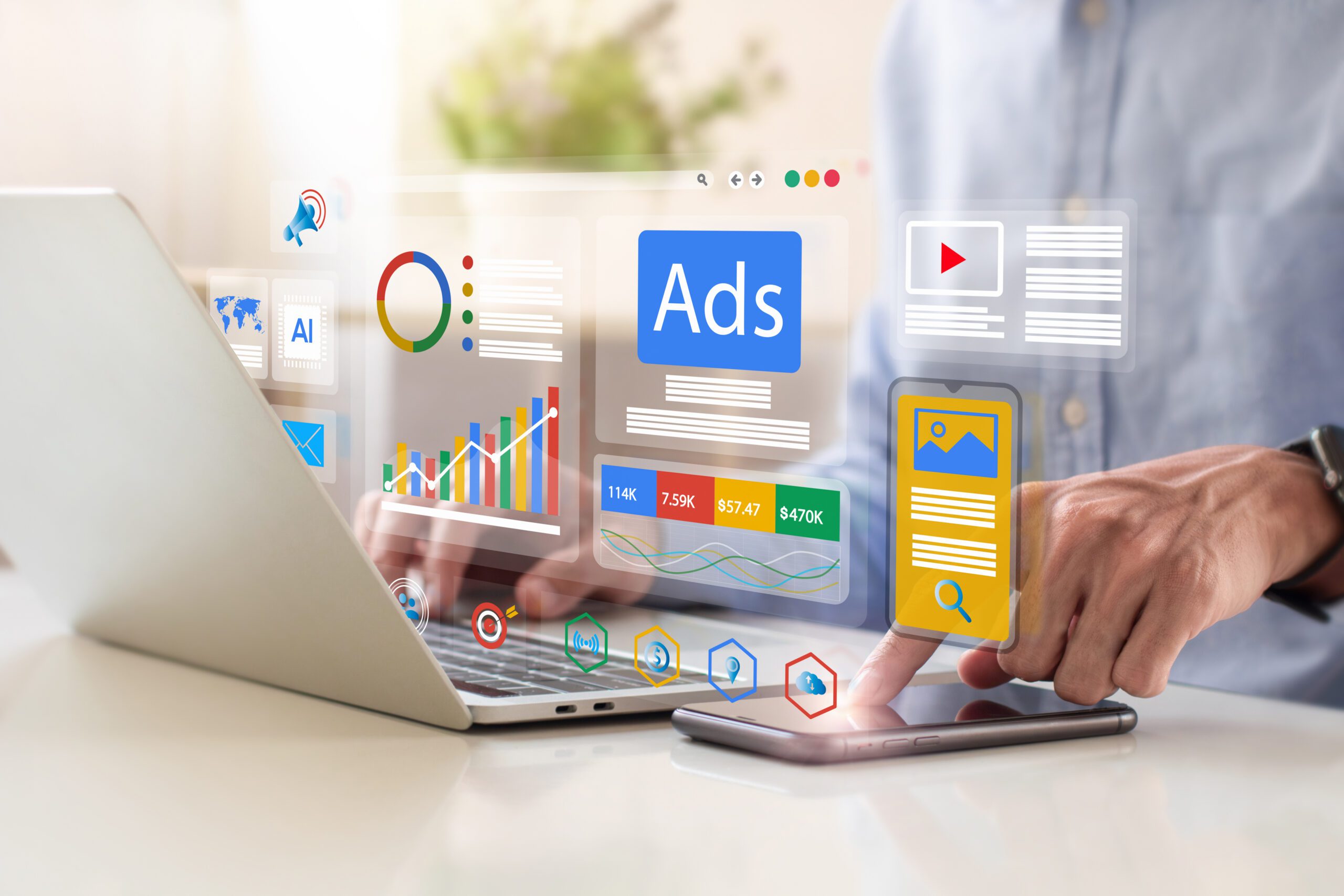
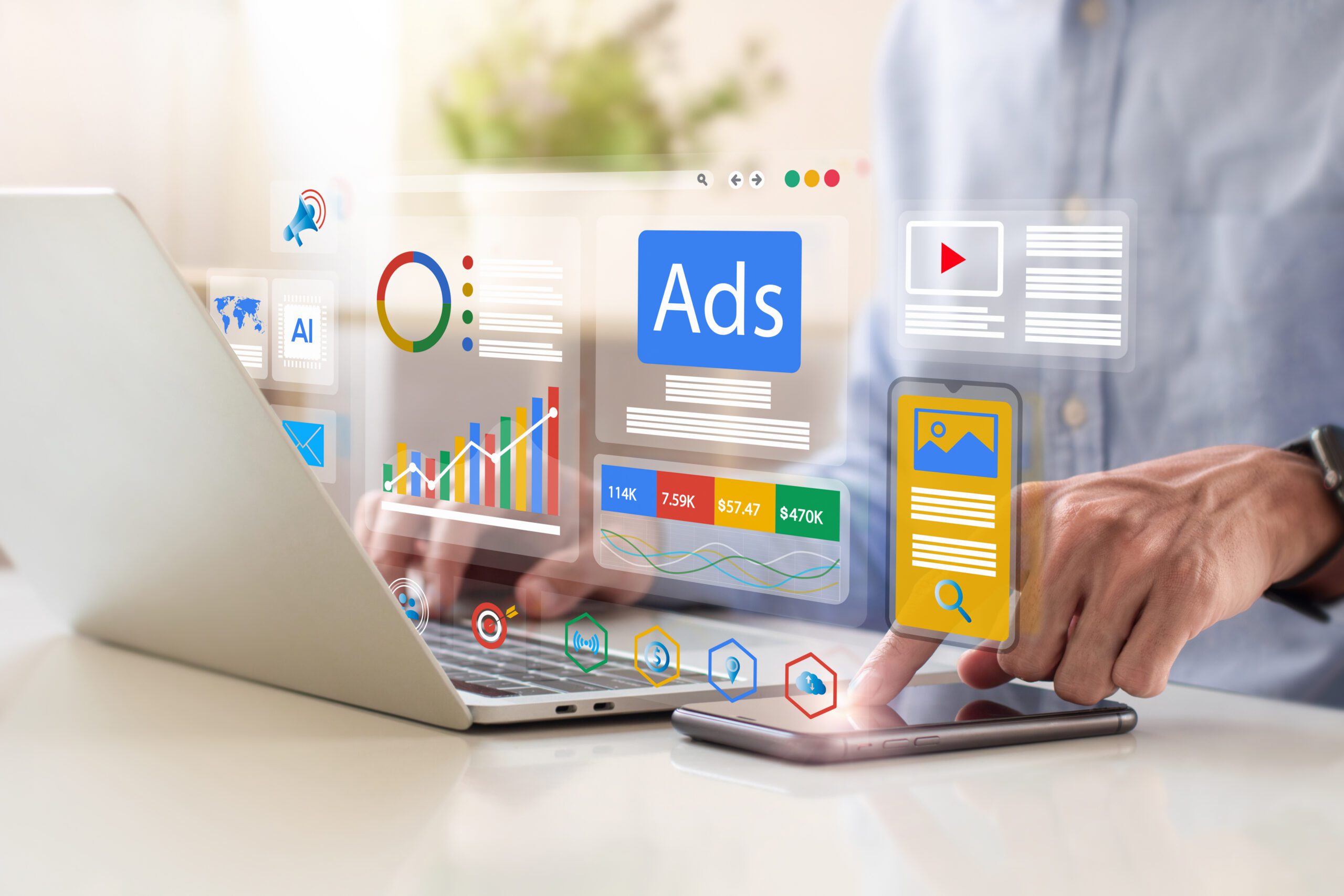 Imagine you are steering a ship across a vast, shifting ocean. Your map is your strategy, your sails are your creative assets, and the wind represents the market’s attention. In the past, sailors had to wait for the stars to align to know if they were on course. Today, we have the equivalent of high-definition sonar and GPS.
In the high-stakes world of modern business, simply “running ads” is a recipe for a quiet bank account. The real magic happens in the refinement.
Imagine you are steering a ship across a vast, shifting ocean. Your map is your strategy, your sails are your creative assets, and the wind represents the market’s attention. In the past, sailors had to wait for the stars to align to know if they were on course. Today, we have the equivalent of high-definition sonar and GPS.
In the high-stakes world of modern business, simply “running ads” is a recipe for a quiet bank account. The real magic happens in the refinement.