
Category: Blog

  • Choosing the Best Omnichannel Marketing Platform for Smarter Campaign Management

    Choosing the Best Omnichannel Marketing Platform for Smarter Campaign Management

    Omnichannel Marketing Platform

    Why Businesses Need Better Omnichannel Systems

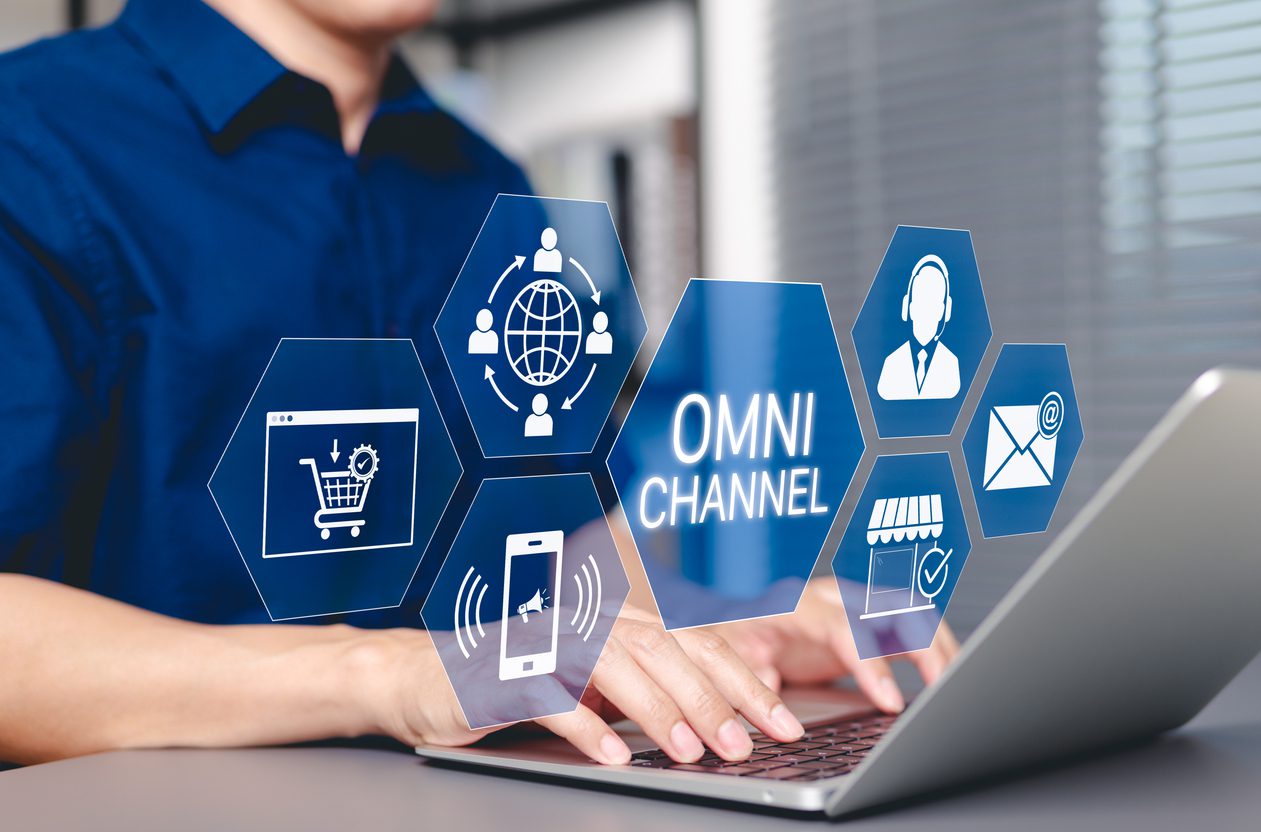
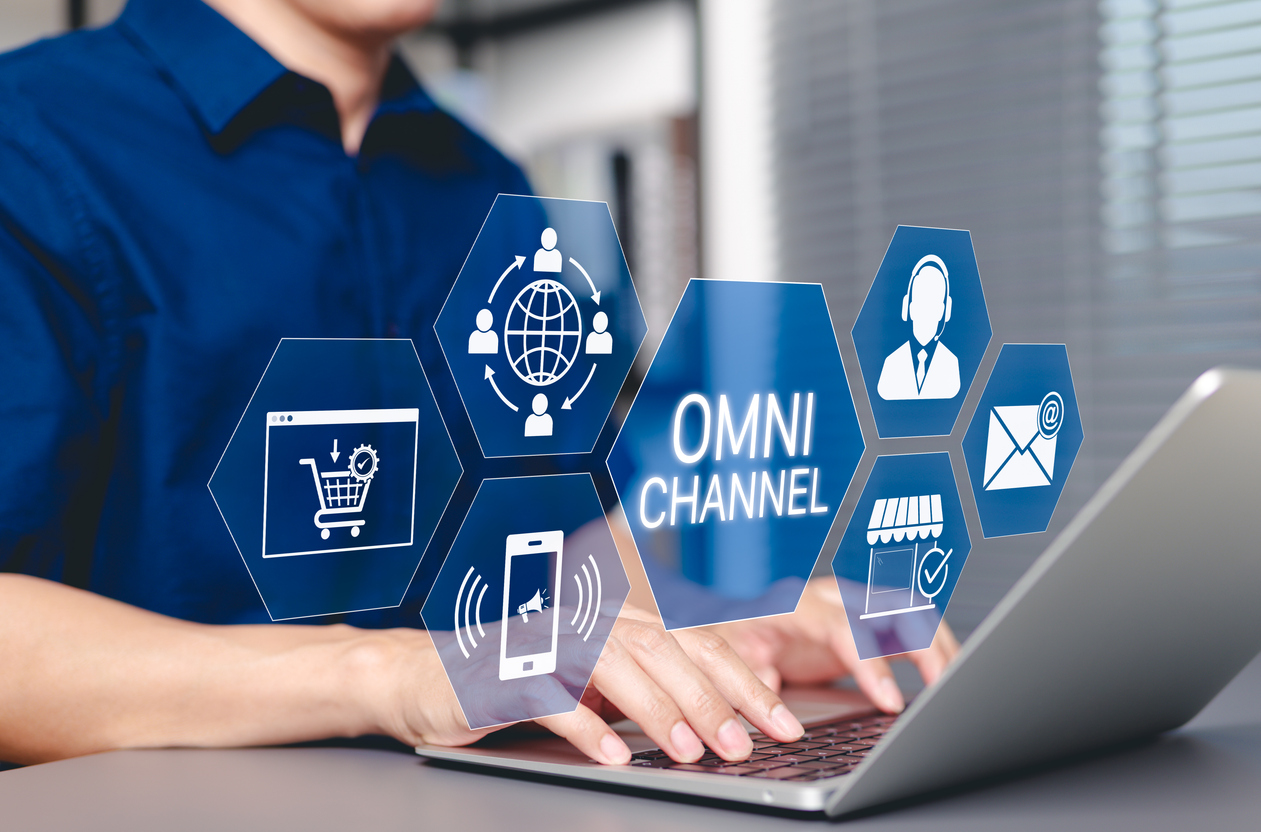
    Customers no longer interact with brands through a single channel. A buyer may discover a product on social media, research it through Google, sign up through email, and later make a purchase after seeing a retargeting ad. If those touchpoints feel disconnected, businesses lose engagement and trust.

    This is why choosing the right omnichannel marketing platform has become critical. Businesses need systems that connect communication, customer data, and campaign management into one organized experience.

    What Makes an Omnichannel Marketing Platform Important?

    An omnichannel marketing platform helps businesses manage customer communication across multiple channels from one centralized system.

    These platforms typically connect:

    • Email campaigns
    • Social media
    • SMS marketing
    • Paid advertising
    • CRM systems
    • Analytics and reporting
    • Customer support interactions

    The goal is not simply to run campaigns everywhere. The goal is to create a consistent customer experience across every touchpoint.

    Why Omnichannel Marketing Is Growing So Quickly

    Modern omnichannel marketing is driven by changing customer expectations. Consumers want businesses to remember preferences, maintain context, and respond quickly.

    Businesses benefit because omnichannel systems help:

    • Improve customer experience
    • Increase campaign efficiency
    • Strengthen customer retention
    • Reduce communication gaps
    • Create more personalized marketing

    Companies that fail to unify their messaging often struggle with fragmented customer journeys.

    Features Businesses Should Look For

    Not every platform is designed for long-term growth. Businesses should choose systems that support scalability, automation, and strong reporting.

    Important features include:

    Centralized customer data

    All customer interactions should be visible in one place.

    Multi-channel campaign management

    Businesses should manage email, social, SMS, and advertising together.

    Workflow automation

    Automated sequences reduce manual effort and improve response times.

    Analytics and attribution

    Detailed reporting helps businesses understand what drives engagement and conversions.

    AI-supported optimization

    Modern platforms increasingly use predictive insights and automation.

    Omnichannel Forecasting Helps Businesses Plan Smarter

    One major advantage of modern systems is omnichannel forecasting. Businesses can use data from multiple channels to predict customer behavior and improve decision-making.

    Forecasting can help businesses:

    • Predict customer demand
    • Improve campaign timing
    • Allocate budgets more effectively
    • Identify high-performing channels
    • Reduce wasted ad spend

    This gives businesses more control over future growth strategies.

    How an Omnichannel Marketing Strategy Improves Performance

    A strong omnichannel marketing strategy focuses on consistency and customer experience instead of isolated campaigns.

    Successful strategies usually include:

    • Consistent brand messaging
    • Personalized customer journeys
    • Coordinated communication across channels
    • Audience segmentation
    • Automated follow-up systems

    Businesses that align all communication channels often see stronger engagement and customer loyalty.

    Why Businesses Work With an Omnichannel Marketing Agency

    Managing multiple platforms internally can become difficult as campaigns scale. Many businesses work with an omnichannel marketing agency to simplify execution and improve performance.

    Agencies can help with:

    • Cross-channel campaign management
    • Automation setup
    • Data analysis
    • Audience targeting
    • Conversion optimization
    • Performance reporting

    An experienced agency can often identify inefficiencies that businesses may overlook internally.

    The Role of a Digital Marketing Company in Omnichannel Growth

    A modern digital marketing company does more than run ads or send emails. It helps businesses create connected systems that improve long-term customer engagement.

    Strong digital marketing partners focus on:

    • Customer journey optimization
    • Brand consistency
    • Data-driven decision making
    • Marketing automation
    • Conversion-focused campaign structure

    This broader approach helps businesses scale more efficiently.

    Common Problems Businesses Face Without Integration

    Businesses that use disconnected systems often encounter operational problems.

    Common issues include:

    • Inconsistent messaging
    • Duplicate customer communication
    • Poor lead tracking
    • Incomplete reporting
    • Delayed follow-ups
    • Fragmented customer experiences

    These problems reduce efficiency and weaken customer trust over time.

    How Nloop AI Helps Simplify Omnichannel Campaign Management

    Nloop AI helps businesses organize complex campaign management by centralizing automation, reporting, and performance insights into one system. Instead of relying on disconnected tools, businesses can track customer engagement, monitor campaigns, and improve forecasting from a unified platform. This allows teams to reduce inefficiencies, make faster decisions, and create more consistent customer experiences across channels.

    How Businesses Can Choose the Right Platform

    The best platform depends on business goals, audience size, and operational complexity.

    Businesses should evaluate:

    • Ease of integration
    • Reporting capabilities
    • Automation flexibility
    • Scalability
    • Customer support
    • AI and forecasting features
    • Multi-channel support

    Choosing the wrong platform can create unnecessary complexity and slow growth.

    The Future of Omnichannel Marketing Platforms

    Marketing platforms are evolving quickly as AI and automation become more advanced.

    Future trends include:

    • Predictive customer journey analysis
    • AI-assisted campaign optimization
    • More advanced personalization
    • Unified customer identity tracking
    • Real-time omnichannel forecasting

    Businesses that adopt smarter systems early will likely gain stronger long-term advantages.

    Frequently Asked Questions

    What is an omnichannel marketing platform?

    An omnichannel marketing platform helps businesses manage customer communication and campaigns across multiple channels from one centralized system.

    Why is omnichannel marketing important?

    Omnichannel marketing creates a more consistent customer experience across digital and offline touchpoints.

    What is omnichannel forecasting?

    Omnichannel forecasting uses data from multiple channels to predict customer behavior, campaign performance, and future trends.

    Why work with an omnichannel marketing agency?

    An agency can help businesses manage campaigns more efficiently and improve cross-channel strategy.

    How does a digital marketing company support omnichannel campaigns?

    A digital marketing company helps businesses integrate platforms, automate workflows, and improve customer engagement.

    Better Systems Create Better Customer Experiences

    Customers expect smooth, connected experiences regardless of where they interact with a brand. Businesses that rely on disconnected marketing systems often struggle to meet those expectations.

    By investing in the right omnichannel marketing platform, businesses can improve communication, simplify campaign management, and create stronger customer relationships.

    Ready to streamline your omnichannel strategy? Start building a smarter, more connected marketing system with support from Nloop AI today.
  • Organic Search Has Changed. Here’s What’s Actually Happening — and What to Do About It

    Organic Search Has Changed. Here’s What’s Actually Happening — and What to Do About It

    Generative Engines Are Reshaping Organic Search

    Picture this: a potential customer asks an AI assistant which software platform best fits their workflow. The tool responds with a confident, detailed answer — and your competitor’s name is in it. Yours isn’t. That customer never opens a browser tab. That’s not a hypothetical. That’s Tuesday.

    The rise of generative search engines has quietly restructured what it means to be “findable” online. And for brands still optimizing purely for click-through rates and keyword rankings, the gap between where they are and where they need to be is widening fast.

    What Generative Engines Are Actually Doing to Organic Traffic

    Generative search doesn’t work like traditional search. Instead of surfacing ten links and letting users decide, it synthesizes information from multiple sources and delivers a single, consolidated answer. The user gets what they need without ever scrolling through results.

    This creates a structural shift in organic traffic. Pages that once thrived on informational queries — “what is,” “how to,” “best way to” — are seeing reduced click volumes even when they rank well, because the AI has already answered the question above the fold.

    The businesses that understand this aren’t panicking. They’re pivoting toward generative engine optimization, the discipline of making your brand the source AI tools pull from, reference, and name.

    AI Brand Mentions: The New Currency of Digital Visibility

    In traditional SEO, a backlink from an authoritative site was gold. In the GEO era, an AI brand mention — your company name appearing in a generated AI response — carries comparable weight, but it’s earned differently.

    AI models reference brands they associate with credibility, consistency, and topical authority. That association is built through:

    • Volume and quality of third-party mentions — press coverage, analyst write-ups, industry roundups, podcast appearances
    • Clarity of positioning — brands that own a specific niche are cited more predictably than those with broad, vague messaging
    • Content that answers real questions — not just optimized content, but genuinely useful content that a model can summarize accurately

    This is where PR strategies and media management become SEO tools in a way they never quite were before. A well-placed feature in a trade publication doesn’t just build reputation anymore — it contributes directly to whether an AI system recognizes your brand as authoritative in a given category.

    Integrating GEO Into Your Brand Strategy

    Generative engine optimization brands integration isn’t a separate workstream bolted onto your existing marketing. Done right, it runs through everything — your content, your PR outreach, your social presence, your product descriptions.

    Here’s what that integration looks like in practice:

    • Align your messaging across every channel. AI models build brand associations from patterns. Inconsistent positioning across your website, press mentions, and social profiles creates a blurry picture. Consistent, specific messaging creates a sharp one.
    • Publish content that earns citations. Original research, named data points, and proprietary frameworks are the content types AI tools reference most reliably. A statistic you generated is more citable than one you borrowed.
    • Use PR offensively. Media placements in publications that AI models treat as credible sources aren’t just brand awareness plays — they’re GEO infrastructure. A strategic mention in the right outlet can do more for your AI visibility than a hundred optimized blog posts.
    • Structure every page for extraction. Headers, bullet points, defined terms, clear summaries — these aren’t just readability features. They’re the structural signals that make your content easy for a generative model to parse, summarize, and cite.

    Measuring Success and ROI in Generative Engine Optimization

    One of the honest challenges facing brands right now is that the metrics for measuring success and ROI in generative engine optimization are still evolving. Traditional dashboards don’t capture AI citations. You can rank first on Google and still be invisible to the user who asked Perplexity.

    Emerging measurement approaches worth tracking:

    • AI citation monitoring — tools that track whether and how often your brand appears in AI-generated responses
    • Brand query volume trends — if GEO efforts are working, branded search volume often rises as AI mentions drive awareness
    • Traffic source analysis — a decline in informational query traffic alongside stable or growing conversion traffic can signal that AI is handling top-of-funnel while your site handles consideration and decision stages
    • Share of voice in AI responses — how often your brand appears versus competitors when users ask AI tools about your category

    The generative engine optimization companies building measurement frameworks now will have a significant advantage as the space matures.

    How Nloop AI Helps Brands Navigate This Shift

    For businesses that want to move from confusion to clarity on this, Nloop AI offers something the market genuinely needs: a practical, performance-focused approach to the new visibility landscape. Rather than retrofitting old SEO tactics, Nloop AI builds generative engine optimization strategies from the ground up — combining content architecture, brand authority development, and AI-informed analytics to ensure your business earns the citations and mentions that drive real growth. Think of it less as an agency relationship and more as a competitive intelligence upgrade for your entire digital presence.

    FAQ: Generative Engines and Organic Search

    Do generative engines replace Google?

    Not entirely — but they’re changing user behavior significantly. Many informational queries are now resolved in AI tools before a Google search happens.

    How do I know if my brand is being cited by AI?

    Specialized AI monitoring tools can track mentions in generative responses. Manual testing — querying AI tools with category-relevant questions — is a useful starting point.

    Is generative engine optimization only for large brands?

    No. Niche brands with deep topical authority are frequently cited ahead of larger, broader competitors. Specificity is an advantage in GEO.

    How do PR and media management connect to GEO?

    Publications that AI models treat as credible sources pass authority to the brands they mention. Strategic media placements are now a direct input to AI visibility.

    The Window for Early Advantage Is Open — But Not Forever

    The brands appearing in AI-generated answers six months from now are building that presence today. Connect with Nloop AI to develop a generative engine optimization strategy that turns your content, PR, and brand authority into compounding visibility — before your competitors do.

  • Your Brand Might Be Invisible to AI — Here’s How to Find Out

    Your Brand Might Be Invisible to AI — Here’s How to Find Out

    AI brand mentions

    Most marketing dashboards track impressions, clicks, and conversions. None of them tells you whether an AI assistant mentioned your brand this week when someone asked for a recommendation in your category.

    That’s a blind spot that’s growing more expensive every month.

    As AI-powered tools become the first stop for product research, service comparisons, and vendor discovery, how to measure company presence in generative engine recommendations has gone from a niche technical question to a core business concern. The challenge is that most businesses don’t have a system for it yet — and the ones building one now are pulling ahead fast.

    Why Measurement in GEO Is Different From Traditional Analytics

    Standard analytics tell you what happened after a user arrived at your site. Generative engine optimization measurement tells you something earlier and more fundamental: whether your brand is even in the conversation that leads users to make a decision.

    A user who asks an AI tool “Which project management platforms are best for creative agencies?” and receives a response that doesn’t include your brand may never visit your site, run a direct search, or see your ads. The gap happens upstream — before any tracking pixel fires.

    This is why measuring success and ROI in generative engine optimization requires a different framework entirely. You’re not measuring what happens on your website. You’re measuring how visible your brand is inside AI-generated answers.

    How to Actually Track AI Brand Mentions

    AI brand mentions are the clearest signal of GEO performance, but they require intentional monitoring. Here’s a practical approach:

    Manual query testing is the starting point. Build a list of 20–40 questions your target customers are likely to ask AI tools — phrased conversationally, the way real people type. Run those queries weekly across ChatGPT, Perplexity, Google AI Overviews, and any other AI tool your audience uses. Note when your brand appears, what context surrounds the mention, and which competitors are named instead.

    Tracking branded search volume trends is an indirect but useful signal. When AI tools mention your brand in responses, some users follow up with a direct search to learn more. A rising trend in branded queries — even as overall traffic sources shift — can indicate growing AI-driven awareness.

    Share of voice in AI responses is the metric that matters most. When you query tools about your category, how often does your name appear versus competitors? Over a rolling 90-day period, that ratio tells you whether your GEO efforts are gaining or losing ground.

    Third-party monitoring tools are emerging specifically for this space. Platforms designed to track AI citation frequency are developing quickly — connecting these to your broader brand awareness metrics creates a more complete picture of AI-era visibility.

    Measuring ROI: Connecting AI Visibility to Business Outcomes

    Measuring success and ROI in generative engine optimization is partly quantitative and partly about leading indicators. The direct attribution chain — AI mentions to site visit to revenue — is still developing as tools evolve. But these proxy signals are meaningful right now:

    • Inbound lead source shifts — Are more qualified leads coming in who already know your brand name, your positioning, and your differentiation without having clicked a traditional ad? That often signals AI-driven awareness.
    • Sales cycle compression — Prospects who found you through AI recommendations tend to arrive better informed. If your sales team reports shorter discovery phases, AI visibility may be contributing.
    • Branded query growth — Month-over-month increases in direct brand searches, independent of paid campaign activity, frequently correlate with growing AI citation volume.
    • Content citation patterns — Which specific pages or pieces of content are being referenced in AI responses? These pages deserve ongoing investment and freshness.

    Generative Engine Optimization Brands Integration: Making Measurement Systematic

    The businesses that measure best are the ones that have built generative engine optimization brands integration into their existing marketing operations — not as a standalone experiment, but as a structured pillar of how they track presence and authority.

    Practically, this means:

    • Adding AI query testing to weekly or monthly marketing reviews
    • Including AI mention frequency alongside traditional brand awareness metrics in reporting
    • Tagging content by topic cluster and tracking which clusters earn the most AI citations
    • Creating feedback loops between GEO measurement findings and content strategy — so the insights from monitoring directly inform what you publish next

    Generative Engine Optimization companies that take this integrated approach consistently outperform those treating GEO as an ad hoc experiment. Measurement turns visibility from a guess into a managed, improvable outcome.

    How Nloop AI Brings Precision to a Process Most Businesses Are Still Figuring Out

    For marketing teams that want to move from manually testing AI queries in a spreadsheet to having a real competitive intelligence system, Nloop AI offers a distinct advantage. Built specifically for the demands of AI-era brand growth, Nloop AI combines generative engine optimization strategy with the kind of measurement infrastructure that turns “we think we’re showing up more” into documented, reportable progress. It’s the difference between watching a dashboard and actually understanding what drives the numbers — with a team that keeps the methodology sharp as AI tools themselves continue to evolve.

    FAQ: Measuring Brand Presence in Generative Engine Recommendations

    What is generative engine optimization?

    GEO is the process of optimizing your brand’s content and authority so AI-powered search tools cite, reference, and recommend your business in their generated responses.

    How do I know if my brand is being mentioned by AI tools?

    Manual query testing — running category-relevant questions through tools like ChatGPT and Perplexity — is the most direct approach. Specialized AI monitoring platforms are also emerging to automate this tracking.

    What’s the best ROI metric for GEO?

    Currently, the most useful signals are AI mention frequency, branded search volume trends, qualified lead source quality, and sales cycle length changes. Direct attribution is still maturing.

    How often should I test my brand’s AI visibility?

    Weekly testing with a consistent query set gives the most useful trend data. Monthly is sufficient for businesses in lower-competition categories.

    Do AI brand mentions actually drive business results?

    Evidence from emerging GEO case studies suggests yes — primarily through increased brand awareness, faster sales cycles with better-informed prospects, and growing branded search volume driven by AI-prompted discovery.

    Start Measuring Before Your Competitors Build the Lead

    The businesses with the clearest view of their AI presence right now will be the ones making the smartest content and positioning decisions six months from now. That compounding advantage starts with measurement.

    Connect with Nloop AI today and build the generative engine optimization measurement system your brand needs to compete — and win — in the AI-driven search landscape.

  • Why Buying Display Ads Manually Is Costing You More Than You Realize

    Why Buying Display Ads Manually Is Costing You More Than You Realize

    Programmatic Display Marketing

    Every digital marketer has placed a display ad the old way — negotiate placement, agree on pricing, upload a creative, and hope the audience you were sold on actually shows up. Sometimes it works. Often, you’re paying premium rates to reach people who were never going to convert, on inventory that sounded better in the pitch than it performed in reality.

    Programmatic display marketing replaces that guesswork with data-driven precision. Instead of buying placements, you’re buying audiences — and the system finds them wherever they are across the web in real time, at the most efficient price available.

    The difference in results between brands that have made this shift and those still running manual placements is becoming harder to ignore.

    What Display Programmatic Advertising Actually Means

    Breaking Down the Mechanics

    Display programmatic advertising is the automated buying and selling of digital ad inventory through real-time bidding systems. When a user loads a webpage, an auction happens in milliseconds — advertisers bid for the right to show that specific user an ad, based on who that user is rather than where they’re browsing.

    The process involves three key components working together:

    • Demand-Side Platforms (DSPs) — the tools advertisers use to set targeting parameters, budgets, and bid strategies
    • Supply-Side Platforms (SSPs) — the tools publishers use to make their inventory available to buyers
    • Ad Exchanges — the marketplaces where DSPs and SSPs connect, and auctions are executed in real time

    What makes this powerful is the targeting layer. Programmatic display marketing allows advertisers to reach users based on behavioral data, browsing history, purchase intent signals, demographic profiles, geographic location, and dozens of other variables — all applied simultaneously within a single campaign.

    Audience Targeting in Programmatic Display: Beyond Basic Demographics

    Who You Reach Matters More Than Where You Show Up

    The most common mistake brands make in display programmatic advertising is treating it like a fancier version of buying banner placements. It isn’t. The inventory is almost secondary — what matters is the audience data layered onto it.

    Effective programmatic targeting strategies include:

    Contextual targeting with audience overlay. Matching your ad to relevant content is valuable. Matching it to a user who has already demonstrated relevant interest — through search history, purchase behavior, or content engagement — is dramatically more valuable. Combining both produces the strongest results.

    In-market audience segments. Most programmatic platforms offer pre-built in-market segments: users currently researching products or services in specific categories. For brands selling considered purchases — vehicles, software, financial products, home services — targeting in-market segments compresses the sales cycle significantly.

    Custom intent audiences. Building audiences from specific keyword search histories allows advertisers to reach users who have recently searched terms directly related to your product or service. This brings search intent data into a display environment — capturing high-intent prospects before they’ve found a competitor.

    Sequential messaging. Serving different creatives to the same user based on their stage of engagement — awareness, consideration, decision — is a tactic that manual display buying can’t execute at scale. Programmatic makes it systematic and measurable.

    Franchise Programmatic Display: Managing Multi-Location Complexity

    One Brand, Many Markets, Consistent Execution

    Franchise programmatic display presents a specific operational challenge: maintaining national brand consistency while enabling location-level relevance and budget control. Franchisors need brand-safe creative and message alignment. Franchisees need local targeting and the ability to compete in their specific market.

    Modern programmatic platforms solve this through tiered campaign structures — a national brand layer sets creative guidelines and handles broad awareness, while location-specific campaigns run simultaneously with geo-targeting, local landing pages, and budget control at the individual franchisee level.

    The key metrics that matter most in franchise programmatic campaigns are local store visit attribution, per-location cost per lead, and brand impression share within defined trade areas. These allow franchisors to identify which locations are winning in their markets and which need campaign adjustments — with the granularity that traditional display buying simply doesn’t provide.

    Working With a Programmatic Display Marketing Agency

    What to Look for and What to Ask

    Choosing a programmatic display marketing agency is a different decision from choosing a creative or media agency. The technical depth matters as much as the strategic thinking. Before committing, the questions worth asking are direct:

    • Which DSPs do you access, and do you have direct relationships or are you buying through an intermediary?
    • How do you handle brand safety — what controls prevent ads from appearing next to inappropriate content?
    • What attribution models do you use, and can you connect campaign exposure to actual business outcomes beyond clicks?
    • How granular is your reporting, and how frequently will we see performance data?

    A strong digital marketing company operating in programmatic should be able to answer these questions specifically — not with generalities about scale and reach.

    How Nloop AI Gives Programmatic Advertisers a Measurable Edge

    The technical infrastructure of programmatic is accessible to most marketers. The strategic intelligence to use it well — knowing which audience combinations to test, which creative signals drive performance, and how to optimize bidding strategies as campaigns accumulate data — is where most teams fall short. Nloop AI brings that intelligence layer to programmatic display campaigns, combining machine learning-driven optimization with strategic human oversight to ensure budgets are working harder with every passing day. For brands that want their programmatic investment to produce compounding returns rather than flat performance, Nloop AI operates as the growth partner that closes the gap between potential and outcome.

    FAQ: Programmatic Display Marketing

    What is programmatic display advertising?

    It’s the automated buying of digital display ad inventory through real-time bidding systems, targeting specific audiences based on behavioral and demographic data rather than purchasing fixed placements.

    How is programmatic display different from traditional display advertising?

    Traditional display buys placements — specific websites or ad positions. Programmatic buys audiences — reaching defined users wherever they are across the web, in real time, at auction-determined prices.

    What data is used in programmatic audience targeting?

    A combination of first-party data (your own customer and website visitor data), second-party data (partner data sharing), and third-party data (behavioral, demographic, and in-market segments from data providers).

    Is programmatic display suitable for small businesses?

    Yes. Minimum budgets have dropped significantly, and self-serve platforms make programmatic accessible to businesses of all sizes. The efficiency advantages are actually proportionally greater for smaller budgets, where waste matters more.

    How do I measure success in programmatic display campaigns?

    Beyond clicks and impressions, effective measurement includes view-through conversions, brand lift studies, foot traffic attribution for physical locations, and cross-device attribution connecting display exposure to downstream conversions.

    What is franchise programmatic display?

    A tiered programmatic campaign structure that maintains national brand consistency while enabling location-level targeting, budget control, and performance measurement for individual franchise locations.

    The Inventory Was Always There — It’s the Intelligence That Changes Everything

    Programmatic display marketing has made the entire open web a targetable advertising environment. The brands winning in that environment aren’t simply those with the largest budgets — they’re the ones with the sharpest audience intelligence, the most disciplined creative testing, and the attribution infrastructure to know what’s actually driving results.

    Connect with Nloop AI today and build the programmatic display strategy that puts your brand in front of the right people, at the right moment, with the measurable outcomes your business needs to grow.

  • Generative Engine Optimization and AI Solutions: Redefining How Brands Get Discovered

    Generative Engine Optimization and AI Solutions: Redefining How Brands Get Discovered

    Generative Engine Optimization and AI Solutions for Growth

    Search is no longer just about keywords and rankings. People now expect answers, insights, and recommendations delivered instantly by intelligent systems. As AI-driven platforms become a primary source of information, businesses must rethink how they show up in these environments. This shift has led to the rise of generative engine optimization, a strategy designed to help brands remain visible and credible within AI-generated responses while aligning with modern digital behavior.

    Understanding Generative Engine Optimization in an AI-First World

    Generative engine optimization focuses on how content is interpreted, selected, and surfaced by AI-powered search engines and assistants. Instead of ranking pages alone, these systems generate responses by pulling from multiple trusted sources, summarizing knowledge, and presenting it in conversational formats.

    To succeed, brands must structure content in ways that generative AI can clearly understand. This includes strong topical relevance, authoritative signals, and context-rich explanations that match user intent. The goal is to become a trusted reference within AI outputs, not just a clickable result.

    The Role of Generative AI in Modern Search Experiences

    Generative AI has transformed how information is delivered. Rather than directing users to ten possible links, AI systems analyze intent and present synthesized answers. This makes accuracy, clarity, and expertise more important than ever.

    For brands, this means content must go beyond surface-level optimization. It should answer real questions, provide depth, and demonstrate credibility. When generative AI recognizes a source as reliable, it is more likely to incorporate that brand into its responses, increasing visibility without relying solely on traditional rankings.

    Generative Engine Optimization vs Search Engine Optimization

    Search engine optimization remains a critical foundation, but it is no longer enough on its own. Traditional SEO focuses on technical structure, backlinks, and keyword placement. Generative engine optimization builds on this by prioritizing semantic clarity, structured data, and authoritative content clusters.

    While SEO helps search engines find and index content, generative-focused strategies help AI systems understand meaning and context. Together, they create a stronger presence across both classic search results and AI-generated answers.

    Digital Marketing Strategies in a Generative Search Era

    Modern digital marketing must account for how AI influences discovery and decision-making. Content marketing, brand messaging, and audience targeting all play a role in how AI systems evaluate relevance.

    Brands that align their digital marketing efforts with generative search principles create consistent signals across platforms. This consistency helps AI engines identify expertise and trustworthiness, improving the likelihood of being referenced when users seek answers or recommendations.

    Real-Time Forecasting and Smarter Decision Making

    AI-driven platforms increasingly rely on real-time forecasting to predict trends, user behavior, and demand shifts. For businesses, this creates new opportunities to adapt content and strategy dynamically.

    By using AI insights to anticipate what audiences are searching for, brands can create timely, relevant content that aligns with emerging intent. When paired with generative optimization strategies, real-time forecasting helps organizations stay ahead of competitors and remain relevant in fast-moving markets.

    Multicultural Marketing in AI-Generated Search Results

    AI systems are becoming more sensitive to cultural context, language differences, and regional relevance. This makes multicultural marketing a powerful advantage in generative search environments.

    Brands that create inclusive, culturally aware content are more likely to resonate with diverse audiences and AI systems alike. Addressing different perspectives, languages, and experiences improves relevance and expands reach. In generative responses, this cultural alignment helps AI deliver more accurate and meaningful information to users.

    Building Authority Through Content Structure and Trust Signals

    Authority is one of the strongest factors influencing whether AI systems reference a brand. Clear content structure, consistent messaging, and expert-driven insights all contribute to stronger trust signals.

    Well-organized pages with clear headings, concise explanations, and supporting context are easier for AI to interpret. Over time, this structure reinforces topical authority, making a brand more visible within generative outputs.

    How AI Solutions Support Generative Engine Optimization

    AI solutions play a vital role in executing and scaling generative-focused strategies. They help analyze content gaps, identify semantic relationships, and measure how content performs across AI-driven platforms.

    Advanced tools can also assist with content optimization, forecasting performance trends, and refining messaging based on real user behavior. These capabilities allow businesses to move from reactive optimization to proactive strategy, strengthening long-term visibility.

    Why Nloop AI Can Accelerate Business Growth

    A forward-thinking AI partner can make a significant difference in navigating this new landscape. Nloop AI brings together data intelligence, predictive modeling, and automation to help brands adapt to generative search environments more effectively.

    By combining real-time forecasting with AI-driven insights, Nloop AI enables businesses to understand emerging trends, optimize content structure, and align digital strategies with how AI systems surface information. This approach helps organizations move faster, make smarter decisions, and build sustainable visibility in AI-powered search.

    Preparing for the Future of Search and Discovery

    Generative search is not a temporary shift. As AI continues to shape how people find information, brands must evolve their strategies to remain competitive. Generative engine optimization provides a framework for doing exactly that, ensuring content is discoverable, understandable, and trusted by AI systems.

    When combined with strong search engine optimization, inclusive multicultural marketing, and data-driven digital marketing strategies, it creates a powerful foundation for long-term growth.

    Take the Next Step Toward AI-Ready Visibility

    The future of search belongs to brands that understand how AI thinks, predicts, and communicates. Generative engine optimization helps businesses earn visibility where decisions are increasingly made based on AI-generated answers.

    If you want to stay ahead in an AI-first digital landscape, now is the time to act. Partnering with an advanced solution like Nloop AI can help you turn generative search into a growth opportunity. Start building AI-ready visibility today and position your brand for the next era of digital discovery.

  • Entity-Driven GEO: How Agencies Create AI-Ready Brand Ecosystems

    Entity-Driven GEO: How Agencies Create AI-Ready Brand Ecosystems

    GEO - AI-Ready Brand Ecosystems

    Search is no longer a list of blue links. AI answer engines now interpret meaning, relationships, and authority—not just keywords. This shift has sparked a new approach known as Entity-Driven GEO, where brands optimize not only for traditional SEO but also for the semantic connections that generative AI models rely on.

    For marketing teams and every forward-thinking digital marketing agency, entity-driven strategies have become the gateway to visibility across AI assistants, chat interfaces, visual platforms, and voice search. It’s no longer about ranking; it’s about being understood.

    Below is a deep dive into how agencies build AI-ready ecosystems using structured entities, knowledge graphs, real-time forecasting, and the evolving principles of Generative Engine Optimization.

    Understanding Entity-Driven GEO in the Age of AI Search

    Generative AI engines interpret data through relationships—entities, attributes, context, and credibility. Entity-Driven GEO ensures a brand is positioned not as a webpage but as a recognizable entity with a clear identity, purpose, and relevance.

    Why Entities Replace Keywords as the Foundation of Search

    Keywords still matter, but AI goes beyond them. It looks for:

    • People, places, products, and organizations
    • Relationships between these entities
    • Verified facts and trusted sources
    • Consistent patterns across channels

    Agencies build structured digital footprints so AI systems recognize a brand as a knowledge-rich source worth citing.

    How Entities Create AI-Ready Content Ecosystems

    AI prefers content that answers questions with clarity, context, and structured meaning. Entity-Driven GEO provides the architecture needed to make this possible:

    • interconnected pages tied to brand entities
    • enriched metadata and schema
    • answer-first content formats
    • structured knowledge clusters
    • validated citations across digital channels

    This ecosystem gives AI a high-confidence path when generating responses.

    The Role of Generative Engine Optimization in Entity Strategy

    GEO is the evolution of search optimization in the generative era. It focuses on preparing content for AI models that surface direct answers instead of ranking pages.

    How Generative Engine Optimization Supports Entity Mapping

    Brands use GEO to:

    • structure information in machine-readable formats
    • eliminate ambiguity in naming, attributes, and categories
    • establish factual authority
    • build consistent multi-platform identity signals
    • prepare content for retrieval by AI systems

    GEO ensures a brand is not only indexed but also interpreted correctly inside generative engines.

    Why GEO Enhances Multichannel Marketing

    When entities are clearly defined and consistently represented, they become powerful assets inside a multichannel marketing strategy. Consistent entity signals across:

    • websites
    • business listings
    • reviews
    • social platforms
    • videos
    • product catalogs

    …ensure AI systems see a brand as unified, credible, and trustworthy.

    This alignment is exactly what a modern multichannel marketing agency works to build: identity consistency that earns visibility across every search surface.

    How Digital Marketing Agencies Build AI-Ready Brand Ecosystems

    Entity-driven GEO cannot be an afterthought. It must be engineered intentionally. Agencies now architect “brand ecosystems” designed for AI ingestion and retrieval.

    Below are the core components.

    Step 1 — Entity Discovery & Knowledge Architecture

    Every ecosystem begins with auditing the brand’s identity across digital platforms.

    Mapping the Core Entity

    Agencies define:

    • the organization
    • its key products or services
    • its people
    • its locations
    • its differentiators

    These become the primary nodes in the brand’s semantic network.

    Building Entity Relationships

    AI systems thrive on relationship clarity. Agencies connect entities using:

    • internal linking
    • schema markup
    • citations and references
    • supporting documents
    • topic clusters

    This creates a knowledge graph that AI can navigate.

    Step 2 — Content Structuring for GEO and Entity Reinforcement

    To support Generative Engine Optimization, agencies restructure content into formats AI easily consumes.

    GEO-Optimized Content Frameworks

    These frameworks include:

    • answer-first paragraphs
    • machine-readable FAQs
    • RAG-ready data points
    • definitions and entity descriptors
    • structured comparison tables

    AI search engines retrieve this content cleanly and confidently.

    Multichannel Content Reinforcement

    Entity-driven content isn’t limited to websites. A digital marketing agency amplifies it across:

    • YouTube
    • local listings
    • social profiles
    • blog ecosystems
    • podcasts
    • industry directories

    Repeating consistent entity signals strengthens the brand’s digital identity.

    Step 3 — Integrating Real-Time Forecasting Into Entity Strategies

    One of the biggest advantages of combining GEO with entity-driven architecture is the ability to implement real-time forecasting.

    Predicting Search Demand Before It Peaks

    Agencies analyze:

    • trending questions
    • evolving consumer behavior
    • seasonal demand patterns
    • emerging industry terminology

    This ensures content is created before AI answer engines begin referencing competing sources.

    Forecasting Entity Relationships

    As new products launch, new locations open, or new customer needs appear, forecasting helps agencies expand entity networks in advance—preserving visibility across AI ecosystems.

    Step 4 — Cross-Platform Verification in a Multichannel Marketing Ecosystem

    AI engines verify entities by scanning consistency across platforms.

    Why Cross-Platform Identity Matters

    If a brand’s details vary across:

    • websites
    • directories
    • review platforms
    • social channels

    AI may see the brand as unreliable or fragmented.

    A Multichannel Marketing Agency Creates Unified Digital Proof

    Agencies create:

    • clean NAP (name, address, phone) data
    • unified schemas
    • synchronized product data
    • consistent messaging
    • coherent review and reputation signals

    The more consistent the signals, the better AI recognizes and cites the brand.

    Step 5 — RAG Integration for AI Retrieval Systems

    Entity-driven GEO becomes even more powerful when paired with Retrieval-Augmented Generation.

    RAG as the Brand’s Verified Knowledge Engine

    RAG allows agencies to feed AI models structured, authoritative content:

    • product descriptions
    • FAQs
    • service pages
    • case studies
    • tutorials
    • policy documents

    This ensures AI assistants retrieve accurate brand-specific answers.

    Combining RAG With GEO for Maximum AI Visibility

    GEO structures the content.
    Entities define meaning.
    RAG supplies verified answers.

    Together, they create an unstoppable AI-ready ecosystem.

    The Future: Brand Ecosystems That Teach AI, Not Chase It

    Entity-driven GEO changes the game. Instead of chasing rankings or adjusting to algorithm updates, brands build ecosystems that train AI systems to understand them correctly.

    AI Search Favors Brands With Strong Entity Identity

    Brands with clear entity structures gain:

    • more AI citations
    • more answer inclusions
    • stronger visibility in no-click environments
    • better representation in conversational AI
    • enhanced E-E-A-T signals

    This approach outlines the future of search-driven brand growth.

    How Nloop AI Helps Businesses Build AI-Optimized Entity Ecosystems

    Nloop AI is engineered for the brands preparing for the next era of search. With advanced ingestion pipelines, entity mapping tools, automated content clustering, and dynamic real-time forecasting, Nloop empowers companies to build their own AI-ready ecosystems. Its capabilities simplify GEO implementation, automate data structuring, and streamline multichannel identity management—helping businesses grow faster, more intelligently, and with far less manual effort.

    The Brands That Win Are Those That Prepare for AI Now

    Entity-driven GEO is more than a strategy; it’s the foundation of how AI search works.

    Brands that build structured, intelligent digital ecosystems today will become the most visible, most trusted, and most cited tomorrow.

    A modern digital marketing agency gives businesses the tools to succeed across GEO, entity mapping, multichannel marketing, real-time forecasting, and AI-driven content organization.

    If you want your brand to stand out in the new world of AI-powered search, now is the moment to act. Explore Nloop AI and start building your AI-ready brand ecosystem today.

  • Why Brands That Ignore GEO Risk Lose Visibility

    Why Brands That Ignore GEO Risk Lose Visibility

    Why Brands That Ignore GEO Risk Lose Visibility

    Why Generative Engine Optimization Is Becoming Non-Negotiable

    Search is no longer a simple question-and-answer interaction. AI engines, predictive models, and conversation-driven interfaces have reshaped how people discover brands. Generative Engine Optimization is now one of the most important growth levers because it ensures your brand shows up in AI-generated answers, summaries, and suggestions.

    Brands that fail to embrace this shift lose visibility—not just in traditional search engines but across the entire AI-powered discovery ecosystem. Whether consumers are using voice assistants, chat-based engines, or visual search platforms, GEO-readiness determines whose content gets surfaced and whose story disappears into the noise.

    How Discovery Has Shifted and Why GEO Matters

    The way users “search” today often looks nothing like typing a keyword into a search bar. People ask full questions. They expect instant clarity. They assume AI engines will do the heavy lifting.

    Generative Engine Optimization ensures your brand becomes part of this new conversation by feeding AI engines accurate, structured, and contextualized information. With GEO, content becomes retrievable, relevant, and ranked–even in environments where links don’t exist and answers are generated on the fly.

    Ignoring GEO means your content gets overlooked when AI engines stitch together responses from multiple sources. Instead of being the trusted authority, your brand becomes an afterthought.

    Why Relying Only on Traditional SEO Is No Longer Enough

    SEO has always been a moving target, but the shift toward AI-driven results represents one of the biggest disruptions yet. Google, Bing, Perplexity, Meta AI, and countless emerging engines generate answers instead of displaying long lists of links.

    If your brand isn’t optimized for this new environment, AI engines won’t know how to reliably pull your information. Missing entities, inconsistent writing, weak structure, or outdated metadata can all break your visibility. GEO ensures your content is prepared for AI ingestion, semantic understanding, and retrieval—something traditional SEO alone cannot accomplish.

    The Visibility Risks Brands Face When They Ignore GEO

    When brands sit out on this evolution, the impact isn’t subtle—it’s immediate, compounding, and often difficult to reverse. Here are the biggest risks of ignoring Generative Engine Optimization:

    Loss of Rankings Across AI-Powered Platforms

    Even if your website ranks well on traditional SERPs, AI engines may still fail to include your brand in answer boxes, conversational responses, or summarized results. GEO ensures entity consistency, content clustering, and structured relevance—all key signals for AI-driven visibility.

    Decrease in Organic Traffic and Brand Recall

    AI-generated answers reduce clicks, which means brands must fight harder to earn visibility in zero-click environments. Without GEO, your brand becomes invisible at the top of the funnel, shrinking both traffic and recall.

    Missed Opportunities with Predictive Search

    Many engines use real-time forecasting to predict user intent and deliver answers before the user even completes the query. If your brand isn’t optimized for predictive relevance, competitors will fill the gap.

    Reduced Trust Across AI Channels

    AI engines prioritize sources that appear consistent, authoritative, and helpful. Content that lacks structure or clarity gets deprioritized, which directly affects your brand’s credibility in automated environments.

    Higher Spend on Paid Media to Compensate

    Without organic visibility, brands are forced to lean more heavily on paid placements. Over time, cost-per-click increases, budgets rise, and the business becomes dependent on ads rather than organic authority.

    Why GEO Must Be Integrated With Multichannel and Omnichannel Strategies

    Generative Engine Optimization isn’t a standalone tactic; it works best when combined with broader marketing systems.

    A modern omnichannel marketing agency or multichannel marketing agency understands that user journeys are fragmented across platforms, devices, and content types. GEO creates a consistent brand narrative that AI engines can easily identify, interpret, and surface across these environments.

    When GEO is layered into every touchpoint—web pages, blogs, FAQs, social posts, videos, and location-based content—it builds a unified ecosystem that supports brand visibility everywhere discovery happens.

    The Role of Real-Time Forecasting in GEO Visibility

    Real-time forecasting is becoming a central component of how AI engines determine what content to show. These systems evaluate:

    • Emerging conversations
    • Seasonal patterns
    • Historical demand
    • Local intent signals
    • Behavioral momentum

    When your GEO strategy integrates real-time forecasting insights, your content stays adaptable. It evolves with consumer behavior and positions your brand ahead of topics before they peak. This proactive approach makes AI engines more likely to surface your content because it remains relevant and timely.

    How Digital Marketing Partners Support GEO Success

    GEO is a multidisciplinary effort, and most brands benefit from guidance provided by strong digital marketing partners who understand how AI engines process information. Support often includes:

    • Structuring content for semantic relevance
    • Standardizing entities, locations, and brand facts
    • Building topic clusters and supporting assets
    • Enhancing metadata for AI readability
    • Ensuring channel consistency across all platforms

    Working with digital marketing partners that specialize in predictive search, entity modeling, and AI-driven optimization accelerates your brand’s readiness for a rapidly evolving discovery ecosystem.

    The Compounding Value of GEO in Long-Term Brand Growth

    Unlike traditional marketing tactics that fade once budgets stop, the benefits of GEO compound over time. As AI engines index and re-use your structured content, your brand develops stronger authority signals. Eventually, your information becomes the default answer for specific queries, categories, or topics.

    This leads to:

    • Sustained organic visibility
    • Higher consumer trust
    • Stronger brand memorability
    • Lower acquisition costs
    • Enhanced competitive insulation

    Brands that lean into Generative Engine Optimization now gain a head start that becomes extremely difficult for late adopters to overcome.

    How Nloop AI Helps Brands Accelerate GEO Readiness

    Many businesses struggle with the complexity of structuring, standardizing, and scaling AI-ready content. This is where Nloop AI steps in as a true performance catalyst. The platform transforms raw content into organized, intelligent, and highly retrievable data that AI engines can understand instantly.

    Nloop AI doesn’t just optimize content—it builds a semantic ecosystem around your brand, integrating GEO principles with entity clarity, knowledge mapping, and multi-platform consistency. By using Nloop AI, companies can modernize their digital footprint, gain predictable visibility, and create content frameworks that continuously adapt to evolving search environments.

    GEO Isn’t Optional—It’s the New Visibility Standard

    Ignoring Generative Engine Optimization is equivalent to ignoring search altogether. Consumers are shifting to AI-powered discovery, and brands that refuse to adapt will slowly fade from the conversation.

    GEO strengthens your authority. It ensures visibility across platforms. It prepares your brand for a future where answers—not links—dominate search behavior.

    Now Is the Time to Prioritize GEO

    AI engines are reshaping how consumers find information, evaluate brands, and make decisions. Waiting to adopt GEO only widens the gap between you and the competitors who are already optimizing for AI-powered search.

    Your next move should be clear: strengthen your structure, refine your content, and future-proof your brand with Generative Engine Optimization. If you’re ready to build an AI-ready ecosystem that scales your visibility, start your GEO transformation today and let Nloop AI guide the way.

  • How Multicultural Marketing Improves ROI Across All Advertising Channels

    How Multicultural Marketing Improves ROI Across All Advertising Channels

    Multicultural Marketing Improves ROI

    Consumers don’t fit into neat boxes anymore. Today’s audiences speak different languages, celebrate different cultures, follow different traditions, and respond to different types of messaging. For brands operating in this reality, the old “one-size-fits-all” approach delivers diminishing returns. What actually moves the needle is multicultural marketing—rooted in cultural understanding, inclusive messaging, and community-specific insights.

    This shift isn’t just about representation; it’s about business growth. Brands that work with a multicultural marketing agency consistently outperform their competitors because they speak to people in ways that feel authentic, relevant, and emotionally aligned. When that cultural fluency stretches across multiple advertising platforms, ROI rises rapidly and sustainably.

    This article breaks down why culturally intelligent marketing drives better results, how it strengthens every advertising channel, and why it’s becoming one of the most reliable growth strategies for modern brands.

    Understanding the ROI Impact of Multicultural Marketing

    Marketing success has always depended on emotional resonance, but multicultural audiences require deeper nuance. They respond to brands that understand their lived experiences, not those that simply translate content.

    A multicultural marketing agency is uniquely positioned to increase ROI because it helps brands connect with audience groups that are often underserved yet have strong purchasing power. Culturally aware campaigns consistently deliver:

    • Higher engagement and click-through rates
    • Increased repeat purchases and customer loyalty
    • Lower cost per acquisition
    • Stronger brand sentiment and trust
    • Better performance in both digital and traditional channels

    These outcomes don’t happen by accident. They happen because multicultural marketing recognizes that cultural identity plays a direct role in decision-making—and brands that honor this reality win.

    The Power of Cultural Relevance in Omnichannel Campaigns

    Why an Omnichannel Marketing Agency Uses Multicultural Insights for Better Performance

    Today’s customers experience brands across many touchpoints—social media, mobile apps, local events, streaming platforms, websites, retail stores, and more. An omnichannel marketing agency knows the key to improving ROI across these channels is consistency paired with cultural relevance.

    Multicultural insights enhance omnichannel campaigns by:

    • Tailoring creative messaging to cultural values
    • Refining visuals and content to reflect community identity
    • Customizing promotional strategies for regional and ethnic groups
    • Improving segmentation models for more accurate targeting

    When audiences feel seen, they become more engaged—leading to stronger campaign results across every channel in the mix.

    How a Multichannel Marketing Agency Leverages Diversity for Growth

    Multicultural Messaging Strengthens Each Channel Individually

    Different channels require different content structures, tones, and strategies. A multichannel marketing agency uses cultural intelligence to maximize performance platform by platform.

    Here’s how multicultural marketing improves ROI across common channels:

    Social Media Advertising

    Communities look for content that reflects their values and identity. Tailored visual styles, cultural references, and language-specific messaging dramatically boost engagement.

    Programmatic Display & Video

    Multicultural cues—music, imagery, color palettes—drive stronger emotional response, increasing view-through rates.

    Paid Search & Local SEO

    Many cultural communities use localized search terms related to heritage markets, foods, holidays, and community-specific needs. Capturing these keywords increases visibility.

    Email Marketing

    Segmented cultural content improves open rates and conversions because it feels personalized, not generic.

    OTT, Streaming Audio, and TV

    Cultural narratives make long-form ads more memorable and relatable, raising brand recall.

    Across all these channels, culturally grounded creativity increases campaign efficiency, which is why brands consistently lean on a multicultural marketing agency to keep ROI trending upward.

    Real-Time Forecasting Enhances Multicultural Audience Targeting

    Cultural behavior changes quickly—new trends emerge, holidays shift, communities evolve, and messages that worked a year ago may no longer resonate today. That’s why real-time forecasting has become essential in multicultural marketing.

    This capability allows brands to:

    • Track cultural trends and respond faster
    • Shift budgets to better-performing audience segments
    • Optimize messaging based on real-time engagement patterns
    • Predict seasonal and community-specific purchasing behavior
    • Avoid outdated cultural references or tone-deaf campaigns

    Real-time forecasting transforms multicultural marketing from reactive to proactive. Brands don’t just respond to cultural shifts—they anticipate them.

    The Role of Digital Marketing Partners in Culturally Driven Campaigns

    Collaboration That Elevates Results

    Cultural authenticity requires collaboration. Digital marketing partners bring strategic, creative, and analytical expertise that amplifies multicultural campaigns.

    These partners contribute by:

    • Offering data insights on regional and cultural audience groups
    • Enhancing content accuracy through linguistic and cultural review
    • Integrating multicultural narratives into full-funnel strategies
    • Ensuring creative concepts resonate across different digital ecosystems
    • Improving measurement and attribution for multicultural audiences

    When organizations work with diverse digital marketing partners, they gain a wider viewpoint—and that broader perspective translates into stronger performance and more efficient ad spend.

    Why Brands See Higher Loyalty With Multicultural Messaging

    Cultural Connection Builds Long-Term Value

    Loyal customers don’t just purchase repeatedly—they advocate for the brand. Multicultural marketing deepens loyalty by making customers feel understood and valued.

    Long-term ROI increases because:

    • Customers return to brands that reflect their identity
    • Communities share culturally aligned content with others
    • Trust builds faster when representation is embedded in creative
    • Users engage more with brands that honor their heritage
    • Customer lifetime value rises with emotional connection

    Loyalty is one of the most important contributors to ROI, and cultural alignment accelerates it.

    How Multicultural Marketing Strengthens Brand Reputation

    In today’s dynamic marketplace, inclusiveness shapes how people perceive brands. When organizations embrace multicultural marketing, they signal that they care about diverse communities—not just as buyers, but as people.

    A multicultural marketing agency helps brands:

    • Avoid cultural missteps
    • Create a genuine representation
    • Build positive sentiment across community groups
    • Strengthen credibility with younger generations
    • Improve brand image across all advertising channels

    Reputation has a direct financial impact. The stronger your brand is in diverse communities, the easier it becomes to grow, scale, and compete.

    How Nloop AI Helps Brands Elevate Their Multicultural Marketing Strategy

    Modern multicultural strategies require structured data, strong content organization, and AI-ready brand ecosystems. Nloop AI empowers brands by helping them transform their content into structured, machine-readable formats that improve performance across AI search engines, generative systems, and digital platforms. With features built for content clustering, automated entity structuring, and precision-driven insights, Nloop AI makes it easier for marketers to deliver culturally relevant messaging that scales across every channel. It assists teams by streamlining workflows, strengthening content quality, and improving overall marketing efficiency.

    Multicultural Marketing Is a Growth Engine for the Modern Brand

    Reaching diverse consumers is no longer optional—it’s essential for business expansion, long-term loyalty, and stronger ROI across advertising channels.

    A multicultural marketing agency provides the cultural fluency, community understanding, and creative nuance that brands need to succeed in today’s complex marketplace. When combined with omnichannel execution, multichannel strategy, real-time forecasting, and strong digital marketing partners, the result is a powerful growth engine that works across every platform.

    If you want your brand to grow faster, connect deeper, and outperform competitors, now is the time to embrace multicultural marketing as a core strategy.

    Start today—your future customers are waiting to be seen, heard, and valued.

  • How AI Search Engines Choose Which Sources to Cite – Insights from Recent GEO Research

    How AI Search Engines Choose Which Sources to Cite – Insights from Recent GEO Research

    How AI Search Engines Choose Citations

    AI-powered search has introduced a new era where answer engines—not just search engines—take the lead. These generative systems summarize, interpret, and contextualize content at lightning speed. But one question consistently rises to the surface: How do AI search engines decide which sources deserve to be cited?

    This question has become especially important as brands embrace Generative Engine Optimization, a discipline focused on preparing companies to show up in AI-generated answers. Understanding the mechanics behind citations is no longer optional—it is foundational for visibility in a world where AI summaries often replace traditional search results.

    This article explores the citation logic behind AI search tools, what determines source selection, and why GEO-driven content architecture matters more than ever.

    Why Citation Quality Matters in the Age of Generative Engine Optimization

    AI search engines don’t simply retrieve links. They generate answers based on probability, patterns, semantic mapping, and real-time context. When an answer engine chooses a source to cite, it signals:

    • Credibility
    • Relevance
    • Freshness
    • Topical authority

    Through the lens of Generative Engine Optimization, citations act as proof that a brand has achieved AI-readiness. This goes beyond ranking factors. It’s about becoming the preferred source of truth for large language models (LLMs) that power next-gen search experiences.

    The Core Signals AI Engines Evaluate Before Citing a Source

    AI models evaluate content through a dynamic and multi-layered framework. From GEO research, several clear patterns have emerged that influence citation choices.

    1. Entity Strength and Brand Clarity

    AI-based systems heavily rely on entities—people, places, products, organizations, and concepts. If a brand’s entity structure is incomplete, inconsistent, or weak, engines struggle to confirm its legitimacy.

    Strong entity signals include:

    • Unified brand descriptions across the web
    • Schema markup that reinforces identity
    • Consistent NAP (Name, Address, Phone) data
    • Topic-aligned content pillars

    This is also where support from a multichannel marketing agency becomes vital, ensuring entity accuracy across more than just a website.

    2. High Semantic Relevance Across Multiple Content Types

    Answer engines analyze content holistically. They evaluate whether your information matches user intent semantically—not just through keywords.

    Content clusters that help include:

    • Long-form articles
    • FAQ blocks
    • How-to guides
    • Case studies
    • Localized pages

    Through Generative Engine Optimization, these assets get structured into machine-readable, semantically aligned patterns that LLMs can interpret and cite.

    3. Real-Time Forecasting of Content Value

    AI systems don’t just scan the past—they predict.

    Modern models use real-time forecasting to evaluate which sources are likely to remain accurate or helpful in the near future. Sites that update regularly are more likely to be cited, especially for:

    • Pricing
    • Trends
    • Compliance
    • Tech advancements
    • Time-sensitive topics

    If a website hasn’t been updated recently, its forecasting score may drop, reducing the likelihood of citation.

    4. Trust Signals From Multichannel and Omnichannel Presence

    AI models look beyond the website. They analyze the entire digital footprint—social, local listings, PR, reviews, and external mentions.

    A brand supported by an omnichannel marketing agency naturally gains stronger trust signals because every channel reinforces the others. This helps AI engines determine whether the business is real, active, and authoritative.

    5. Source Diversity and Backlink Context

    Citations from AI engines cannot rely on biased, one-sided content pools. To ensure neutrality and accuracy, models seek diversity in source origins.

    Backlinks matter, but not just anchor text. AI examines:

    • Publisher authority
    • Geographic relevance
    • Historical trust
    • Topical alignment
    • Sentiment of the mention

    Large clusters of contextual backlinks increase the likelihood that an engine cites a source.

    6. Content Presentation and Accessibility

    AI engines prefer sources that are easy to parse:

    • Clean structure
    • Proper H tags
    • Logical flow
    • Clear headers
    • Machine-friendly formatting

    Here again, GEO research shows that properly structured content significantly improves citation probability.

    What GEO Research Reveals About Why Some Brands Are Cited, and Others Are Ignored

    GEO Insight #1: AI Prefers Brands With Robust Digital Identity

    Modern AI systems require confirmation from multiple data points. Brands with strong identity cohesion—website, business listings, social profiles, media features—tend to gain more citations.

    A partner-driven approach, involving coordinated teams like digital marketing partners, boosts overall visibility across these identity layers.

    GEO Insight #2: Engines Reward Brands That Support the Answer

    Search engines cite sources that reinforce their ability to answer complex questions. Brands that structure their content around:

    • consumer intent,
    • local relevance,
    • step-by-step clarity, and
    • well-defined solutions

    They are more likely to be used as references for generative answers.

    GEO Insight #3: Citations Favor Depth, Not Surface-Level Content

    Thin or generic content rarely gets selected. AI engines gravitate toward depth:

    • Detailed insights
    • Expert perspectives
    • Multi-level explanations
    • Context about why something matters

    Long-form content aligns with semantic mapping, making it easier for AI to extract context.

    GEO Insight #4: Engines Use Cross-Verification Before Citing

    AI engines prefer sources that have redundancy in the real world. They verify details across:

    • articles
    • directories
    • maps
    • government databases
    • brand assets
    • social platforms

    If multiple sources confirm the same information, citation likelihood goes up dramatically.

    The Link Between Generative Engine Optimization and AI Citation Behavior

    Citations are no longer tied only to traditional SEO ranking factors. With Generative Engine Optimization, brands engineer their entire digital presence for AI consumption. This includes:

    • Textual signals
    • Entity structures
    • Contextual data
    • Structured markup
    • Omnichannel consistency
    • Unified content pillars

    A brand without GEO is invisible to LLMs—even if it has strong organic rankings. GEO ensures that content is both machine-interpretable and semantically rich enough for AI to summarize and cite.

    How Multichannel Marketing Agencies Strengthen Citation Potential

    Working with a multichannel marketing agency ensures that a brand’s digital infrastructure is clean, consistent, and well-distributed. This matters because AI search engines prefer sources validated across several touchpoints.

    A multichannel approach helps by:

    • Strengthening brand mentions
    • Maintaining message consistency
    • Increasing external validations
    • Improving reputational signals
    • Enhancing NAP accuracy

    This creates a positive feedback loop for citation probability.

    Why Digital Marketing Partners Are Now Essential for GEO Success

    No single department can manage AI-search readiness alone. It requires coordination across:

    • content
    • SEO
    • PR
    • social
    • review management
    • data tracking

    Great digital marketing partners reinforce a brand’s credibility and consistency everywhere it appears—including third-party networks that influence AI engines.

    How Nloop AI Helps Brands Become the Source AI Search Engines Cite

    Organizations looking to future-proof their visibility can tap into Nloop AI’s ability to build AI-ready ecosystems. Instead of creating content manually and hoping search engines cite it, Nloop AI structures digital assets, reinforces entity strength, and ensures semantic clarity across channels. Its platform helps businesses strengthen the same signals AI engines analyze—proof, authority, intent alignment, and contextual relevance. Companies adopting this framework stand a much better chance of appearing in generative answers across multiple search environments.

    Preparing Your Brand for the AI Citation Era

    AI search is accelerating. Brands that take action now will dominate answer engines long before competitors catch up.

    Here are the highest-impact steps:

    • Audit entity consistency
    • Build semantically aligned content clusters
    • Use GEO techniques to strengthen digital identity
    • Maintain content freshness with real-time forecasting updates
    • Leverage multichannel and omnichannel models
    • Reinforce trust through reviews, listings, and PR
    • Work closely with strong digital marketing partners

    The future belongs to brands that feed AI engines the clearest signals.

    The Path to Becoming a Cited Brand in the AI Search World

    AI search engines aren’t guessing when they cite sources—they’re analyzing, correlating, forecasting, and validating data across the entire web. The brands that rise to the top share one thing in common: they invest in Generative Engine Optimization and maintain a powerful, consistent, multi-channel identity.

    If you’re ready to strengthen your presence across AI search ecosystems, now is the moment to act. Start building deeper content, cleaner entity structures, and a broader digital footprint—because AI citations go to the brands that prepare for them.

    Ready to build an AI-ready brand ecosystem? Connect with Nloop AI today and start becoming the source AI engines trust.

  • Will Generative AI Replace Google Maps for Local Discovery?

    Will Generative AI Replace Google Maps for Local Discovery?

    Generative AI in Progress

    Local discovery is undergoing one of the biggest shifts since the launch of Google Maps. Instead of manually searching for restaurants, service providers, or nearby shops, people are increasingly turning to AI assistants that summarize the “best” options instantly. Tools powered by generative AI can read reviews, interpret sentiment, compare services, analyze photos, and deliver recommendations without the user ever opening a map.

    This shift raises a fascinating question: Will generative AI replace Google Maps as the primary tool for local discovery? The answer isn’t simple, but one thing is clear—consumer expectations are evolving, and businesses must adapt to stay visible.

    As AI becomes more embedded into daily life, understanding how discovery works in this new environment—and how generative engine optimization (GEO) shapes visibility—will be essential for every brand.

    The Growing Role of AI in Local Search

    AI is no longer a background technology. It now acts as a personal assistant, decision-maker, and recommendation engine. People increasingly rely on conversational queries instead of traditional searches:

    • “What’s the best Thai restaurant near me that’s open right now?”
    • “Where can I buy hiking gear with curbside pickup?”
    • “Which local gyms have the best reviews for personal training?”

    Generative AI tools respond with curated answers, not long lists. Instead of showing multiple businesses, they summarize key options based on trust signals, sentiment, relevance, and data consistency.

    This changes the very nature of local discovery.

    Consumers want quick, precise suggestions—not endless scrolling. And AI engines are happy to give them exactly that.

    Why Google Maps Still Holds a Strong Position

    Before predicting whether AI will replace Google Maps, it’s important to understand what Maps delivers that generative AI cannot yet fully replicate.

    Unmatched Geospatial Accuracy

    Google Maps has years of location-based precision—not just business information, but roads, traffic patterns, landmarks, and navigation routes.

    Visual Exploration

    Many users enjoy browsing photos, street views, menus, and reviews visually—something generative AI can summarize but not replace.

    Real-Time Navigation

    Turn-by-turn directions, live traffic alerts, and ETA adjustments remain essential parts of the Maps experience.

    Business Ecosystem Integration

    Maps connects with Local Service Ads, Google Business Profiles, and review platforms—forming a robust discovery engine.

    For now, Maps remains a powerhouse for exploration and navigation. But generative AI threatens to become a first stop for recommendations—especially for people seeking quick answers instead of browsing options.

    How Generative AI Is Changing Local Discovery

    Generative AI systems are trained on massive datasets that include reviews, business information, listings, photos, conversations, and behavioral patterns. They can provide highly personalized recommendations through conversational search.

    AI Understands Intent Beyond Keywords

    Generative systems consider context, tone, urgency, preferences, and sentiment. They can infer what the user actually wants, not just what they typed.

    AI Filters Noise Instantly

    Instead of showing 20 local pizza places, AI highlights two or three that best match the user’s taste, budget, and review patterns.

    AI Integrates Cross-Channel Data

    Information is pulled from websites, reviews, social platforms, local listings, digital marketing activity, and public feedback—far beyond the Google Maps ecosystem.

    AI Turns Opinions Into Insights

    Generative AI performs sentiment analysis, identifying patterns such as “great customer service,” “long wait times,” or “family-friendly environment.”

    The result? Fast, custom-tailored local discovery.

    The Role of Generative Engine Optimization in AI Discovery

    Generative AI’s rise has made generative engine optimization (GEO) essential for brands. Unlike traditional SEO, GEO ensures that AI systems can trust, interpret, and recommend your business.

    GEO Builds AI-Ready Content

    Generative engines depend on structured, factual, and entity-rich data. GEO ensures that your business information is clean, consistent, and easy for AI systems to understand.

    GEO Strengthens Trust Signals

    AI recommends businesses with clear reputations, strong reviews, consistent listings, and trustworthy digital footprints.

    GEO Enhances Real-Time Forecasting Accuracy

    AI tools often use real-time forecasting to estimate foot traffic, popularity, busy times, inventory levels, or service availability. GEO makes these signals clearer and more reliable.

    GEO Ensures Visibility Across AI Assistants

    Whether the user searches through ChatGPT, Perplexity, Gemini, or their car’s voice assistant, GEO helps position your business for discovery.

    As more consumers rely on generative tools, GEO becomes a requirement—not an optional strategy.

    Multichannel and Omnichannel Marketing Influence AI Recommendations

    Businesses often underestimate how much their marketing activity affects AI-driven discovery.

    Multichannel Marketing Agency Approaches Boost Visibility

    multichannel marketing agency ensures a business maintains consistent messaging across platforms—websites, social media, listings, ads, and marketplaces.

    Generative AI picks up on this consistency as a trust signal.

    Omnichannel Marketing Strengthens Brand Authority

    With omnichannel marketing, customer interactions across digital and physical touchpoints tell AI systems how reliable, responsive, and active a brand is.

    AI doesn’t see marketing channels as separate. It sees a unified digital footprint—and rewards brands with alignment across all touchpoints.

    How Programmatic Display Marketing Supports AI Discovery

    AI search systems evaluate behavioral engagement signals. Programmatic display marketing creates more of these signals, which generative engines interpret as signs of relevance and brand activity.

    Programmatic enhances AI visibility by:

    • Increasing branded searches
    • Creating consistent impressions
    • Boosting digital signals across devices
    • Strengthening audience associations

    Generative AI learns what businesses users interact with—and is more likely to recommend them.

    OTT Advertising Expands AI Understanding of Local Brands

    Streaming platforms have become a dominant space for local advertising. OTT advertising communicates brand presence, credibility, and user intent signals that AI models absorb.

    For example:

    • A user sees an OTT ad for a local dentist
    • They later ask AI, “Who are the top-rated dentists near me?”
    • AI recognizes increased interest and prioritizes the brand

    OTT is no longer just a branding play—it influences AI-driven discovery patterns.

    Will AI Fully Replace Google Maps?

    The most likely future is not replacement but redistribution of discovery.

    Generative AI Will Dominate First-Touch Recommendations

    When people want the “best” option, AI will provide the first answer.

    Google Maps Will Remain Essential for Exploration

    Users who want to compare, browse, or navigate will still rely on Maps.

    AI Engines Will Pull Map Data but Not Replace It Entirely

    Generative systems need geospatial data—Google still owns that advantage.

    Maps May Evolve into an AI-Driven Layer

    Google is already integrating generative models into Maps, suggesting hybrid evolution rather than extinction.

    Instead of replacement, we will see:

    AI for recommendations → Maps for confirmation and navigation.

    Brands must therefore optimize for both ecosystems.

    What Businesses Should Do to Prepare for the Transition

    Local discovery will be hybrid—split between generative tools and traditional maps. To stay competitive, businesses must adopt strategies that address both.

    Strengthen GEO Foundations

    Structured data, accurate listings, clear entities, and consistent messaging are essential.

    Optimize for Real-Time Signals

    AI will prioritize businesses with accurate forecasting of hours, availability, and busy times.

    Use Diversity in Messaging Through Multicultural Marketing

    AI evaluates inclusivity and cultural relevance, so multicultural marketing strengthens visibility among diverse audiences.

    Build Multi-Platform Visibility

    Your brand must be well represented across websites, social channels, streaming platforms, and local listings.

    Maintain a Strong Reputation

    Sentiment has become a ranking factor. AI tools heavily weigh customer feedback.

    How Nloop AI Helps Businesses Win in AI-Powered Local Discovery

    Nloop AI gives brands the tools to compete in an increasingly AI-driven discovery landscape. Through advanced data enrichment, AI search optimization, predictive insights, structured content creation, and automated review monitoring, Nloop helps ensure your business appears accurately and confidently in generative recommendations. Their platform supports GEO, strengthens cross-channel consistency, and helps businesses benefit from trends that others are still struggling to understand.

    The Future of Local Discovery Is Hybrid—Be Ready for Both Worlds

    Generative AI won’t replace Google Maps, but it will shape what consumers see first. Your business needs to win in AI recommendations, then maintain credibility when users cross-check information in Maps.

    To prepare for the future:

    • Use generative engine optimization to strengthen AI visibility
    • Maintain traditional local SEO for map discovery
    • Use marketing signals to enhance AI understanding
    • Invest in multichannel and omnichannel consistency
    • Build trust through a strong reputation and accurate data

    Brands that adapt now will dominate tomorrow’s local search ecosystems.

    If you want your business to stay visible in this AI-powered future, take the next step. Let Nloop AI help you build the search foundation that tomorrow’s consumers—and tomorrow’s AI—will trust.

×