
Tag: digital marketing company

  • Display Programmatic Advertising: Why Smarter Targeting Beats Bigger Budgets

    Display Programmatic Advertising: Why Smarter Targeting Beats Bigger Budgets

    Banner blindness is real. Most people scroll past display ads without a second glance — and advertisers have been paying for those ignored impressions for years. But the brands consistently winning at digital advertising aren’t the ones spending more. They’re the ones targeting better.

    That’s exactly what display programmatic advertising is built to fix.

    What Is Programmatic Display Advertising — And How Is It Different?

    Let’s clear something up first. What is programmatic display advertising, and why does it get lumped in with everything from pop-ups to retargeting pixels?

    At its core, programmatic display refers to the automated buying and selling of digital display ad placements — banners, sidebars, native units, and more — through real-time technology rather than manual negotiation. Traditional display meant calling a publisher, agreeing on a rate, and booking a slot weeks in advance. Programmatic eliminates all of that.

    Here’s what actually happens in the milliseconds between a page loading and an ad appearing:

    • A user lands on a webpage
    • An automated auction takes place between competing advertisers
    • The winning ad — determined by audience data, bidding logic, and campaign rules — is served instantly
    • The advertiser pays only for that specific, targeted impression

    The word “programmatic” tends to make people think of complexity. In practice, it means precision — reaching the right person at the right moment without burning budget on audiences that will never buy.

    The Real Advantage of Programmatic Display: Data Depth, Not Just Delivery Speed

    Most display campaigns underperform not because of the format, but because of who sees them. Running a premium product ad to an audience actively searching for budget alternatives isn’t just ineffective — it’s expensive and ineffective.

    Programmatic display flips this by using audience intelligence to drive every placement decision. Rather than buying space on a particular website, you’re effectively buying access to a specific type of person — wherever they happen to be browsing online.

    Behavioral Signals Go Beyond Basic Demographics

    Age and ZIP code are starting points. Modern programmatic tools layer in browsing patterns, content consumption history, purchase intent signals, and even offline behavioral data — building audience segments that reflect where someone actually is in their decision journey, not just who they are on paper.

    Frequency Controls Protect How Your Brand Is Perceived

    One of the quietest budget drains in display advertising is overexposure. Showing the same creativity to the same person ten times in a week doesn’t build familiarity — it builds irritation. Programmatic frequency caps handle this automatically, keeping your brand visible without making it unwelcome.

    Campaigns Optimize While They Run, Not After

    With manual buys, you’d wait days or weeks for performance reports and then adjust. Programmatic campaigns shift in real time — moving budget toward what’s converting and pulling back from what isn’t, without pausing and restarting the campaign.

    Why Franchise Programmatic Display Is Its Own Discipline

    Franchise brands face a targeting challenge that single-location businesses simply don’t have: they need national brand consistency and hyperlocal relevance at the same time, often across dozens or hundreds of markets.

    Franchise programmatic display addresses this directly. It enables campaigns that operate at both scales simultaneously — national creative standards maintained in every market, while location-specific messaging, regional promotions, and local audience targeting run automatically beneath the surface.

    What Multi-Location Programmatic Actually Enables

    A franchise with 60 locations doesn’t need 60 separately managed campaigns. A well-structured programmatic display setup can serve locally customized ad variants within a single unified campaign, apply geo-targeted audience filters per market, report on performance at both the national and individual-location level, and maintain creative compliance across every office without manual oversight.

    For any digital marketing company managing franchise accounts at scale, this kind of architecture isn’t a nice feature — it’s the baseline expectation.

    Three Places Display Campaigns Quietly Lose Money

    Even with the right tools, display programmatic advertising can underperform when the fundamentals are off. The culprits are usually strategic, not technical.

    Scaling mediocre creative: Programmatic can reach millions of impressions with alarming efficiency. If the ad itself isn’t compelling, you’ve simply reached more people with something forgettable. Multiple creative variants, tested against real performance data, prevent this from silently draining results.

    Prioritizing cheap CPMs over quality audiences: A low cost-per-thousand sounds great until you realize the audience has no purchase intent. True efficiency means cost-per-qualified-outcome — not cost-per-impression.

    Treating the funnel as a single stage: Upper-funnel awareness placements, mid-funnel consideration ads, and lower-funnel retargeting all serve different psychological moments in a buyer’s journey. Collapsing them into one undifferentiated campaign flattens results across the board.

    How Nloop AI Reshapes What Programmatic Can Do

    Nloop AI approaches display programmatic advertising the way a strategic growth partner would — not as a media delivery mechanism, but as a connected system for reaching your most valuable audiences with precision.

    Nloop AI’s platform combines intelligent audience modeling, adaptive bidding logic, and multi-signal campaign optimization to ensure your programmatic display spend does real business work. Whether you’re scaling a franchise network, building brand awareness in a crowded category, or pushing a product launch to a high-intent audience, Nloop AI identifies where those people are and gets your message in front of them at the moments that matter. For any digital marketing company goal — from subscriber growth to direct conversions — Nloop AI connects the strategy to outcomes that can be tracked, reported, and improved.

    Display Advertising That Earns Attention, Not Just Buys It

    The promise of display programmatic advertising was never about filling unused whitespace on a webpage. Done with intention, it’s one of the most scalable tools available for building brand presence, re-engaging warm audiences, and converting qualified interest into action — across single locations and complex franchise networks alike.

    Ready to make your display spend work harder? 

    Connect with Nloop AI and let’s build a programmatic strategy that puts your brand in front of the people who are actually ready to listen.

    Frequently Asked Questions

    What is programmatic display advertising?

    Programmatic display advertising is the automated, data-driven process of buying and placing digital display ads through real-time bidding. Instead of manual negotiations with publishers, technology uses audience signals and bidding logic to serve each ad impression to the most relevant person in milliseconds.

    How does programmatic display differ from traditional display advertising?

    Traditional display involves pre-negotiated placements on specific websites, booked in advance. Programmatic display uses real-time auctions and audience targeting, meaning advertisers reach specific people regardless of which site they’re visiting — making it measurably more efficient and adaptable.

    What is franchise programmatic display?

    Franchise programmatic display is a programmatic campaign structure built for multi-location brands. It allows national creative consistency while serving locally customized ads to each specific market — managed within a single campaign framework rather than separate ones.

    How does a digital marketing company use display programmatic advertising?

    A skilled digital marketing company uses programmatic display to define audience segments, set intelligent bidding strategies, rotate creative variations, and optimize campaigns in real time. The outcome is connecting client messaging with high-intent audiences at the most efficient cost-per-qualified-result.

    Why use display programmatic advertising instead of just social ads?

    Both channels have distinct strengths. Display programmatic advertising reaches audiences across the open web — news sites, content platforms, apps, and beyond — in spaces where social ads cannot follow. It excels at brand awareness, cross-channel retargeting, and building reach outside social media ecosystems.
  • Do Digital Marketing Investments Increase Organic Branded Searches? Here’s What Actually Happens

    Do Digital Marketing Investments Increase Organic Branded Searches? Here’s What Actually Happens

    Digital Media Investments

    The Hidden Connection Between Paid Efforts and Organic Demand

    Many businesses treat paid campaigns and organic search as separate strategies. One focuses on immediate results, while the other builds long-term visibility. But the reality is far more connected than it seems.

    Strong digital marketing investments often lead to a noticeable rise in branded searches. When people see your ads, content, or campaigns across platforms, they remember your name—and later search for it directly. This connection is one of the most overlooked growth drivers in modern marketing.

    What Are Organic Branded Searches and Why They Matter

    Organic branded searches occur when users search for your business name or a variation of it. These searches are highly valuable because they indicate intent and familiarity.

    Why are they important?

    • Users already recognize your brand
    • Conversion rates are typically higher
    • Competition is lower compared to generic keywords
    • They signal strong brand awareness

    When branded searches increase, it often reflects the success of your broader marketing efforts.

    How Digital Marketing Drives Brand Recall

    Every touchpoint in your digital marketing strategy contributes to brand recall. Whether it’s a display ad, social post, or video campaign, each interaction reinforces your presence.

    Key channels that influence branded searches:

    • Paid search and display advertising
    • Social media campaigns
    • Video and OTT advertising
    • Content marketing and blogs

    The more frequently users encounter your brand, the more likely they are to search for it later.

    The Role of Online Marketing Services in Building Demand

    Professional online marketing services play a critical role in aligning campaigns across channels. Instead of running isolated efforts, they create a unified strategy that amplifies brand visibility.

    How these services help:

    • Coordinate messaging across platforms
    • Optimize campaigns for maximum reach
    • Track performance and refine strategies
    • Build consistent brand recognition

    This coordinated approach leads to stronger awareness and increased branded search volume.

    Why Paid Media Impacts Organic Behavior

    Paid campaigns are often seen as short-term investments, but their impact extends beyond immediate clicks.

    How paid media influences organic searches:

    • Introduces your brand to new audiences
    • Reinforces credibility through repeated exposure
    • Encourages users to research your brand independently
    • Builds trust before conversion

    Over time, this creates a cycle where paid efforts drive organic growth.

    Marketing Solution for Advertisers: Connecting the Dots

    For brands, a strong marketing solution for advertisers focuses on integrating paid and organic strategies rather than treating them separately.

    Key elements of an integrated approach:

    • Align paid campaigns with organic content
    • Use data insights to refine messaging
    • Track cross-channel performance
    • Optimize for both visibility and engagement

    This ensures that every campaign contributes to long-term brand growth.

    Marketing Solution for Agencies: Managing Multi-Channel Impact

    Agencies face the challenge of proving ROI across multiple channels. A well-designed marketing solution for agencies helps demonstrate how digital investments influence organic performance.

    What agencies should focus on:

    • Measuring branded search trends over time
    • Linking campaign exposure to search behavior
    • Providing clear reporting for clients
    • Adjusting strategies based on insights

    This approach helps agencies deliver more value and transparency.

    How a Digital Marketing Company Measures the Impact

    A reliable digital marketing company uses data to understand the relationship between media spend and organic growth.

    Metrics to track:

    • Growth in branded search volume
    • Direct traffic increases
    • Engagement rates across channels
    • Conversion rates from branded queries

    These insights help businesses see the bigger picture.

    Using Data to Strengthen Your Strategy

    Data is essential for understanding how your campaigns influence behavior.

    Practical ways to use data:

    • Analyze search trends before and after campaigns
    • Identify which channels drive the most awareness
    • Test different messaging and creatives
    • Optimize budgets based on performance

    This continuous feedback loop improves results over time.

    How Nloop AI Helps Connect Media Investments to Growth

    For businesses looking to understand their performance better, Nloop AI offers a more advanced approach. Instead of analyzing channels in isolation, it integrates data from multiple sources to provide a complete view of campaign impact.

    This allows teams to identify how digital investments influence branded searches, refine strategies more effectively, and make smarter decisions. By turning complex data into actionable insights, Nloop AI helps businesses maximize both paid and organic results.

    Common Misconceptions About Digital Media and Organic Growth

    Despite the clear connection, many businesses still misunderstand how these strategies work together.

    Common myths:

    • Paid media does not affect organic performance
    • Branded searches happen independently
    • Organic growth only depends on SEO
    • Campaigns should be measured in isolation

    In reality, all channels contribute to overall brand visibility.

    Frequently Asked Questions

    Do digital media investments increase branded searches?

    Yes, consistent exposure through campaigns often leads to higher brand recognition and more searches.

    What are organic branded searches?

    They are searches where users specifically look for your brand name or related terms.

    How can online marketing services help?

    They align campaigns across channels to build awareness and drive demand.

    Why should advertisers track branded search growth?

    It helps measure the long-term impact of marketing efforts beyond immediate conversions.

    Can agencies prove the impact of digital campaigns?

    Yes, by tracking trends and linking campaign exposure to search behavior.

    Think Beyond Clicks and Focus on Impact

    The relationship between paid media and organic growth is stronger than many realize. By investing in digital marketing, businesses can build awareness that translates into increased branded searches and stronger long-term performance.

    With the right strategy—and tools like Nloop AI—you can connect your media investments to measurable growth and make smarter decisions for the future.

    Ready to unlock the full potential of your campaigns? Start aligning your digital marketing efforts today and watch your brand demand grow.

  • Choosing the Best Omnichannel Marketing Platform for Smarter Campaign Management

    Choosing the Best Omnichannel Marketing Platform for Smarter Campaign Management

    Omnichannel Marketing Platform

    Why Businesses Need Better Omnichannel Systems

    Customers no longer interact with brands through a single channel. A buyer may discover a product on social media, research it through Google, sign up through email, and later make a purchase after seeing a retargeting ad. If those touchpoints feel disconnected, businesses lose engagement and trust.

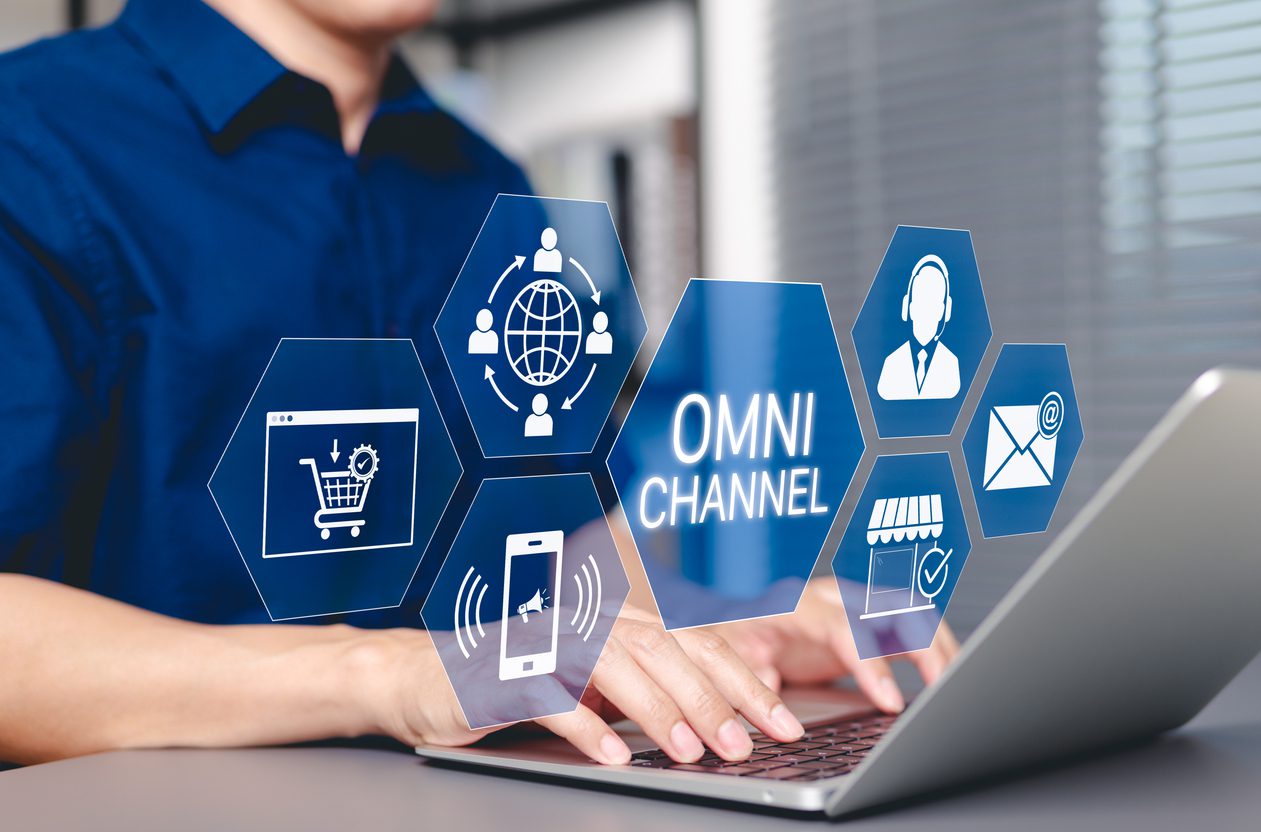
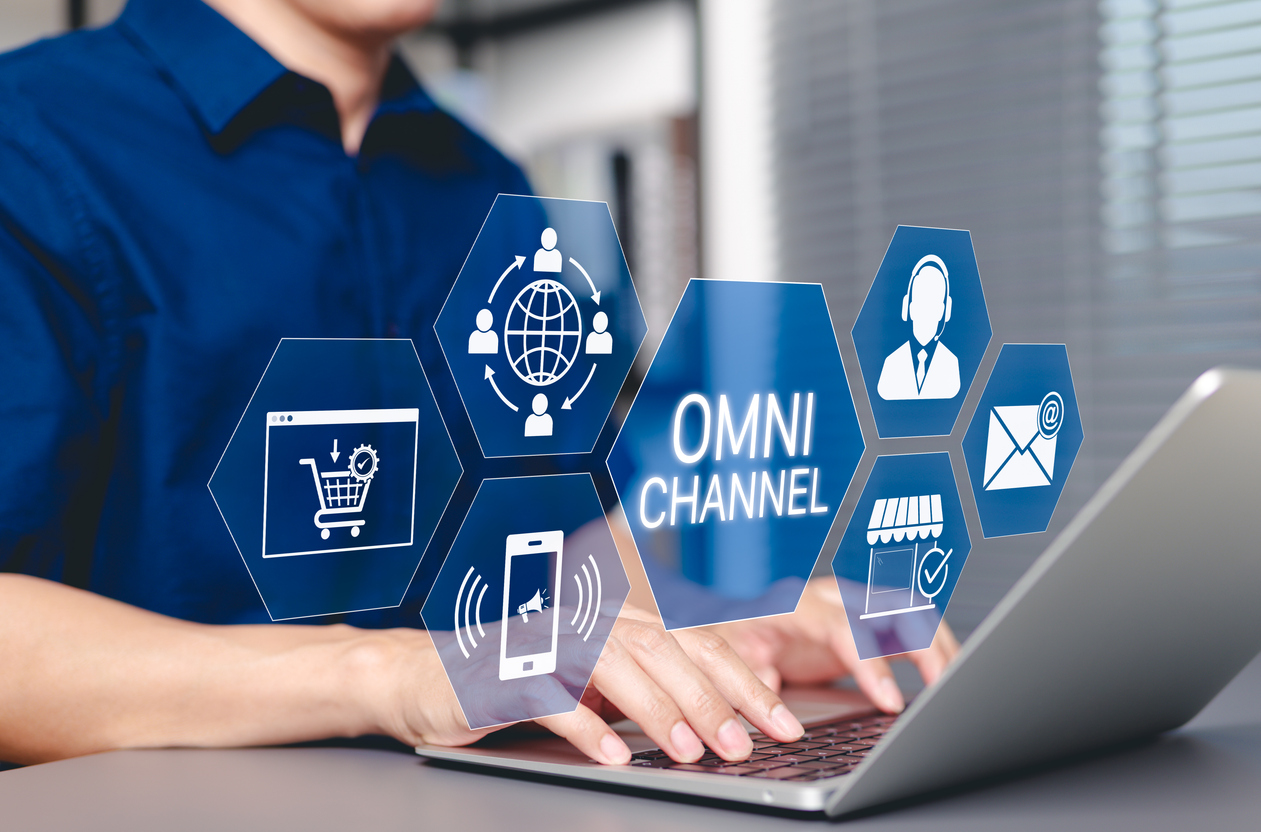
    This is why choosing the right omnichannel marketing platform has become critical. Businesses need systems that connect communication, customer data, and campaign management into one organized experience.

    What Makes an Omnichannel Marketing Platform Important?

    An omnichannel marketing platform helps businesses manage customer communication across multiple channels from one centralized system.

    These platforms typically connect:

    • Email campaigns
    • Social media
    • SMS marketing
    • Paid advertising
    • CRM systems
    • Analytics and reporting
    • Customer support interactions

    The goal is not simply to run campaigns everywhere. The goal is to create a consistent customer experience across every touchpoint.

    Why Omnichannel Marketing Is Growing So Quickly

    Modern omnichannel marketing is driven by changing customer expectations. Consumers want businesses to remember preferences, maintain context, and respond quickly.

    Businesses benefit because omnichannel systems help:

    • Improve customer experience
    • Increase campaign efficiency
    • Strengthen customer retention
    • Reduce communication gaps
    • Create more personalized marketing

    Companies that fail to unify their messaging often struggle with fragmented customer journeys.

    Features Businesses Should Look For

    Not every platform is designed for long-term growth. Businesses should choose systems that support scalability, automation, and strong reporting.

    Important features include:

    Centralized customer data

    All customer interactions should be visible in one place.

    Multi-channel campaign management

    Businesses should manage email, social, SMS, and advertising together.

    Workflow automation

    Automated sequences reduce manual effort and improve response times.

    Analytics and attribution

    Detailed reporting helps businesses understand what drives engagement and conversions.

    AI-supported optimization

    Modern platforms increasingly use predictive insights and automation.

    Omnichannel Forecasting Helps Businesses Plan Smarter

    One major advantage of modern systems is omnichannel forecasting. Businesses can use data from multiple channels to predict customer behavior and improve decision-making.

    Forecasting can help businesses:

    • Predict customer demand
    • Improve campaign timing
    • Allocate budgets more effectively
    • Identify high-performing channels
    • Reduce wasted ad spend

    This gives businesses more control over future growth strategies.

    How an Omnichannel Marketing Strategy Improves Performance

    A strong omnichannel marketing strategy focuses on consistency and customer experience instead of isolated campaigns.

    Successful strategies usually include:

    • Consistent brand messaging
    • Personalized customer journeys
    • Coordinated communication across channels
    • Audience segmentation
    • Automated follow-up systems

    Businesses that align all communication channels often see stronger engagement and customer loyalty.

    Why Businesses Work With an Omnichannel Marketing Agency

    Managing multiple platforms internally can become difficult as campaigns scale. Many businesses work with an omnichannel marketing agency to simplify execution and improve performance.

    Agencies can help with:

    • Cross-channel campaign management
    • Automation setup
    • Data analysis
    • Audience targeting
    • Conversion optimization
    • Performance reporting

    An experienced agency can often identify inefficiencies that businesses may overlook internally.

    The Role of a Digital Marketing Company in Omnichannel Growth

    A modern digital marketing company does more than run ads or send emails. It helps businesses create connected systems that improve long-term customer engagement.

    Strong digital marketing partners focus on:

    • Customer journey optimization
    • Brand consistency
    • Data-driven decision making
    • Marketing automation
    • Conversion-focused campaign structure

    This broader approach helps businesses scale more efficiently.

    Common Problems Businesses Face Without Integration

    Businesses that use disconnected systems often encounter operational problems.

    Common issues include:

    • Inconsistent messaging
    • Duplicate customer communication
    • Poor lead tracking
    • Incomplete reporting
    • Delayed follow-ups
    • Fragmented customer experiences

    These problems reduce efficiency and weaken customer trust over time.

    How Nloop AI Helps Simplify Omnichannel Campaign Management

    Nloop AI helps businesses organize complex campaign management by centralizing automation, reporting, and performance insights into one system. Instead of relying on disconnected tools, businesses can track customer engagement, monitor campaigns, and improve forecasting from a unified platform. This allows teams to reduce inefficiencies, make faster decisions, and create more consistent customer experiences across channels.

    How Businesses Can Choose the Right Platform

    The best platform depends on business goals, audience size, and operational complexity.

    Businesses should evaluate:

    • Ease of integration
    • Reporting capabilities
    • Automation flexibility
    • Scalability
    • Customer support
    • AI and forecasting features
    • Multi-channel support

    Choosing the wrong platform can create unnecessary complexity and slow growth.

    The Future of Omnichannel Marketing Platforms

    Marketing platforms are evolving quickly as AI and automation become more advanced.

    Future trends include:

    • Predictive customer journey analysis
    • AI-assisted campaign optimization
    • More advanced personalization
    • Unified customer identity tracking
    • Real-time omnichannel forecasting

    Businesses that adopt smarter systems early will likely gain stronger long-term advantages.

    Frequently Asked Questions

    What is an omnichannel marketing platform?

    An omnichannel marketing platform helps businesses manage customer communication and campaigns across multiple channels from one centralized system.

    Why is omnichannel marketing important?

    Omnichannel marketing creates a more consistent customer experience across digital and offline touchpoints.

    What is omnichannel forecasting?

    Omnichannel forecasting uses data from multiple channels to predict customer behavior, campaign performance, and future trends.

    Why work with an omnichannel marketing agency?

    An agency can help businesses manage campaigns more efficiently and improve cross-channel strategy.

    How does a digital marketing company support omnichannel campaigns?

    A digital marketing company helps businesses integrate platforms, automate workflows, and improve customer engagement.

    Better Systems Create Better Customer Experiences

    Customers expect smooth, connected experiences regardless of where they interact with a brand. Businesses that rely on disconnected marketing systems often struggle to meet those expectations.

    By investing in the right omnichannel marketing platform, businesses can improve communication, simplify campaign management, and create stronger customer relationships.

    Ready to streamline your omnichannel strategy? Start building a smarter, more connected marketing system with support from Nloop AI today.

  • Why Buying Display Ads Manually Is Costing You More Than You Realize

    Why Buying Display Ads Manually Is Costing You More Than You Realize

    Programmatic Display Marketing

    Every digital marketer has placed a display ad the old way — negotiate placement, agree on pricing, upload a creative, and hope the audience you were sold on actually shows up. Sometimes it works. Often, you’re paying premium rates to reach people who were never going to convert, on inventory that sounded better in the pitch than it performed in reality.

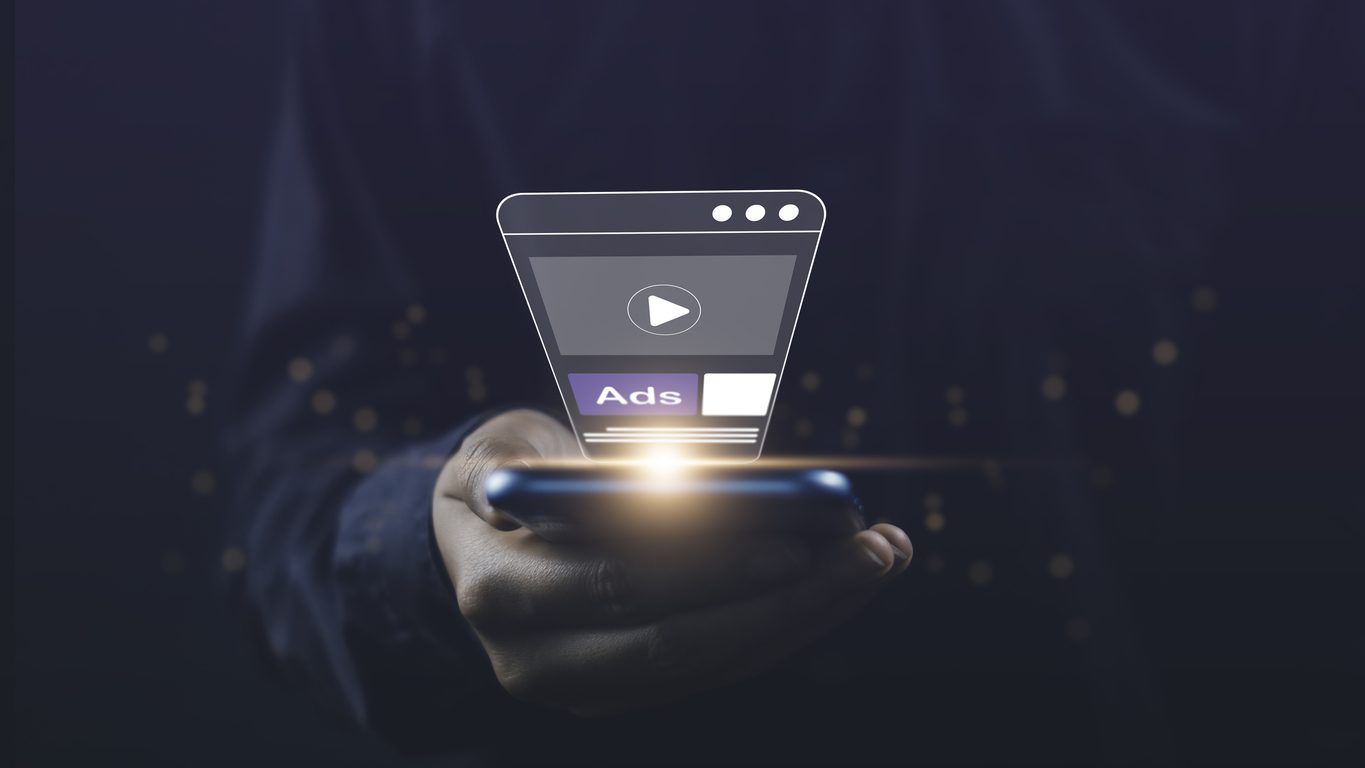
    Programmatic display marketing replaces that guesswork with data-driven precision. Instead of buying placements, you’re buying audiences — and the system finds them wherever they are across the web in real time, at the most efficient price available.

    The difference in results between brands that have made this shift and those still running manual placements is becoming harder to ignore.

    What Display Programmatic Advertising Actually Means

    Breaking Down the Mechanics

    Display programmatic advertising is the automated buying and selling of digital ad inventory through real-time bidding systems. When a user loads a webpage, an auction happens in milliseconds — advertisers bid for the right to show that specific user an ad, based on who that user is rather than where they’re browsing.

    The process involves three key components working together:

    • Demand-Side Platforms (DSPs) — the tools advertisers use to set targeting parameters, budgets, and bid strategies
    • Supply-Side Platforms (SSPs) — the tools publishers use to make their inventory available to buyers
    • Ad Exchanges — the marketplaces where DSPs and SSPs connect, and auctions are executed in real time

    What makes this powerful is the targeting layer. Programmatic display marketing allows advertisers to reach users based on behavioral data, browsing history, purchase intent signals, demographic profiles, geographic location, and dozens of other variables — all applied simultaneously within a single campaign.

    Audience Targeting in Programmatic Display: Beyond Basic Demographics

    Who You Reach Matters More Than Where You Show Up

    The most common mistake brands make in display programmatic advertising is treating it like a fancier version of buying banner placements. It isn’t. The inventory is almost secondary — what matters is the audience data layered onto it.

    Effective programmatic targeting strategies include:

    Contextual targeting with audience overlay. Matching your ad to relevant content is valuable. Matching it to a user who has already demonstrated relevant interest — through search history, purchase behavior, or content engagement — is dramatically more valuable. Combining both produces the strongest results.

    In-market audience segments. Most programmatic platforms offer pre-built in-market segments: users currently researching products or services in specific categories. For brands selling considered purchases — vehicles, software, financial products, home services — targeting in-market segments compresses the sales cycle significantly.

    Custom intent audiences. Building audiences from specific keyword search histories allows advertisers to reach users who have recently searched terms directly related to your product or service. This brings search intent data into a display environment — capturing high-intent prospects before they’ve found a competitor.

    Sequential messaging. Serving different creatives to the same user based on their stage of engagement — awareness, consideration, decision — is a tactic that manual display buying can’t execute at scale. Programmatic makes it systematic and measurable.

    Franchise Programmatic Display: Managing Multi-Location Complexity

    One Brand, Many Markets, Consistent Execution

    Franchise programmatic display presents a specific operational challenge: maintaining national brand consistency while enabling location-level relevance and budget control. Franchisors need brand-safe creative and message alignment. Franchisees need local targeting and the ability to compete in their specific market.

    Modern programmatic platforms solve this through tiered campaign structures — a national brand layer sets creative guidelines and handles broad awareness, while location-specific campaigns run simultaneously with geo-targeting, local landing pages, and budget control at the individual franchisee level.

    The key metrics that matter most in franchise programmatic campaigns are local store visit attribution, per-location cost per lead, and brand impression share within defined trade areas. These allow franchisors to identify which locations are winning in their markets and which need campaign adjustments — with the granularity that traditional display buying simply doesn’t provide.

    Working With a Programmatic Display Marketing Agency

    What to Look for and What to Ask

    Choosing a programmatic display marketing agency is a different decision from choosing a creative or media agency. The technical depth matters as much as the strategic thinking. Before committing, the questions worth asking are direct:

    • Which DSPs do you access, and do you have direct relationships or are you buying through an intermediary?
    • How do you handle brand safety — what controls prevent ads from appearing next to inappropriate content?
    • What attribution models do you use, and can you connect campaign exposure to actual business outcomes beyond clicks?
    • How granular is your reporting, and how frequently will we see performance data?

    A strong digital marketing company operating in programmatic should be able to answer these questions specifically — not with generalities about scale and reach.

    How Nloop AI Gives Programmatic Advertisers a Measurable Edge

    The technical infrastructure of programmatic is accessible to most marketers. The strategic intelligence to use it well — knowing which audience combinations to test, which creative signals drive performance, and how to optimize bidding strategies as campaigns accumulate data — is where most teams fall short. Nloop AI brings that intelligence layer to programmatic display campaigns, combining machine learning-driven optimization with strategic human oversight to ensure budgets are working harder with every passing day. For brands that want their programmatic investment to produce compounding returns rather than flat performance, Nloop AI operates as the growth partner that closes the gap between potential and outcome.

    FAQ: Programmatic Display Marketing

    What is programmatic display advertising?

    It’s the automated buying of digital display ad inventory through real-time bidding systems, targeting specific audiences based on behavioral and demographic data rather than purchasing fixed placements.

    How is programmatic display different from traditional display advertising?

    Traditional display buys placements — specific websites or ad positions. Programmatic buys audiences — reaching defined users wherever they are across the web, in real time, at auction-determined prices.

    What data is used in programmatic audience targeting?

    A combination of first-party data (your own customer and website visitor data), second-party data (partner data sharing), and third-party data (behavioral, demographic, and in-market segments from data providers).

    Is programmatic display suitable for small businesses?

    Yes. Minimum budgets have dropped significantly, and self-serve platforms make programmatic accessible to businesses of all sizes. The efficiency advantages are actually proportionally greater for smaller budgets, where waste matters more.

    How do I measure success in programmatic display campaigns?

    Beyond clicks and impressions, effective measurement includes view-through conversions, brand lift studies, foot traffic attribution for physical locations, and cross-device attribution connecting display exposure to downstream conversions.

    What is franchise programmatic display?

    A tiered programmatic campaign structure that maintains national brand consistency while enabling location-level targeting, budget control, and performance measurement for individual franchise locations.

    The Inventory Was Always There — It’s the Intelligence That Changes Everything

    Programmatic display marketing has made the entire open web a targetable advertising environment. The brands winning in that environment aren’t simply those with the largest budgets — they’re the ones with the sharpest audience intelligence, the most disciplined creative testing, and the attribution infrastructure to know what’s actually driving results.

    Connect with Nloop AI today and build the programmatic display strategy that puts your brand in front of the right people, at the right moment, with the measurable outcomes your business needs to grow.

×